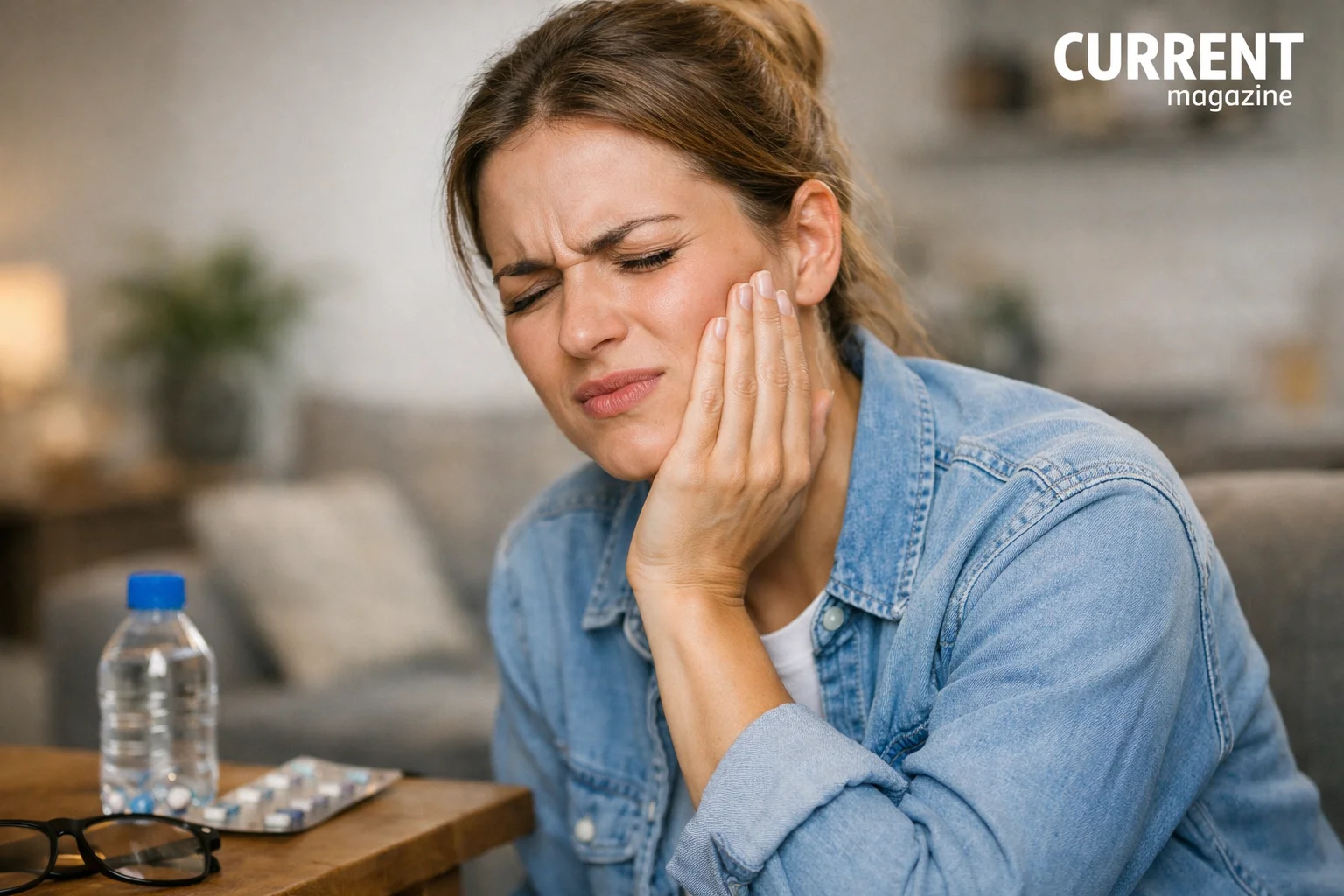
Jaw pain is more common than you might think. If you’ve been dealing with aching, soreness, or discomfort in your jaw, you’re not alone. Millions of people experience why does my Jaw Hurt pain every year, and the causes can range from simple muscle tension to more complex dental issues.
In this guide, we’ll walk through the most common reasons your jaw might hurt, what symptoms to watch for, and when you should see a doctor or dentist.
Common Causes of Jaw Pain
TMJ Disorder (Temporomandibular Joint Disorder)
The temporomandibular joint connects your jawbone to your skull, acting like a hinge that lets you open and close your mouth. When this joint isn’t working properly, it can cause significant pain. TMJ disorder is one of the leading causes of jaw pain and can happen because of injury, arthritis, or grinding your teeth. People with TMJ disorder often notice clicking or popping sounds when they chew, along with pain that radiates to the ear or neck.
Teeth Grinding (Bruxism)
Many people grind or clench their teeth without even realizing it, especially during sleep. This constant pressure puts enormous strain on your jaw muscles and can wear down your teeth over time. You might wake up with a sore jaw, headache, or even tooth sensitivity. Stress and anxiety often make teeth grinding worse.
Dental Problems
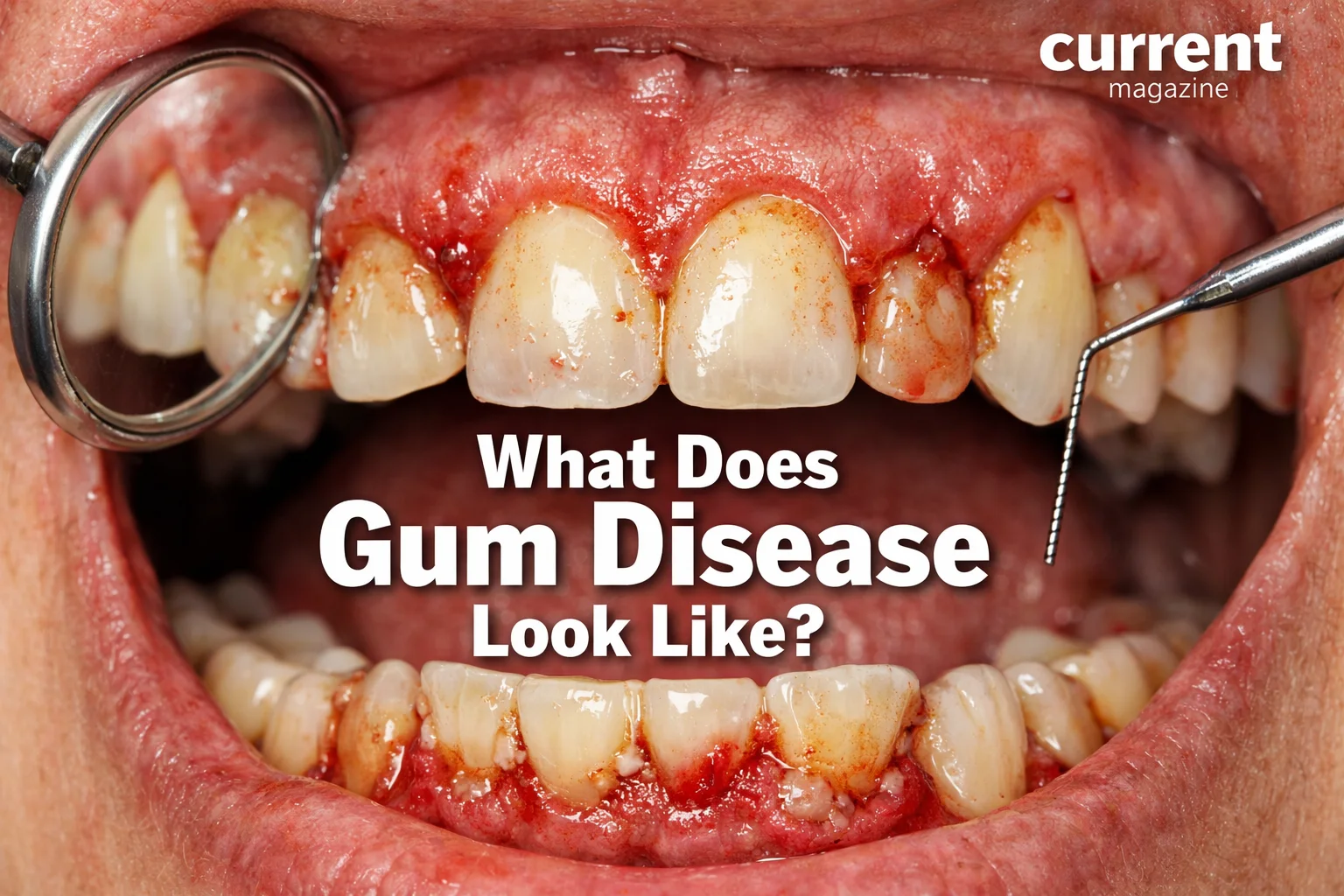
Cavities, gum disease, abscessed teeth, or misaligned teeth can all cause jaw pain. Sometimes the pain from a tooth problem spreads to your jaw, making it hard to pinpoint exactly where the issue started. If you have a cracked tooth or need a root canal, your jaw might hurt as your body responds to the infection or damage.
Sinus Infections
Your sinuses sit very close to your upper jaw. When they get infected or inflamed, the pressure can make your jaw ache, especially on both sides of your face. This type of jaw pain usually comes with other sinus symptoms like congestion, facial pressure, and headaches.
Arthritis
Both osteoarthritis and rheumatoid arthritis can affect the jaw joint. As the cartilage wears down, the bones can rub together, causing pain, stiffness, and difficulty moving your jaw. Arthritis-related jaw pain tends to be worse in the morning and may improve throughout the day.
Jaw Injury or Trauma
A blow to the face, car accident, or sports injury can damage your jaw joint or the surrounding muscles. Even old injuries that seemed to heal can cause problems years later. Trauma can lead to a dislocated jaw, fracture, or chronic pain.
Stress and Muscle Tension
When you’re stressed, you might unconsciously tighten your jaw muscles or hold tension in your face. Over time, this can lead to muscle fatigue and pain. The jaw is often one of the first places people hold stress without realizing it.
Osteomyelitis
This is a rare but serious bone infection that can affect the jawbone. It causes severe pain, fever, and swelling. Osteomyelitis requires immediate medical attention and usually happens when bacteria from a dental infection spread to the bone.
Symptoms That Often Come With Jaw Pain
Jaw pain rarely shows up alone. You might also notice:
- Difficulty chewing or biting
- A clicking or popping sound when you open your mouth
- Jaw stiffness or locking
- Ear pain or ringing in the ears
- Headaches, especially in the temples
- Neck or shoulder pain
- Swelling on one side of your face
- Tooth sensitivity or pain
- Limited range of motion when opening your mouth
When Should You See a Doctor?
Most jaw pain improves with home care and rest, but certain symptoms mean you should get professional help right away:
- Severe pain that doesn’t improve with over-the-counter pain relievers
- Inability to open or close your mouth completely
- Jaw pain accompanied by chest pain or shortness of breath (this could indicate a heart problem)
- Fever and swelling in your face
- Jaw pain after an injury or accident
- Pain that lasts more than a week or keeps getting worse
- Difficulty swallowing or breathing
Home Remedies and Self-Care Tips
If your jaw pain is mild to moderate, these strategies might help:
Apply Ice or Heat
Use an ice pack for the first 24 to 48 hours after jaw pain starts to reduce swelling. After that, try a warm compress to relax tight muscles. Apply for 15 to 20 minutes at a time, several times a day.
Eat Soft Foods
Give your jaw a break by sticking to soft foods like yogurt, mashed potatoes, smoothies, soup, and scrambled eggs. Avoid chewy, crunchy, or hard foods that require a lot of jaw work.
Practice Jaw Exercises
Gentle stretching can help relieve tension. Try slowly opening and closing your mouth, moving your jaw side to side, or doing gentle massage on the jaw muscles. Don’t push through pain.
Reduce Stress
Since stress contributes to jaw clenching and grinding, finding ways to relax can make a big difference. Try meditation, deep breathing exercises, yoga, or regular exercise to manage stress levels.
Avoid Extreme Jaw Movements
Skip wide yawns, singing loudly, or chewing gum until your jaw feels better. These activities put extra strain on an already painful joint.
Take Over-the-Counter Pain Relievers
Ibuprofen or acetaminophen can help reduce pain and inflammation. Follow the package directions and don’t take them for more than a few days without talking to your doctor.
Treatment Options Your Doctor Might Recommend
Depending on what’s causing your jaw pain, your healthcare provider might suggest:
Mouthguards or Splints
Custom-fitted devices worn at night can prevent teeth grinding and reduce pressure on your jaw joint. These are especially helpful for bruxism and TMJ disorder.
Physical Therapy
A physical therapist can teach you exercises to strengthen jaw muscles, improve flexibility, and correct posture problems that contribute to pain.
Medications
Your doctor might prescribe muscle relaxants, stronger pain relievers, or anti-inflammatory drugs if over-the-counter options aren’t enough.
Dental Work
If misaligned teeth or dental problems are causing your pain, your dentist might recommend braces, crowns, or other procedures to correct the issue.
Injections
Corticosteroid injections can reduce inflammation in the jaw joint. Some people also find relief with Botox injections, which relax overactive jaw muscles.
Surgery
In severe cases where other treatments haven’t worked, surgery might be necessary to repair or replace the jaw joint. This is usually a last resort.
Preventing Jaw Pain
While you can’t prevent all causes of jaw pain, these habits can help:
- Practice good posture, especially if you work at a desk
- Manage stress through healthy coping mechanisms
- Avoid chewing gum or biting your nails
- Don’t use your teeth to open packages
- Stay hydrated and maintain a balanced diet
- See your dentist regularly for checkups
- Wear a mouthguard if you play contact sports
The Bottom Line
Jaw pain can disrupt your daily life, making it hard to eat, talk, or even sleep comfortably. The good news is that most causes of jaw pain respond well to treatment, especially when caught early. Pay attention to your symptoms, try home remedies for mild pain, and don’t hesitate to see a healthcare provider if your pain is severe or persistent.
Your jaw works hard every day, so taking care of it should be a priority. Whether your pain comes from stress, dental issues, or a joint problem, understanding the cause is the first step toward feeling better.
10 Frequently Asked Questions About Jaw Pain
1. Can jaw pain be a sign of a heart attack?
Yes, especially in women. Jaw pain combined with chest pain, shortness of breath, nausea, or arm pain can indicate a heart attack. Seek emergency medical help immediately if you have these symptoms together.
2. Why does my jaw hurt only on one side?
One-sided jaw pain often points to a dental issue like a cavity or abscess, TMJ disorder affecting just one joint, or an injury to that side. Sinus infections can also cause one-sided pain if only one sinus is affected.
3. Is it normal for my jaw to hurt after dental work?
Yes, mild soreness after dental procedures is normal and usually goes away within a few days. Your jaw was held open for an extended time, which can strain the muscles and joint. Contact your dentist if pain is severe or lasts more than a week.
4. Can stress really cause jaw pain?
Absolutely. Stress causes many people to clench their jaw or grind their teeth unconsciously, leading to muscle fatigue and pain. Managing stress through relaxation techniques often reduces jaw discomfort.
5. How long does TMJ pain last?
TMJ pain duration varies widely. Some people experience symptoms for a few days, while others deal with chronic pain for months or years. With proper treatment, most people see improvement within weeks to months.
6. Should I use ice or heat for jaw pain?
Use ice for the first 48 hours after pain starts to reduce inflammation and swelling. After that, switch to heat to relax tight muscles. Some people alternate between both for the best relief.
7. Can poor posture cause jaw pain?
Yes. Forward head posture and slouching can strain the muscles in your neck and jaw, leading to pain. People who work at computers or look down at phones frequently often develop posture-related jaw problems.
8. Will my jaw pain go away on its own?
Mild jaw pain from temporary muscle tension or minor strain often resolves within a few days with rest and home care. However, pain from underlying conditions like TMJ disorder or dental problems typically needs professional treatment.
9. Can allergies cause jaw pain?
Yes. Allergies can lead to sinus congestion and inflammation, which puts pressure on your upper jaw. This type of jaw pain usually improves when you treat the underlying allergies.
10. Are jaw exercises safe to do at home?
Gentle jaw stretches and exercises are generally safe and can help relieve tension. However, stop immediately if exercises cause pain. It’s best to learn proper techniques from a physical therapist or dentist to avoid making things worse.