How Long Does Wisdom Teeth Removal Take? A Complete Guide to Timeline, Procedure, and Recovery

When people search for “how long does wisdom teeth removal take”, they’re usually facing an upcoming wisdom teeth extraction and want to know exactly what to expect in terms of time commitment. Understanding the complete timeline for wisdom teeth removal involves more than just the surgery duration—it encompasses the consultation process, preparation time, the actual procedure length, immediate recovery in the office, and the extended healing period at home. In this comprehensive guide, we’ll explore every aspect of wisdom teeth removal timing, from the initial consultation through complete healing, break down what factors affect how long the procedure takes, explain what happens during each phase, provide detailed recovery timelines, discuss complications that might extend healing time, and help you plan appropriately for this common dental surgery so you can approach it with confidence and realistic expectations.
The Quick Answer: Procedure Duration
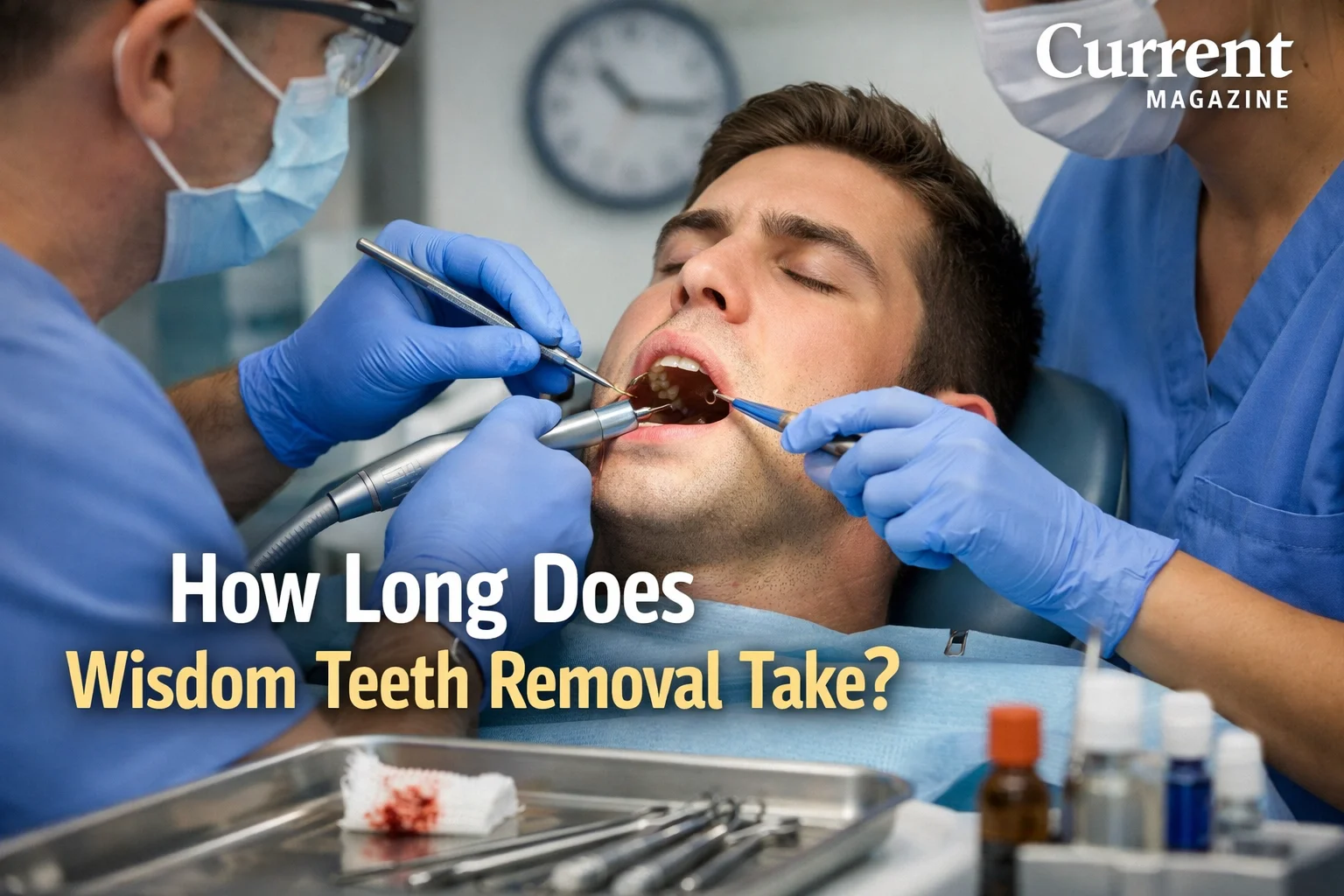
For those looking for the straightforward answer before diving into details, wisdom teeth removal typically takes between 45 minutes to 2 hours for the actual surgical procedure, depending on several important factors. However, this timeframe represents only the surgery itself and doesn’t include preparation, anesthesia administration, or post-operative monitoring. When you factor in arriving early for paperwork, changing into surgical attire if required, receiving anesthesia and waiting for it to take effect, the actual extraction procedure, and post-operative recovery time in the office before you’re released, you should plan to be at the oral surgeon’s office for approximately 3 to 4 hours total for the appointment.
The variation in procedure time depends on multiple factors that we’ll explore in detail throughout this article. A simple extraction of a single fully erupted wisdom tooth might take only 20-30 minutes, while removing four impacted wisdom teeth that are positioned awkwardly or embedded in bone could take the full 2 hours or even slightly longer. The surgeon’s experience, the specific anesthesia type, whether teeth are erupted or impacted, how many teeth are being removed, and whether complications arise all influence the total time required.
Beyond the day of surgery, the complete healing process extends over several weeks to months, with different recovery milestones occurring at various stages. Most people can return to normal activities within 3-7 days, but complete bone and soft tissue healing takes anywhere from 2 weeks to 3 months depending on the complexity of your extraction. Understanding these different timeframes helps you plan for time off work or school, arrange for someone to drive you home and stay with you initially, prepare appropriate foods for recovery, and set realistic expectations about when you’ll feel completely back to normal.
Timeline of the Complete Wisdom Teeth Removal Process
To fully understand how long wisdom teeth removal takes, we need to examine the entire process from start to finish, including all the steps that happen before and after the actual surgery.
Initial Consultation and X-Rays (1-2 Weeks Before Surgery)
The wisdom teeth removal journey typically begins with a consultation appointment that occurs anywhere from several days to several weeks before the actual extraction. This initial visit usually lasts 30-60 minutes and serves several important purposes in the overall timeline.
During this consultation, the oral surgeon or dentist examines your mouth visually and manually, checking the position of your wisdom teeth, assessing your overall oral health, looking for signs of infection or other complications, and evaluating the condition of surrounding teeth and tissues. They take diagnostic X-rays, most commonly panoramic X-rays that show your entire jaw and all teeth in a single image, or sometimes 3D cone beam CT scans for complex cases where detailed visualization of tooth position relative to nerves and sinuses is needed. These images reveal crucial information including whether teeth are impacted and how deeply, the angle at which wisdom teeth are growing, proximity to important structures like nerves and sinuses, root formation and whether roots are straight or curved, and how much bone surrounds the teeth.
The consultation includes detailed discussion of your medical history, including current medications, allergies, previous reactions to anesthesia, bleeding disorders or blood-thinning medications, and other health conditions that might affect surgery or healing. The surgeon explains the recommended treatment plan, describing which teeth should be removed and why, what type of anesthesia they recommend, what the procedure will involve, expected recovery timeline, and potential risks and complications. You’ll receive pre-operative instructions about fasting before surgery if you’re having sedation, which medications to avoid, what to do about your regular medications, and whether you need medical clearance from your physician for certain health conditions. The office will also discuss costs, insurance coverage, and payment arrangements, scheduling the actual surgery date and providing time estimates.
This consultation is crucial for the overall timeline because it allows the surgeon to plan the most efficient approach to your specific case. Reviewing your X-rays beforehand means they know exactly what they’ll encounter during surgery, potentially reducing procedure time. If any issues are identified that need addressing before surgery (like an active infection requiring antibiotics first), this consultation catches them early, preventing delays on surgery day.
Pre-Surgery Day Preparation
The day before your wisdom teeth removal, you’ll spend some time preparing according to the instructions you received. This preparation phase, while not time-intensive, is important for ensuring the procedure goes smoothly and stays on schedule.
You’ll need to arrange transportation, confirming that someone can drive you to and from the appointment since you cannot drive yourself after anesthesia, ensuring this person can stay with you for at least the first few hours after returning home, and planning for them to potentially wait during your procedure or be available to pick you up when called. You should prepare your recovery space at home by stocking up on soft foods like yogurt, smoothies, applesauce, mashed potatoes, soup, and ice cream, getting ice packs ready for facial swelling, setting up a comfortable recovery area with extra pillows to keep your head elevated, and having entertainment ready like movies, books, or games for your recovery time.
If you’re having IV sedation or general anesthesia, you must follow specific fasting instructions, typically nothing to eat or drink after midnight the night before surgery, though some surgeons allow clear liquids up to 2 hours before. You should take (or skip) medications as instructed, usually continuing most regular medications but stopping blood thinners like aspirin if directed, and sometimes taking antibiotics if prescribed preventatively. You’ll want to wear comfortable, loose-fitting clothing with short sleeves for IV access, avoid makeup, contact lenses, and jewelry, and leave valuables at home. Mental preparation helps too, reviewing post-operative care instructions so you know what to expect, preparing questions you still have, and trying to get good sleep even though anxiety might make this difficult.
This preparation phase, while taking perhaps 1-2 hours of your time spread across the day before surgery, significantly impacts how smoothly surgery day proceeds. Being properly prepared means less time spent on paperwork and questions on surgery day, reduced risk of delays or rescheduling due to not following fasting instructions, and better home recovery because you have everything you need ready.
Day of Surgery: Arrival and Pre-Operative Phase (30-60 Minutes)
On the day of your wisdom teeth removal, you’ll need to arrive at the oral surgeon’s office earlier than your scheduled procedure time to allow for check-in and preparation. Most offices ask you to arrive 15-30 minutes before your scheduled surgery time, though this varies by practice.
The pre-operative phase includes several important steps that add to your total time at the office. You’ll complete any remaining paperwork, reviewing and signing consent forms that acknowledge you understand the procedure, risks, and recovery instructions, confirming your medical history hasn’t changed since your consultation, verifying emergency contact information, and completing insurance or payment processing. You’ll likely change into a surgical gown or protective covering if the office requires it, though some practices allow you to remain in your own clothing. The staff will take vital signs including blood pressure, heart rate, oxygen levels, and sometimes temperature to ensure you’re healthy enough for anesthesia and surgery.
The anesthesiologist or nurse will place an IV line if you’re having IV sedation or general anesthesia, typically in your hand or arm. This process takes a few minutes and involves cleaning the site, finding a vein, inserting the catheter, securing it in place, and sometimes starting a saline drip before adding sedation medications. You’ll meet with the surgeon again briefly to confirm which teeth are being removed, ask any last-minute questions, and sometimes mark the surgical sites. The anesthesia team explains what will happen as you’re sedated, what you might feel or remember, and how you’ll wake up afterward.
This pre-operative phase typically takes 30-45 minutes, though it can extend to an hour if there are delays, complications with IV placement, or if you have many questions. The time is necessary to ensure everything is ready for a safe, efficient procedure and to allow the medical team to confirm you’re properly prepared for surgery.
The Actual Extraction Procedure (20 Minutes to 2 Hours)
Now we reach the portion of the timeline people usually ask about: the actual wisdom teeth removal surgery itself. The duration of this phase varies considerably based on several factors we’ll explore in detail.
For a Single Simple Extraction (20-30 Minutes):
If you’re having just one wisdom tooth removed and it’s fully erupted (visible in your mouth), not impacted, and positioned straightforwardly, the extraction can be remarkably quick. The process involves the surgeon numbing the area with local anesthetic, which takes 3-5 minutes to administer and another 5 minutes to take full effect. They loosen the tooth using an instrument called an elevator, rocking it back and forth to detach the periodontal ligament connecting tooth to bone. They grasp the tooth with dental forceps and remove it, which often takes less than a minute once the tooth is properly loosened. They clean the socket, checking for any remaining fragments and ensuring the area is clear. Finally, they place gauze over the extraction site and give you biting pressure instructions.
This entire process for a single simple wisdom tooth might take only 20-30 minutes from first injection to final gauze placement. Some dentists can complete straightforward single extractions even faster, particularly if they’re highly experienced and the tooth cooperates.
For Multiple Simple Extractions (30-60 Minutes):
If you’re having 2-4 wisdom teeth removed but all are erupted and straightforward, the time increases but not necessarily four times longer. The surgeon can work more efficiently doing all teeth in one session rather than repeating the setup process multiple times. For two simple extractions, expect 30-40 minutes. For three, plan for 45-60 minutes. For all four wisdom teeth with straightforward access, the procedure typically takes 45 minutes to 1 hour.
The efficiency comes from the surgeon developing a rhythm, moving systematically from one tooth to the next, and the anesthesia for one quadrant often affecting adjacent areas. However, the patient’s comfort and jaw fatigue must be considered, so breaks might be incorporated, especially for longer procedures.
For Impacted Wisdom Teeth (1-2 Hours or More):
When wisdom teeth are impacted, meaning they haven’t fully erupted through the gum or are growing at angles, the procedure becomes more complex and time-consuming. Impaction comes in degrees: soft tissue impaction means the tooth is under the gum but not in bone, partial bony impaction means part of the tooth is enclosed in jaw bone, and complete bony impaction means the entire tooth is embedded in bone. Horizontal impaction means the tooth is lying sideways, which is particularly complicated.
For impacted teeth, the surgical process is more involved. The surgeon must make incisions in the gum tissue to access the tooth, creating flaps that can be pulled back to expose the underlying bone and tooth. They often need to remove bone surrounding the tooth using a drill, carefully taking away just enough bone to access the tooth while preserving as much as possible. Many impacted wisdom teeth must be sectioned, meaning cut into 2-3 pieces that can be removed individually rather than trying to extract the whole tooth at once, which would require removing excessive bone. Each piece is carefully extracted using specialized instruments. The surgeon thoroughly cleans the socket, removes any bone fragments or tooth chips, and sometimes smooths rough bone edges. They irrigate the area with sterile saline to flush debris. Finally, they close the incisions with dissolvable stitches.
This complex process for a single impacted wisdom tooth takes 20-45 minutes depending on severity. For four impacted wisdom teeth, especially if some are horizontally impacted or have curved roots wrapped around nerves, the procedure can easily take 1.5 to 2 hours, sometimes slightly longer for particularly difficult cases.
Factors Affecting Procedure Duration:
Several specific factors influence how long your particular wisdom teeth removal will take. The number of teeth being extracted is obvious, with each additional tooth adding time, though not proportionally since there’s efficiency in doing multiple teeth in one session. The position and angulation matter enormously, as straight, upright teeth extract faster than sideways or backwards-growing teeth. Root morphology affects time significantly, with straight, single-rooted teeth (rare for wisdom teeth) extracting quickest, while fused roots, curved roots, or roots wrapped around the inferior alveolar nerve require more time and care.
The degree of impaction is crucial, with fully erupted teeth being fastest, soft tissue impaction adding some time, partial bony impaction adding more, and complete bony impaction taking longest. How much bone must be removed directly correlates with procedure time. Tooth density affects duration, as younger patients’ teeth and bones are typically less dense and easier to work with, while older patients may have denser bone requiring more drilling time and teeth that have become more firmly anchored.
The presence of infection or inflammation can complicate and lengthen procedures, as inflamed tissue bleeds more and anesthetic may be less effective, and infection can make tissues harder to work with. Ankylosis, where a tooth fuses directly to bone without the normal periodontal ligament, is rare but dramatically increases extraction time. Proximity to nerves and sinuses requires extra caution and precision, potentially extending procedure time as the surgeon works carefully to avoid damage to these structures.
Surgeon experience and skill play significant roles, with highly experienced oral surgeons working more efficiently than less experienced practitioners, completing extractions that might take others 2 hours in 1 hour or less. However, experienced surgeons also know when to take extra time to ensure safety, so faster isn’t always better. Patient cooperation matters too, as patients who can hold still, follow instructions about keeping their mouth open, and remain calm allow for more efficient work, while anxious patients who move frequently or need breaks extend procedure time.
The type of anesthesia affects efficiency, with general anesthesia allowing surgeons to work without patient discomfort or cooperation issues, while local anesthesia requires checking frequently that the patient is numb and comfortable. Equipment quality and availability matter, with modern surgical suites equipped with specialized elevators, sectioning instruments, and high-speed surgical drills allowing faster work than older equipment.
Immediate Post-Operative Recovery in Office (30-60 Minutes)
After the surgeon completes the extraction and places gauze over the sockets, you don’t immediately leave the office. There’s an important immediate recovery phase that typically lasts 30-60 minutes while you wake from sedation and the staff monitors you.
If you had IV sedation or general anesthesia, you’ll be moved to a recovery area where you gradually wake up. This process varies by individual, with some people waking quickly and feeling relatively alert within 15-20 minutes, while others take 45-60 minutes to reach a state where they’re coherent enough to receive discharge instructions. During this time, nurses monitor your vital signs including blood pressure, heart rate, oxygen saturation, and consciousness level. They watch for any signs of complications like excessive bleeding, allergic reactions, or breathing difficulties.
As you become more alert, the staff will check the surgical sites to ensure bleeding is controlled, changing gauze as needed and ensuring clots are forming properly. They’ll assess your pain level and provide initial pain medication if needed, sometimes administering it through the IV before removing it, or giving you oral medication to take. They review post-operative instructions with you and whoever accompanied you, explaining how to manage gauze, when and how to take prescribed medications, what to eat and avoid, how to use ice packs to minimize swelling, and when to call if problems arise. They provide written instructions since you won’t remember everything told to you while groggy.
You’ll receive your prescriptions for pain medication, antibiotics if prescribed, and sometimes anti-inflammatory medication or mouth rinses. The staff ensures you can stand and walk without dizziness or excessive unsteadiness, confirming you’re stable enough to leave with your driver. They verify your driver is present and understands they need to monitor you for several hours.
If you had only local anesthesia, this recovery phase is much shorter, perhaps 15-20 minutes, just ensuring bleeding is controlled and you understand all instructions before leaving. However, most wisdom teeth removals, especially multiple or impacted teeth, involve IV sedation or general anesthesia, necessitating the longer recovery observation.
This post-operative office recovery time is crucial for your safety and shouldn’t be rushed. While it adds to your total time at the office, it ensures you’re stable before leaving medical supervision. Patients occasionally experience delayed complications like fainting or excessive bleeding within the first hour after surgery, so having medical staff nearby during this critical window provides important safety.
Total Time at the Oral Surgeon’s Office
When you add up all these components—arrival and check-in (15-30 minutes), pre-operative preparation including IV placement (30-45 minutes), the actual surgical procedure (20 minutes to 2 hours depending on complexity), and post-operative recovery (30-60 minutes)—you can see why the total time at the oral surgeon’s office ranges from approximately 2 to 4 hours for most wisdom teeth removals.
For a simple case (1-2 erupted teeth, local anesthesia only), you might be in and out in 1.5 to 2 hours total. For a standard case (3-4 wisdom teeth, some impaction, IV sedation), plan for 3 to 3.5 hours total. For a complex case (all four teeth severely impacted, difficult positioning), you might be there for 4 hours or occasionally slightly longer.
Understanding this realistic timeframe helps you plan your day appropriately, ensuring your driver has adequate time available, scheduling the procedure when you don’t have other time-sensitive commitments, and managing expectations so you’re not surprised or anxious if you’re at the office longer than the “procedure time” you may have been quoted.
Recovery Timeline: How Long Until You’re Healed?
While the procedure itself takes hours, the healing process takes days to months depending on what aspect of recovery we’re measuring. Understanding this extended timeline helps you plan for time off work or school and set realistic expectations for returning to normal activities.
First 24 Hours: The Critical Initial Recovery Period
The first 24 hours after wisdom teeth removal are the most crucial for proper healing and preventing complications. During this immediate post-surgery period, several important processes are occurring in your mouth.
Blood clot formation begins immediately after extraction and is essential for healing. The clots that form in the empty sockets where your teeth were protect the underlying bone and nerves, provide a foundation for new tissue growth, and prevent infection from entering the bone. Protecting these clots is your most important job during the first day, which means avoiding vigorous rinsing, not drinking through straws (the suction can dislodge clots), being gentle when changing gauze, and not touching the surgical sites with your tongue or fingers.
During these first 24 hours, you’ll experience your most intense symptoms. Bleeding is normal and expected for several hours, gradually decreasing throughout the day until only slight oozing remains by bedtime. You manage this by biting on gauze pads for 30-45 minutes at a time, changing them as they become saturated, using tea bags if bleeding persists (the tannic acid helps clotting), and keeping your head elevated even when lying down. Pain typically peaks 6-12 hours after surgery when local anesthesia wears off completely, managed with prescribed pain medications taken on schedule, ice packs applied to the outside of your face, and rest to minimize discomfort.
Swelling begins developing within a few hours and typically peaks at 48-72 hours post-surgery. During the first 24 hours, you combat swelling with ice packs applied to your cheeks for 20 minutes on, 20 minutes off, consistently during waking hours. You keep your head elevated above your heart even when sleeping, using 2-3 pillows. Some bruising may appear on your face and neck, which is normal and will fade over the coming week.
Your diet during this first day is extremely limited to prevent disturbing the surgical sites. You should consume only cool or room-temperature liquids and very soft foods like water, juice (not acidic), smoothies (without straws), yogurt, pudding, applesauce, and perhaps lukewarm soup if it requires no chewing. You must avoid hot foods and drinks that could dissolve clots, crunchy foods that could damage sites, acidic foods that could irritate wounds, and alcohol which can interfere with medications and healing.
Activity should be minimal during the first 24 hours. You should rest as much as possible, avoiding physical exertion that could increase blood pressure and cause bleeding, and skip exercise completely. You should avoid bending over which increases blood pressure in your head, and you should sleep with your head elevated to minimize swelling and bleeding.
Most people need to take this entire first day off from work or school, as you’ll be recovering from anesthesia, managing pain and discomfort, and needing to rest. Trying to return to normal activities too quickly during this critical first 24 hours can lead to complications like dislodged clots, increased bleeding, or dry socket development.
Days 2-3: Early Recovery Phase
The second and third days after wisdom teeth removal represent a transition period where some aspects improve while others potentially worsen before getting better.
Swelling typically peaks during this period, reaching its maximum around 48-72 hours post-surgery. Your face may look noticeably swollen and possibly asymmetrical, and you might have bruising that becomes more visible as it spreads and changes color. During days 2-3, you switch from ice packs (which you used during the first 24 hours) to warm, moist heat applied to your face. The warmth helps increase circulation to the area, promoting healing and helping swelling subside. You continue keeping your head elevated when lying down, and you might start gentle jaw exercises if recommended by your surgeon to prevent stiffness.
Pain management continues being important, though discomfort often begins decreasing by day 3 for straightforward extractions. You continue taking pain medication as prescribed, possibly beginning to reduce dosage or frequency if pain is improving, and you might switch from prescription pain medication to over-the-counter options if your surgeon approves. Some people experience increased pain during this period if they develop dry socket (discussed in detail later), so new or worsening pain should be reported to your surgeon.
Your diet can expand slightly during days 2-3 to include more variety of soft foods. In addition to liquids and smooth foods from day 1, you can now add mashed potatoes, scrambled eggs, pasta cooked very soft, soft fish, and perhaps soft bread if you’re careful. You should continue avoiding hard foods, crunchy foods, chewy foods, very hot foods, spicy foods (which can irritate healing tissues), and alcohol. Chewing should be minimal and away from surgical sites, and you should still avoid using straws which could dislodge healing clots.
Oral hygiene becomes important starting day 2, though you must be very gentle. You can brush your teeth carefully, avoiding the surgical sites initially and being very gentle around them. You should rinse gently with warm salt water (1/2 teaspoon salt in 8 oz warm water) after meals to keep the area clean, but don’t swish vigorously, just let the liquid gently move around your mouth. If prescribed an antimicrobial rinse, use it as directed. You should avoid commercial mouthwashes that contain alcohol which can irritate healing tissues.
Activity can gradually increase during days 2-3 for most people. If you’re feeling well, you might be able to return to sedentary work or school by day 2 or 3, though many people prefer taking 3-5 days off. You should continue avoiding strenuous exercise, heavy lifting, or activities that could impact your face. Light walking is generally fine and may even help with overall recovery. You should continue avoiding bending over repetitively or straining, which can increase bleeding risk.
Some people feel significantly better by day 3 and are tempted to resume all normal activities, but it’s important to remember that even if you feel good, healing is still in early stages. Doing too much too soon can cause setbacks like renewed bleeding or swelling. Following your surgeon’s timeline recommendations, even if you feel you could do more, helps ensure smooth healing without complications.
Days 4-7: Substantial Improvement
By the fourth day through the end of the first week, most people experience significant improvement in their wisdom teeth removal recovery, though you’re still not fully healed.
Swelling decreases noticeably during this period, with most facial swelling subsiding by day 5-7 for typical cases. You might still have some residual puffiness, and bruising that appeared during days 2-3 will be changing colors and fading. You continue using warm compresses if any swelling remains, and the worst of the facial distortion is behind you.
Pain typically decreases substantially during days 4-7, with most people able to manage discomfort with over-the-counter pain relievers like ibuprofen or acetaminophen rather than prescription pain medication. Some soreness and tenderness at the surgical sites is normal and expected, but the intense pain of the first few days should be largely resolved. If you’re still experiencing severe pain beyond day 4-5, contact your surgeon as this could indicate dry socket or another complication.
Your mouth opening (trismus) which may have been limited during the first few days should be improving, allowing you to open wider and speak more normally. Jaw stiffness decreases with gentle stretching exercises your surgeon may recommend. You might still have some numbness or tingling if the extraction affected nearby nerves, which is typically temporary but can occasionally last weeks or rarely months.
Diet continues expanding during this period to include more variety while still avoiding problematic foods. You can now add soft sandwiches (without hard crusts), well-cooked vegetables, soft fruits like bananas, macaroni and cheese, pancakes, and other soft foods that require minimal chewing. You should continue avoiding hard foods (nuts, hard candy, chips), crunchy foods (raw vegetables, crackers), sticky foods (caramel, gummy candy), small seeds that could lodge in sockets, very hot or very cold foods if you have sensitivity, and alcoholic beverages (especially if still taking pain medication).
Oral hygiene becomes more normal during days 4-7, with brushing all teeth including gentle brushing around surgical sites, continuing salt water rinses after meals, and possibly beginning to very gently flush the sockets with a syringe if instructed by your surgeon (typically starting around day 5-7). You can resume regular mouthwash if desired, though non-alcoholic formulas are gentler.
Activity levels can typically return to nearly normal for most people during this period. Most people can return to work or school by day 4-5 if their job doesn’t involve heavy physical labor. You can resume light exercise like walking, gentle yoga, or light weight training, though you should avoid high-impact activities, heavy lifting, or anything that could result in facial impact. Some surgeons recommend waiting a full week before resuming vigorous exercise to ensure all bleeding risk has passed.
If you had dissolvable stitches, they typically begin dissolving during this period, sometimes becoming loose or falling out. This is completely normal and not a cause for concern. If you had non-dissolvable stitches, you’d return to the surgeon’s office around day 5-7 to have them removed, which is a quick, relatively painless procedure.
By the end of the first week, many people feel they’re “back to normal” and have largely forgotten about their wisdom teeth removal, though actual complete healing takes much longer as we’ll discuss next.
Weeks 2-4: Continued Healing
While you may feel nearly normal by the end of week one, important healing continues throughout weeks 2-4 after wisdom teeth removal.
Soft tissue healing progresses significantly during this period, with the gum tissue closing over the extraction sites and the surface healing looking relatively normal by week 3-4. New tissue growth fills in the sockets from the bottom up, a process you can’t see but is happening beneath the surface. Any remaining stitches should be completely dissolved or removed by this point.
Bone healing is occurring beneath the gum tissue, though this is a much slower process than soft tissue healing. The bone begins filling in the sockets where teeth were removed, a process called ossification that continues for months. You won’t notice this happening as it occurs beneath the healed gums.
Diet typically returns to completely normal during weeks 2-4 for most people. By week 2, you can usually eat normally, including crunchy and chewy foods, though you might prefer to avoid the very hardest foods until week 3-4. You can return to all your favorite foods without restriction by the end of this period in most cases. Some people experience occasional food trapping in the healing sockets, which decreases as healing progresses and can be managed with gentle rinsing.
Activity returns to completely normal during this period, with resumption of all normal exercise including running, weightlifting, contact sports (with medical clearance), and any other physical activities. You should be fully back to your regular routine by week 3-4 at the latest.
Oral hygiene is completely normal during weeks 2-4, with regular brushing and flossing (being gentle around healing areas initially), normal mouthwash use, and typically no special care needed beyond perhaps occasional gentle socket irrigation if recommended. Your regular dental hygiene routine should be fully restored.
Follow-up appointments typically occur during this timeframe if your surgeon schedules them, usually around 2 weeks post-surgery for a checkup. During this visit, the surgeon examines the healing sites to ensure they’re progressing normally, confirms there are no signs of infection or dry socket, checks bone healing if any concerns exist, and clears you for complete return to all activities if healing is proceeding well.
Some people experience minor complications during weeks 2-4 that extend recovery slightly, including small bone fragments (sequestra) working their way out through the gums, which is normal and can be gently removed or left to come out on their own. Occasionally, slightly delayed dry socket symptoms can develop, though this is much more common in the first week. Some persistent numbness or altered sensation might continue if nerves were affected, but this usually gradually resolves over weeks to months.
Months 2-3: Complete Healing
Complete healing from wisdom teeth removal actually takes 2-3 months for the bone and soft tissue to fully mature and remodel, though you won’t notice this happening as it occurs beneath the surface.
Bone completely fills in the extraction sites during this period, with mature bone forming where teeth once were. This new bone gradually becomes as strong and functional as the original bone, though the area will always have slightly different structure since teeth are no longer present. The jaw bone may remodel slightly, adapting to the absence of teeth by subtle changes in shape and density.
Gum tissue fully matures, with the surface tissue that closed over the extraction sites becoming indistinguishable from surrounding gums. The slightly indented areas where sockets were may fill in somewhat, though some small indentation often remains visible if you look closely, which is completely normal and not problematic.
Sensation typically fully returns during this timeframe if you experienced any numbness or altered sensation after surgery. In rare cases where nerves were affected during extraction, sensation changes can persist longer or rarely become permanent, but most temporary nerve effects resolve within 3 months.
You won’t need to think about your wisdom teeth removal during this period as you’ll be completely back to normal functioning. The slow bone healing and tissue remodeling happening beneath the surface doesn’t affect your daily life, and you’re unlikely to even remember you had surgery unless you specifically feel the healed areas with your tongue.
Follow-up dental care can return to normal during this period, with regular dental cleanings and checkups as scheduled. Your dentist will monitor the healed extraction sites during routine visits to ensure healing completed properly and no late complications have developed.
Factors That Affect Individual Recovery Time
While the timelines outlined above represent typical recovery progression, individual experiences vary considerably based on several important factors.
Age and Overall Health
Younger patients (teens to early twenties) generally heal faster than older patients because their bones are less dense and remodel more quickly, their tissue healing processes are more efficient, and their overall cellular regeneration happens faster. Patients in their late twenties or older may experience longer recovery times, with each passing decade generally adding to expected recovery duration. However, healthy older adults still heal successfully, just somewhat more slowly than teenagers.
Overall health significantly impacts healing speed. Patients with well-controlled chronic conditions like diabetes usually heal normally, while uncontrolled diabetes can dramatically slow healing and increase infection risk. Autoimmune conditions may affect healing depending on severity and medications. Smoking is one of the most significant negative factors, with smokers experiencing slower healing, much higher risk of dry socket (up to 4 times higher), and increased infection risk. Patients who can quit or at least abstain from smoking for several weeks around surgery heal much better.
Nutritional status affects healing, with patients who are malnourished or deficient in key nutrients like vitamin C, vitamin D, or protein healing more slowly. Good nutrition before and after surgery supports optimal healing. Immune system health obviously impacts healing, as patients with compromised immunity (whether from medications, illness, or other factors) are at higher risk for infection and slower healing.
Complexity of Extraction
The complexity of your specific extraction has enormous impact on recovery timeline. Simple extractions of erupted teeth with straightforward anatomy typically heal quickly, with patients feeling nearly normal within 3-5 days and completely healed in 2-3 weeks. Impacted extractions requiring cutting through gum and removing bone take longer to heal, with 7-10 days until feeling substantially better and 4-6 weeks for complete soft tissue healing. Severely impacted teeth, especially those requiring extensive bone removal or tooth sectioning, can extend recovery to 10-14 days until feeling mostly normal and 6-8 weeks for complete soft tissue healing.
The number of teeth extracted affects overall recovery time, though not necessarily proportionally. Having all four wisdom teeth removed at once is more traumatic than one tooth, so recovery takes longer, but it’s generally shorter than the combined recovery time if you had four separate extraction appointments. Most surgeons recommend removing all wisdom teeth that need extraction in a single surgery to avoid multiple recovery periods, unless health or other factors necessitate staging the procedures.
Adherence to Post-Operative Instructions
Perhaps the most controllable factor affecting your recovery timeline is how well you follow your surgeon’s post-operative instructions. Patients who carefully follow all recommendations typically heal smoothly and quickly, while those who ignore instructions often experience complications that extend recovery.
Critical instructions that significantly impact healing include taking medications as prescribed, particularly antibiotics if given and pain medication on schedule during the first few days. Following dietary restrictions prevents disruption of healing clots and surgical sites. Avoiding smoking and alcohol eliminates two major impediments to healing. Maintaining good oral hygiene while being gentle around surgical sites prevents infection. Attending follow-up appointments allows early detection and treatment of any complications. Limiting physical activity as recommended prevents bleeding and swelling complications.
Common instruction violations that extend recovery time include smoking during the healing period (dramatically increases dry socket risk), drinking through straws (can dislodge clots causing dry socket), eating prohibited foods too early (can damage healing sites or cause infection), skipping antibiotics if prescribed (increases infection risk), resuming vigorous exercise too early (can cause renewed bleeding and swelling), and inadequate oral hygiene (increases infection risk).
Complications and Their Impact on Timeline
Complications, should they occur, can significantly extend recovery time beyond the typical timeline.
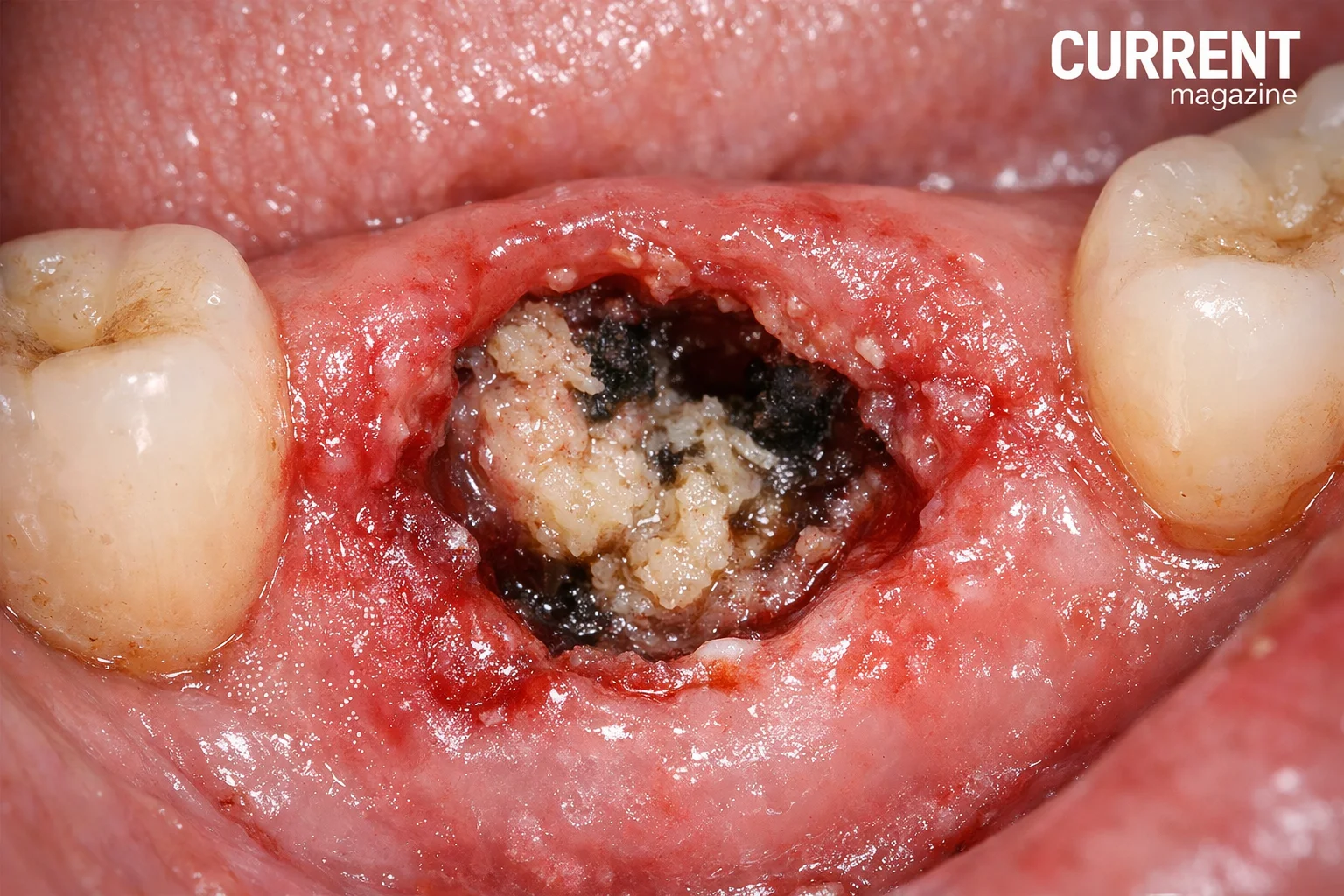
Dry socket (alveolar osteitis) is the most common complication, occurring in roughly 2-5% of all extractions and 20-30% of impacted wisdom teeth removals. Dry socket happens when the blood clot in the socket is lost or doesn’t form properly, exposing bone and nerves. Symptoms typically begin 2-4 days after extraction with severe throbbing pain that often radiates to the ear, bad breath or foul taste, visible bone in the socket, and pain that isn’t adequately controlled by prescribed medication.
Treatment involves the surgeon gently cleaning the socket and packing it with medicated dressing that must be changed every 1-3 days until healing progresses. Recovery from dry socket adds 1-2 weeks to your healing timeline, with intense pain lasting 3-7 days after treatment begins and complete healing taking 2-3 weeks longer than normal. Prevention is far better than treatment, which is why following instructions about not smoking, not using straws, and protecting clots is so important.
Infection can develop if bacteria enter the surgical sites, occurring in approximately 1-5% of wisdom teeth removals. Symptoms include increasing pain after initial improvement (usually around days 3-5), swelling that worsens rather than improves, redness and warmth around surgical sites, pus or foul-smelling discharge, fever above 100.4°F, and difficulty swallowing or breathing in severe cases.
Treatment requires antibiotics and sometimes surgical drainage of abscesses, with recovery adding 7-14 days to normal healing timeline depending on severity. Prevention includes taking prescribed antibiotics as directed, maintaining good oral hygiene, avoiding contamination of surgical sites, and seeking prompt treatment if infection signs appear.
Nerve damage is a rare but serious complication affecting approximately 0.5-5% of wisdom teeth removals depending on tooth position and proximity to nerves. Symptoms include numbness, tingling, or altered sensation in the lip, chin, tongue, or teeth. Most nerve effects are temporary (neuropraxia) and resolve within weeks to months as the nerve heals. Rarely, permanent nerve damage (neurotmesis) can occur.
Recovery timeline for nerve damage varies enormously, with mild cases resolving within 2-4 weeks, moderate cases taking 2-6 months, and severe cases potentially being permanent. Treatment options are limited, mainly involving watchful waiting, vitamin B supplements sometimes recommended, and rarely surgical nerve repair in severe cases.
Sinus communication can occur when upper wisdom teeth are removed, particularly if teeth are close to or penetrating the maxillary sinus. Symptoms include air or liquid passing between mouth and nose, unusual sensations when blowing nose, and potential for sinus infection. Small communications often heal on their own within 2-3 weeks with careful precautions including avoiding blowing your nose, no drinking through straws, no forceful spitting, and sometimes antibiotics.
Larger communications may require surgical closure, extending recovery by 3-4 weeks. Prevention involves the surgeon carefully evaluating X-rays before surgery to identify high-risk cases and using careful surgical technique, sometimes leaving a small piece of root if removing it would definitely create communication.
Planning Time Off Work or School
Understanding the complete timeline for wisdom teeth removal helps you plan appropriately for time off work or school.
Recommended Time Off
The amount of time you should take off depends on several factors including the complexity of your extraction, your type of work or school commitments, how well you typically heal, and your individual pain tolerance.
For simple extractions (1-2 erupted teeth): Many people can return to sedentary work or school within 1-2 days. If possible, schedule the procedure on a Thursday or Friday so you have the weekend to recover. Be prepared to take 2-3 days if you experience more discomfort than expected.
For standard wisdom teeth removal (3-4 teeth, some impacted, typical complexity): Plan for 3-5 days off work or school. Many people feel substantially better by day 3-4 but appreciate having day 5 to ensure they’re truly ready to return. Scheduling surgery on a Thursday gives you Thursday-Sunday (4 days) off before Monday return, or taking Friday off gives you Friday-Sunday (3 days) plus the weekend.
For complex extractions (all four teeth severely impacted, difficult positioning): Plan for 5-7 days off. Some people need the full week, particularly if they develop complications or heal more slowly. If your job involves speaking extensively, physical labor, or customer-facing work, err on the side of more time off.
For physically demanding jobs: If your work involves heavy lifting, strenuous physical activity, or potential for facial impact, you may need 7-10 days off even for standard extractions. Returning to heavy physical work too early can cause bleeding, swelling, and other complications.
For jobs requiring extensive speaking: Teachers, call center workers, sales professionals, and others who must speak extensively may need more time off, as jaw fatigue and discomfort can make prolonged talking difficult for the first few days.
For students: Consider your class schedule when planning surgery. If you have important exams or presentations the week of surgery, reschedule if possible. If you have relatively light class load or online classes, you might manage with less time off. Inform professors of your surgery so they can make accommodations if needed.
Communicating with Employers or School
When requesting time off for wisdom teeth removal, clear communication helps ensure you get the time you need.
For employers: Give as much notice as possible when requesting time off, ideally several weeks. Explain that wisdom teeth removal is a surgical procedure requiring recovery time, not just a simple dental appointment. Provide a letter from your oral surgeon if needed documenting the procedure and recommended recovery time. Discuss whether you can work remotely for a day or two if feeling well enough but not ready for office attendance. Clarify whether you’re using sick time, vacation time, or unpaid leave. Assure them you’ll be back at full capacity after the recovery period.
For schools: Contact professors as soon as you schedule surgery, especially if it conflicts with exams, presentations, or important assignments. Provide documentation from your surgeon if required by school policy. Ask about making up any missed work or exams. See if there are alternative deadlines or formats that could accommodate your recovery. For high school students, parents should communicate with the school about the absence and get homework or assignments to complete during recovery if appropriate.
Making the Most of Recovery Time
Since you’ll need time off anyway, you might as well make your recovery period as comfortable and productive (in a low-key way) as possible.
Entertainment preparation: Download movies, TV shows, or audiobooks before surgery since screen time might be difficult immediately after due to grogginess or difficulty focusing. Have comfortable seating arranged with good support for elevated position. Prepare easy hobbies that don’t require much physical effort or concentration, like puzzles, coloring books, or light reading. If you’re a gamer, have games ready that don’t require intense focus or rapid reactions.
Practical preparation: Prepare or purchase all the soft foods you’ll need for several days before surgery so you’re not trying to grocery shop while recovering. Set up your medication schedule and set reminders. Prepare ice packs and heating pads for swelling management. Have all post-operative supplies ready including gauze, salt for rinses, and any prescribed medications filled and ready. Arrange your recovery space with extra pillows, tissues, and everything you need within easy reach. Have a small cooler or insulated bag next to your recovery spot to keep cold drinks and ice packs handy.
Support arrangements: Ensure someone can stay with you for at least the first 24 hours to help with medication, food, and monitoring. Let friends and family know you won’t be very communicative for a few days. Accept offers of help with meals, errands, or childcare if you have children. Have someone available to drive you to any follow-up appointments if needed.
Special Considerations for Different Scenarios
Some people face unique situations that affect wisdom teeth removal timing and recovery.
Wisdom Teeth Removal During Pregnancy
Wisdom teeth problems during pregnancy present a dilemma since dental surgery is ideally avoided, but serious dental issues can’t always wait.
Timing considerations: If wisdom teeth removal can be safely delayed until after pregnancy, this is usually preferred. If extraction is necessary during pregnancy, the second trimester (weeks 14-20) is generally considered safest. The first trimester should be avoided if possible due to critical fetal development. The third trimester is challenging due to discomfort of lying back for extended periods and increased risk of supine hypotensive syndrome.
Anesthesia considerations: Local anesthesia is generally considered safe during pregnancy and is usually sufficient for simple extractions. IV sedation or general anesthesia is avoided during pregnancy if at all possible. X-rays required for surgical planning use lead apron shielding to protect the fetus.
Medication considerations: Many antibiotics commonly prescribed after wisdom teeth removal are safe during pregnancy, but some are not, so careful medication selection is essential. Pain medication options are limited, as many standard post-surgery pain relievers are contraindicated in pregnancy. Acetaminophen is generally safe, while NSAIDs like ibuprofen should be avoided, especially in the third trimester.
Recovery considerations: Healing may be affected by pregnancy-related changes in hormone levels and immune function. Morning sickness could complicate post-surgery dietary restrictions and medication compliance. Pregnant women should discuss all risks and benefits thoroughly with both their oral surgeon and obstetrician before proceeding.
Wisdom Teeth Removal for Those with Anxiety Disorders
People with dental anxiety, panic disorder, or other anxiety conditions may need special considerations for wisdom teeth removal.
Pre-surgery anxiety management: Ask your surgeon about prescribing anti-anxiety medication to take before the appointment. Consider bringing a support person who can stay with you throughout the pre-operative period. Discuss your anxiety with the surgical team so they can provide extra reassurance and accommodations. Practice relaxation techniques like deep breathing or meditation in the days before surgery. Consider working with a therapist on dental anxiety if it’s severe and you have time before the surgery.
Anesthesia options: IV sedation or general anesthesia might be particularly beneficial for anxious patients since you’ll have little to no memory of the procedure. Nitrous oxide (laughing gas) combined with local anesthesia might help if you’re not comfortable with deeper sedation. Discuss your anxiety concerns during the consultation so the anesthesiologist can plan the most appropriate approach.
Recovery considerations: Have a trusted support person available during recovery as anxiety can be heightened when groggy from anesthesia. Some people experience emotional effects from anesthesia including weepiness or anxiety, which is temporary but should be anticipated. Ensure you understand all post-operative instructions so you’re not anxious about whether you’re doing things correctly. Have the surgeon’s emergency contact number readily available so you can call with concerns rather than suffering through anxiety about whether something is wrong.
Wisdom Teeth Removal with Special Medical Conditions
Various medical conditions require special planning for wisdom teeth removal timing and procedure.
Bleeding disorders: Patients with hemophilia, von Willebrand disease, or those taking blood thinners need careful planning. You may need to stop blood thinners several days before surgery with guidance from your prescribing physician. Factor replacement or other treatments might be necessary before and after surgery. The surgeon may use special hemostatic agents to control bleeding. Hospital setting might be required rather than outpatient office for high-risk patients. Recovery may take longer due to extended bleeding time.
Diabetes: Good blood sugar control before surgery improves healing outcomes, so A1C should be checked and optimized if needed before elective wisdom teeth removal. You’ll need to coordinate insulin or medication adjustments with your endocrinologist for the day of surgery (especially due to fasting requirements). Blood sugar should be monitored more frequently during recovery as the stress of surgery and dietary changes can affect levels. Healing may take longer, so extended recovery time should be planned. Infection risk is higher, making meticulous oral hygiene especially important.
Heart conditions: Patients with certain heart conditions may require antibiotic prophylaxis before dental surgery to prevent endocarditis. You should get cardiac clearance from your cardiologist before wisdom teeth removal for certain conditions. Blood pressure must be well-controlled before surgery. Certain anesthesia types might be preferred or avoided based on your specific heart condition. The surgeon should be informed of all cardiac medications.
Immunosuppression: Patients taking immunosuppressive medications or those with compromised immune systems face higher infection risk. Antibiotic prophylaxis might be more extensive. Healing may take substantially longer. The prescribing physician should be consulted about whether medication adjustments are needed around surgery time. Extra follow-up appointments might be necessary to monitor healing.
10 Frequently Asked Questions About Wisdom Teeth Removal Timeline
How long does the actual wisdom teeth removal surgery take?
The actual surgical procedure for wisdom teeth removal typically takes between 45 minutes to 2 hours, depending on several important factors. If you’re having a single, fully erupted wisdom tooth removed in a straightforward position, the extraction might take only 20-30 minutes from the first injection of anesthesia through final gauze placement. For two to four erupted wisdom teeth with straightforward access, expect 45-60 minutes of surgery time. However, if your wisdom teeth are impacted, meaning they’re partially or fully trapped beneath the gum or embedded in bone, the procedure becomes more complex and time-consuming. Removing four impacted wisdom teeth, especially if they’re positioned at difficult angles or have curved roots near nerves, can take 1.5 to 2 hours or occasionally slightly longer for particularly challenging cases. The surgeon’s experience level, specific tooth anatomy, how much bone must be removed, and whether any complications arise all influence the total procedure time. It’s important to note that this surgical time doesn’t include pre-operative preparation, anesthesia administration and waiting for it to take full effect, or post-operative recovery in the office, so your total time at the oral surgeon’s office will be considerably longer than the surgery itself, typically 3-4 hours total.
When can I go back to work or school after wisdom teeth removal?
When you can return to work or school after wisdom teeth removal depends on the complexity of your extraction, the physical demands of your work or school schedule, and how well you’re healing individually. For simple extractions of one or two erupted teeth, many people feel well enough to return to sedentary work or school within 1-2 days, especially if they schedule surgery on Thursday or Friday to have the weekend for recovery. For the most common scenario of having 3-4 wisdom teeth removed with at least some impaction, most people need 3-5 days off before feeling ready to return to normal activities, with day 3-4 often being the turning point where they feel substantially better. For complex extractions involving all four teeth severely impacted or positioned in difficult ways, plan for 5-7 days off to ensure adequate healing time. If your work involves heavy physical labor, lifting, strenuous activity, or potential for facial impact, you may need 7-10 days off even for standard extractions because returning to demanding physical work too early can cause bleeding, renewed swelling, and other complications. For jobs requiring extensive speaking like teaching, customer service, or sales, you might need a few extra days since jaw fatigue and discomfort can make prolonged talking difficult. Students should consider their exam and assignment schedule when planning surgery, and communicate with professors about accommodations if needed. It’s generally better to take one or two extra days off to ensure you’re truly ready than to return too early and struggle or risk complications.
How long until the swelling goes down after wisdom teeth removal?
Swelling after wisdom teeth removal follows a predictable pattern for most people, though individual variation occurs. Swelling typically begins developing within 2-4 hours after surgery as your body’s inflammatory response activates, and it progressively increases over the first 24-48 hours as inflammation continues building. The peak swelling usually occurs around 48-72 hours (2-3 days) post-surgery, when your face may look noticeably puffy and possibly asymmetric, and bruising if present becomes most visible. After reaching this peak, swelling gradually decreases over days 4-7, with most facial swelling subsiding by the end of the first week for typical cases. By day 7-10, swelling is usually minimal or completely gone for straightforward extractions, though you might have slight residual puffiness for another few days. For more complex extractions involving extensive bone removal or particularly traumatic surgery, swelling might persist longer, potentially taking 10-14 days to completely resolve. You can manage and minimize swelling by using ice packs consistently during the first 24 hours (20 minutes on, 20 minutes off while awake), switching to warm, moist heat after the first 24 hours to promote circulation and healing, keeping your head elevated above your heart even when sleeping, and taking prescribed anti-inflammatory medication as directed. If swelling worsens after initially improving or is accompanied by increasing pain, fever, or other concerning symptoms, contact your surgeon as this could indicate infection or other complications rather than normal post-operative swelling.
When can I eat normal food after wisdom teeth removal?
Your ability to eat normal food after wisdom teeth removal progresses gradually as healing occurs, with the timeline varying based on your specific extraction complexity and healing speed. During the first 24 hours after surgery, you should consume only cool or room-temperature liquids and extremely soft foods that require no chewing, such as water, juice (non-acidic), smoothies consumed from a cup without a straw, yogurt, pudding, applesauce, and perhaps lukewarm (not hot) soup or broth. Days 2-3 allow expansion to a broader range of soft foods including mashed potatoes, scrambled eggs, soft-cooked pasta, oatmeal, soft fish, and other foods that require minimal chewing and won’t disturb the surgical sites. During days 4-7, you can typically add more substantial soft foods like soft sandwiches without hard crusts, well-cooked vegetables, soft fruits like bananas, macaroni and cheese, pancakes, and other foods that are soft but more satisfying than the very limited early diet. By weeks 2-3, most people can return to completely normal diet including all their favorite foods, though some prefer to avoid the very hardest or crunchiest items until week 3 to be safe. Throughout the recovery period, you should avoid hard foods like nuts, hard candy, or chips, crunchy foods like raw vegetables or crackers, sticky foods like caramel or gummy candy, very hot foods or beverages that could disturb healing, small seeds that could lodge in healing sockets, and alcoholic beverages especially while taking pain medication. The key is listening to your body and progressing gradually, not rushing to eat challenging foods before you’re ready even if the timeline suggests you could, since forcing difficult foods too early can damage healing sites or cause complications.
What is dry socket and how long does it delay healing?
Dry socket, medically called alveolar osteitis, is the most common complication after wisdom teeth removal, occurring in approximately 2-5% of all extractions and 20-30% of impacted wisdom teeth removals. It happens when the blood clot that should protect the extraction socket is lost prematurely, becomes dislodged, or fails to form properly, leaving the underlying bone and nerves exposed to air, food, and bacteria. Dry socket typically develops 2-4 days after extraction, with symptoms including severe throbbing pain that’s not adequately controlled by prescribed medication, pain that often radiates to the ear, temple, or neck on the affected side, bad breath or foul taste in your mouth, visible bone in the extraction socket when you look in the mirror, and sometimes a partially or completely empty-looking socket. The pain from dry socket is characteristically more intense than normal post-extraction discomfort and often worsens rather than improving as days pass. If dry socket develops, treatment involves visiting your surgeon to have the socket gently cleaned and packed with medicated dressing that must be changed every 1-3 days until healing progresses adequately. Dry socket adds approximately 1-2 weeks to your normal healing timeline, with intense pain typically lasting 3-7 days after treatment begins and complete healing taking 2-3 weeks longer than a normal extraction would have required. You can prevent dry socket by avoiding smoking or any tobacco use for at least 72 hours before and after surgery, not using straws for at least one week post-surgery, avoiding vigorous rinsing or spitting during the first few days, following all post-operative care instructions carefully, and being gentle with the surgical sites while they’re healing.
How long does numbness last after wisdom teeth removal?
Numbness after wisdom teeth removal exists in two very different categories with dramatically different timelines. First, the normal numbness from local anesthesia used during the procedure typically lasts 2-4 hours after surgery, gradually wearing off as the medication is metabolized by your body. This is expected and normal, and you should avoid eating while still numb to prevent accidentally biting your cheek or tongue. As this normal numbness fades, you’ll begin feeling the surgical sites and may experience increasing discomfort, which is why pain medication should be taken before the anesthesia completely wears off. Second, if a nerve was affected during the extraction (most commonly the inferior alveolar nerve which supplies sensation to the lower lip and chin, or the lingual nerve which supplies sensation to the tongue), you might experience prolonged numbness, tingling, or altered sensation that persists after the normal anesthetic has worn off. This type of nerve-related numbness affects approximately 0.5-5% of wisdom teeth extractions depending on tooth position and proximity to nerves. Most nerve-related sensation changes are temporary, resulting from bruising or swelling around the nerve rather than permanent damage, and these cases typically resolve within 2-8 weeks as inflammation subsides and the nerve recovers. In some cases, sensation gradually returns over 2-6 months as the nerve slowly heals. Rarely, permanent nerve damage can occur resulting in lasting numbness or altered sensation, though this is uncommon and your surgeon takes precautions to minimize this risk by carefully reviewing X-rays and using careful surgical technique. If you’re still experiencing numbness beyond the first day after surgery, contact your surgeon to report it so they can assess whether it’s expected to be temporary or requires further evaluation or treatment.
Can I exercise after wisdom teeth removal and when?
Exercise after wisdom teeth removal must be approached cautiously with a gradual return to full activity to avoid complications that can result from elevated blood pressure and physical exertion. For the first 24 hours after surgery, you should avoid all exercise and physical activity beyond very light walking, as increased blood pressure from exercise can cause renewed bleeding from the surgical sites, and the physical exertion can worsen swelling and discomfort. During days 2-3, light walking is generally acceptable and may even help with overall recovery by promoting circulation, but you should continue avoiding anything more strenuous as you’re still in the critical early healing phase. For days 4-7, you can typically begin introducing light, low-impact exercise such as gentle walking, light stretching, or easy yoga poses, but you should avoid elevated heart rate activities, jumping or jarring movements, lifting more than 10-15 pounds, and bending over repeatedly. By week 2 for simple extractions or weeks 2-3 for more complex procedures, most people can resume moderate exercise including jogging or light running, cycling at moderate intensity, light weightlifting with modest weights, swimming (if cleared by surgeon and incisions are healed), and other activities that elevate heart rate moderately. Full return to unrestricted, vigorous exercise including heavy weightlifting, high-intensity interval training, contact sports, or competitive athletics typically occurs around week 3-4 for most people, though complex extractions might require waiting until week 4-5. Some athletes can return to full training earlier with surgeon approval if healing is progressing exceptionally well. The key is listening to your body and your surgeon’s specific recommendations, stopping immediately if you experience renewed bleeding, increased pain, or increased swelling after exercise, and understanding that being patient with exercise resumption helps prevent complications that could ultimately delay your full recovery more than the temporary break from training.
How long should I take pain medication after wisdom teeth removal?
The duration of pain medication use after wisdom teeth removal varies significantly based on individual pain tolerance, extraction complexity, and healing progression, but there are general patterns most people follow. During the first 24-48 hours, you should take pain medication on a schedule as prescribed rather than waiting until pain becomes severe, which helps maintain consistent pain control and prevents pain from becoming overwhelming. Most people need prescription-strength pain medication (often an opioid like hydrocodone or oxycodone combined with acetaminophen, or alternatively a strong NSAID) during this initial period. For days 2-4, many people find they can begin reducing the frequency of prescription pain medication if pain is improving, possibly switching to alternating prescription medication with over-the-counter options like ibuprofen or acetaminophen to minimize opioid use while still controlling discomfort. For days 4-7, most people with straightforward extractions can transition completely to over-the-counter pain relievers, taking them as needed rather than on a schedule, and finding that they need medication less frequently each day. After one week, most people need pain medication only occasionally if at all, perhaps taking ibuprofen before bed or after meals if experiencing soreness, with many people no longer requiring any pain medication by day 7-10. Complex extractions or people who heal more slowly might need prescription pain medication for 5-7 days and over-the-counter medication for up to 2 weeks. If you’re still experiencing pain severe enough to require regular pain medication beyond 7-10 days, contact your surgeon as this could indicate dry socket, infection, or another complication rather than normal healing. It’s important to take pain medication responsibly, never exceeding recommended doses, not combining medications without surgeon approval, being aware that opioid pain medication can cause constipation and drowsiness, and tapering off prescription pain medication rather than stopping abruptly if you’ve been taking it regularly for several days.
How long do I need to take off from smoking after wisdom teeth removal?
Smoking after wisdom teeth removal is one of the most significant risk factors for complications, particularly dry socket, so abstaining from smoking for as long as possible is crucial for successful healing. The absolute minimum time you should avoid smoking is 72 hours (3 days) after extraction, as this is the most critical period for blood clot formation and early healing, though even this short period significantly reduces risk compared to smoking immediately after surgery. The strongly recommended timeframe is at least 7-10 days of complete tobacco abstinence, which allows the extraction sites to progress through the most vulnerable early healing stages and dramatically reduces your risk of dry socket from approximately 20-30% for smokers who resume quickly to closer to the normal 2-5% rate. The ideal timeframe is 2-4 weeks of not smoking, which allows complete soft tissue healing over the extraction sites and essentially eliminates smoking-related complication risk, and some people use wisdom teeth removal as motivation to quit smoking permanently given the forced break and health benefits. If you absolutely cannot abstain from nicotine, nicotine patches or gum can provide nicotine without the smoking-specific problems, though you should still avoid nicotine gum on the surgical side and these aren’t as ideal as complete abstinence. The specific mechanisms by which smoking interferes with healing include the sucking action of inhaling which can physically dislodge blood clots from sockets, heat from smoke which can damage healing tissues, chemicals in tobacco smoke which impair blood flow and oxygen delivery to healing tissues, and nicotine which constricts blood vessels reducing blood supply to surgical sites. If you do resume smoking against recommendations, at least wait the absolute minimum 72 hours, consider cutting back significantly rather than returning to normal consumption, avoid inhaling forcefully, and be very gentle when smoking to minimize suction. However, understand that any smoking significantly increases your complication risk, and if you develop dry socket or infection related to smoking, the extended healing time and additional pain will far exceed the temporary discomfort of smoking cessation.
How long until the holes from wisdom teeth removal close up?
The holes (extraction sockets) left where wisdom teeth were removed close gradually through a multi-stage healing process that takes from several weeks to several months for complete closure. During the first 24-72 hours, blood clots form in the sockets to protect the underlying bone and provide a foundation for healing, and these clots should not be disturbed as they’re essential for proper healing. Through the first 7-10 days, a layer of granulation tissue (new healing tissue) begins forming over the clots and the surface begins its initial healing, though the sockets are still quite open and visible at this point. During weeks 2-3, soft tissue (gum) begins growing across the socket openings from the edges inward, gradually covering the holes but not yet completely closing them, and you might still see indented areas or small openings. By weeks 3-6, the gum tissue typically completes its surface healing for most straightforward extractions, closing over the socket openings so you can no longer see down into the holes, though the tissue is still maturing and the indented areas remain. Throughout months 2-3, the bone beneath the healed gum tissue fills in the socket spaces where teeth were, a process called ossification that happens beneath the surface where you can’t see it, and the gum tissue fully matures though a slight indentation often remains visible where sockets were located. After 3-6 months, bone healing is essentially complete with mature bone filling the previous socket spaces, and the gums are fully healed though the contour might remain slightly different from before extraction. Some people retain visible indentations where wisdom teeth were removed for years or permanently, which is normal and not problematic. During the healing period, small amounts of food might get caught in the healing sockets, which you can gently rinse out with salt water or irrigate with a syringe if your surgeon provides one, typically starting around day 5-7. The sockets gradually trap less food as they fill in with tissue, and this issue typically resolves by weeks 3-4 for most people.
Conclusion
Understanding how long wisdom teeth removal takes requires examining multiple timeframes that together create the complete picture of this common surgical procedure. The actual extraction surgery typically takes 45 minutes to 2 hours depending on factors like how many teeth are being removed, whether they’re erupted or impacted, how they’re positioned, and the complexity of root structure and bone removal required. However, the surgery itself represents only one portion of your total time commitment.
When you account for arrival and check-in, pre-operative preparation including IV placement, the surgical procedure itself, and post-operative recovery monitoring before you’re released, plan to spend approximately 3-4 hours total at the oral surgeon’s office on the day of your procedure. This extended timeframe allows for proper preparation ensuring you’re ready for anesthesia and surgery, careful surgical technique without rushing, and adequate monitoring as you wake from sedation to ensure you’re safe to leave medical supervision.
Beyond the day of surgery, the healing timeline extends over days, weeks, and even months depending on which aspect of healing we’re measuring. The first 24 hours are critical for blood clot formation and preventing complications, requiring your full attention to post-operative care. Days 2-7 see the most noticeable improvements as pain decreases, swelling subsides, and you gradually return to normal activities and diet. Weeks 2-4 bring continued healing as soft tissue closes over extraction sites and you fully resume your regular routine. Months 2-3 involve complete bone healing occurring beneath the surface, a process you won’t notice but that represents full structural healing.
Individual recovery timelines vary based on numerous factors including your age and overall health, the complexity of your specific extraction, how many teeth are removed, whether complications occur, and crucially, how well you follow post-operative instructions. Younger, healthier patients with straightforward extractions who carefully follow all recommendations typically heal fastest, while older patients, those with complex impacted teeth, or those who smoke or ignore instructions often experience extended recovery.
Planning appropriately for wisdom teeth removal means understanding these multiple timeframes and arranging for adequate time off work or school, proper support during the critical first 24-48 hours, appropriate soft foods for the recovery period, and realistic expectations about when you’ll feel back to normal. Most people need 3-5 days off for standard wisdom teeth removal, though simple cases might require only 1-2 days while complex cases could need a full week or more.
The investment of time required for wisdom teeth removal, while significant, is generally worthwhile given the problems that wisdom teeth can cause if left untreated, including infection, damage to adjacent teeth, cyst formation, crowding, and other complications. Having all problematic wisdom teeth removed in a single surgical session, while requiring one longer recovery period, is generally preferable to multiple separate extractions that would each require recovery time.
For those facing wisdom teeth removal, understanding the complete timeline from consultation through final healing helps reduce anxiety about the unknown, allows proper planning for work and personal commitments, sets realistic expectations about the process, and helps you prepare adequately for each phase. While the prospect of surgery and recovery can seem daunting, millions of people successfully undergo wisdom teeth removal each year, and with proper preparation and care, most experience straightforward healing and quickly return to normal life.
The key takeaways about wisdom teeth removal timeline are simple: the surgery itself takes under 2 hours in most cases but plan for 3-4 hours total at the office; expect to need 3-5 days off work or school for standard cases; understand that feeling “normal” by day 4-7 doesn’t mean you’re fully healed, as complete healing takes weeks to months; follow all post-operative instructions carefully to minimize complications that could extend your recovery; and be patient with the healing process, giving your body the time it needs to properly heal rather than rushing back to normal activities prematurely.
With this comprehensive understanding of wisdom teeth removal timeline, you can approach the procedure with confidence, realistic expectations, and proper preparation, leading to the smoothest possible experience and quickest feasible recovery. While the process requires time investment spanning from initial consultation through complete healing, the relief from wisdom teeth problems and prevention of future complications makes the investment worthwhile for the millions who undergo this common procedure each year.