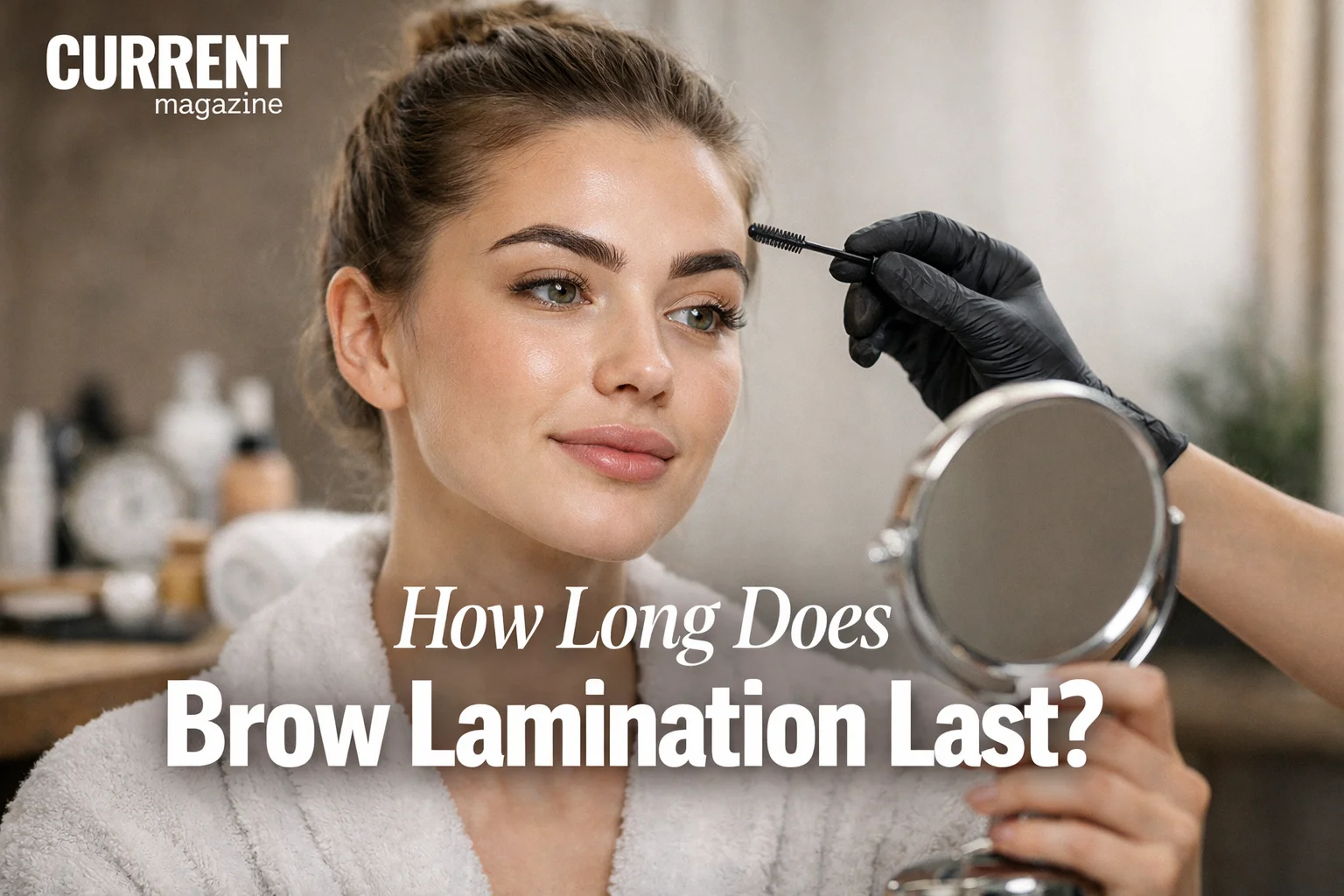
When people search for “how long does brow lamination last”, they’re usually considering getting this trendy eyebrow treatment and want to understand the time commitment and value for their investment. Brow lamination has become one of the most popular beauty treatments in recent years, offering a solution for unruly, sparse, or downward-growing eyebrows by creating fuller, more uniform brows with a lifted, brushed-up appearance that mimics the “feathered brow” look that’s dominated Instagram and TikTok. In this comprehensive guide, we’ll explore exactly how long brow lamination results typically last, what factors influence the longevity of your treatment, how the brow lamination process works and why understanding it helps you maximize results, detailed aftercare instructions that can extend your results significantly, what to expect as your brow lamination fades over time, how often you should get the treatment repeated, cost considerations when planning for regular maintenance, potential risks and how to minimize them, alternatives to brow lamination and how their duration compares, and expert tips from professional brow artists on getting the absolute longest-lasting results from your brow lamination investment.
The Direct Answer: Typical Brow Lamination Duration
For those seeking the straightforward answer before diving into the comprehensive details, brow lamination typically lasts between 4 to 8 weeks, with most people experiencing optimal results for approximately 6 weeks on average. However, this timeframe represents a range rather than a guarantee, as numerous individual factors influence exactly how long your specific results will last.
The variation in duration depends on several key factors that we’ll explore in detail throughout this article. Your natural hair growth cycle plays a significant role, as eyebrow hairs grow and shed on different schedules than scalp hair, with individual brow hairs having a lifespan of about 4 months before naturally falling out and being replaced. The texture and thickness of your natural brow hair affects how well the treatment takes and how long it holds, with coarser, thicker brows often holding the lamination longer than fine, thin brows. Your personal skincare routine and the products you use can either preserve or break down the lamination chemicals prematurely. How well you follow aftercare instructions during the critical first 24-48 hours and throughout the treatment period dramatically impacts longevity. Environmental factors like humidity, sun exposure, and water exposure affect how the treatment holds. The skill and experience of your brow technician matters enormously, as proper technique during application ensures optimal results. The quality of products used in the treatment affects both initial results and long-term duration.
Understanding that brow lamination is a temporary treatment requiring regular maintenance appointments every 6-8 weeks helps you plan and budget appropriately. While 4-8 weeks might seem like a short duration compared to more permanent treatments, many people find the results worth the maintenance commitment, especially compared to the daily time spent filling in, shaping, and setting brows with makeup products. The treatment essentially gives you “ready-made” brows that require minimal daily styling, making your morning routine faster and easier during the treatment’s effective period.
It’s also important to understand that “lasting” doesn’t mean your brows will look exactly the same on day 1 and week 8. The results gradually fade over the treatment period, with brows slowly returning to their natural growth pattern. Most people find that weeks 2-5 represent the peak results when brows look their absolute best, while week 1 might involve some settling and weeks 6-8 show noticeable fading. Understanding this natural progression helps set realistic expectations about when you might want to schedule your next appointment.
Understanding Brow Lamination: What It Is and How It Works
To fully grasp why brow lamination lasts the duration it does, it’s helpful to understand what the treatment actually entails and how it affects your brow hairs at a structural level.
What Is Brow Lamination?
Brow lamination, also called brow lift, brow sculpting, or brow perming, is a semi-permanent treatment that restructures eyebrow hairs to keep them in a desired shape. The treatment essentially gives brows a fuller, more uniform appearance by lifting and setting hairs in an upward direction, creating the trendy “brushed-up” or “feathered” look that’s been popularized by celebrities and beauty influencers.
The procedure works similarly to a lash lift or a traditional hair perm, using chemical solutions to break down the bonds in the hair structure, reshape the hair in the desired direction, and then rebuild those bonds to hold the new shape. However, instead of creating curls as a traditional perm would, brow lamination straightens the hairs and directs them upward and outward to create fullness and lift.
Brow lamination is particularly beneficial for people with unruly brows that grow in different directions, creating a messy or unkempt appearance. It helps those with downward-growing brows that create a droopy or tired look. It works well for people with gaps or sparse areas in their brows, as redirecting surrounding hairs can help cover these spaces. It’s useful for those with stubborn brows that don’t hold their shape with just brow gel or styling products. It benefits people who want to achieve fuller-looking brows without permanent makeup or microblading. And it helps anyone who simply wants to reduce their daily brow maintenance time by having pre-styled brows that require minimal daily touch-up.
The Brow Lamination Process Step-by-Step
Understanding the actual process helps explain why the treatment lasts as long as it does and what you can do to maximize that duration.
Step 1: Consultation and Brow Mapping (5-10 minutes)
Your appointment begins with a consultation where your brow technician examines your natural brow shape, growth pattern, and density. They discuss your desired results and what’s realistically achievable with your brows. They assess any potential contraindications like very damaged or over-processed brows, recent brow treatments, or skin sensitivities. They create a brow map showing the ideal shape for your face, marking where brows should start, arch, and end.
This consultation is crucial because brow lamination can only work with the brows you have; it doesn’t add hair or change the actual shape of your brows, only how the existing hairs lie. Understanding this prevents unrealistic expectations about the results.
Step 2: Cleansing and Preparation (5 minutes)
The technician thoroughly cleanses your brow area to remove any makeup, oils, or skincare products. They may apply a gentle degreasing solution to ensure the brow hairs are completely clean and free of residue. This preparation is essential because any oils or products on the brows can create a barrier preventing the lamination chemicals from penetrating properly, resulting in uneven or weak results that don’t last as long.
Step 3: Application of Lifting Cream (10-15 minutes)
The first chemical solution, often called the lifting cream, perming solution, or step 1, is carefully applied to the brows. This cream contains chemicals (usually thioglycolic acid or similar compounds) that break down the disulfide bonds in the hair’s keratin structure. These are the same bonds that give hair its natural shape and texture.
The technician brushes your brow hairs upward and into the desired direction, using a clean spoolie brush or specialized tool. They may use plastic wrap, silicone rods, or a lamination-specific tool to hold hairs in place. The cream is left on for a specific processing time, typically 8-15 minutes depending on your hair type, texture, and the specific product being used. Coarser, thicker brows need longer processing, while fine, delicate brows need less time. The technician monitors the processing carefully to avoid over-processing which can damage hairs.
This step is critical to the treatment’s longevity. If under-processed, the bonds won’t break down sufficiently and the new shape won’t hold well or long. If over-processed, the hair can become damaged, affecting both the appearance and duration of results.
Step 4: Removal and Neutralizing (10 minutes)
After the appropriate processing time, the lifting cream is carefully removed using damp cotton pads or a gentle cleanser. The technician then applies the neutralizing solution, also called the setting lotion or step 2. This solution (often containing hydrogen peroxide or similar oxidizing agents) rebuilds the broken disulfide bonds in their new configuration, essentially “locking in” the new shape you’ve created.
The neutralizer is left on for approximately 5-10 minutes, typically slightly less time than the lifting cream. This timing is crucial; insufficient neutralizing time means the new bonds won’t properly form and the shape won’t hold, while too much time can cause dryness and damage. After processing, the neutralizer is completely removed with clean water or a gentle cleanser.
Step 5: Nourishing Treatment (5 minutes)
Most professional brow lamination treatments include a nourishing step using a conditioning serum, brow oil, or keratin treatment. These products help replenish moisture and nutrients that may have been stripped during the chemical processing. They can help restore strength and shine to the brow hairs. They provide a protective coating that can help the lamination last longer. They improve the overall health and appearance of the brows.
This nourishing step isn’t just a luxury add-on; it genuinely impacts how long your results last and how healthy your brows remain throughout the treatment period.
Step 6: Optional Tinting (10-15 minutes)
Many people combine brow lamination with brow tinting to enhance the results. The tint adds color to lighter brow hairs, making the brows appear fuller and more defined. It can create more dramatic, noticeable results. Since the hairs are lifted and separated during lamination, tinting can color hairs that might normally be hidden. The tint typically lasts 2-4 weeks, shorter than the lamination itself, so you might need touch-up tinting between lamination appointments.
Tinting is applied after the lamination is complete, as the lamination chemicals can affect tint color if done simultaneously. The tint is left to process for 5-10 minutes then carefully removed.
Step 7: Final Styling and Setting (5 minutes)
The technician applies a final brow gel, wax, or setting product to set the brows in their perfect shape. They shape and define the brows exactly as you should style them daily. They provide instructions on aftercare and daily maintenance. They may take photos showing the before and after results.
The entire brow lamination process typically takes 45-60 minutes for basic lamination, or 60-90 minutes if including tinting and detailed shaping. Understanding this process helps explain why aftercare is so crucial—the chemicals have restructured your hair bonds, and you need to allow them to fully set and stabilize before exposing them to water, heat, or products that could interfere with the process.
The Science of Why It Lasts (and Eventually Fades)
The temporary nature of brow lamination comes down to basic hair biology and chemistry. The treatment restructures existing hairs but doesn’t change the growth process or affect new hairs that grow in. As your brows naturally shed and new hairs grow, these new hairs won’t have been treated and will grow in their natural direction. The chemical bonds that were reformed during the treatment can gradually break down over time due to exposure to water, heat, oils, and daily manipulation. The hair cuticle naturally opens and closes in response to environmental factors, gradually allowing the restructured bonds to shift back toward their original configuration.
Additionally, eyebrow hairs have a much shorter growth cycle than scalp hair. While scalp hair might grow continuously for 2-7 years before entering the resting phase and eventually shedding, eyebrow hairs have a growth phase (anagen) of only about 30-45 days, followed by a transitional phase (catagen) of 2-3 weeks and a resting phase (telogen) of about 4-5 months before the hair sheds and is replaced.
This means that throughout the 6-8 week period after your brow lamination, your brow hairs are naturally progressing through their growth cycles. Some hairs that were laminated will naturally shed and be replaced with new, un-laminated hairs. New hairs will grow in that weren’t present during your treatment. The combination of chemical bond breakdown and natural hair replacement gradually returns your brows to their pre-treatment state, necessitating another appointment to maintain results.
Factors That Influence How Long Your Brow Lamination Lasts
Understanding what affects brow lamination longevity empowers you to take steps that maximize your results and get the best value from your treatment.
Your Natural Hair Characteristics
Your individual hair type, texture, and growth patterns play perhaps the largest role in determining how long brow lamination lasts.
Hair Texture and Thickness:
Coarse, thick brow hairs typically hold lamination very well because the robust hair structure can withstand the chemical processing and maintain the new shape longer. Thick hairs have more keratin bonds to restructure, creating a stronger hold. People with thick, coarse brows often experience the full 6-8 weeks of good results, sometimes even slightly longer. The downside is that very thick, resistant brows might require longer processing time during the initial treatment.
Medium-textured brows, which represent the majority of people, typically achieve the average 5-6 week duration with proper aftercare. These brows respond predictably to the treatment and hold the shape reasonably well without being so delicate that the chemicals cause damage.
Fine, thin brow hairs are more delicate and can be more susceptible to damage from the lamination chemicals, requiring careful processing to avoid over-treatment. Paradoxically, very fine hairs sometimes don’t hold the lamination as long because they lack the structural strength of thicker hairs, potentially fading more quickly toward the 4-5 week range. However, when done correctly by an experienced technician who adjusts processing time for fine hair, even thin brows can achieve 5-6 weeks of results.
Hair Density:
Sparse brows with fewer hairs mean each individual hair bears more responsibility for creating the overall brow appearance. If some laminated hairs shed during the treatment period, it’s more noticeable in sparse brows than dense ones. Dense, full brows have more “backup” hairs, so natural shedding throughout the treatment period is less noticeable and results appear more consistent.
Natural Growth Direction:
Brows that grow strongly downward or in stubborn, multiple directions are fighting against their nature when laminated upward. While the treatment can absolutely redirect them, they may have a stronger tendency to gradually return to their natural pattern, potentially shortening the effective duration slightly. Brows that naturally grow mostly upward or straight already require less dramatic restructuring, so the treatment might hold slightly longer since it’s working with rather than against the natural growth pattern.
Hair Health:
Previously damaged brows from over-plucking, excessive tweezing, or previous chemical treatments (like old lamination or tinting) might not hold the new lamination as well. Damaged hair has compromised keratin structure, giving the chemicals less intact material to work with. Healthy, virgin brows (never previously chemically treated) typically respond best to lamination and hold results longest. Maintaining overall brow health through proper nutrition, gentle handling, and conditioning treatments supports longer-lasting lamination results.
Aftercare Compliance
How well you follow aftercare instructions, especially during the critical first 24-48 hours, dramatically impacts your results’ longevity. This is perhaps the most controllable factor affecting duration.
The Critical First 24-48 Hours:
During the first 24-48 hours after brow lamination, the restructured bonds in your brow hairs are still settling and stabilizing. During this critical window, you must keep your brows completely dry, avoiding water, steam, sweat, or any moisture exposure. You should not apply any products to your brows including makeup, skincare, oils, or brow products. You must avoid touching, rubbing, or sleeping on your brows which could shift hairs out of position before they’re fully set. You should avoid excessive heat including saunas, hot yoga, very hot showers, or direct sun exposure. You shouldn’t engage in activities that cause sweating like intense workouts.
Many people underestimate how crucial these first 48 hours are. Even getting your brows wet once during this period, or applying makeup to them, can significantly compromise the treatment, potentially reducing your results’ duration by a week or more. The chemicals need this undisturbed time to complete their work and fully lock in the new shape.
Ongoing Aftercare Throughout Treatment Period:
After the first 48 hours, continued good aftercare supports longevity. Using a nourishing brow oil or serum daily helps keep hairs conditioned and may help maintain the restructured bonds. Brushing your brows daily with a clean spoolie in the laminated direction reinforces the shape and keeps hairs trained in the right direction. Being gentle when cleansing your face, avoiding harsh rubbing on the brow area and using gentle, oil-free cleansers helps preserve the treatment. Minimizing heavy oil-based products near your brows prevents breakdown of the lamination chemicals. Avoiding excessive heat and steam when possible, like very hot showers or regular sauna use, helps maintain results.
Common Aftercare Mistakes:
Several common mistakes can shorten your brow lamination’s lifespan. Using oil-based makeup removers or cleansers directly on brows breaks down the chemical bonds prematurely. Aggressive cleansing or exfoliation on or near the brow area can disrupt the hair structure. Sleeping with your face pressed into your pillow can shift brow hairs out of position over time. Applying heavy skincare products (like retinol, acids, or rich creams) directly on or near brows can affect the treatment. Not using any conditioning products leaves brows dry and brittle, making them more prone to breaking or losing their shape.
Product Quality and Technician Skill
The quality of products used during your treatment and the skill level of your brow technician are crucial factors you should consider when choosing where to get your brow lamination.
Professional vs. Budget Products:
High-quality professional brow lamination products from reputable brands typically contain better-formulated chemicals that effectively restructure hair bonds while minimizing damage. They often include conditioning agents and protective ingredients that support hair health. They produce more consistent, predictable results. These professional products generally support longer-lasting results, often enabling the full 6-8 week duration.
Budget or lower-quality products might save the salon money but can result in shorter-lasting results, potentially fading by week 4-5. They may be harsher on hair, causing damage that affects both appearance and duration. They might produce inconsistent results where some areas hold well while others fade quickly.
When choosing a salon or technician, it’s worth asking what products they use. Names like Elleebana, Brow Code, Nouveau Lashes, and similar established brands are generally good indicators of quality products.
Technician Experience and Technique:
An experienced brow technician who has performed hundreds of laminations understands how to assess your specific hair type and adjust processing times accordingly. They know how to properly brush and set hairs for optimal results. They apply products evenly and thoroughly for consistent results across the entire brow. They can troubleshoot issues during the process. They provide excellent aftercare education.
Inexperienced technicians might under-process brows (not leaving chemicals on long enough), resulting in weak results that don’t last. They might over-process brows, causing damage that makes results look poor and fade quickly. They might apply products unevenly, creating patchy results where some areas last while others don’t. They might not properly educate clients on aftercare, leading to premature fading.
Don’t choose your brow lamination provider based solely on price. A more expensive treatment using quality products and performed by an experienced technician will likely last longer and look better, ultimately providing better value than a cheap treatment that fades quickly or looks poor.
Lifestyle and Environmental Factors
Your daily habits and environment significantly impact brow lamination longevity.
Water and Moisture Exposure:
Frequent swimming, especially in chlorinated pools, can break down the lamination chemicals faster and dry out brow hairs, shortening the treatment’s lifespan. Regular swimming might reduce duration to 4-5 weeks instead of 6-8. Daily hot, steamy showers directly on the face can gradually relax the restructured bonds. Humid climates can affect how well the lamination holds, as constant moisture in the air can impact the hair structure. Living in a very dry climate can dehydrate brow hairs, making them brittle and less able to hold their shape.
People who swim regularly, do hot yoga frequently, or live in very humid environments might find their brow lamination fades toward the shorter end of the 4-8 week range even with good aftercare.
Skincare Routine:
Oil-based cleansers used daily on the face, if they contact the brows regularly, can gradually break down the lamination chemicals. Active ingredients like retinol, AHAs, BHAs, and vitamin C, especially when applied near or on the brows, can affect the treatment’s longevity. Heavy moisturizers, sunscreens, or serums applied to or near the brows might interfere with the lamination. Frequent chemical exfoliation near the brow area can impact results.
To maximize lamination duration, be mindful of keeping skincare products away from your brows when possible, or choose water-based, gentle formulas for the eye area.
Physical Activity and Sweat:
Regular intense exercise that produces heavy sweating, especially during the first week after treatment, can affect how well results set and hold. The salt in sweat can be drying to brow hairs. Activities where you wipe your face frequently during workouts can disturb brow hairs.
Athletes or very active individuals might experience slightly shorter lamination duration, though this can be minimized with proper aftercare and perhaps scheduling treatments during lighter training periods.
Sun Exposure:
Excessive sun exposure can dry out and damage brow hairs just like it does scalp hair. UV rays can break down the chemical bonds over time. Sun damage to the delicate brow area skin might affect overall brow health. People who spend a lot of time outdoors without protection might find their lamination fades slightly faster.
Sleep Position:
Consistently sleeping with your face pressed into your pillow, particularly on one side, can gradually shift laminated brow hairs out of position over weeks. The pressure and friction can work against the set shape. People who sleep on their backs might find their lamination lasts slightly longer than dedicated side or stomach sleepers, though this is a minor factor compared to others.
Maintenance and Touch-Ups
How you maintain your brows between professional treatments affects both appearance and the need for the next treatment.
Daily Brushing:
Brushing your brows daily with a clean spoolie brush in the laminated direction (typically upward and slightly outward) helps reinforce the shape, trains hairs to grow in the desired direction over time, distributes natural oils for healthy-looking brows, and can help lamination appear fresher longer by maintaining the intended shape.
This simple daily habit, taking just 5-10 seconds, can noticeably extend how long your brows look good.
Brow Gels and Setting Products:
Using a clear or tinted brow gel can add extra hold to your laminated brows, potentially making them look fresh longer. Lightweight gels provide hold without weighing down delicate laminated hairs. However, some formulas can build up on brows over time, so ensure you’re properly cleansing daily.
Conditioning Treatments:
Regularly applying nourishing brow oils, serums, or conditioners keeps laminated hairs healthy, flexible, and strong. Healthy hairs maintain their laminated shape better than dry, brittle ones. Products containing castor oil, argan oil, vitamin E, or peptides can support brow health. Apply these in the evening before bed for best results, gently brushing them through your brows.
What to Expect: The Brow Lamination Timeline
Understanding how your brow lamination will progress over its lifespan helps you know what’s normal and when to schedule your next appointment.
Week 1: Settling and Initial Results
During the first week after your brow lamination, your results are settling and you’re seeing what your brows will actually look like.
Days 1-2 (The Critical Period): Your brows might look slightly stiff or overly perfect immediately after treatment. Some redness or slight sensitivity around the brow area is normal from the chemical processing and brushing. You must follow strict aftercare: no water, no products, no touching. The restructured bonds are stabilizing during this time. Some people notice their brows feel slightly different to the touch, firmer or more “set” than usual.
Days 3-7 (Breaking In Period): After the initial 48-hour critical period, you can resume normal cleansing and product use (gentle products recommended). Your brows will start to “relax” slightly from their immediately-post-treatment appearance, typically looking more natural and less stiff. This is completely normal and doesn’t mean your treatment is failing. You’re learning how your laminated brows behave and how to style them. You can start using brow makeup if desired, though many people find they need less than usual. Some minor uneven-ness or a few hairs not perfectly aligned are normal and can be gently brushed into place.
During this first week, it’s common to feel like the results are almost “too perfect” or “too much” for the first few days, then to worry that they’re fading as they relax into a more natural appearance. This relaxation is normal and actually results in better, more natural-looking brows than the initial stark appearance.
Weeks 2-4: Peak Results
This period represents the sweet spot where most people feel their brow lamination looks absolutely its best.
Week 2: Your brows have fully settled into their new shape. The restructured bonds are stable and holding well. Styling is effortless—usually just a quick brush through with a spoolie, maybe a touch of brow gel. Your brows should look consistently good throughout the day without needing touch-ups. You’ve established a routine for daily maintenance. The treatment is noticeably making your morning routine faster.
Week 3: Results remain strong with excellent hold and shape. Your brows still look freshly done with minimal effort. You might notice a few new, un-laminated hairs growing in, but they’re easily blended with the overall brow shape. Any initial redness or sensitivity has completely resolved. You’re probably getting lots of compliments and possibly recommending the treatment to friends.
Week 4: For many people, week 4 still represents fantastic results, though you might start noticing very subtle changes. The most dramatic lift might be relaxing very slightly, though results are still excellent. A few more new hairs have grown in their natural direction, but overall shape is maintained. You might need slightly more brow gel or styling product than in weeks 2-3 to maintain the look throughout the day. Brows might require an extra 5-10 seconds of styling in the morning.
During weeks 2-4, most people feel that brow lamination is absolutely worth it, as their brows look amazing with minimal effort.
Weeks 5-6: Good Results with Gradual Fading
As you enter weeks 5-6, your brow lamination is definitely still working, but you’ll notice gradual changes.
Week 5: The lamination is noticeably fading but still providing benefit. Your brows still have more lift and shape than they did pre-treatment. Some areas might be holding better than others, creating slight unevenness. More new, un-laminated hairs have grown in. You need more effort to style your brows than during peak weeks, perhaps requiring brow gel and 15-20 seconds of styling instead of just a quick brush. Some hairs might be starting to return toward their natural growth direction. Despite the fading, your brows likely still look better than they did before lamination.
Week 6: For many people, week 6 represents the end of really satisfactory results, though brows aren’t back to pre-treatment state yet. The lift has relaxed significantly, though some effect remains. You might notice the tail ends of your brows returning to their original direction first, or areas that were most resistant to lamination reverting fastest. Styling requires more product and time, approaching what you used to spend daily. Some people start feeling ready for their next appointment around this time.
If you have an important event or want to ensure your brows look their absolute best, week 6 is probably when you’d want to schedule your next lamination appointment so you’re at peak results for your event.
Weeks 7-8: Definite Fading but Not Gone
By weeks 7-8, your brow lamination is definitely past its prime, though you might still see some residual effects.
Week 7: The majority of the lamination effect has faded. Your brows are mostly back to their natural growth pattern, though they might still be slightly better than pre-treatment. New hair growth throughout the treatment period means a significant portion of your brows are now un-laminated hairs. Styling requires nearly as much time and product as before lamination. However, some people feel their brows actually look slightly better than original even at this stage, possibly because the weeks of being trained upward have influenced how some hairs naturally lie, or because regular conditioning has improved overall brow health.
Week 8: By week 8, most people consider their brow lamination essentially over. Results are minimal compared to peak weeks. You’re back to your normal brow styling routine. Your brows have largely returned to their pre-treatment state. This is the absolute maximum you’d want to wait before re-treatment.
Some people with particularly strong results or excellent aftercare might still see slight benefits at week 8, but this is the outer limit of the typical 4-8 week range.
When to Book Your Next Appointment
Based on this timeline, when should you schedule your next brow lamination?
For maximum freshness and to always look your best, book your next appointment at the 5-6 week mark. This ensures you’re never experiencing the faded stage and your brows always look fantastic. This schedule is ideal for people with special events, professional appearances, or who simply want to always look polished.
For standard maintenance balancing results and budget, book at the 6-7 week mark. This gives you good results for most of the period while allowing a week or so of fading before re-treatment. This represents the sweet spot for most people between cost-effectiveness and consistent results.
For maximum value and budget consciousness, you can stretch to 7-8 weeks between appointments. You’ll experience more fading toward the end of each cycle, but you’re maximizing the time between treatments. This works well for people with naturally good brows that only need enhancement rather than major correction.
Booking your next appointment before you leave your current one is smart scheduling that ensures you get your preferred date and time, creates accountability to maintain regular treatments, and often allows you to take advantage of any multi-appointment discounts or package deals salons might offer.
Maximizing Your Brow Lamination Longevity: Expert Tips
Professional brow artists and experienced clients have discovered numerous strategies for extending brow lamination results as long as possible.
Pre-Treatment Preparation
What you do before your brow lamination appointment can affect the results’ duration.
Grow Out Your Brows: If you’ve been tweezing or waxing your brows into a specific shape, consider growing them out for 2-4 weeks before lamination. More hair gives you more material to work with and better overall results. Longer hairs can be more effectively lifted and set. Dense brows produce more dramatic, longer-lasting results. Even if you have areas you normally tweeze between brows or under the arch, letting these grow can give you better overall shape to work with.
Optimize Brow Health: In the weeks before your appointment, focus on brow health by using a brow serum or growth treatment to strengthen hairs. Gently brush your brows daily to stimulate blood flow and train growth direction. Keep brows conditioned with natural oils like castor or argan oil. Ensure good nutrition including protein, biotin, and vitamins that support hair health. Avoid over-processing or damaging brows with harsh products or excessive tweezing.
Schedule Strategically: If possible, schedule your appointment when you won’t be swimming, doing hot yoga, or engaging in heavy sweating activities for several days afterward. Plan around your menstrual cycle if you notice hormonal fluctuations affect your skin sensitivity or hair texture. Consider timing it before events or seasons when you want your brows to look particularly good. Schedule at a time when you can commit to proper aftercare rather than when you’re traveling or have disruptive plans.
Communicate Clearly: Bring reference photos showing the brow look you want to achieve. Discuss your daily routine, including exercise, skincare, and styling habits that might affect results. Mention any previous brow treatments or sensitivities. Ask about the products being used and expected results for your specific brow type. Inquire about aftercare requirements specific to your lifestyle.
Perfect Aftercare Execution
Since aftercare is one of the most controllable factors affecting duration, perfect execution during and after the critical 48-hour period is essential.
The 48-Hour Rules (No Exceptions):
Absolutely no water on your brows, which means washing your face carefully around them, using dry shampoo or showering with your face out of the water stream, and using cleansing wipes or cotton pads for the rest of your face. Zero products on or near brows including makeup, skincare, serums, moisturizers, or anything else. No touching, rubbing, or pressing on brows, which means being conscious of how you sleep and avoiding resting your head in your hands. No steam or heat including hot showers, saunas, hot yoga, or steam rooms. No sweating from exercise or hot environments.
Set phone reminders for these 48 hours to keep the rules front of mind. The temptation to “just quickly” wash your face normally or apply your usual skincare can be strong, but resisting is crucial.
Post-48-Hour Ongoing Care:
Use a nourishing brow oil or serum every evening, applying a small amount and gently brushing through with a clean spoolie. Brush your brows daily in the laminated direction (typically upward and outward) using a clean, dry spoolie, preferably morning and evening. Be gentle when cleansing your face, using light pressure around the brow area and patting dry rather than rubbing. Choose water-based rather than oil-based products for the eye and brow area. Use a lightweight brow gel if desired for extra hold, but ensure you’re still cleansing daily to prevent product buildup.
Products to Avoid:
Oil-based makeup removers or cleansers directly on brows will break down the treatment prematurely. Heavy oils or balms on or near brows can compromise the lamination chemicals. Retinol, acids (AHA, BHA), or vitamin C applied to or near the brow area can affect treatment longevity. Waterproof makeup on brows that requires aggressive removal can damage results. Exfoliating scrubs or tools on or near brows can disrupt the hair structure.
Products That Help:
Lightweight, nourishing brow oils with ingredients like castor oil, argan oil, or vitamin E support hair health. Clear or tinted brow gels with flexible (not stiff) hold maintain shape. Gentle, pH-balanced face cleansers that won’t disrupt the hair structure are ideal. Brow serums with peptides or growth-supporting ingredients can strengthen hairs.
Lifestyle Adjustments
Small lifestyle modifications can significantly extend your results.
Modify Your Sleep Position: If you’re a side or stomach sleeper, try to sleep on your back, or at least alternate sides rather than always sleeping on one side. Use a silk or satin pillowcase which creates less friction on brows than cotton. Position your head so your face isn’t pressed directly into the pillow.
Adjust Your Skincare Routine: Apply skincare carefully, stopping just below your brows rather than up to and over them. Use a separate, gentle eye cream that won’t migrate to your brows. Consider using different products on your forehead and lower face, keeping stronger actives away from the brow area. Apply products with clean hands or tools to avoid transferring oils to your brows.
Manage Water Exposure: If you swim regularly, wear a swim cap or try to keep your face out of the water when possible. Rinse your face with clean water immediately after swimming to remove chlorine or salt water. Apply a protective brow serum before swimming to create a barrier. If you do hot yoga, place your mat away from direct heat sources and consider taking a brief break during the hottest parts of class.
Exercise Modifications: During the first week after treatment, stick to lower-intensity workouts that don’t produce heavy sweating. Use a sweatband or towel to keep sweat away from your brows during intense exercise. Avoid hot workout environments during the first few days post-treatment. Post-workout, gently pat (don’t rub) your face dry.
Professional Maintenance
Working with your brow technician to optimize results includes these strategies.
Choose Quality Over Price: Invest in treatments from experienced technicians using professional-grade products. The cost difference between a budget treatment and a quality one might be $20-40, but quality treatments can last 2-3 weeks longer, actually making them more cost-effective. A $60 treatment lasting 7 weeks offers better value than a $40 treatment lasting 4 weeks.
Develop a Relationship: Find a technician you trust and stick with them so they learn your brows and can refine techniques for your specific needs. Consistent results improve as your tech becomes familiar with your hair type and preferences. They can track what works best for your brows and adjust accordingly. Regular appointments allow them to monitor overall brow health and catch any issues early.
Ask Questions: Don’t hesitate to ask your technician about specific aftercare for your hair type, products they recommend for home use, what to do if you notice fading, whether your lifestyle requires any special considerations, and when they recommend your next appointment based on your specific results.
Consider Add-On Treatments: Many salons offer keratin treatments or protein conditioning add-ons to brow lamination that can strengthen hair and potentially extend results. Brow tinting combined with lamination creates more dramatic results that some people feel last longer visually even if the actual lamination duration is the same. Proper brow shaping/waxing in combination with lamination can enhance overall results.
Don’t Over-Process: While you want regular appointments to maintain results, constantly re-laminating brows without giving them recovery time can lead to damage and actually shorten how long treatments last. Most technicians recommend a minimum of 4 weeks between treatments, with 6-8 weeks being ideal. If your brows show signs of damage like breakage, dryness, or thinning, you might need to extend time between treatments or take a break to let your brows recover.
Cost Considerations for Regular Brow Lamination
Since brow lamination requires regular maintenance to maintain results, understanding the cost implications helps you budget appropriately.
Average Treatment Costs
Brow lamination pricing varies significantly based on location, technician experience, and what’s included in the treatment.
Basic Brow Lamination: In small towns or lower cost-of-living areas, expect $40-60 for basic lamination. In major cities or high cost-of-living areas, prices range from $60-100. High-end salons or celebrity technicians may charge $100-150 or more. These prices typically include consultation, the lamination treatment, and basic aftercare instructions.
Lamination with Tinting: Adding brow tinting to lamination usually costs an additional $15-30. Some salons offer package pricing for combined services. The combined treatment is usually less than booking each service separately.
Premium Packages: Some salons offer premium treatments including lamination, tinting, shaping/waxing, and conditioning treatments. These packages range from $100-200 depending on location and what’s included. They often provide better overall results and value compared to basic lamination alone.
Annual Cost Calculations
To understand the true financial commitment, calculate annual costs based on your maintenance schedule.
Every 5-6 weeks (approximately 9 appointments per year): At $60 per appointment = $540 per year. At $80 per appointment = $720 per year. At $100 per appointment = $900 per year.
Every 6-7 weeks (approximately 8 appointments per year): At $60 per appointment = $480 per year. At $80 per appointment = $640 per year. At $100 per appointment = $800 per year.
Every 7-8 weeks (approximately 7 appointments per year): At $60 per appointment = $420 per year. At $80 per appointment = $560 per year. At $100 per appointment = $700 per year.
These calculations help you determine if brow lamination fits your beauty budget and how it compares to other brow maintenance options.
Value Analysis
Is brow lamination worth the cost? Consider these factors:
Time Savings: If you spend 5-10 minutes daily filling in, shaping, and setting your brows, that’s 35-70 minutes per week or 30-60 hours per year. Brow lamination reduces this to perhaps 30 seconds daily or 3-4 hours per year. For many people, saving 25-55 hours annually is worth the cost.
Product Savings: Consider what you spend on brow products like pencils, powders, gels, and pomades that you might use less of or eliminate entirely with lamination. You might save $50-150 annually on products you no longer need as much.
Comparison to Alternatives: Compared to microblading ($400-800 initially, $100-300 touch-ups every 1-2 years), brow lamination is more affordable but requires more frequent maintenance. Compared to daily makeup ($100-200 annually on products plus time), lamination might be comparable in cost but saves significant time. Compared to brow lifts or other semi-permanent treatments, lamination is less invasive and more affordable.
Confidence and Convenience: The intangible benefits of having consistently good brows without daily effort, feeling confident that your brows look great throughout the day, and simplifying your morning routine have value that’s personal to each individual.
Cost-Saving Strategies
If you love brow lamination but want to manage costs:
Look for New Client Specials: Many salons offer discounted first treatments to attract new clients. This can save $10-30 on your initial appointment.
Multi-Appointment Packages: Some salons offer package deals like “buy 3 treatments, get 1 free” or discounted rates when you pre-pay for multiple appointments. This can save 15-25% overall.
Training Salons: Beauty schools or salons with training programs often offer discounted services performed by supervised trainees. Treatments might cost 30-50% less than regular prices. Results may be less consistent but can be good value if you’re comfortable with a trainee.
Stretch Your Appointments: Maximize time between treatments with excellent aftercare, potentially reducing from 9 appointments to 7 annually saves $120-200 per year. This only works if you maintain results well and don’t mind slight fading toward the end of each cycle.
Skip the Add-Ons: If budget is tight, stick to basic lamination without tinting or other services. You can tint your brows at home between appointments if desired. This saves $15-30 per appointment.
Seasonal Approach: Some people only maintain regular brow lamination during parts of the year when they want to look their best (wedding season, summer, etc.) and let their brows be natural other times. This significantly reduces annual costs while still providing benefits when most wanted.
Potential Risks and How They Affect Duration
While brow lamination is generally safe when performed correctly, certain risks can affect both your results’ appearance and longevity.
Over-Processing and Damage
Over-processing occurs when the chemical solutions are left on too long or are too strong for your hair type.
Signs of Over-Processing: Brows that feel dry, brittle, or straw-like after treatment indicate damage. Excessive frizziness or unnatural texture suggests over-processing. Hair breakage or hairs that snap easily show the structure has been compromised. Brows that look dull rather than shiny and healthy have been damaged. In severe cases, actual hair loss can occur.
Impact on Duration: Damaged brows don’t hold lamination as well, often fading quickly within 3-4 weeks. The compromised hair structure can’t maintain the restructured bonds effectively. Damaged hairs are more prone to breakage, reducing overall brow density during the treatment period. Future treatments on damaged brows will also be less effective.
Prevention: Choose experienced technicians who understand processing times for different hair types. Communicate if you have fine or previously processed brows that need shorter processing. If at any point during treatment you feel burning or extreme discomfort, speak up immediately. Space out treatments adequately (at least 4-6 weeks) to let brows recover between sessions.
Treatment: If you suspect over-processing, use intensive conditioning treatments like hair masks adapted for brows. Apply nourishing oils like castor or argan oil daily. Avoid any further chemical treatments including tinting until brows recover. Consider taking a break from lamination for 2-3 months to let brows fully recover. In severe cases, consult a dermatologist or trichologist.
Allergic Reactions
Some people experience allergic reactions to the chemicals used in brow lamination.
Signs of Allergic Reaction: Immediate symptoms include severe redness, itching, or burning during or right after treatment. Delayed reactions might show swelling around the brows, rash or hives on the brow area or face, and excessive flaking or peeling. Severe reactions could involve difficulty breathing, facial swelling beyond the brow area, or intense pain.
Impact on Duration: If you have a reaction, the treatment may need to be removed immediately, resulting in no results at all. Even mild reactions can compromise how well the treatment sets, leading to poor or short-lived results. Irritated skin may require treatment that interferes with the lamination chemicals.
Prevention: Always have a patch test 24-48 hours before your first lamination treatment, where a small amount of the chemicals is applied to your skin to check for reactions. Inform your technician of any known allergies, especially to hair products, perming solutions, or thioglycolate. If you have sensitive skin or a history of reactions to cosmetic treatments, discuss this before proceeding.
Treatment: For mild reactions, cool compresses, gentle cleansing, and over-the-counter antihistamines may help. For moderate to severe reactions, seek medical attention immediately. Discontinue use of any products on the affected area. Future brow lamination may not be suitable if you’ve had a reaction.
Uneven Results
Sometimes lamination doesn’t process evenly across both brows or within a single brow.
Causes: Uneven application of chemicals can leave some areas under-processed and others over-processed. Natural variation in hair texture across your brows might cause differential processing. One brow having coarser hair than the other can lead to uneven results. Disruption during processing, like accidentally rubbing one brow, can affect results. Previous damage in certain areas might prevent even results.
Impact on Duration: Properly processed areas might last the full 6-8 weeks while under-processed areas fade within 3-4 weeks, creating increasing asymmetry over time. This can be frustrating and may necessitate earlier re-treatment.
Prevention: Choose experienced technicians who apply products carefully and evenly. Communicate if you know one brow behaves differently than the other. Follow all instructions during processing, remaining still and avoiding touching your brows.
Resolution: If you notice significant unevenness, contact your technician soon after treatment. Many salons offer complimentary touch-ups within a week or two if results are unsatisfactory. For future treatments, the technician can adjust processing times for different areas of your brows.
Infection (Rare)
While rare, bacterial or fungal infections can occur if tools aren’t properly sanitized or if aftercare is poor.
Signs: Increasing redness, swelling, or pain after the first day or two suggests possible infection. Pus or unusual discharge from the brow area is concerning. Fever or feeling generally unwell could indicate systemic infection. Crusty or weeping skin around the brows needs attention.
Prevention: Choose salons that follow strict sanitation protocols. Ensure technicians use clean spoolies and tools for each client. Follow all aftercare instructions, especially regarding keeping the area clean. Avoid touching your brows with dirty hands. Don’t apply makeup or products from contaminated containers.
Treatment: Seek medical attention promptly if you suspect infection. Topical or oral antibiotics may be necessary. Keep the area clean but avoid over-washing which can irritate further. Future treatments should be postponed until the infection fully resolves and you’ve been cleared by a medical professional.
Brow Lamination vs. Alternatives: Duration Comparison
Understanding how brow lamination’s duration compares to other brow enhancement options helps you choose the right treatment for your needs.
Brow Tinting
What It Is: Brow tinting uses semi-permanent dye to darken and define brow hairs, making them more visible and creating the appearance of fuller brows.
Duration: Brow tinting typically lasts 2-4 weeks, significantly shorter than lamination. The tint gradually fades with washing and natural skin cell turnover. Oilier skin tends to cause faster fading.
Comparison: Tinting addresses color and visibility but doesn’t change shape or direction of growth like lamination does. Many people combine tinting with lamination for comprehensive results. Tinting alone costs less ($20-40) and requires less aftercare but needs more frequent maintenance.
Best For: People whose brows grow in a good shape but are too light in color. Those who want a more affordable, lower-commitment option. People with lighter hair who want definition without makeup.
Microblading
What It Is: Microblading is a semi-permanent tattooing technique where pigment is manually deposited into the skin to create hair-like strokes that mimic natural brow hairs.
Duration: Microblading typically lasts 1-3 years before requiring significant touch-ups, making it much longer-lasting than lamination. The pigment gradually fades due to skin cell turnover and sun exposure. Most people need annual or semi-annual touch-ups to maintain results.
Comparison: Microblading adds actual hair-like strokes where you have gaps or want more density, while lamination only works with existing hairs. Microblading requires a higher initial investment ($400-800 typically) but needs less frequent maintenance. Microblading is more invasive with a longer healing period (7-14 days) compared to lamination’s 2 days. Results are more permanent, which is good if you love them but problematic if you don’t.
Best For: People with sparse brows, significant gaps, or very thin brows where lamination wouldn’t have enough hair to work with. Those wanting a longer-term solution and willing to invest more upfront. People who want to essentially eliminate daily brow maintenance for extended periods.
Powder Brows/Ombre Brows
What It Is: This tattooing technique creates a soft, powdered makeup effect rather than hair-like strokes, similar to filled-in brows.
Duration: Like microblading, powder brows last 1-3 years with annual touch-ups typically needed. They often last longer than microblading because the technique doesn’t rely on fine lines that blur over time.
Comparison: Creates a fuller, more dramatic look than either microblading or lamination. Requires similar initial investment and commitment as microblading. Has a longer healing process than lamination. Provides the appearance of filled-in brows without daily makeup application.
Best For: People who like the look of filled-in brows with makeup and want to make it permanent. Those with very sparse brows or significant asymmetry. People who want bold, defined brows without daily effort.
Brow Extensions
What It Is: Individual synthetic fibers are attached to existing brow hairs using adhesive, similar to eyelash extensions, to add length and fullness.
Duration: Brow extensions typically last 2-4 weeks before needing fills or complete replacement. They shed along with your natural brow hair cycle.
Comparison: Extensions actually add hair where you don’t have it, unlike lamination which only works with existing hair. They require more careful maintenance and more restrictions on products and activities. They tend to be more expensive initially and for maintenance ($75-150 per appointment). Results are more dramatic and customizable than lamination.
Best For: People with very sparse brows who want temporary fullness for special occasions or events. Those who want to try a fuller brow look before committing to permanent makeup. People with gaps from over-plucking who are growing brows back but want fullness in the meantime.
Soap Brows (DIY Lamination)
What It Is: Using bar soap and water to brush and set brow hairs upward, creating a laminated look without chemicals.
Duration: Soap brows last only until you wash your face or sleep, essentially requiring daily application like makeup.
Comparison: Completely temporary with zero lasting effect but also zero commitment or cost beyond a bar of soap. Can achieve a similar lifted, feathered appearance for the day. Requires daily application and maintenance. No chemical processing or damage risk. Can be combined with actual lamination for extra hold.
Best For: People who want to try the laminated look before committing to professional treatment. Those on a tight budget who don’t mind daily maintenance. People who like changing their brow look frequently. Those wanting extra hold between lamination appointments.
At-Home Lamination Kits
What It Is: DIY brow lamination kits containing the chemical solutions and tools needed to perform lamination at home.
Duration: Results from at-home kits vary widely in duration, typically lasting 2-5 weeks compared to 6-8 weeks for professional treatments. Quality and longevity depend heavily on product quality, user technique, and proper application.
Comparison: Significantly cheaper per application ($15-40 for a kit with multiple uses) compared to professional treatments. Higher risk of poor results, uneven processing, or damage if done incorrectly. No professional assessment of your specific brow type and processing needs. More convenient for some people who prefer at-home beauty treatments. Results tend to be less consistent and shorter-lived than professional lamination.
Best For: People experienced with DIY beauty treatments who are comfortable following detailed instructions. Those on a very tight budget who want laminated brows. People who have had professional lamination before and understand the process. Those who don’t mind if results aren’t perfect or don’t last as long.
When Brow Lamination Might Not Be Right for You
While brow lamination works wonderfully for many people, it’s not the ideal solution for everyone.
Contraindications and Conditions
Certain situations make brow lamination inadvisable or require special precautions.
Very Damaged or Over-Processed Brows: If your brows are already damaged from previous chemical treatments, over-plucking, or other trauma, lamination might cause further damage rather than improving appearance. Very brittle or breaking hairs won’t hold lamination well and might break further. Consider letting your brows recover for 2-3 months before attempting lamination.
Active Skin Conditions: Eczema, psoriasis, dermatitis, or other inflammatory skin conditions in the brow area make chemical treatments risky. The chemicals can aggravate existing conditions. Open wounds, cuts, or infections in the brow area absolutely contraindicate lamination. Active acne or severe breakouts near brows might be worsened by the treatment.
Very Sparse or Thin Brows: If you have very few brow hairs due to genetics, over-plucking, medical conditions like alopecia, or chemotherapy, lamination won’t create the fullness you might hope for. Lamination can only work with existing hairs and can’t add hair where none exists. In these cases, microblading, powder brows, or brow extensions might be better options.
Pregnancy and Nursing: While there’s limited research on the safety of brow lamination chemicals during pregnancy and nursing, many professionals recommend avoiding elective chemical treatments during this time. Hormonal changes during pregnancy and nursing can affect how hair responds to chemical treatments. Some people experience increased sensitivity or unusual reactions during pregnancy. It’s best to consult your healthcare provider and potentially wait until after nursing to resume lamination treatments.
Recent Eyebrow Surgery or Procedures: If you’ve had recent eyebrow transplants, the grafts need time to fully establish before chemical treatment. Recent brow lifts (surgical) or Botox in the brow area might interact with lamination. Permanent makeup procedures might affect how lamination processes. Generally, wait at least 4-6 weeks after any brow procedure before attempting lamination.
Certain Medical Conditions: Autoimmune conditions that affect skin or hair might make lamination inadvisable. Thyroid conditions that affect hair growth and texture might produce unpredictable results. Blood clotting disorders could theoretically increase risk if any irritation occurs. Always consult your healthcare provider if you have medical conditions and are considering brow lamination.
When Alternatives Might Be Better
Consider these scenarios where other treatments might better serve your needs:
If You Want Permanent Results: Lamination’s 6-8 week duration is a feature for some (flexibility to change your look) but a drawback for others who want long-lasting results without frequent appointments. In this case, microblading or powder brows lasting 1-3 years might better suit your needs.
If Your Brows Are Too Sparse: Lamination can only work with the brows you have. If you need actual hair added to create fullness, consider microblading for permanent hair-like strokes, powder brows for filled-in appearance, or brow extensions for temporary added hair.
If You Have Very Specific Shape Goals: Lamination lifts and directs existing hairs but can’t create a completely different shape. If you want to completely reshape your brows or create arches where your natural brows are straight, consider permanent makeup options or traditional brow shaping/makeup.
If You Prefer Zero Maintenance: While lamination reduces daily maintenance significantly, it still requires appointments every 6-8 weeks and some daily brushing and care. If you truly want zero maintenance, permanent makeup options might be better, though they come with their own considerations.
If Budget Is Very Limited: If $50-100 every 6-8 weeks isn’t feasible for your budget, consider at-home options like soap brows (daily application but costs pennies), learning brow makeup techniques for similar effects, or at-home lamination kits (less expensive but more variable results).
10 Frequently Asked Questions About Brow Lamination Duration
How long does brow lamination typically last?
Brow lamination typically lasts between 4 to 8 weeks, with most people experiencing optimal results for approximately 5 to 6 weeks on average. The exact duration varies significantly based on individual factors including your natural hair growth cycle and brow hair texture, how well you follow aftercare instructions especially during the critical first 48 hours, your daily skincare routine and the products you use near your brows, environmental factors like humidity and water exposure, the quality of products used during your treatment, and your technician’s skill and application technique. People with thick, coarse brows who follow perfect aftercare often achieve the full 7-8 weeks of good results, while those with fine hair or who don’t follow aftercare carefully might find their lamination fading by week 4-5. The results don’t suddenly disappear at a specific point but rather gradually fade over the treatment period, with most people experiencing peak results during weeks 2-5 and noticing definite fading by weeks 6-8. Your brows slowly return to their natural growth pattern as the restructured chemical bonds break down and new, un-laminated hairs grow in to replace hairs that naturally shed. Understanding this 4-8 week range helps you plan maintenance appointments appropriately, with most people scheduling their next treatment at the 6-7 week mark to maintain consistently good results.
What factors make brow lamination last longer or shorter?
Multiple factors significantly influence how long your brow lamination lasts, with some being controllable and others being inherent to your body. Hair texture and thickness play a major role, as coarser, thicker brows typically hold lamination better and longer (6-8 weeks) than fine, thin brows (4-6 weeks) because robust hair structure better withstands chemical processing and maintains the new shape. Your hair growth cycle affects duration since eyebrow hairs naturally shed and renew throughout the treatment period, with new un-laminated hairs growing in while laminated ones fall out. Aftercare compliance is perhaps the most controllable factor, as keeping brows completely dry for the first 48 hours is absolutely critical for allowing the restructured bonds to set properly, and ongoing gentle care extends results while harsh treatment shortens them. Your skincare routine impacts longevity, as oil-based cleansers, heavy moisturizers, or active ingredients like retinol near the brows can break down the lamination chemicals prematurely. Lifestyle factors matter significantly, including frequency of swimming (especially in chlorinated pools), regular hot yoga or saunas, intense exercise causing heavy sweating, and significant sun exposure all potentially shortening duration. Product quality and technician skill are foundational, as professional-grade products from experienced technicians produce longer-lasting results than budget products or inexperienced application. Sleep position can have minor effects, with face-down sleepers potentially experiencing slightly shorter duration than back sleepers due to pressure and friction on brows. Environmental factors like living in very humid or very dry climates can affect how well the treatment holds. By understanding these factors, you can make choices that maximize your results’ longevity, such as following perfect aftercare, choosing quality treatments, and making small lifestyle adjustments during the treatment period.
Can I make my brow lamination last longer than 8 weeks?
While 8 weeks represents the outer limit of typical brow lamination duration, some people with ideal conditions and perfect maintenance can occasionally extend results slightly beyond this timeframe, though achieving significantly longer duration isn’t really possible given the nature of the treatment and hair biology. The fundamental limitation is that eyebrow hairs naturally shed and renew on a cycle of approximately 4 months total (with the growth phase being only 30-45 days), meaning throughout the 6-8 week treatment period, you’re constantly losing laminated hairs and gaining new un-laminated ones. Additionally, the chemical bonds that were restructured during treatment gradually break down over time regardless of how well you care for them, as exposure to water, natural oils, and environmental factors slowly returns them to their original configuration. That said, you can maximize your duration by following absolutely perfect aftercare with zero exceptions, using nourishing brow serums daily to keep hairs healthy and flexible, choosing the highest quality treatments from experienced professionals, brushing your brows daily in the laminated direction to reinforce the shape, protecting your brows from excessive water, heat, and sun exposure, and being very gentle with the brow area during cleansing and skincare application. Some people report decent results extending to 9-10 weeks, though by this point the effect is significantly faded compared to peak weeks, and you’re likely spending more time styling your brows than you were during peak results. Rather than trying to stretch treatments beyond their effective period, most professionals recommend scheduling regular 6-8 week appointments to maintain consistently good results, as trying to extend too far often means spending several weeks with less-than-ideal brows to save one appointment, which defeats the purpose of getting lamination in the first place.
What happens when brow lamination starts to fade?
Brow lamination doesn’t suddenly stop working at a specific point but rather gradually fades over the treatment period in a predictable pattern that helps you know what to expect. During weeks 1-3, you’ll experience strong results with brows holding their lifted, shaped position easily with minimal styling, requiring perhaps just a quick brush with a spoolie in the morning. Around weeks 4-5, you’ll start noticing subtle changes as the dramatic lift relaxes slightly though results remain good, new un-laminated hairs become visible growing in their natural direction, some areas might hold better than others creating minor unevenness, and you need slightly more styling effort and maybe more brow gel to maintain the look throughout the day. By weeks 6-7, the lamination is noticeably faded with the lift significantly relaxed though some effect remains, more hairs reverting to their natural growth direction especially at the tail ends of brows, styling requiring notably more time and product approaching your pre-lamination routine, and some people feeling ready for their next appointment around this time. At weeks 7-8, the treatment is essentially over with brows mostly returned to their natural state, minimal lamination effect remaining, and styling time and product use back to pre-treatment levels. Throughout this fading process, your brows won’t suddenly look terrible—rather, they gradually require more daily maintenance until eventually you’re back to your original brow routine, at which point scheduling your next appointment makes sense. Some people feel their brows actually look slightly better than the original state even at week 8, possibly because weeks of being trained upward influenced how hairs naturally lie, or because regular conditioning improved overall brow health. Understanding this gradual fading pattern helps you plan when to book your next appointment based on your priorities, whether that’s maintaining peak results constantly (book at 5-6 weeks), balancing results and budget (book at 6-7 weeks), or maximizing time between treatments (wait until 7-8 weeks).
How soon can I get brow lamination done again?
The minimum recommended time between brow lamination treatments is 4 weeks, though most professionals suggest waiting 6-8 weeks to allow your brows adequate recovery time between chemical processing sessions. Brow lamination involves chemicals that break down and rebuild the bonds in your hair structure, which is necessary for the treatment to work but does put stress on your brows even when done correctly. Constantly re-treating brows without sufficient recovery time can lead to progressive damage including dryness and brittleness, hair breakage or thinning, loss of natural shine and texture, decreased effectiveness of future treatments, and in severe cases actual hair loss. The 6-8 week timeframe allows new hair growth to come in providing fresh, undamaged hair to work with, gives previously laminated hairs time to recover if they’ll be treated again, and typically coincides with when your previous treatment is fading anyway. If you notice your lamination fading quickly and are tempted to book appointments very frequently (like every 3-4 weeks), this might indicate an underlying issue such as poor aftercare, lifestyle factors breaking down the treatment quickly, or potentially that your brows are too damaged and need a break. Some situations might warrant more frequent treatments, such as if you have an important event and want fresh lamination even though your previous treatment hasn’t fully faded, though this should be discussed with your technician who can assess whether your brows can handle it. If your brows show signs of damage like excessive dryness, breakage, or thinning, you might need to take an extended break of 2-3 months or more from lamination to let your brows fully recover, during which time you can focus on conditioning treatments and brow health. Generally, the standard 6-8 week maintenance schedule represents the sweet spot between maintaining good results and preserving long-term brow health, so resist the temptation to over-treat even if you love the results.
Does brow lamination damage your natural brows or affect how long results last?
When performed correctly by an experienced professional using quality products, brow lamination should not cause significant damage to your natural brows, though like any chemical treatment it does involve some stress to the hair structure that requires proper care and spacing between treatments. The chemicals used in lamination temporarily break down and rebuild the disulfide bonds in your hair’s keratin structure, which is necessary for the treatment to work but can potentially cause damage if over-processed (chemicals left on too long or too strong for your hair type), applied too frequently without adequate recovery time between treatments, or performed on already damaged or fragile brows. Signs that lamination has damaged your brows include dryness and brittleness, hair breakage or hairs that snap easily, loss of natural shine or healthy appearance, thinning or actual hair loss in severe cases, and decreased effectiveness of future treatments as damaged hair doesn’t hold lamination well. The relationship between damage and duration is important: healthy brows hold lamination longer (6-8 weeks) because the intact hair structure maintains restructured bonds better, while damaged brows typically fade faster (3-5 weeks) because compromised hair can’t maintain the new shape as effectively. To minimize damage risk and maximize both safety and duration, choose experienced technicians who understand processing times for different hair types, communicate about your hair texture and any previous treatments, follow all aftercare instructions especially the critical first 48 hours, space treatments appropriately (6-8 weeks minimum between appointments), use conditioning products like brow oils to maintain hair health, and give your brows a break if you notice signs of damage. If you maintain proper spacing between treatments and choose quality professionals, brow lamination can be safely repeated indefinitely without damage, but rushing treatments or using poor quality products and techniques can certainly cause progressive damage that ironically shortens how long each treatment lasts while also compromising your natural brow health.
Can I swim or exercise after brow lamination, and how does it affect duration?
You must avoid swimming and intense exercise for at least 48 hours after brow lamination to allow the treatment to properly set, and even after this critical period, your activity levels and water exposure affect how long your results last. During the critical first 48 hours, the restructured chemical bonds in your brow hairs are still stabilizing and any moisture including sweat, pool water, or steam can disrupt this process, potentially ruining your results or significantly shortening their duration. This means absolutely no swimming of any kind during this period, no hot yoga, saunas, or steam rooms, avoiding intense workouts that produce heavy sweating, and keeping your face out of the shower spray. After the initial 48-hour period, you can gradually resume normal activities, but certain precautions help maintain your lamination longer. For swimming, waiting at least 3-7 days is ideal especially for chlorinated pools, wearing a swim cap or keeping your face out of water when possible, rinsing your face with clean water immediately after swimming to remove chlorine or salt, and applying a protective brow oil or serum before swimming to create a barrier. People who swim regularly often find their lamination fades toward the shorter end of the range (4-6 weeks) even with precautions, as constant water exposure gradually breaks down the chemical bonds. For exercise, you can resume normal workouts after 48 hours, but wiping sweat away from brows gently rather than rubbing, using a sweatband to keep sweat from dripping onto brows, and avoiding excessively hot workout environments helps preserve results. Hot yoga, saunas, and steam rooms should ideally be avoided for at least the first week and used sparingly throughout the treatment period if you want maximum longevity, as the combination of heat, moisture, and steam is particularly effective at breaking down the lamination bonds. The reality is that very active people or regular swimmers might experience shorter duration (4-6 weeks) compared to less active individuals (6-8 weeks), but many feel the benefits still outweigh this shortened timeframe, and you can partially compensate for active lifestyles with perfect aftercare in other areas and high-quality treatments.
Is the first brow lamination or subsequent appointments longer-lasting?
The duration of brow lamination results is typically similar between your first appointment and subsequent treatments, averaging 4-8 weeks regardless of whether it’s your first or tenth time, though some people report subtle changes in duration as they continue regular treatments. Your first lamination might feel like it lasts longer simply because the contrast with your natural brows is so dramatic that you notice and appreciate the results more intensely, making the treatment period feel more valuable. Alternatively, some people feel their first treatment fades faster because they’re still learning proper aftercare and make mistakes during the critical first 48 hours that they avoid in later treatments once they understand what to do. There is some theoretical basis for results potentially lasting slightly longer with regular, properly-spaced treatments because repeatedly training your brows in the same direction over months might influence how some hairs naturally grow, meaning they require less dramatic restructuring each time. However, this effect is minimal and not everyone experiences it. The more significant issue is that overly frequent treatments without adequate spacing between appointments can progressively damage your brows, leading to each successive treatment lasting shorter periods and producing poorer results. If you notice your lamination duration decreasing with each appointment (from 6 weeks initially to 4-5 weeks by your fourth treatment), this suggests your brows are becoming damaged and need a break. Conversely, if you follow perfect aftercare, choose quality treatments, and space appointments appropriately, you should experience consistent 5-7 week durations across multiple treatments. Some people report that once they establish a regular routine and learn the optimal aftercare for their specific brow type, their results become more consistent and potentially slightly longer-lasting compared to their first few treatments when they were still figuring out what worked best. The key is maintaining proper spacing (6-8 weeks minimum), using conditioning products between treatments, and monitoring your brow health to ensure you’re not over-processing, which allows you to enjoy consistent, long-lasting results from each appointment whether it’s your first or your fiftieth.
What’s the difference between brow lamination and brow tinting in terms of how long they last?
Brow lamination and brow tinting are different treatments with different effects and significantly different durations, though they’re often combined for comprehensive brow enhancement. Brow lamination lasts approximately 4-8 weeks (averaging 6 weeks) and works by restructuring the hair bonds to change the direction and shape of your brow hairs, creating lift and fullness by training hairs upward and outward. The effect gradually fades as chemical bonds break down and new un-laminated hairs grow in. Brow tinting lasts approximately 2-4 weeks (averaging 3 weeks) and works by depositing semi-permanent color onto your brow hairs, making them more visible and defined without changing their direction or structure. The color gradually fades with washing, skin cell turnover, and sun exposure. Because tinting has a shorter duration than lamination, many people who combine both treatments find they need tint touch-ups between lamination appointments. For example, you might get lamination with tinting at your appointment, then come back 3 weeks later for just a tint refresh, then get full lamination with tinting again at week 6. This combined approach addresses both shape/direction (lamination) and color/definition (tinting) for maximum impact. The treatments also differ in their effects: lamination creates the trendy “brushed up” or “feathered” brow look and can make brows appear fuller by redirecting hairs to cover sparse areas, while tinting makes existing hairs more visible which is especially beneficial for people with light hair and can create more dramatic, defined brows without makeup. Some people choose only lamination if their brows are already dark enough, while others choose only tinting if their brows grow in a good shape but are too light. The combination of both provides comprehensive results but requires understanding the different maintenance schedules, with tinting needing more frequent attention than lamination. In terms of cost, tinting alone is typically cheaper ($20-40) than lamination alone ($50-100), and combining them usually costs $70-130 depending on location, but the shorter tinting duration means you might spend more annually maintaining tints compared to just maintaining lamination.
Can I do brow lamination at home, and do at-home kits last as long as professional treatments?
At-home brow lamination kits are available and can produce laminated brows, but the results typically don’t last as long or look as good as professional treatments, with at-home results usually lasting 2-5 weeks compared to 6-8 weeks from professional lamination. Several factors contribute to this shorter duration and variable quality. Product quality in at-home kits is generally lower than what professionals use, as consumer-grade chemicals may not be as effective or well-formulated as professional products, and they’re designed to be “safer” with lower strength which can mean less effective results. Application technique matters enormously for lamination duration and quality, and even with detailed instructions, most people performing their own lamination for the first time don’t have the experience to assess processing times for their specific hair type, apply products evenly and thoroughly, properly shape and set brows for optimal results, or troubleshoot issues during processing. Without professional assessment, you can’t get expert evaluation of whether your brows are suitable candidates for lamination, recommendations for processing times specific to your hair texture, guidance on the best shape for your face, or adjustment of technique based on how your brows respond. The risk of mistakes is higher with DIY lamination, including under-processing (not leaving chemicals on long enough) resulting in weak results that fade quickly, over-processing (leaving chemicals too long) causing damage and poor results, uneven application creating patchy, asymmetric results, or using improper technique that produces poor initial results that don’t last. However, at-home kits do offer advantages for some people, being significantly cheaper (usually $15-40 for a kit with multiple uses) compared to $50-100 per professional treatment, offering convenience of doing the treatment when you want in your own home, and allowing practice to potentially improve results over time. If you’re considering at-home lamination, choose reputable brands specifically designed for brow lamination (not just generic perming products), follow all instructions extremely carefully including timing, have realistic expectations that your first attempts may not match professional results, start conservatively with processing times to avoid over-processing, and be prepared to accept shorter duration and potentially uneven results as part of the learning curve. Many people find that while at-home kits don’t match professional quality or duration, they’re acceptable for maintaining results between professional treatments or for those on very tight budgets who don’t mind less perfect results. However, if you’ve never had professional brow lamination, getting at least your first treatment done professionally helps you understand what good results should look like and might teach you technique tips you can apply to future at-home attempts.
Conclusion
Understanding how long brow lamination lasts—typically 4 to 8 weeks with an average of 6 weeks—is essential for anyone considering this increasingly popular brow treatment. This timeframe isn’t fixed but varies based on multiple factors including your natural hair characteristics, how diligently you follow aftercare instructions, your lifestyle and daily habits, the quality of products and skill of your technician, and environmental factors you’re exposed to during the treatment period.
The investment of time and money in brow lamination makes sense when you understand what you’re getting: approximately 5-6 weeks of “ready-made” brows that require minimal daily styling, saving you 5-10 minutes daily compared to filling, shaping, and setting brows with makeup. This time savings accumulates to hours per month and dozens of hours annually, making the treatment valuable beyond just the aesthetic benefits. Additionally, having consistently great brows without effort provides confidence and convenience that many people find well worth the $50-100 every 6-8 weeks the treatment costs.
The key to maximizing your brow lamination’s duration lies in understanding and respecting the critical first 48 hours when the restructured hair bonds are setting, during which keeping brows completely dry and product-free is non-negotiable. This brief period of perfect aftercare can mean the difference between results lasting 4 weeks versus 7 weeks, dramatically affecting the value you receive. Beyond this critical window, ongoing gentle care including daily brushing, nourishing with brow oils, protecting from excessive water and heat, and being mindful about products used near your brows all contribute to extended longevity.
Choosing a skilled, experienced technician using professional-grade products provides a foundation for long-lasting results that at-home kits or budget treatments simply can’t match. The initial cost difference of $20-40 becomes meaningless when professional treatments last 2-3 weeks longer than cheaper alternatives, ultimately providing better value alongside superior results and lower risk of damage.
Understanding the natural progression of brow lamination from peak results in weeks 2-4 through gradual fading in weeks 5-8 helps you set realistic expectations and plan your maintenance schedule appropriately. Rather than waiting until your brows have completely returned to their natural state, booking your next appointment at the 6-7 week mark ensures you’re always in the “good results” phase, maximizing the benefit of the treatment.
For those considering brow lamination, the 4-8 week duration represents a sweet spot between commitment and flexibility. Unlike permanent or semi-permanent options like microblading that last 1-3 years but involve more invasive procedures and long-term commitment, brow lamination gives you the freedom to change your mind, take breaks, or adjust your approach regularly while still providing weeks of low-maintenance, great-looking brows. Conversely, compared to daily brow makeup that lasts only until you wash your face, lamination’s multi-week duration offers substantial time savings and convenience.
The treatment isn’t right for everyone—those with extremely sparse brows, very damaged hair, active skin conditions in the brow area, or who are pregnant or nursing should explore alternatives. But for the majority of people with moderate to full brows who want a natural enhancement, reduced daily maintenance, and the trendy lifted, feathered brow look, brow lamination lasting 6 weeks on average provides excellent value.
As you move forward with brow lamination, remember that this is a partnership between you and your technician where your aftercare and daily habits are just as important as their initial application in determining how long your results last. By choosing quality treatments, following instructions perfectly especially during the critical early period, maintaining your brows with gentle care and conditioning products, and scheduling regular maintenance every 6-8 weeks, you can enjoy consistently gorgeous brows with minimal daily effort for as long as you choose to maintain the treatment.
The question “how long does brow lamination last?” has a numerical answer of 4-8 weeks, but the complete answer encompasses understanding all the factors that influence this duration, the gradual progression of results over the treatment period, what you can do to maximize longevity, and how this timeframe fits into your beauty routine and budget. Armed with this comprehensive knowledge, you can make an informed decision about whether brow lamination is right for you and, if you proceed, maximize the duration and quality of your results to get the absolute best value from this transformative brow treatment.