How to Stop Sensitive Teeth Pain Immediately – Fast Relief Tips That Work
How to Stop Sensitive Teeth Pain Immediately - Fast Relief

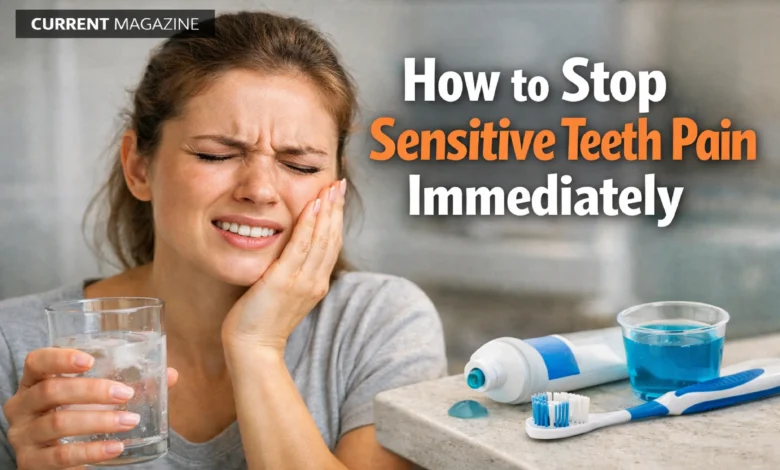
If you’ve ever winced from drinking cold water or felt a sharp jolt while eating ice cream, you know how uncomfortable sensitive teeth can be. Learning how to stop sensitive teeth pain immediately is crucial for anyone dealing with this common dental issue. Tooth sensitivity affects millions of people and can make everyday activities like eating, drinking, and even breathing through your mouth uncomfortable. The good news is that there are several fast-acting remedies you can try right now to get relief, along with long-term solutions to prevent the pain from returning. This guide will walk you through immediate relief methods, explain what causes sensitivity, and help you protect your teeth going forward.
Understanding Tooth Sensitivity
Before we dive into solutions, it’s helpful to understand what’s happening when your teeth hurt.
Tooth sensitivity occurs when the protective enamel on your teeth wears down or when your gums recede, exposing the underlying layer called dentin. Dentin contains tiny tubules (microscopic channels) that lead directly to the nerve center of your tooth. When hot, cold, sweet, or acidic substances reach these tubules, they trigger the nerves and cause that sharp, sudden pain.
Common triggers include:
- Cold foods and beverages
- Hot drinks
- Sweet or sugary foods
- Acidic foods and drinks (citrus, soda, wine)
- Cold air when breathing through your mouth
- Brushing or flossing
- Certain mouthwashes with alcohol
Immediate Relief Methods (What to Do Right Now)
When sensitive teeth pain strikes, you need relief fast. Here are proven methods that work within minutes:
1. Saltwater Rinse
This is one of the fastest and most accessible remedies you can use immediately.
How to do it:
- Mix 1/2 teaspoon of salt into 8 ounces of warm (not hot) water
- Swish the solution around your mouth for 30 seconds
- Focus on the sensitive area
- Spit it out and repeat 2-3 times
Why it works: Salt is a natural antiseptic that reduces inflammation and kills bacteria. It also helps balance the pH in your mouth, which can calm irritated nerves.
2. Clove Oil
Clove oil has been used for centuries as a natural remedy for dental pain because it contains eugenol, a natural anesthetic and antibacterial compound.
How to use it:
- Put 2-3 drops of clove oil on a cotton ball
- Gently dab it directly on the sensitive tooth and surrounding gum
- Hold it there for a few seconds
- Alternatively, mix a few drops with a carrier oil (like coconut oil) if pure clove oil feels too strong
Why it works: Eugenol numbs nerve endings and provides almost instant relief from tooth pain.
3. Desensitizing Toothpaste (Emergency Application)
If you have desensitizing toothpaste at home, you can use it for immediate relief, not just during brushing.
How to use it:
- Apply a small amount of desensitizing toothpaste (like Sensodyne or Colgate Sensitive) directly to the sensitive tooth with your finger
- Gently rub it into the tooth and surrounding gum area
- Leave it on rather than rinsing it away
- Do this several times throughout the day
Why it works: These toothpastes contain compounds like potassium nitrate or stannous fluoride that block pain signals from reaching the nerve.
4. Cold Compress (For Swelling)
If your sensitivity is accompanied by swelling or inflammation, a cold compress can help.
How to use it:
- Wrap ice or a cold pack in a thin towel
- Hold it against your cheek near the painful tooth for 15 minutes
- Remove for 15 minutes, then reapply if needed
Why it works: Cold constricts blood vessels, reducing inflammation and numbing pain temporarily.
5. Avoid the Trigger
The simplest immediate solution is to avoid whatever triggered the sensitivity.
What to do:
- If cold water caused pain, drink room temperature water
- If brushing hurt, use a softer toothbrush and gentler pressure
- If sweet foods triggered it, rinse your mouth with water
Why it works: Removing the trigger stops the stimulation of exposed nerves, allowing the pain to subside naturally within minutes.
6. Hydrogen Peroxide Rinse
This gentle antiseptic can provide quick relief and help prevent infection.
How to use it:
- Mix equal parts 3% hydrogen peroxide and warm water
- Swish it gently in your mouth for 30 seconds
- Spit it out (never swallow)
- Rinse with plain water afterward
Why it works: Hydrogen peroxide is a mild antiseptic that reduces bacteria and inflammation in the mouth.
7. Garlic Paste
Garlic contains allicin, a compound with powerful antibacterial and pain-relieving properties.
How to use it:
- Crush a fresh garlic clove to make a paste
- Add a tiny pinch of salt
- Apply directly to the sensitive tooth
- Leave for a few minutes, then rinse
Why it works: Allicin acts as a natural antibiotic and can reduce pain and inflammation quickly.
8. Oil Pulling
This ancient Ayurvedic practice can provide relief within 10-20 minutes.
How to do it:
- Take 1 tablespoon of coconut oil (or sesame oil)
- Swish it around your mouth gently for 10-20 minutes
- Spit it out (into the trash, not the sink)
- Rinse with warm water
Why it works: Oil pulling reduces bacteria, draws out toxins, and can coat exposed dentin to temporarily reduce sensitivity.
9. Vanilla Extract
Pure vanilla extract contains alcohol and antioxidants that can numb pain.
How to use it:
- Dab a small amount of pure vanilla extract on a cotton ball
- Apply it directly to the sensitive tooth
- Hold for a few minutes
Why it works: The alcohol provides a numbing effect while antioxidants help heal irritated tissue.
10. Guava Leaves
If you have access to fresh guava leaves, they have anti-inflammatory and analgesic properties.
How to use it:
- Chew 1-2 fresh, clean guava leaves slowly
- Let the juice work on the sensitive areas
- Or boil leaves to make a mouthwash and use when cooled
Why it works: Guava leaves contain compounds that reduce pain and fight bacteria.
Long-Term Solutions to Prevent Sensitivity
While immediate relief is important, addressing the root cause will prevent pain from returning.
Switch to Desensitizing Toothpaste
Make desensitizing toothpaste your daily toothpaste, not just an emergency treatment. Use it consistently for at least 2-4 weeks to see significant improvement.
Popular options include:
- Sensodyne (various formulas)
- Colgate Sensitive
- Tom’s of Maine Rapid Relief Sensitive
- Crest Sensitivity
Use a Soft-Bristled Toothbrush
Hard or medium bristles can wear down enamel and irritate receding gums, making sensitivity worse.
Best practices:
- Choose soft or extra-soft bristles
- Replace your toothbrush every 3 months
- Use gentle, circular motions instead of aggressive scrubbing
- Don’t press too hard – let the bristles do the work
Brush Properly
How you brush matters as much as what you brush with.
Correct technique:
- Hold your brush at a 45-degree angle to your gums
- Use gentle, short strokes
- Brush for 2 minutes, twice daily
- Don’t brush immediately after eating acidic foods (wait 30-60 minutes)
Avoid Acidic Foods and Drinks
Acids erode enamel, exposing the sensitive dentin layer underneath.
Foods and drinks to limit:
- Citrus fruits and juices (oranges, lemons, grapefruits)
- Soda and carbonated drinks
- Wine
- Pickles and vinegar-based foods
- Tomatoes and tomato sauce
Tips to minimize damage:
- Drink acidic beverages through a straw
- Rinse with water after consuming acidic foods
- Don’t brush immediately after eating acidic foods
Wear a Night Guard
If you grind your teeth at night (bruxism), you’re wearing down enamel and exposing sensitive dentin.
Solution:
- Visit your dentist for a custom night guard
- Or try an over-the-counter moldable guard
- Wear it every night to protect your teeth
Treat Gum Recession
Receding gums expose tooth roots, which aren’t protected by enamel and are extremely sensitive.
What helps:
- Gentle brushing technique
- Treating gum disease with professional cleaning
- In severe cases, gum grafting surgery
Use Fluoride Products
Fluoride strengthens enamel and can reduce sensitivity over time.
Options:
- Fluoride toothpaste
- Fluoride mouthwash
- Professional fluoride treatments at the dentist
- Prescription-strength fluoride gel
Limit Teeth Whitening
Whitening products can temporarily increase sensitivity by opening pores in enamel.
What to do:
- Take breaks between whitening treatments
- Use whitening products designed for sensitive teeth
- Consider professional whitening with desensitizing treatments
- Stop whitening if sensitivity becomes severe
When to See a Dentist
While home remedies can provide immediate relief, some situations require professional care:
See a dentist if:
- Pain persists for more than 2-3 days despite home treatment
- Sensitivity suddenly becomes severe
- Pain is localized to one specific tooth (could indicate decay or infection)
- You notice visible cracks, chips, or dark spots on teeth
- Your gums are red, swollen, or bleeding
- Sensitivity is accompanied by fever or swelling in your face
- Over-the-counter remedies aren’t helping
Your dentist can:
- Apply professional desensitizing agents
- Use fluoride varnishes to strengthen enamel
- Apply dental bonding to cover exposed roots
- Perform a gum graft for severe recession
- Recommend a root canal if the nerve is damaged
- Identify and treat underlying problems like cavities or gum disease
Professional Treatments for Severe Sensitivity
If home remedies and over-the-counter products aren’t enough, your dentist has several options:
Fluoride Gel or Varnish – A concentrated fluoride treatment painted directly on sensitive areas to strengthen enamel.
Bonding Resin – A tooth-colored resin applied to exposed root surfaces to seal and protect them.
Surgical Gum Graft – For severe gum recession, tissue is taken from elsewhere in your mouth to cover exposed roots.
Root Canal – As a last resort for severe, persistent sensitivity, removing the nerve eliminates pain permanently.
Laser Treatment – Some dentists use lasers to seal tubules in the dentin and reduce sensitivity.
Lifestyle Changes to Protect Your Teeth
Small daily habits can make a big difference in preventing tooth sensitivity:
Dietary changes:
- Drink plenty of water throughout the day
- Chew sugar-free gum to increase saliva production (saliva protects teeth)
- Eat calcium-rich foods to strengthen teeth
- Limit sugary snacks that feed bacteria
Oral hygiene habits:
- Floss daily to prevent gum disease and recession
- Use an alcohol-free mouthwash (alcohol can dry out and irritate sensitive teeth)
- Rinse with water after meals
- Don’t use your teeth as tools to open packages
General health:
- Manage acid reflux or GERD, which can erode enamel
- Treat eating disorders that involve vomiting
- Stay hydrated to maintain healthy saliva levels
- Quit smoking, which contributes to gum disease
The Bottom Line
Sensitive teeth pain can be incredibly uncomfortable, but you don’t have to suffer. Whether you need immediate relief or a long-term solution, there are many effective options available.
Start with simple home remedies like saltwater rinses, clove oil, or applying desensitizing toothpaste directly to the painful area. For lasting results, make permanent changes like using a soft-bristled toothbrush, avoiding acidic foods, and brushing with proper technique.
Remember that persistent or severe sensitivity should always be evaluated by a dentist to rule out serious problems like cavities, cracks, or infections. With the right combination of immediate relief methods and preventive care, you can enjoy your favorite foods and drinks without pain.
10 Frequently Asked Questions About Sensitive Teeth
- Why did my tooth sensitivity suddenly start?
Sudden tooth sensitivity can be caused by several factors: recently eating very acidic foods, brushing too hard and damaging enamel, a new crack or chip in a tooth, recent dental work (which can cause temporary sensitivity), gum recession exposing roots, or a cavity developing. If sensitivity appears suddenly and severely, especially in one specific tooth, see your dentist to rule out serious problems like infection or tooth decay. - Does sensitive teeth pain go away on its own?
Sometimes yes, sometimes no. Temporary sensitivity from cold weather, recent dental work, or occasional acidic food exposure often resolves within a few days to weeks. However, if the underlying cause is enamel erosion, gum recession, or tooth damage, the sensitivity will persist or worsen without treatment. Consistent use of desensitizing toothpaste and proper oral care can reduce mild sensitivity over time, but professional treatment may be needed for severe or persistent cases. - Can you reverse tooth sensitivity permanently?
You can’t regrow lost enamel, but you can manage and significantly reduce sensitivity. Desensitizing toothpaste, fluoride treatments, and proper brushing technique can block pain signals and strengthen remaining enamel. Professional treatments like bonding, sealants, or gum grafts can cover exposed areas permanently. While you may not “cure” sensitivity entirely if significant enamel or gum tissue is lost, you can reduce it to minimal or manageable levels with consistent care and treatment. - Is tooth sensitivity a sign of a cavity?
Not always, but it can be. Sensitivity to sweet foods, sensitivity in one specific tooth, or pain that lingers after the trigger is removed can indicate a cavity. However, general sensitivity to cold or hot in multiple teeth is more likely caused by enamel wear or gum recession. If you’re unsure, see your dentist for an examination. Cavities require fillings, while general sensitivity is treated differently. - Why are my teeth sensitive after whitening?
Whitening products use peroxide that temporarily opens pores in your enamel, allowing the whitening agent to penetrate and also allowing stimuli to reach the nerves more easily. This sensitivity is usually temporary and resolves within a few days to a week after you stop whitening. To minimize it, use whitening products designed for sensitive teeth, take breaks between treatments, apply desensitizing toothpaste before and after whitening, and avoid very hot or cold foods during the whitening period. - Can stress cause sensitive teeth?
Indirectly, yes. Stress often leads to teeth grinding (bruxism), usually during sleep. Grinding wears down enamel, creates microcracks, and can cause gum recession – all of which lead to sensitivity. Stress can also cause you to clench your jaw, which puts pressure on teeth and can make them more sensitive. If you suspect grinding, ask your dentist about a night guard to protect your teeth while you sleep. - Does salt water really help sensitive teeth?
Yes, saltwater rinses can provide temporary relief from sensitive teeth pain. Salt is a natural anti-inflammatory and antiseptic that reduces swelling in the gums, kills bacteria that might be irritating nerves, and helps balance pH levels in your mouth. While it won’t fix the underlying cause of sensitivity, it can calm irritated tissue and provide relief for 1-2 hours. Use warm (not hot) water with 1/2 teaspoon of salt, swish for 30 seconds, and repeat as needed. - How long does it take for sensitive toothpaste to work?
Most people notice some improvement within 3-5 days of consistent use, but it typically takes 2-4 weeks of twice-daily use to experience the full benefits. For best results, apply a small amount directly to sensitive areas and leave it on (don’t rinse immediately after brushing). Some rapid-relief formulas work faster – within 3 days – but still require ongoing use to maintain results. If you see no improvement after 4 weeks, consult your dentist. - Should I brush with warm or cold water if I have sensitive teeth?
Use lukewarm or room temperature water when you have sensitive teeth. Very cold water can trigger pain by shocking the exposed nerves, while very hot water can also cause discomfort. Lukewarm water is gentle on sensitive teeth and still effectively helps rinse away toothpaste and debris. Some people find that avoiding water altogether and just using toothpaste reduces sensitivity during brushing. - Can vitamin deficiency cause tooth sensitivity?
Yes, certain vitamin deficiencies can contribute to tooth sensitivity. Vitamin D deficiency can weaken tooth enamel and bones that support teeth. B vitamin deficiencies can cause gum inflammation and recession. Vitamin C deficiency leads to weakened gums and potential gum disease, which exposes sensitive root surfaces. Calcium deficiency weakens tooth structure. If you have persistent sensitivity along with other symptoms like fatigue, weak bones, or bleeding gums, ask your doctor to check for nutritional deficiencies.