
How to Get Rid of White Tongue: Simple Tips for Healthy Tongue | Your Guide
Simple Tips to Make Your Tongue Healthy Again

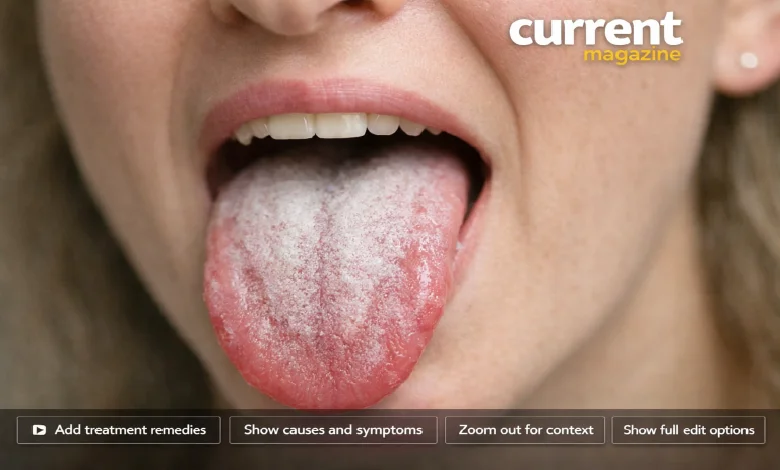
If you’re dealing with a white coating on your tongue and wondering how to get rid of white tongue, you’re not alone—this common condition affects millions of people and can be caused by everything from poor oral hygiene to underlying health issues. A white tongue occurs when dead cells, bacteria, and debris build up between the tiny bumps (papillae) on your tongue’s surface, creating a white or grayish coating that can sometimes cause bad breath or an unpleasant taste. While a white tongue is usually harmless and temporary, it can occasionally indicate more serious conditions like oral thrush, leukoplakia, or other health problems that require medical attention. This comprehensive guide covers everything you need to know about getting rid of white tongue, including immediate home remedies, proper oral hygiene techniques, underlying causes to address, when to see a doctor, and how to prevent it from returning.
Understanding White Tongue
Before we dive into solutions, it’s important to understand what’s happening.
What Is White Tongue?
Definition: A white tongue is a condition where your tongue appears to have a white or grayish coating covering part or all of its surface.
What causes the white appearance:
- Dead cells accumulate on the tongue’s surface
- Bacteria and debris get trapped between papillae (the tiny bumps on your tongue)
- Food particles, bacteria, and dead cells create a visible layer
- Inflammation can cause papillae to swell, creating more space for debris
Normal vs. Concerning White Tongue
Usually harmless when:
- The coating wipes off easily with a toothbrush or tongue scraper
- No pain or discomfort
- Caused by dehydration, dry mouth, or poor oral hygiene
- Appears temporarily and resolves quickly
Potentially concerning when:
- Thick white patches that don’t wipe away
- Painful or burning sensation
- Lasts more than 2 weeks despite treatment
- Accompanied by other symptoms (fever, difficulty swallowing, sores)
- Only affects one area of the tongue
Common Symptoms That May Accompany White Tongue
- Bad breath (halitosis)
- Altered taste or metallic taste
- Dry mouth
- Rough or hairy texture
- Mild burning or discomfort
- Red or inflamed areas around the white coating
Immediate Home Remedies to Get Rid of White Tongue
These methods can provide quick relief and remove the white coating:
1. Brush Your Tongue Properly
The most basic and effective treatment for white tongue.
How to do it:
- Use a soft-bristled toothbrush
- Gently brush your tongue from back to front
- Use circular motions to dislodge debris
- Brush your tongue every time you brush your teeth (at least twice daily)
- Be gentle to avoid irritation
Why it works: Physically removes the dead cells, bacteria, and debris causing the white appearance.
Results: You should see improvement immediately after brushing, with continued improvement over 3-7 days.
2. Use a Tongue Scraper
More effective than brushing alone for tongue cleaning.
How to use:
- Place the tongue scraper at the back of your tongue
- Gently pull it forward toward the tip
- Rinse the scraper after each stroke
- Repeat 5-10 times
- Do this once or twice daily
Types of scrapers:
- Metal (stainless steel or copper)
- Plastic
- Both work well; metal may be more durable
Why it works: Specifically designed to remove the coating more efficiently than a toothbrush.
Results: Often shows immediate improvement, with white coating significantly reduced after one use.
3. Salt Water Rinse
A simple, effective antiseptic treatment.
How to make it:
- Mix 1/2 to 1 teaspoon of salt in 8 ounces of warm water
- Swish vigorously in your mouth for 30 seconds
- Spit it out (don’t swallow)
- Repeat 2-3 times daily
Why it works: Salt has natural antiseptic properties that kill bacteria and reduce inflammation.
Results: Improvement within 2-3 days with consistent use.
4. Baking Soda Rinse
Helps neutralize acids and remove bacteria.
How to use:
- Mix 1 teaspoon of baking soda in 8 ounces of warm water
- Swish for 30 seconds
- Spit out and rinse with plain water
- Use once daily
Alternative method:
- Make a paste with baking soda and water
- Gently brush your tongue with the paste
- Rinse thoroughly
Why it works: Baking soda neutralizes acids, has antibacterial properties, and helps restore pH balance in your mouth.
Results: Noticeable improvement within 3-5 days.
5. Increase Water Intake
Dehydration is a common cause of white tongue.
What to do:
- Drink at least 8 glasses (64 ounces) of water daily
- Sip water throughout the day
- Drink extra water if you exercise or are in hot weather
- Carry a water bottle as a reminder
Why it works: Water helps wash away bacteria and debris, stimulates saliva production, and keeps your mouth clean naturally.
Results: Improvement within 24-48 hours if dehydration was the cause.
6. Hydrogen Peroxide Rinse
A powerful antibacterial treatment (use with caution).
How to use:
- Mix equal parts 3% hydrogen peroxide and water
- Swish gently for 30 seconds
- Spit out completely (never swallow)
- Rinse mouth with plain water afterward
- Use no more than once daily
Caution: Don’t use for more than 1-2 weeks continuously without consulting a dentist.
Why it works: Kills bacteria and helps remove dead cells.
Results: Often shows improvement within 3-5 days.
7. Oil Pulling
An ancient Ayurvedic practice for oral health.
How to do it:
- Take 1 tablespoon of coconut oil (or sesame oil)
- Swish it around your mouth for 10-20 minutes
- Spit into trash (not sink—can clog pipes)
- Rinse with warm water
- Brush teeth afterward
- Do this once daily, preferably in the morning before eating
Why it works: Pulls bacteria and toxins from your mouth, reduces bacterial load.
Results: May take 1-2 weeks of consistent use to see significant improvement.
8. Probiotics
Restore healthy bacteria balance in your mouth.
How to use:
- Take probiotic supplements (look for strains like Lactobacillus)
- Eat probiotic-rich foods (yogurt with live cultures, kefir, sauerkraut, kimchi)
- Consider probiotic lozenges designed for oral health
Why it works: Replaces harmful bacteria with beneficial bacteria, particularly effective for thrush-related white tongue.
Results: Gradual improvement over 1-2 weeks.
9. Aloe Vera
Natural anti-inflammatory and antimicrobial properties.
How to use:
- Use pure aloe vera juice (not gel)
- Swish 1 tablespoon in your mouth for 30 seconds
- Can swallow or spit out (aloe vera juice is safe to consume)
- Repeat 2-3 times daily
Alternative:
- Apply pure aloe vera gel directly to tongue
- Let it sit for 10 minutes
- Rinse with warm water
Why it works: Reduces inflammation, kills bacteria, and promotes healing.
Results: Improvement within 3-7 days.
10. Garlic
Natural antibacterial and antifungal properties.
How to use:
- Chew one raw garlic clove daily
- Or take garlic supplements
- Brush teeth afterward to remove odor
Why it works: Contains allicin, a compound with powerful antimicrobial properties that fights bacteria and yeast.
Results: Improvement within 5-7 days, especially for fungal causes.
Common Causes of White Tongue and How to Address Them
Understanding the cause helps you choose the most effective treatment.
1. Poor Oral Hygiene
The problem: Inadequate brushing and flossing allows bacteria, food particles, and dead cells to accumulate.
Solutions:
- Brush teeth at least twice daily for 2 minutes
- Floss daily
- Brush or scrape your tongue every time you brush
- Use mouthwash to rinse away loosened debris
- Replace your toothbrush every 3 months
Timeline: Improvement within 3-7 days with proper hygiene.
2. Dry Mouth (Xerostomia)
The problem: Reduced saliva production allows bacteria to thrive and debris to accumulate.
Common causes:
- Dehydration
- Mouth breathing (especially during sleep)
- Medications (antidepressants, antihistamines, blood pressure drugs)
- Aging
- Medical conditions (diabetes, Sjögren’s syndrome)
Solutions:
- Drink more water throughout the day
- Use a humidifier at night
- Chew sugar-free gum to stimulate saliva
- Avoid alcohol-based mouthwashes (they dry the mouth further)
- Use artificial saliva products or dry mouth rinses
- Breathe through your nose instead of mouth
- Address underlying medical causes with your doctor
Timeline: Improvement as dry mouth resolves, typically 1-2 weeks.
3. Oral Thrush (Candidiasis)
The problem: Overgrowth of Candida yeast in the mouth, creating thick white patches.
Who’s at risk:
- People taking antibiotics (which kill good bacteria)
- Those with weakened immune systems
- Diabetics
- Denture wearers
- Infants and elderly
- People taking inhaled corticosteroids
Identifying features:
- Thick, cottage cheese-like white patches
- Patches may be slightly raised
- May bleed slightly if scraped
- Can cause pain or burning
- May affect inner cheeks, gums, and throat
Solutions:
- See a doctor for antifungal medication (nystatin, fluconazole)
- Eat probiotic-rich foods
- Reduce sugar intake (yeast feeds on sugar)
- Practice excellent oral hygiene
- Clean dentures thoroughly daily
- Rinse mouth after using inhaled corticosteroids
Timeline: With antifungal treatment, improvement in 3-7 days, complete resolution in 1-2 weeks.
4. Leukoplakia
The problem: Thick white patches that can’t be scraped off, caused by chronic irritation.
Common causes:
- Tobacco use (smoking or chewing)
- Alcohol consumption
- Chronic irritation from rough teeth or dental work
- Ill-fitting dentures
- Sometimes unknown
Identifying features:
- Thick, white patches
- Cannot be easily wiped away
- Usually painless
- May have slightly raised texture
Important: While usually benign, leukoplakia can occasionally be precancerous. Always have it evaluated by a doctor or dentist.
Solutions:
- Stop smoking and tobacco use immediately
- Limit alcohol consumption
- Fix dental irritation sources (rough teeth, poor-fitting dentures)
- See a dentist for evaluation and possible biopsy
- Regular monitoring by healthcare provider
Timeline: May improve in weeks to months after removing irritants, but requires medical oversight.
5. Oral Lichen Planus
The problem: An inflammatory condition causing white, lacy patches on the tongue and inner cheeks.
Characteristics:
- White, lacy, web-like patterns
- May include red, swollen tissues
- Can be painful or cause burning sensation
- Chronic condition that comes and goes
Solutions:
- See a doctor or dentist for diagnosis
- May require corticosteroid rinses or ointments
- Avoid spicy, acidic, or rough foods that irritate
- Manage stress (can trigger flare-ups)
- Practice excellent oral hygiene
Timeline: Chronic condition requiring ongoing management; flare-ups may last weeks to months.
6. Geographic Tongue
The problem: A harmless condition causing irregular red patches with white borders, giving a map-like appearance.
Characteristics:
- Red patches with white or yellow borders
- Patches change location over time
- Usually painless (occasionally mild burning)
- Cause unknown
Solutions:
- Usually requires no treatment
- Avoid triggers if you identify them (spicy foods, tobacco, stress)
- Use OTC pain relievers if uncomfortable
- Rinse with salt water if irritated
Timeline: Patches come and go; not curable but harmless.
7. Medications
The problem: Certain medications can cause dry mouth or promote bacterial overgrowth.
Common culprits:
- Antibiotics (disrupt bacterial balance)
- Antihistamines (reduce saliva)
- Antidepressants (cause dry mouth)
- Blood pressure medications (reduce saliva)
- Inhaled corticosteroids (can cause thrush)
Solutions:
- Never stop medications without consulting your doctor
- Ask if alternative medications with fewer side effects are available
- Increase water intake
- Use dry mouth products
- Rinse mouth after using inhaled steroids
Timeline: May resolve when medication is discontinued or changed (consult your doctor first).
8. Smoking and Tobacco Use
The problem: Tobacco irritates the tongue, causes dry mouth, and promotes bacterial growth.
Effects:
- Discolors tongue
- Irritates tissues
- Reduces saliva production
- Increases risk of leukoplakia and oral cancer
Solutions:
- Quit smoking or using tobacco products
- Seek support (nicotine replacement, counseling, medications)
- Practice excellent oral hygiene
- Stay hydrated
- See dentist regularly for monitoring
Timeline: Improvement begins within days to weeks of quitting; full recovery may take months.
9. Dehydration
The problem: Insufficient water intake reduces saliva flow and allows buildup on the tongue.
Causes:
- Not drinking enough water
- Excessive caffeine or alcohol
- Illness (fever, vomiting, diarrhea)
- Intense exercise without adequate hydration
Solutions:
- Drink at least 8 glasses of water daily
- Limit dehydrating beverages (coffee, alcohol)
- Monitor urine color (should be pale yellow)
- Drink extra water in hot weather or when sick
Timeline: Improvement within 24-48 hours of proper hydration.
10. Diet and Lifestyle Factors
The problem: Certain foods and habits contribute to white tongue.
Contributing factors:
- High sugar diet (feeds bad bacteria and yeast)
- Excessive alcohol consumption
- Not eating enough fiber or nutritious foods
- Poor sleep
- High stress levels
Solutions:
- Reduce sugar and refined carbohydrates
- Limit alcohol
- Eat plenty of vegetables, fruits, and whole grains
- Get 7-9 hours of sleep nightly
- Practice stress management (meditation, exercise, hobbies)
- Avoid extremely hot foods and drinks that irritate the tongue
Timeline: Gradual improvement over 1-2 weeks with lifestyle changes.
When to See a Doctor or Dentist
While white tongue is usually harmless, certain situations require professional evaluation:
See a Healthcare Provider If:
The white coating persists:
- Lasts more than 2 weeks despite home treatment
- Keeps returning after you remove it
- Gets progressively worse
You experience pain or discomfort:
- Burning sensation on your tongue
- Pain when eating or drinking
- Unusual sensitivity
The patches can’t be removed:
- Thick white patches that don’t scrape off
- Hard or rough-textured patches
- May indicate leukoplakia or other conditions
You have accompanying symptoms:
- Fever
- Difficulty swallowing
- Tongue or throat swelling
- Ulcers or sores in your mouth
- Unexplained weight loss
You have risk factors:
- Weakened immune system (HIV/AIDS, cancer treatment, immunosuppressant drugs)
- Diabetes
- Recent antibiotic use without improvement
- Tobacco or heavy alcohol use
The white appearance changes:
- Turns red
- Develops unusual patterns
- Spreads to other parts of your mouth
- Bleeds easily
What to Expect at Your Appointment
Medical history:
- Questions about symptoms, duration, and progression
- Review of medications and medical conditions
- Lifestyle questions (smoking, alcohol, oral hygiene)
Physical examination:
- Visual inspection of tongue, mouth, and throat
- May use a lighted instrument
- Feel for lumps or abnormalities
Possible tests:
- Tongue scraping for laboratory analysis
- Biopsy if concerning patches are present
- Blood tests to check for underlying conditions
- Swab for fungal culture (if thrush suspected)
Treatment:
- Prescription antifungal medication for thrush
- Antibiotics for bacterial infections
- Referral to specialist if needed
- Recommendations for addressing underlying causes
Prevention: Keeping Your Tongue Healthy
Preventing white tongue is easier than treating it.
Daily Oral Hygiene Routine
Morning and night:
- Brush teeth for 2 minutes with fluoride toothpaste
- Brush or scrape your tongue thoroughly
- Floss between all teeth
- Rinse with alcohol-free mouthwash
- Stay hydrated throughout the day
Throughout the day:
- Rinse mouth with water after meals
- Chew sugar-free gum to stimulate saliva
- Drink water regularly
Lifestyle Habits for Tongue Health
Do:
- Drink plenty of water (8+ glasses daily)
- Eat a balanced diet rich in vegetables and fruits
- Get adequate sleep
- Manage stress effectively
- Visit your dentist every 6 months
- Replace your toothbrush every 3 months
Don’t:
- Smoke or use tobacco products
- Consume excessive alcohol
- Eat excessive sugar
- Ignore dry mouth symptoms
- Skip tongue cleaning
- Use harsh mouthwashes with alcohol
Dietary Considerations
Foods that help:
- Crunchy vegetables (natural cleaning action)
- Probiotic-rich foods (yogurt, kefir, kimchi)
- Water-rich fruits (watermelon, cucumber)
- Green tea (antibacterial properties)
- Garlic and ginger (antimicrobial)
Foods to limit:
- Sugary foods and drinks
- Highly processed foods
- Excessive spicy foods (if they cause irritation)
- Very hot foods and beverages
Special Considerations
If you wear dentures:
- Remove and clean them thoroughly every night
- Soak in denture cleaner
- Ensure proper fit (see dentist if loose)
- Clean your tongue, gums, and remaining teeth
If you use inhaled steroids:
- Always rinse your mouth after each use
- Gargle with water
- Spit out the rinse water
- Consider using a spacer device
If you have dry mouth:
- Sip water constantly throughout the day
- Use a humidifier, especially at night
- Avoid caffeine and alcohol
- Consider artificial saliva products
- Chew sugar-free gum
Natural vs. Medical Treatments
Understanding when home remedies are sufficient versus when you need medical care.
Home Remedies Are Usually Sufficient For:
- White tongue caused by poor oral hygiene
- Dehydration-related coating
- Mild bacterial buildup
- Food or debris accumulation
- Temporary dry mouth
Medical Treatment Is Needed For:
- Oral thrush (requires antifungal medication)
- Leukoplakia (requires monitoring and possibly biopsy)
- Persistent white tongue despite home treatment
- Painful or burning symptoms
- White tongue with other concerning symptoms
- Underlying medical conditions causing the problem
Combining Approaches
Often the best approach combines both:
- Use prescribed medications as directed
- Maintain excellent oral hygiene
- Stay hydrated
- Address lifestyle factors
- Follow up with healthcare providers
The Bottom Line
Getting rid of white tongue usually involves addressing the underlying cause while practicing excellent oral hygiene. For most people, simple measures like brushing or scraping the tongue, staying hydrated, and maintaining good oral hygiene will resolve white tongue within a few days to a week.
Start with the basics: brush your tongue thoroughly at least twice daily, use a tongue scraper for better results, drink plenty of water throughout the day, and practice good overall oral hygiene. If dehydration or poor cleaning was the cause, you should see improvement within 24-72 hours.
However, if your white tongue persists for more than two weeks, causes pain, or accompanies other symptoms, see a healthcare provider. Conditions like oral thrush require antifungal medication, while leukoplakia needs professional evaluation to rule out precancerous changes.
Prevention is key: maintain a consistent oral hygiene routine that includes tongue cleaning, stay well-hydrated, eat a balanced diet, avoid tobacco, limit alcohol, and see your dentist regularly. With proper care and attention, you can keep your tongue healthy and pink.
Remember that your tongue’s appearance can be an indicator of your overall health. Paying attention to changes and addressing them promptly ensures not just a healthier mouth, but potentially identifies other health issues early.
10 Frequently Asked Questions About White Tongue
- Is white tongue a sign of something serious?
White tongue is usually not serious and is most commonly caused by poor oral hygiene, dehydration, or minor bacterial overgrowth. However, it can occasionally indicate conditions that need medical attention. See a doctor if the white coating persists for more than 2 weeks despite home treatment, can’t be scraped off, is accompanied by pain or burning, or if you have thick cottage cheese-like patches (possible oral thrush). White tongue is concerning when combined with other symptoms like fever, difficulty swallowing, or unexplained weight loss. While conditions like leukoplakia can occasionally be precancerous, most cases of white tongue are harmless and resolve with proper oral hygiene and hydration. - Can dehydration cause white tongue?
Yes, dehydration is one of the most common causes of white tongue. When you don’t drink enough water, your saliva production decreases. Saliva naturally cleanses your mouth by washing away bacteria, food particles, and dead cells. Without adequate saliva, these substances accumulate on your tongue, creating the white coating. Additionally, dehydration can make the papillae (tiny bumps) on your tongue swell slightly, creating more space for debris to collect. The solution is straightforward: drink at least 8 glasses (64 ounces) of water daily, more if you exercise or live in a hot climate. Most people see improvement within 24-48 hours of proper hydration, combined with gentle tongue brushing or scraping. - How do I know if I have oral thrush or just a coated tongue?
Oral thrush and a simple coated tongue have different appearances and characteristics. A regular coated tongue typically has a thin, even white or grayish coating that can be easily brushed or scraped away. Oral thrush, caused by a yeast infection, creates thick, white, cottage cheese-like patches that are slightly raised and may be difficult to remove. If you scrape thrush patches, they may bleed slightly and leave red, raw areas underneath. Thrush often causes pain, burning, or altered taste, while a simple coated tongue is usually painless. Thrush can also affect your inner cheeks, roof of mouth, and throat, not just the tongue. If you suspect thrush, especially if you’ve recently taken antibiotics, have a weakened immune system, or wear dentures, see a healthcare provider for proper antifungal treatment. - Does a white tongue mean you have bad breath?
A white tongue often causes or contributes to bad breath (halitosis), but not always. The bacteria, dead cells, and food debris that create the white coating produce sulfur compounds as they break down, which smell unpleasant. This is why white tongue and bad breath frequently occur together. However, you can have white tongue without noticeable bad breath, especially if the coating is thin or recently developed. Similarly, you can have bad breath from other causes (gum disease, tooth decay, sinus infections, digestive issues) without having a white tongue. To address both issues, practice excellent oral hygiene including tongue cleaning, stay hydrated, use alcohol-free mouthwash, and address any underlying dental or medical problems. - Can you scrape off white tongue?
Yes, you can and should gently scrape or brush off the white coating on your tongue as part of your oral hygiene routine. Use a tongue scraper (a curved metal or plastic tool designed for this purpose) or a soft-bristled toothbrush. Gently scrape from the back of your tongue toward the front, rinsing the scraper between strokes. Do this once or twice daily. For most cases of white tongue caused by debris buildup, poor hygiene, or dehydration, the coating should come off relatively easily, though it may return if you don’t address the underlying cause. However, if you have thick white patches that are difficult to remove, bleed when scraped, or come right back despite regular cleaning, this could indicate a condition like oral thrush or leukoplakia that requires medical treatment rather than just mechanical removal. - How long does it take for white tongue to go away?
The timeline depends on the cause. For white tongue caused by poor oral hygiene or dehydration, you should see noticeable improvement within 24-72 hours of proper tongue brushing/scraping and increased water intake, with complete resolution in 3-7 days. Dry mouth-related white tongue improves as you address the dry mouth, typically within 1-2 weeks. Oral thrush requires antifungal medication and usually improves within 3-7 days of treatment, with complete resolution in 1-2 weeks. White tongue caused by medications may persist as long as you take the medication, though good oral hygiene can minimize it. If your white tongue doesn’t improve after 2 weeks of proper home treatment, see a healthcare provider for evaluation and possible medical treatment. - Is hydrogen peroxide safe to use on white tongue?
Hydrogen peroxide can be used to treat white tongue, but with caution and limitations. Use only 3% hydrogen peroxide (the standard concentration sold in stores) diluted with equal parts water. Swish the mixture in your mouth for no more than 30 seconds, then spit it out completely—never swallow hydrogen peroxide. Rinse your mouth thoroughly with plain water afterward. The antiseptic properties help kill bacteria and remove dead cells. However, don’t use hydrogen peroxide rinses for more than 1-2 weeks continuously, as prolonged use can irritate tissues, disrupt your mouth’s natural bacterial balance, and potentially cause other problems. If you have sensitive gums, open sores, or recent dental work, avoid hydrogen peroxide or consult your dentist first. For most people, gentler options like salt water rinses or simply brushing the tongue are safer for regular use. - Can stress cause white tongue?
While stress doesn’t directly cause white tongue, it can contribute to conditions that lead to it. Stress weakens your immune system, making you more susceptible to infections like oral thrush. It can reduce saliva production, leading to dry mouth and bacterial buildup. Stress may cause you to neglect oral hygiene routines. Some people breathe through their mouths more when stressed, which dries out the mouth. Stress can trigger or worsen conditions like oral lichen planus and geographic tongue. Additionally, stress often leads to behaviors that affect tongue health—eating more sugar, drinking more coffee or alcohol, smoking more, or sleeping less. Managing stress through exercise, adequate sleep, meditation, or therapy can indirectly improve tongue health by addressing these contributing factors. - Why does my tongue have a white coating when I wake up?
Morning white tongue is extremely common and usually harmless. During sleep, several factors contribute to white coating: saliva production decreases significantly at night, allowing bacteria to multiply; you’re not drinking water or swallowing for hours, so natural mouth-cleaning doesn’t occur; if you breathe through your mouth while sleeping, this further dries your mouth; bacteria, dead cells, and food debris from dinner accumulate overnight; and your tongue isn’t moving as much, so the coating isn’t naturally disturbed. This is why “morning breath” and a white-coated tongue often occur together. The solution is simple: brush or scrape your tongue as part of your morning oral hygiene routine, drink water, and the coating should clear quickly. If the coating is particularly thick or doesn’t improve despite good hygiene, consider whether you’re mouth-breathing at night, dehydrated, or have underlying dry mouth issues. - Can certain foods cause white tongue?
While foods don’t directly cause white tongue, some can contribute to conditions that lead to it. High-sugar foods and drinks feed bacteria and yeast in your mouth, promoting overgrowth that can appear as white coating or contribute to thrush. Dairy products can temporarily leave a white film on your tongue that resembles white tongue but rinses away easily. Acidic foods can irritate the tongue and alter its appearance. Very hot foods can burn the tongue, causing dead cells to accumulate. Alcohol is dehydrating and reduces saliva production, leading to bacterial buildup. Conversely, some foods may help: crunchy vegetables like carrots and celery have a natural cleaning effect; probiotic-rich foods like yogurt promote healthy bacteria balance; and water-rich fruits like watermelon help with hydration. Maintaining a balanced diet and rinsing your mouth with water after eating helps prevent food-related white tongue.