How to Know If You Have a Cavity: Spot the Signs Early and Take Action!
Simple Tips to Spot Cavities Early and Keep Your Teeth Healthy!

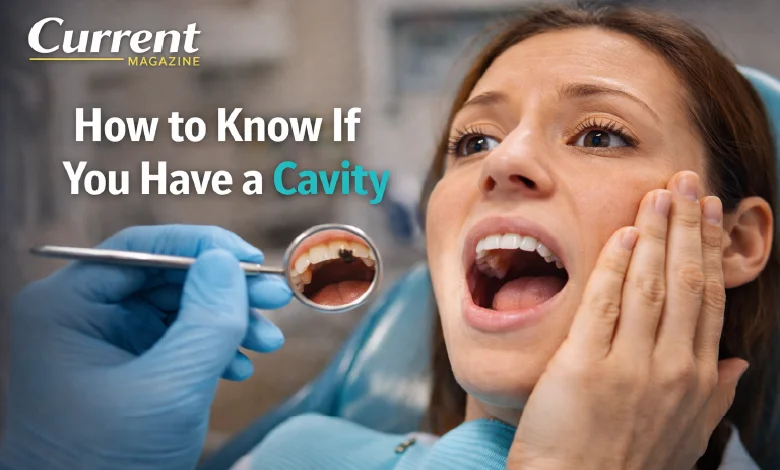
Learn how to know if you have a cavity before it becomes a serious problem. This guide explains cavity symptoms, warning signs, and when to visit your dentist. Discover what causes cavities and how to spot them early to avoid expensive dental work.
What Is a Cavity?
A cavity is a hole in your tooth caused by decay. It starts small and grows bigger over time if you don’t treat it. Cavities happen when bacteria in your mouth produce acids that damage tooth enamel (the hard outer layer of your tooth).
Think of a cavity like rust on a car. Just as rust eats away at metal, cavity-causing bacteria eat away at your tooth. The longer you wait, the worse the damage becomes.
Cavities are one of the most common dental problems. Millions of people get them every year. The good news is that cavities are preventable and treatable if you catch them early.
How Cavities Form
Understanding how cavities develop helps you prevent them.
Step 1: Plaque Forms Bacteria in your mouth mix with sugar and starch from food. This creates plaque—a sticky film that coats your teeth.
Step 2: Acid Attacks The bacteria in plaque produce acid. This acid attacks your tooth enamel for 20 minutes or more after you eat.
Step 3: Enamel Weakens Each acid attack weakens your enamel a little bit. After repeated attacks, the enamel breaks down.
Step 4: Cavity Develops Once the enamel is damaged, bacteria enter the softer layer beneath (called dentin). A cavity forms and grows deeper.
Step 5: Infection If untreated, the cavity reaches the nerve inside your tooth. This causes pain and infection.
This process takes months or even years. The earlier you catch it, the easier and cheaper it is to fix.
Common Signs You Might Have a Cavity
Tooth Sensitivity You feel sharp pain when eating hot, cold, or sweet foods. The pain might come and go. This sensitivity happens because the cavity has exposed the softer part of your tooth beneath the enamel.
Visible Hole or Pit Look at your teeth in the mirror. A cavity might appear as a small dark spot, hole, or pit on the surface of your tooth. Early cavities are hard to see, but larger ones are obvious.
Tooth Discoloration The area around a cavity might look darker or brownish. Staining often surrounds decay.
Pain When Chewing You feel pain when you bite down on certain teeth. The pressure from chewing irritates the decayed area.
Bad Breath Cavities can cause bad breath because bacteria are breaking down tooth structure. If your breath smells worse than usual, it might be a sign.
Swollen or Bleeding Gums Sometimes cavities cause your gums to swell or bleed. This happens more often with cavities near the gum line.
Sudden Tooth Pain Throbbing pain in a single tooth, especially at night, often signals a cavity. The pain might come without any trigger.
Early Signs of Decay (Before a Cavity Forms)
You can catch problems even earlier by noticing signs of decay before a full cavity develops.
White or Chalky Spots These indicate early decay. The spot marks where minerals are leaving the enamel. If you see white spots, talk to your dentist. Professional treatment can stop the decay here.
Increased Sensitivity If a tooth suddenly becomes sensitive to cold or sweet, decay might be starting. Early treatment prevents a cavity.
Rough Texture Run your tongue over your teeth. If one tooth feels rough or uneven compared to the others, decay might have started.
Cavity Warning Signs by Location
Front Teeth Cavities These are easier to see. You might notice a small brown or dark spot. They’re usually painless until they’re large.
Back Teeth Cavities These are harder to see and feel. You might not notice them until they cause pain. Molars are especially cavity-prone because food gets trapped there.
Between Teeth Cavities These happen where the toothbrush can’t reach. You might notice sensitivity or pain when flossing. Food might get stuck there more often.
Root Surface Cavities These happen on the root of your tooth, usually in older adults when gums recede. They’re serious because the root is softer than enamel and decay spreads faster.
Risk Factors That Increase Cavity Chances
Some people are more likely to develop cavities. Know your risk level:
Poor Oral Hygiene Not brushing and flossing regularly allows plaque to build up and cavities to form.
Frequent Snacking Every time you eat, bacteria produce acid. Frequent snacking means constant acid attacks. Eat fewer times per day, not more meals overall.
Sugary and Acidic Foods Sugar feeds cavity-causing bacteria. Acidic foods weaken enamel. Both increase cavity risk.
Dry Mouth Saliva protects your teeth by neutralizing acid and washing away food. Less saliva means more cavities.
Weak Enamel Some people are born with thinner or weaker enamel. They’re more cavity-prone.
Age Cavities are common in children and seniors. Adults have fewer cavities if they maintain good habits.
Previous Cavities If you’ve had cavities before, you’re more likely to get them again.
When to See a Dentist
You should visit a dentist if you notice any cavity warning signs. But don’t wait for symptoms.
Schedule a dental visit if:
- You have tooth pain that lasts more than a few days
- You see a hole, pit, or dark spot on a tooth
- You have sensitivity to hot, cold, or sweet
- You see white chalky spots
- You haven’t had a dental checkup in 6 months
Emergency dental care needed if:
- You have severe pain
- Your tooth is broken or cracked
- Your face or jaw is swollen
- You have difficulty chewing or swallowing
Regular checkups every 6 months help catch cavities early. Even if you feel fine, cavities can develop without symptoms.
What Happens at Your Dental Visit
The Dentist Will:
- Look at all your teeth with a mirror and light
- Use tools to check for soft spots (areas of decay)
- Possibly take X-rays to see cavities between teeth or under fillings
- Ask about your symptoms
What They Might Find:
- No cavities (great news!)
- Early decay (can be treated with fluoride)
- One or more cavities that need filling
Cavity Treatment: If you have a cavity, your dentist will remove the decayed part and fill it. Modern fillings are strong and match your natural tooth color. The whole process takes 20-40 minutes depending on cavity size.
How Cavities Are Treated
Fluoride Treatment For very early decay (white spots), fluoride treatment strengthens enamel and may stop decay without a filling.
Dental Filling The dentist removes the decayed part and fills the hole with composite material (tooth-colored), amalgam (silver), or other materials. This is the most common treatment.
Root Canal If decay reaches the nerve, you need a root canal. The dentist removes the infected nerve and fills the tooth.
Extraction In severe cases where the tooth is too damaged to save, the dentist removes it.
Cost varies: fillings ($150-$400), root canals ($1,000+), extractions ($75-$300).
Natural Ways to Strengthen Your Teeth and Prevent Cavities
Brush Properly
- Use a soft-bristled toothbrush
- Brush twice daily for 2 minutes
- Use fluoride toothpaste
- Brush all surfaces: front, back, and chewing surfaces
Floss Daily Flossing removes food and plaque between teeth where your brush can’t reach. This prevents cavities between teeth.
Watch Your Diet
- Limit sugary snacks and drinks
- Avoid sticky foods that cling to teeth
- Choose water instead of soda
- Eat calcium-rich foods (milk, cheese, yogurt) for strong teeth
Rinse After Eating Rinse your mouth with water after meals to wash away food and neutralize acids.
Chew Sugar-Free Gum Chewing gum stimulates saliva, which protects teeth. Make sure it’s sugar-free.
Get Enough Fluoride
- Use fluoride toothpaste
- Drink fluoridated water
- Ask about fluoride treatments at your dentist
Avoid Tobacco Smoking and chewing tobacco increase cavity risk.
Manage Dry Mouth If you have dry mouth, ask your dentist about solutions.
Home Detection: Can You See a Cavity?
Early cavities are often invisible without special tools. You can’t see decay between teeth or under old fillings at home.
Larger cavities might be visible as a hole or dark spot. Look in a mirror with good light.
Use a bright light and mirror to examine all tooth surfaces. Look especially carefully at molars and areas between teeth.
Run your tongue over your teeth to feel for holes or rough spots.
However: Many cavities are invisible to the naked eye. Professional dental X-rays catch problems you can’t see. This is why regular checkups are essential—cavities are often found before you notice symptoms.
Cost Comparison: Prevention vs. Treatment
Prevention costs:
- Toothbrush: $5-15
- Toothpaste: $3-8
- Floss: $2-5
- Annual dental cleanings: $100-200
Treatment costs (one cavity):
- Filling: $150-400
- Root canal: $1,000-1,500
- Crown: $800-2,000
Prevention is much cheaper than treatment. Spending a few dollars on good oral hygiene saves hundreds on dental work.
10 FAQs About Cavities
- How long does it take for a cavity to develop?
It depends. A cavity might take several months to a year to form, or sometimes longer. It starts with decay and gradually gets bigger. Early-stage decay can be stopped before it becomes a cavity. This is why regular checkups matter—your dentist catches problems early. - Can you feel a cavity with your tongue?
Sometimes. If a cavity is large or on a surface you can reach, you might feel a hole with your tongue. But small cavities are often undetectable by touch. You might feel pain or sensitivity instead. - Will a cavity go away on its own?
No. A cavity only gets worse without treatment. The decay spreads deeper into the tooth. Eventually it causes pain and may damage the nerve. Early decay (before a cavity forms) can sometimes be stopped with fluoride, but a cavity always needs professional treatment. - Is cavity pain always sharp?
Not always. Cavity pain can be sharp, throbbing, dull, or intermittent. Some cavities cause no pain at all until they’re large. Others cause constant sensitivity. Pain depends on cavity size, location, and whether the nerve is involved. - Can you get a cavity if you brush and floss?
Yes, though it’s less likely. Some people have weak enamel or dry mouth that increases cavity risk. Diet matters too—even people with perfect oral hygiene can get cavities if they eat lots of sugar. However, good brushing and flossing habits significantly reduce risk. - How do dentists detect cavities you can’t see?
Dentists use X-rays to see cavities between teeth and under fillings. They also use special tools called explorers to test for soft spots. Some modern dentists use laser fluorescence technology that detects decay even earlier. X-rays catch about 80% of cavities that aren’t visible to the naked eye. - What’s the difference between a cavity and staining?
Staining is discoloration on the surface from food, drinks, or tobacco. A cavity is decay—an actual hole in your tooth. Staining can be cleaned by a dentist. A cavity requires filling. If you’re unsure, ask your dentist. - Can children get cavities in baby teeth?
Yes. Cavities in baby teeth are common. Many parents think baby teeth don’t matter since they fall out, but cavities in baby teeth can affect permanent teeth development. Treat cavities in baby teeth to maintain proper spacing and health. - Is there a way to fill a cavity at home?
No. Over-the-counter cavity repair products exist but don’t work like real fillings. They’re temporary fixes at best. Only a dentist can properly clean decay and fill a cavity. Attempting to treat it yourself wastes time and money while the cavity gets worse. - How often should you get cavity screenings?
Most people should see a dentist every 6 months. High-risk people (those with weak enamel, dry mouth, or a history of cavities) might need visits every 3-4 months. Children should see a dentist twice yearly or more if they’re cavity-prone.
Final Thoughts
Knowing how to recognize cavity symptoms helps you catch problems early. Watch for sensitivity, visible spots, and pain when chewing. Don’t ignore warning signs—see your dentist right away.
The best strategy is prevention. Brush twice daily, floss, limit sugar, and visit your dentist every 6 months. Regular checkups catch cavities before they become serious and expensive problems.
If you do have a cavity, treatment is straightforward and quick. Modern fillings are durable and tooth-colored. Getting treatment early means a simpler, less expensive fix.