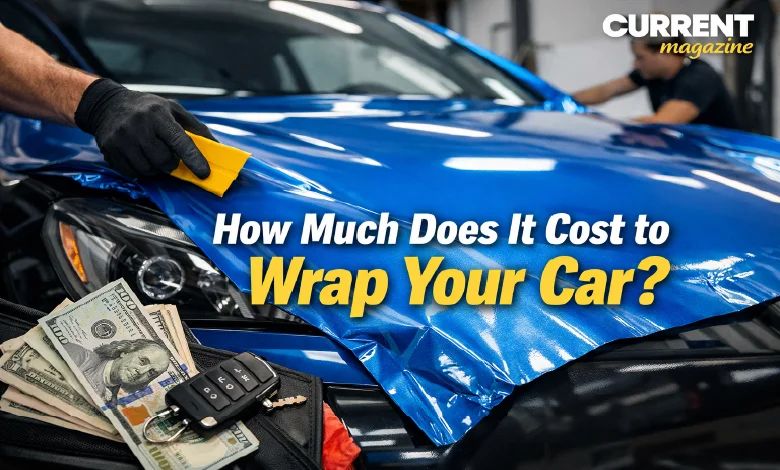
Car wraps have become one of the most popular ways to transform your vehicle’s appearance without the expense and permanence of a fresh paint job. If you’re asking yourself, how much does it cost to wrap your car, you’ve come to the right place. This comprehensive guide will break down car wrap pricing, explain what affects the cost, and help you understand what you should expect to pay for a professional installation.
What Is a Car Wrap and Why Are People Getting Them?
Before diving into pricing, let’s understand what a car wrap actually is. A car wrap is a large sheet of vinyl material that adheres to your vehicle’s exterior. It’s a non-permanent modification that can be removed without damaging your original paint. People choose car wraps for many reasons: protecting their vehicle’s paint, changing their car’s color temporarily, advertising a business, or simply expressing their personal style.
The popularity of car wraps has grown significantly over the past decade. Business owners use them to create mobile advertisements, car enthusiasts use them to customize their vehicles, and everyday drivers use them to protect their investment. This increased demand has led to more competitive pricing and better quality options than ever before.
Understanding the Average Cost of Car Wraps
A car wrap typically costs between $1,500 and $5,000 for most vehicles, with the average price landing around $2,500 to $3,500. However, this is just a general range. Some jobs can cost significantly less or more depending on your specific needs, vehicle type, and location. To give you better perspective, let’s look at realistic pricing scenarios.
For a small sedan like a Honda Civic, Toyota Corolla, or similar vehicle, you’re looking at approximately $1,500 to $2,500 for a full wrap. For mid-size vehicles like Ford Fusions or similar models, expect $2,500 to $3,500. For larger vehicles such as SUVs, trucks, and vans, pricing typically ranges from $3,500 to $5,500 or higher.
What Determines Your Car Wrap Cost?
Understanding what affects pricing will help you budget accurately and make informed decisions. Let’s explore each factor in detail.
Vehicle Size and Type
Your vehicle’s size is one of the most significant cost factors. The larger your vehicle, the more vinyl material is needed, and the longer installation takes. A compact car requires roughly 40 to 50 square feet of vinyl, while a full-size SUV might need 60 to 80 square feet.
Different vehicle types also affect pricing. Sedans are typically the cheapest to wrap because they have simple, straightforward surfaces. Trucks cost more due to larger surface areas and multiple angles. Vans are even more expensive because of their massive size. Luxury sports cars often cost more to wrap than standard vehicles because installers need to take extra care with curved body panels and special design elements.
The shape of your vehicle matters too. Boxy vehicles are easier and cheaper to wrap than those with many curves and contours. A Jeep Wrangler with flat panels costs less to wrap than a sleek BMW with flowing curves.
Type of Wrap Material
Vinyl material quality directly impacts pricing, and this is where you can significantly affect your final cost. There are several levels of vinyl available:
Economy Vinyl ($1,500-$2,500 for full wrap) Budget-friendly vinyl wraps are thinner and less durable. They typically last 2 to 3 years before fading or peeling. Some shops use this material for cost-conscious customers, but the savings are usually only $300 to $500 compared to mid-range options.
Standard/Mid-Range Vinyl ($2,000-$3,500 for full wrap) This is the most popular choice for most customers. Standard vinyl is durable, looks professional, and lasts 3 to 5 years. Brands like 3M and Avery are industry standards that deliver reliable results.
Premium Vinyl ($3,500-$5,500 for full wrap) Premium options include better adhesives, superior UV protection, and longer warranties. These wraps are designed to last 5 to 7 years and maintain their appearance throughout their lifespan.
Specialty Finishes ($4,000-$8,000+ for full wrap) Matte finishes, satin finishes, chrome finishes, carbon fiber patterns, and metallic options cost significantly more. These specialty materials require special handling and expertise, and they often come with premium price tags.
The difference between economy and premium vinyl might seem like a small upfront savings, but when you consider durability and appearance, premium materials offer better long-term value.
Coverage Area and Wrap Type
How much of your vehicle you wrap greatly affects the total cost. Let’s break down the different options:
Full Wraps ($2,500-$5,000+) A full wrap covers your entire vehicle, including the hood, doors, roof, trunk, rear hatch, side panels, and bumpers. This provides maximum visual impact and complete paint protection. Full wraps are ideal for business advertising or complete vehicle transformations.
Partial Wraps ($800-$2,500) Partial wraps cover specific areas like the hood, roof, doors, or side panels. Many businesses use partial wraps to advertise while reducing costs. A hood and roof wrap might cost $1,000 to $1,500, while side panels could run $800 to $1,200.
Window Wraps ($200-$800) Some customers add window tint wraps or custom window graphics. These are priced separately and can add to your total investment.
Spot Wraps ($100-$500) Small accent wraps on specific parts like a roof stripe, hood stripe, or roof spoiler cost significantly less and are perfect for subtle customization.
Design Complexity
The complexity of your design plays a major role in final pricing. Here’s how design affects cost:
Solid Color Wraps ($2,000-$3,000) Single-color wraps are the least expensive option. You choose a color, the wrap is ordered, and installation proceeds straightforward.
Two-Color or Simple Pattern Wraps ($2,500-$3,500) Adding a second color or simple design increases complexity slightly. These designs look more professional than solid colors but don’t require extensive custom work.
Custom Graphics and Artwork ($3,500-$6,000+) Custom designs with your business logo, photos, artwork, or complex patterns cost significantly more. Design services can add $200 to $1,500 to your total, depending on how much custom work is required.
Photo-Quality and Complex Designs ($5,000-$8,000+) Highly detailed designs with multiple colors, photo-quality images, or intricate artwork require professional design and printing. These are investment pieces that can take weeks to complete.
Professional Installation Labor
Labor costs vary dramatically depending on location and installer experience. Here’s what affects labor pricing:
Shop Reputation and Experience Shops with excellent reviews and extensive portfolios charge more, but they deliver better results. An experienced installer can complete a wrap perfectly, while an inexperienced one might create bubbles, wrinkles, or misalignment.
Geographic Location Major metropolitan areas like New York City, Los Angeles, San Francisco, and Miami have significantly higher labor costs than smaller cities. A wrap that costs $3,000 in a rural town might cost $4,500 in a major city. Regional economic differences, cost of living, and competition all play roles in pricing.
Installation Time The average full wrap takes 1 to 3 days to install properly. Rushed installations are usually lower quality. Shops factor in their hourly rate and estimated time to calculate labor costs.
Additional Services If your vehicle needs prep work, old wrap removal, paint corrections, or ceramic coating application, labor costs increase accordingly.
Detailed Breakdown of Typical Pricing by Vehicle Type
Sedans and Compact Cars: $1,500-$2,800 These smaller vehicles require less material and shorter installation times. A Toyota Corolla, Honda Civic, or similar sedan typically falls into this price range for a full wrap.
Trucks and Pickup Trucks: $2,500-$4,500 Trucks are larger with more complex shapes. The extra surface area and multiple angles increase both material costs and labor time.
SUVs and Crossovers: $3,000-$5,000 These vehicles are larger than sedans but smaller than full-size trucks. Pricing falls between the two categories.
Vans and Minivans: $3,500-$6,000 Large, boxy vehicles with significant surface area command premium prices due to the amount of material needed.
Luxury and Sports Cars: $3,500-$7,000+ These vehicles often require specialized installation due to complex body shapes, special paint finishes, and premium materials. Some exotic cars can cost $10,000 or more.
Commercial Fleet Vehicles: Variable Pricing Wrapping multiple vehicles often provides discounts. A fleet of 5 to 10 vehicles might get 10 to 20% discounts compared to single-vehicle pricing.
Additional Costs Beyond the Base Wrap Price
When budgeting for your car wrap, the quoted price isn’t always your final expense. Several add-ons can increase the total cost:
Design Services
If you don’t have a professional design ready, most shops charge for custom design work. A simple design might cost $200 to $500, while a complex, custom design could run $500 to $1,500 or more. Some shops include basic design services in their package, so ask before assuming you’ll pay extra.
Vehicle Preparation and Cleaning
Your vehicle should be thoroughly cleaned before wrapping. Most shops include this in their quote, but some charge $50 to $150 for professional detailing if your car is particularly dirty.
Removal of Old Wraps
If you’re replacing an existing wrap, removal costs $200 to $500 depending on how well it’s adhered and how much residue is left behind. Some shops absorb this cost if you’re upgrading to a new wrap with them.
Paint Correction
If your original paint has damage, swirls, or oxidation, shops might recommend correction before wrapping. Paint correction can add $300 to $1,000 to your total cost but ensures better results.
Protective Clear Coating
A protective clear coat can extend your wrap’s life and protect against UV damage, chemical exposure, and minor scratches. This typically costs $300 to $500 and is highly recommended for exposed vehicles.
Custom Cutouts and Special Features
If you need precise cutouts for door handles, mirrors, vents, or sensors, this adds time and complexity. Budget an extra $100 to $300 for detailed cutout work.
Window Tinting (Optional Add-on)
Many people combine car wraps with window tinting. Window tint costs $200 to $600 depending on your vehicle and tint darkness level.
Rush Fees
If you need your wrap completed quickly, expect to pay 20 to 50% more. Rush installation prioritizes your job but strains the shop’s resources.
How Long Does a Car Wrap Actually Last?
Understanding wrap longevity helps you calculate the true cost-per-year. Quality car wraps last 3 to 5 years with proper care, while premium wraps can last 5 to 7 years. Several factors affect lifespan:
UV Exposure Vehicles parked outdoors consistently fade faster than garaged vehicles. A wrap might last 3 years outdoors but 5 to 7 years with garage storage.
Climate Hot, sunny climates age wraps faster than mild climates. Extreme temperature variations also stress the vinyl and adhesive.
Maintenance Regular hand washing and proper care extend wrap lifespan. Harsh chemicals, pressure washing, and abrasive cleaning reduce longevity.
Material Quality Premium vinyl wraps last longer than budget options. This is why investing in quality vinyl makes financial sense over time.
Installation Quality A poorly installed wrap might peel or fail in 2 to 3 years, while a quality installation with premium materials lasts significantly longer.
If your wrap costs $3,000 and lasts 5 years, you’re paying $600 per year. If a cheaper wrap costs $2,000 but only lasts 2 years, you’re paying $1,000 per year. The better wrap provides superior value.
Comparing Car Wraps to Other Vehicle Customization Options
To put pricing in perspective, let’s compare car wraps to alternatives:
Professional Paint Job: $3,000-$15,000+ A quality paint job costs significantly more than a wrap and is permanent. If you want to change colors again, you’ll need another expensive paint job. Wraps are reversible and cheaper.
Vinyl Decals and Stickers: $200-$2,000 Individual vinyl decals are cheaper than wraps but cover less area and look less professional. They’re good for accents but not full vehicle coverage.
Ceramic Coating: $500-$3,000 Ceramic coating protects your existing paint but doesn’t change your vehicle’s appearance. It’s often applied under wraps for additional protection.
Powder Coating: $2,000-$8,000 Powder coating specific parts like wheels or trim costs more than wraps and can’t be easily reversed.
Custom Paint and Graphics: $5,000-$20,000+ Custom artwork and graphics painted directly on your car are permanent, expensive, and irreversible. Wraps offer flexibility at a fraction of the cost.
Ways to Save Money on Car Wraps
If budget is a concern, consider these cost-saving strategies:
Choose a Partial Wrap A partial wrap costs 30 to 50% less than a full wrap. Focus on high-visibility areas like the hood, roof, and doors for maximum impact at lower cost.
Go with Standard Colors Solid colors and basic designs cost less than complex artwork. Popular colors like black, white, red, and blue are cheaper than specialty finishes.
Skip the Design Services If you or someone you know can create a design, you’ll save $200 to $500 in design fees. You can find freelance designers online for cheaper alternatives.
Compare Multiple Shops Get quotes from at least three to five different shops. Prices can vary $500 to $2,000 between shops, so comparison shopping is essential.
Wait for Seasonal Promotions Wrap shops often run promotions during slower seasons, typically in winter months. Scheduling your wrap during these times can net you 10 to 20% discounts.
Bundle Services If you need multiple services like paint protection film, ceramic coating, and window tinting, shops often provide bundle discounts.
Choose Economy Vinyl for Temporary Wraps If you only want your wrap for 2 to 3 years, budget vinyl makes sense. You’ll save $500 to $1,000 upfront.
Maintain Your Vehicle Proper care extends wrap life and reduces the need for repairs or replacements. Regular washing and careful driving save money long-term.
What Questions Should You Ask Before Getting a Wrap?
Before committing to a car wrap, ask your shop these critical questions:
- What brand and type of vinyl material do you use?
- Is your quote a complete estimate with no hidden fees?
- How long do you guarantee the wrap will last under normal conditions?
- Do you offer a warranty, and what does it cover?
- Can I see your portfolio and customer reviews?
- How long will installation take?
- Do you handle removal of old wraps and vehicle preparation?
- What warranty does the vinyl manufacturer provide?
- What happens if I’m unhappy with the installation?
- How should I maintain my wrap after installation?
- Do you offer removal services when I want to change the wrap?
- Will you provide touch-ups if needed after installation?
Professional Tips for Getting the Best Value
Work with Established Shops Experienced shops produce better results than newcomers. Higher prices often mean better quality and longer-lasting results.
Check References and Reviews Read online reviews and ask for customer references. A shop with consistently positive reviews is worth the premium they charge.
Get Design Approval in Writing Before installation begins, ensure you’ve approved the final design in writing. This prevents costly mistakes and misunderstandings.
Understand Your Warranty Know what your warranty covers. Some warranties cover installation defects but not UV fading, while others cover both.
Schedule Downtime Plan for your vehicle to be in the shop for 1 to 3 days. Don’t schedule a wrap the day before a major trip.
Invest in Ceramic Coating Adding a ceramic coating under your wrap ($300 to $500) extends the wrap’s life and protects the vinyl from damage.
Plan Maintenance Budget for occasional touch-ups or repairs. A small tear might cost $50 to $200 to fix rather than requiring a full wrap replacement.
10 Frequently Asked Questions About Car Wrap Costs
- Is a car wrap cheaper than repainting your vehicle?
Yes, car wraps are significantly cheaper than professional repainting. A quality paint job costs $3,000 to $10,000 or more, depending on the paint quality and complexity. Car wraps typically cost $2,500 to $5,000, making them 30 to 50% cheaper than painting. Plus, wraps protect your original paint from UV damage, scratches, and environmental hazards. When you eventually remove the wrap, your original paint remains intact and protected.
- How much does a car wrap cost for a pickup truck?
Pickup trucks are larger vehicles, so wraps typically cost $2,800 to $5,500 for a full wrap. The exact price depends on the truck size, vinyl quality, and design complexity. A standard single-cab truck costs less than a crew-cab truck due to smaller surface area. Most shops charge based on square footage, and larger trucks naturally require more material and installation time.
- Can I wrap just my car hood without wrapping the entire vehicle?
Absolutely. Hood wraps are one of the most popular partial wrap options. A single hood wrap typically costs $300 to $800, depending on material quality and whether you want a custom design. Hood wraps are perfect for adding a sporty look, protecting your hood from damage, or displaying a business logo. Many people start with hood wraps to test how they like vinyl wraps before committing to a full wrap.
- Do car wrap prices include removal of the old wrap?
Not always. Some shops include removal in their overall quote, while others charge separately. Always ask your shop specifically whether removal is included or what the additional cost would be. Removal typically costs $200 to $500, depending on how well the existing wrap is adhered and how much residue needs to be cleaned. When getting quotes, ask for a complete breakdown that specifies whether removal and prep work are included.
- How much extra does a custom design car wrap cost?
Custom design work adds $200 to $1,500 to your total cost, depending on design complexity and how much custom artwork is required. A simple two-color design with your business name might cost $200 to $400, while a complex custom design with photos, multiple colors, and detailed artwork could run $800 to $1,500. Some shops include basic design services in their package, so confirm what’s included before assuming you’ll pay extra.
- Are cheaper car wraps worth the savings or should I invest in premium options?
Budget wraps might save you $300 to $500 upfront, but they often fade, peel, or fail after 2 to 3 years. Premium wraps cost more initially but last 5 to 7 years, making them more cost-effective over time. Calculate the cost-per-year: a $2,000 wrap lasting 2 years costs $1,000 yearly, while a $3,000 wrap lasting 5 years costs $600 yearly. For most people, mid-range to premium wraps offer the best value. Budget wraps are only worth it if you plan to change your wrap frequently.
- How much does it cost to wrap a sports car or luxury vehicle?
Sports cars and luxury vehicles often cost $3,500 to $8,000 or more to wrap, sometimes exceeding $10,000. These vehicles have complex body shapes, curves, and contours that require expert installation. Their valuable paint finishes also demand premium vinyl materials and careful handling. Specialty finishes, protective coatings, and custom designs add additional costs. Some exotic vehicles may require custom vinyl patterns or specialty cutting work, pushing prices even higher.
- Can I get a complete car wrap for under $1,000?
You might find wrap quotes under $1,000, but this typically means either a very small vehicle (like a motorcycle or scooter), a partial wrap (hood and roof only), or extremely budget materials. For a standard sedan with a full wrap under $1,000, quality and longevity are questionable. Most professional shops charge $25 to $50 per square foot for materials and labor combined. Since a sedan needs 40 to 50 square feet, the math simply doesn’t support $1,000 pricing for quality work.
- Is car wrap installation typically included in the quoted price, or do I pay extra?
Installation is almost always included in the quoted price. When a shop quotes you $3,000 for a wrap, that includes materials, labor, and installation. However, additional services like design work, removal, prep work, ceramic coating, and rush fees are often separate. Always request a complete written quote that specifies what’s included and what costs extra before committing.
- How much more does a matte finish car wrap cost compared to a glossy wrap?
Matte finishes typically cost $200 to $500 more than standard glossy wraps for the same vehicle. Matte vinyl is premium material that requires special handling during installation. It looks stunning and hides dirt better than glossy finishes, but it’s more delicate. Satin finishes fall somewhere between matte and glossy in both price and appearance. Chrome and textured finishes cost even more, sometimes adding $500 to $1,500 to your total wrap cost.
Making Your Final Decision
Choosing to wrap your car is a significant investment that should be made carefully. Here’s a final checklist to help you decide:
Consider Your Needs
- Do you want full coverage or partial coverage?
- What’s your budget realistically?
- How long do you want to keep the wrap?
- What’s your design preference?
Research Local Shops
- Get quotes from at least three shops
- Read online reviews carefully
- Check their portfolios
- Ask for references
Understand Your Investment
- Calculate the cost-per-year based on expected lifespan
- Factor in maintenance costs
- Consider removal costs when you change wraps
- Budget for potential touch-ups
Plan for Installation
- Schedule during convenient times
- Allow 1 to 3 days for completion
- Avoid wet weather if possible
- Plan for proper vehicle maintenance after installation
Final Thoughts
The cost to wrap your car varies based on vehicle size, design complexity, material quality, and your location, but most people invest between $2,500 and $3,500 for a quality full wrap. This investment protects your original paint, transforms your vehicle’s appearance, and can be removed without permanent damage. Whether you choose a full wrap, partial wrap, or specialty finish with custom designs, working with an experienced professional using quality materials is essential.
Don’t make the mistake of choosing the cheapest option. Instead, find the balance between reasonable pricing and professional quality. Get multiple quotes, ask detailed questions, examine previous work, and invest in a wrap that will last and look great for years to come. A well-executed car wrap can completely transform your vehicle while providing excellent value and paint protection for your investment.