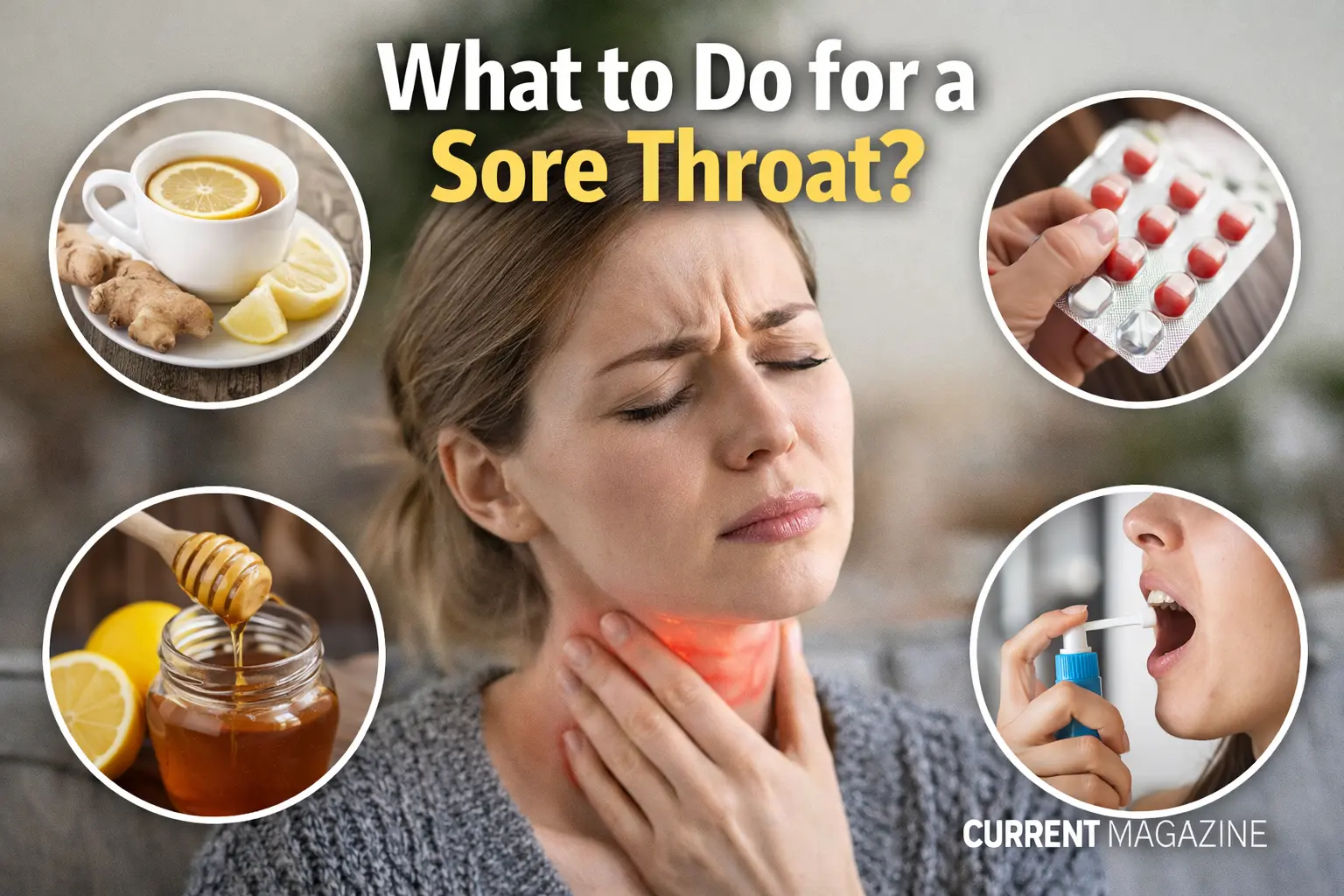
A sore throat can turn even simple tasks like swallowing or talking into painful experiences. Whether it starts with a tickle or hits you suddenly with sharp pain, knowing what to do can help you feel better faster and prevent complications.
This comprehensive guide covers everything you need to know about treating and what to do for a sore throat at home, when to see a doctor, and which remedies actually work based on medical evidence.
Understanding Your Sore Throat
Before we dive into remedies, it’s helpful to understand what’s causing your discomfort.
Most Common Causes
Viral infections (most common):
- Common cold
- Flu (influenza)
- COVID-19
- Mononucleosis (mono)
Bacterial infections:
- Strep throat (group A Streptococcus)
Other causes:
- Allergies and post-nasal drip
- Dry air
- Smoking or secondhand smoke
- Air pollution
- Yelling or overusing your voice
- Acid reflux (GERD)
Most sore throats – about 85-95% – are caused by viruses and will go away on their own within 5 to 7 days. Only about 5-15% of adult sore throats and 15-35% of children’s sore throats are caused by strep bacteria.
15 Proven Remedies for Sore Throat Relief
Here are evidence-based treatments that doctors actually recommend:
1. Gargle with Warm Salt Water
This is one of the oldest and most effective sore throat remedies.
Why it works:
- Reduces swelling and inflammation
- Helps clear mucus
- Kills bacteria
- Soothes irritation
How to do it:
- Mix 1/2 teaspoon of salt in 8 ounces (1 cup) of warm water
- Gargle for 30 seconds, then spit it out
- Repeat 3-4 times per day, or once every hour if needed
Note: Children usually can’t gargle effectively until age 6 or older.
2. Take Over-the-Counter Pain Relievers
Pain medications are often the first line of defense and one of the most effective treatments.
Options:
- Ibuprofen (Advil, Motrin): Reduces pain and inflammation
- Acetaminophen (Tylenol): Relieves pain and fever
- Naproxen (Aleve): Longer-lasting pain relief
Why they work: These medications last longer than most home remedies and directly address the inflammation causing your pain.
Important: Never give aspirin to children or teenagers due to the risk of Reye’s syndrome, a serious condition affecting the liver and brain.
3. Drink Honey (Especially with Tea)
Honey is a natural powerhouse for soothing sore throats.
Why it works:
- Natural anti-inflammatory properties
- Coats and soothes the throat
- Has antibacterial and antioxidant effects
- Research shows it’s as effective as the cough medicine dextromethorphan
How to use it:
- Mix 1 tablespoon of honey in warm water or tea
- Take it straight off a spoon
- Drizzle over toast or yogurt
Warning: Never give honey to children under 1 year old due to the risk of infant botulism.
4. Stay Hydrated with Warm or Cold Liquids
Drinking plenty of fluids is essential when you have a sore throat.
Warm liquids:
- Hot tea (chamomile, peppermint, or green tea)
- Warm lemon water
- Chicken broth or soup
- Warm water with honey
Benefits of warm drinks:
- Loosen mucus
- Soothe the back of the throat
- Reduce coughing
Cold liquids:
- Ice water
- Cold juice (avoid citrus if it irritates)
- Chilled herbal tea
- Sports drinks
Benefits of cold drinks:
- Reduce inflammation
- Numb pain temporarily
- Feel refreshing
Try both warm and cold to see what feels best for your throat.
5. Use Throat Lozenges or Hard Candy
Sucking on lozenges keeps your throat moist and can provide relief.
How they help:
- Stimulate saliva production
- Keep throat moist
- Medicated versions provide numbing relief
Important safety notes:
- Never give to children under age 4-5 (choking hazard)
- Don’t fall asleep with a lozenge in your mouth
- Medicated lozenges with benzocaine should only be used 4 times per day
6. Run a Humidifier
Dry air makes sore throats worse, especially during winter months.
Why it works:
- Adds moisture to the air
- Prevents throat from drying out
- Makes breathing more comfortable
- Helps loosen mucus
How to use:
- Run a cool-mist humidifier in your bedroom at night
- Keep it clean to prevent mold and bacteria growth
- Change the water daily
Alternative: Take a hot shower and breathe in the steam, or sit in a steamy bathroom with the door closed.
7. Get Plenty of Rest
Rest is crucial for recovery.
Why it matters:
- Gives your body energy to fight infection
- Reduces strain on your voice and throat
- Speeds healing
Tips:
- Sleep with your head slightly elevated if lying flat causes discomfort
- Take time off work or school if possible
- Avoid talking excessively
8. Try Throat Sprays
Over-the-counter throat sprays can provide fast, targeted relief.
Active ingredients to look for:
- Benzocaine: Numbs the throat
- Menthol: Provides cooling sensation
- Phenol: Acts as an antiseptic
How to use: Follow package directions, typically spraying 2-3 times toward the back of the throat.
9. Eat Cold Foods
Frozen treats can temporarily numb throat pain.
Good options:
- Popsicles
- Ice cream
- Frozen yogurt
- Smoothies
Why it works: The cold temperature numbs pain and reduces swelling.
10. Gargle with Baking Soda
An alternative to salt water that some people prefer.
Recipe:
- Mix 1/4 teaspoon baking soda with 1/2 teaspoon salt
- Add to 8 ounces of warm water
- Gargle and spit out
- Repeat 3-4 times daily
Why it works:
- Neutralizes acids in the mouth
- Helps prevent bacterial growth
- Lubricates the throat
- Breaks up mucus
11. Drink Herbal Teas
Certain teas have specific sore throat benefits.
Chamomile tea:
- Anti-inflammatory properties
- Naturally lubricating
- Helps with sleep
Peppermint tea:
- Can numb throat discomfort
- Anti-inflammatory effects
- Refreshing taste
Caution: Peppermint may increase blood pressure in some people.
Green tea:
- Antibacterial properties
- Anti-inflammatory effects
- Antioxidants support immune system
12. Use a Nasal Decongestant (If Congested)
Post-nasal drip often makes sore throats worse.
Why it helps:
- Clears nasal passages
- Reduces drainage down the throat
- Decreases irritation
- Allows you to breathe through your nose instead of your mouth
Options:
- Saline nasal spray (safe for everyone)
- Decongestant sprays (use for no more than 3 days)
- Oral decongestants
13. Avoid Irritants
Some things make sore throats worse.
Things to avoid:
- Cigarette smoke (including secondhand smoke)
- Strong cleaning products
- Air pollution
- Perfumes or strong fragrances
- Spicy foods (if they cause discomfort)
- Acidic foods and drinks (citrus, tomatoes)
- Crunchy or rough foods (chips, crackers, raw vegetables)
14. Try Apple Cider Vinegar
Some people swear by this remedy, though scientific evidence is limited.
How to use:
- Mix 1 tablespoon of apple cider vinegar in 1 cup of warm water
- Add honey to improve taste
- Drink slowly or gargle
Why some believe it works: The acetic acid may help fight bacteria, though more research is needed.
15. Elevate Your Head While Sleeping
Lying flat can worsen throat discomfort.
Why it helps:
- Reduces swelling from increased pressure
- Decreases congestion
- Prevents acid reflux from irritating the throat
How to do it:
- Use an extra pillow
- Raise the head of your bed
- Sleep in a recliner if more comfortable
Remedies That Don’t Work (Save Your Money)
Not all popular remedies have scientific backing:
Essential oils: While they may smell nice, there’s limited evidence they cure sore throats
Vitamin C megadoses: Won’t cure a sore throat that’s already started, though it may help prevent colds
Garlic cloves: Some people chew raw garlic, but it can irritate the throat and the evidence is weak
Echinacea: Mixed scientific evidence on effectiveness
Always check with your doctor before trying herbal supplements, especially if you’re pregnant, breastfeeding, or have health conditions.
What to Eat and Drink with a Sore Throat
Foods That Help
- Warm soup and broth
- Soft, cooked foods (oatmeal, mashed potatoes, scrambled eggs)
- Smoothies and protein shakes
- Applesauce
- Yogurt
- Ice cream or frozen yogurt
- Soft fruits (bananas, melons)
- Well-cooked pasta
Foods to Avoid Temporarily
- Crunchy foods (chips, crackers, raw vegetables)
- Very acidic fruits (oranges, lemons, grapefruit, tomatoes)
- Spicy foods
- Rough or hard foods
- Very hot foods or drinks
- Alcohol
- Caffeinated beverages in excess
When to See a Doctor
While most sore throats improve on their own, certain symptoms require medical attention.
See a Doctor If You Have:
Severe symptoms:
- Sore throat lasting more than a week
- Severe pain when swallowing
- Difficulty breathing or swallowing
- Fever of 101°F (38.3°C) or higher lasting more than 1-2 days
- Joint pain
- Ear pain
- Rash
- Blood in saliva or phlegm
Signs of possible strep throat:
- Sudden, severe sore throat
- Painful swallowing
- Fever over 101°F
- Swollen lymph nodes in neck
- White patches or streaks on tonsils
- Tiny red spots on roof of mouth
- No cough (strep typically doesn’t cause coughing)
Other concerning symptoms:
- Recurring sore throats
- Lump in the neck
- Hoarseness lasting more than 2 weeks
- Difficulty sleeping due to swollen tonsils
For children specifically:
- Drooling (may indicate inability to swallow)
- Difficulty breathing
- Unusual fussiness or lethargy
- Refuses to drink fluids
Strep Throat vs. Regular Sore Throat
Understanding the difference is important because strep throat requires antibiotics.
Regular sore throat (viral):
- Develops gradually over a few days
- Usually includes cough, runny nose, congestion
- Mild to moderate pain
- Improves in 5-7 days without treatment
Strep throat (bacterial):
- Comes on suddenly and severely
- NO cough or cold symptoms
- Very painful swallowing
- High fever (101°F or higher)
- Swollen, red tonsils with white patches
- Swollen, tender lymph nodes
Important: Only a doctor can definitively diagnose strep throat with a rapid strep test or throat culture. Don’t try to diagnose it yourself.
Why Strep Throat Needs Treatment
Untreated strep throat can lead to serious complications:
- Rheumatic fever: Can damage the heart valves permanently
- Kidney inflammation: Can affect kidney function
- Ear infections: Can spread to the ears
- Sinus infections: Bacteria can infect the sinuses
- Abscesses: Pus pockets around the tonsils
- Scarlet fever: A rash that accompanies strep
This is why it’s crucial to see a doctor if you suspect strep throat.
Treatment for Strep Throat
If you’re diagnosed with strep throat:
Antibiotics:
- Usually penicillin or amoxicillin
- Must take the FULL course even if you feel better
- You’ll stop being contagious after 24-48 hours of antibiotics
- Symptoms usually improve within 1 week
Home care:
- All the same remedies listed above (gargling, pain relievers, fluids, rest)
- Stay home until you’ve been on antibiotics for at least 24 hours
- Replace your toothbrush after starting antibiotics
Special Considerations for Children
When treating children’s sore throats:
Safe remedies:
- Acetaminophen or ibuprofen in appropriate doses
- Warm liquids
- Popsicles and cold foods
- Humidifier in their room
- Honey (only for children over 1 year)
- Gargling (usually age 6 and up)
Avoid:
- Aspirin (risk of Reye’s syndrome)
- Hard lozenges for children under 4-5 (choking hazard)
- Honey for infants under 1 year (risk of botulism)
- Over-the-counter cough and cold medicines for children under 4
When to worry:
- Difficulty breathing
- Excessive drooling
- Refuses to drink fluids
- Fever doesn’t respond to medication
- Seems very sick or lethargic
How Long Will My Sore Throat Last?
Viral sore throat: Usually improves within 5-7 days and resolves completely within 10 days
Strep throat with treatment: Symptoms improve within 24-48 hours of starting antibiotics, fully resolved within a week
Strep throat without treatment: Can last 7-10 days but risks serious complications
Chronic or recurring sore throats: May indicate allergies, acid reflux, or another underlying condition requiring treatment
Preventing Sore Throats
While you can’t prevent all sore throats, you can reduce your risk:
Good Hygiene
- Wash hands frequently with soap and water
- Use hand sanitizer when soap isn’t available
- Don’t share cups, utensils, or water bottles
- Cover coughs and sneezes with your elbow
- Clean phone screens and keyboards regularly
Lifestyle Habits
- Don’t smoke and avoid secondhand smoke
- Stay hydrated throughout the day
- Use a humidifier in dry weather
- Avoid yelling or straining your voice
- Manage allergies with appropriate medication
- Treat acid reflux if you have it
Immune Support
- Get enough sleep (7-9 hours for adults)
- Eat a balanced diet
- Exercise regularly
- Manage stress
- Stay up to date on vaccinations (flu shot, COVID vaccine)
The Bottom Line
Most sore throats are caused by viruses and will improve on their own within a week with simple home care. The most effective remedies include:
- Salt water gargles – Simple and proven to reduce inflammation
- Over-the-counter pain relievers – Ibuprofen or acetaminophen for pain and fever
- Honey – Natural anti-inflammatory (not for babies under 1)
- Hydration – Warm or cold liquids to soothe and heal
- Rest – Give your body time to fight the infection
- Humidifier – Keep throat moist and comfortable
However, see a doctor if your sore throat is severe, lasts more than a week, or is accompanied by high fever, difficulty swallowing, or other concerning symptoms. Strep throat requires antibiotic treatment to prevent serious complications.
With the right care, most sore throats resolve quickly, and you’ll be back to normal in less than a week.
10 Frequently Asked Questions About Sore Throat Treatment
1. What is the fastest way to cure a sore throat?
The fastest relief comes from combining over-the-counter pain relievers (ibuprofen or acetaminophen) with salt water gargles. Pain relievers reduce inflammation and provide relief within 30-60 minutes, while gargling helps immediately soothe irritation. Throat sprays with benzocaine can provide rapid numbing relief. However, there’s no instant “cure” – viral sore throats take 5-7 days to resolve completely, even with treatment.
2. Should I gargle with salt water or vinegar for a sore throat?
Salt water is the better choice and is recommended by doctors. Mix 1/2 teaspoon of salt in 8 ounces of warm water and gargle 3-4 times daily. Salt water reduces inflammation, kills bacteria, and has strong scientific support. While some people use apple cider vinegar, there’s less scientific evidence for its effectiveness, and the acidity may irritate some throats. If you try vinegar, dilute 1 tablespoon in a cup of warm water.
3. Does honey really help a sore throat?
Yes, honey is scientifically proven to help sore throats. Research shows honey is as effective as the cough suppressant dextromethorphan at relieving symptoms. Honey has natural anti-inflammatory, antibacterial, and antioxidant properties. It coats and soothes the throat while reducing irritation. You can take it straight, mix it in warm tea, or combine it with warm water. Never give honey to children under 1 year old due to botulism risk.
4. How do I know if I have strep throat or just a sore throat?
Strep throat typically comes on suddenly with severe throat pain, high fever (101°F or higher), swollen lymph nodes, and white patches on tonsils – but NO cough, runny nose, or congestion. A regular viral sore throat develops gradually and usually includes cold symptoms like coughing and congestion. However, you cannot definitively diagnose strep throat without a doctor’s test. If you suspect strep (sudden severe pain, high fever, swollen neck glands), see a doctor for a rapid strep test.
5. When should I go to the doctor for a sore throat?
See a doctor if your sore throat lasts more than a week, you have a fever of 101°F or higher for more than 1-2 days, you have difficulty swallowing or breathing, you see white patches on your tonsils, or you have swollen lymph nodes in your neck. Other warning signs include joint pain, rash, blood in saliva, severe pain, or recurring sore throats. Children who are drooling, refusing fluids, or seem very ill should see a doctor immediately.
6. Can I give my child honey for a sore throat?
Yes, but only if your child is over 1 year old. Honey is safe and effective for children 1 year and older, providing natural anti-inflammatory relief. Give 1 tablespoon of honey mixed in warm water or straight off a spoon. Never give honey to infants under 12 months old because it can cause infant botulism, a serious condition. For babies under 1 year, stick to pain relievers recommended by your pediatrician, extra fluids, and humidifiers.
7. What should I drink for a sore throat?
Both warm and cold drinks can help – try both to see what feels best. Warm options include tea with honey, warm lemon water, chicken broth, and warm water. These loosen mucus and soothe the throat. Cold options include ice water, chilled herbal tea, and cold juice (avoid acidic citrus if irritating). These reduce inflammation and numb pain. Stay well-hydrated with water throughout the day. Avoid alcohol and excessive caffeine, which can dehydrate you.
8. Do antibiotics help sore throats?
Antibiotics only help sore throats caused by bacterial infections like strep throat. Since 85-95% of sore throats are viral, antibiotics won’t help most cases and can cause unnecessary side effects. Only take antibiotics if a doctor confirms you have a bacterial infection through a strep test. If you do have strep throat, antibiotics are essential – they prevent serious complications like rheumatic fever and kidney problems. Always complete the full antibiotic course even if you feel better.
9. How long is a sore throat contagious?
If your sore throat is from a virus (like a cold or flu), you’re most contagious during the first 2-3 days of symptoms but can spread it for up to 2 weeks. With strep throat, you’re contagious until you’ve been on antibiotics for 24-48 hours. To prevent spreading infection, wash hands frequently, cover coughs and sneezes, don’t share drinks or utensils, and stay home from work or school until fever-free for 24 hours.
10. Can I eat ice cream with a sore throat?
Yes, ice cream and other cold foods like popsicles can actually help soothe a sore throat by temporarily numbing the pain and reducing inflammation. However, some people find that dairy products increase mucus production, which may make them feel worse. If ice cream doesn’t bother you, it’s a perfectly acceptable way to get calories and soothe your throat. Alternatives include frozen yogurt, smoothies, or fruit popsicles if dairy is a concern.