
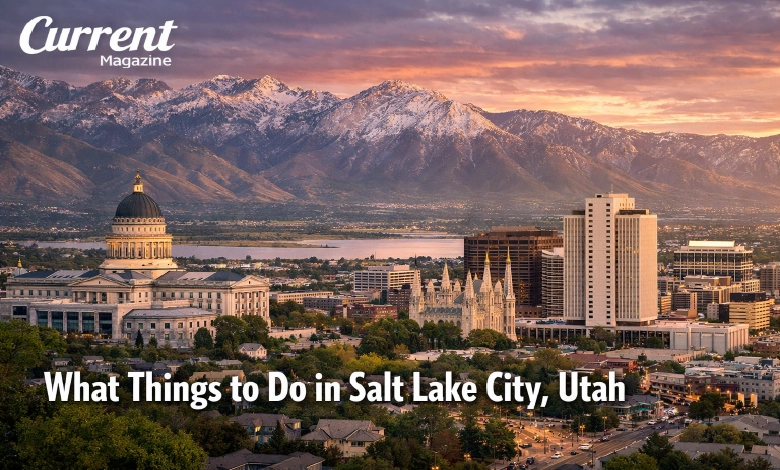
If you have been wondering what things to do in Salt Lake City Utah, get ready to be genuinely surprised by how much this remarkable city has to offer. Salt Lake City is one of the most underrated travel destinations in the entire United States — a dynamic, outdoor-obsessed, culturally rich, and surprisingly cosmopolitan city that sits at the foot of the Wasatch Mountains and serves as the gateway to some of the most spectacular natural landscapes in North America. Most people think of Salt Lake City as a quick stopover on the way to Utah’s famous national parks or as simply the home of the Mormon Temple — and while both of those things are true, they barely scratch the surface of what this extraordinary city actually offers its visitors.
Salt Lake City has world-class skiing literally 30 minutes from downtown. It has a food scene that has exploded in quality and diversity over the past decade. It has fascinating history, excellent museums, a thriving arts and music culture, beautiful architecture, stunning mountain views from virtually every street corner, and an outdoor recreation culture that makes residents some of the most active and health-conscious people in the country. Whether you are visiting for a weekend or spending a full week exploring everything the city and its surroundings have to offer, Salt Lake City will surprise you, impress you, and almost certainly make you want to come back.
This complete guide covers the very best things to do in Salt Lake City Utah — from iconic landmarks and world-famous ski resorts to hidden neighborhood gems and day trips that will take your breath away.
1. Visit Temple Square and the Historic Church District
Any visit to Salt Lake City begins at Temple Square — the most visited tourist destination in the entire state of Utah and one of the most recognizable landmarks in the American West. This beautifully landscaped 35-acre complex in the heart of downtown Salt Lake City is the spiritual and historical center of The Church of Jesus Christ of Latter-day Saints and a place of genuine architectural beauty and historical significance that rewards visitors of all backgrounds and beliefs.
The Salt Lake Temple itself is one of the most iconic buildings in all of America — a stunning Gothic-influenced granite structure that took 40 years to complete and remains the architectural centerpiece of the entire city. While the temple interior is only open to members of the faith, the surrounding grounds are open to all visitors and are extraordinarily beautiful, particularly in spring when the gardens are in full bloom and in winter when holiday lights transform the entire complex into a breathtaking display.
The Tabernacle on Temple Square is one of America’s most remarkable architectural achievements — an enormous oval wooden structure built in the 1860s with acoustics so extraordinary that a pin dropped at one end can be heard clearly at the other. The Mormon Tabernacle Choir rehearses and performs here, and attending a free Thursday evening rehearsal or Sunday morning broadcast is one of the most memorable and moving cultural experiences available in Salt Lake City.
The Church History Museum adjacent to Temple Square offers an excellent and surprisingly nuanced exploration of the history of the Latter-day Saint movement from its origins in upstate New York through the pioneer migration to Utah and into the present day. The museum is free, beautifully designed, and genuinely interesting even for visitors with no personal connection to the faith.
2. Ski or Snowboard at World-Class Resorts
Salt Lake City makes a bold and entirely justified claim — it is the only major American city where you can ski world-class mountains within 30 to 45 minutes of downtown. The Wasatch Mountains that tower over the city to the east are home to an extraordinary concentration of ski resorts that together form one of the greatest skiing destinations on the entire planet.
Alta Ski Area is one of the most beloved and respected ski resorts in all of America — a skiers-only mountain (no snowboarders allowed, preserving a specific atmosphere that devoted skiers cherish deeply) with legendary light powder snow, challenging terrain, and an old-school mountain culture that has been drawing passionate skiers for generations. Alta receives an average of over 500 inches of snow per year and the quality of that snow — the famous Utah light powder that skiers call champagne powder — is unlike anything you will find at most other resorts.
Snowbird Ski and Summer Resort sits right next to Alta and offers some of the most challenging and exhilarating terrain in North America. The aerial tram that rises 2,900 vertical feet to Hidden Peak is one of the most impressive ski area infrastructure achievements anywhere, and the views from the top on a clear day are absolutely staggering.
Park City Mountain Resort and Deer Valley Resort are located about 45 minutes from downtown Salt Lake City and together form the largest ski resort in the United States. Park City hosted events during the 2002 Winter Olympics and Deer Valley is consistently rated one of the top ski resorts in all of America for its impeccable grooming, exceptional service, and outstanding food.
Even if you visit Salt Lake City in summer, the mountain resorts offer spectacular hiking, mountain biking, scenic gondola rides, and outdoor concerts that make them wonderful destinations year-round.
3. Hike the Wasatch Mountains
Salt Lake City has more hiking trails accessible from its urban core than virtually any other major American city, and the quality of those trails is extraordinary. The Wasatch Front — the mountain range that forms the dramatic eastern backdrop of the Salt Lake Valley — offers hiking for every ability level from gentle nature walks to challenging summit scrambles that reward with views stretching hundreds of miles in every direction.
Millcreek Canyon is one of the most popular and accessible hiking destinations from the city, with a paved road leading up the canyon and numerous trailheads offering hikes of varying difficulty through beautiful mountain terrain. The Millcreek Canyon Trail follows the stream through gorgeous scenery, and the Desolation Trail offers a more challenging climb with outstanding views.
Big Cottonwood Canyon and Little Cottonwood Canyon both offer spectacular hiking in addition to their world-famous ski resorts. The Lake Blanche Trail in Big Cottonwood Canyon is considered one of the best day hikes in all of Utah — a moderately challenging 6.7-mile round trip that climbs through dramatic mountain terrain to a stunning alpine lake that sits beneath the jagged peaks of the Wasatch.
Mount Olympus looming directly above the Salt Lake Valley is one of the most iconic and rewarding hikes in the area — a challenging 8.5-mile round trip that gains nearly 4,000 feet of elevation and rewards with one of the most spectacular views of the Salt Lake Valley and the Great Salt Lake that you will ever see.
Red Butte Garden Trail offers a gentler and more accessible hiking experience in a beautiful botanical garden setting that transitions seamlessly into mountain terrain above the University of Utah campus.
4. Experience the Great Salt Lake
The Great Salt Lake is one of the most extraordinary natural phenomena in North America — the largest saltwater lake in the Western Hemisphere and one of the largest terminal lakes in the world. The lake has no outlet, meaning all water that flows into it can only leave through evaporation, concentrating the salt to levels that make the water denser than the ocean and give it a buoyancy that allows swimmers to float effortlessly without any effort whatsoever.
Antelope Island State Park in the Great Salt Lake is one of Utah’s most spectacular and undervisited state parks — a large island accessible by a seven-mile causeway that is home to one of the largest free-roaming bison herds in the entire United States. The park also supports populations of pronghorn antelope, mule deer, coyotes, bighorn sheep, and an extraordinary variety of shorebirds and waterfowl that use the lake as a critical stopover on the Pacific Flyway.
Swimming in the Great Salt Lake at Antelope Island is one of those experiences that everyone should try at least once — the sensation of floating effortlessly in the dense, warm salt water is unlike anything else you will experience anywhere, and the views of the lake, the mountains, and the vast sky from the water’s surface are genuinely breathtaking.
The bison herds on Antelope Island are a particular highlight — these massive animals roam freely across the island and encounters with them at relatively close range (always maintain a safe distance) are among the most impressive wildlife experiences available anywhere in Utah.
5. Explore Downtown Salt Lake City’s Cultural Institutions
Downtown Salt Lake City has developed an excellent collection of cultural institutions that make it a genuinely rewarding destination for museum lovers, arts enthusiasts, and history buffs of all kinds.
The Natural History Museum of Utah at the University of Utah is one of the finest natural history museums in the entire country — a beautifully designed building on the mountain foothills above the city that houses an extraordinary collection of dinosaur fossils, Utah geological specimens, Native American cultural artifacts, and stunning exhibits on the natural history of the Great Basin region. The dinosaur galleries alone are worth the price of admission — Utah’s geology has produced some of the richest dinosaur fossil beds in the world, and the museum’s collection reflects that extraordinary abundance.
The Utah Museum of Fine Arts on the University of Utah campus offers an impressive permanent collection spanning five thousand years of art history alongside rotating special exhibitions that regularly bring major works and artists to Salt Lake City. The museum is free for Utah residents and very affordable for visitors, making it one of the best value cultural experiences in the city.
The Clark Planetarium in the Gateway District offers excellent astronomy programming, an IMAX theater, and free public access to a fascinating set of science and space exhibits that are particularly wonderful for families with curious children.
The Utah State Capitol is one of the most beautiful state capitol buildings in the entire country — a stunning Corinthian-style domed structure that sits on a hill above downtown and offers free tours, beautiful grounds with extraordinary views of the Salt Lake Valley, and a genuine sense of architectural grandeur that rewards a visit even from people with no particular interest in government or politics.
6. Discover Salt Lake City’s Thriving Food Scene
Salt Lake City’s food scene has undergone a remarkable transformation over the past decade and has emerged as one of the most exciting and diverse culinary landscapes of any mid-sized American city. The combination of a growing international population, a culture of outdoor health-consciousness, and a new generation of talented chefs committed to local sourcing has produced a restaurant scene that consistently surprises visitors expecting something much more limited.
9th and 9th is Salt Lake City’s most beloved food and neighborhood destination — a charming intersection and surrounding streets in the east side of the city where excellent independent restaurants, coffee shops, bookstores, and boutiques create an atmosphere of relaxed urban sophistication that is the city’s best-kept secret.
Takashi is widely considered one of the finest Japanese restaurants in the entire Mountain West — an intimate downtown spot serving sushi and Japanese-inspired dishes of extraordinary quality that would be celebrated in any major American city. The fact that one of the country’s best Japanese restaurants is in Salt Lake City is a perfect example of why this city consistently surprises visitors.
Red Iguana is a Salt Lake City institution — a beloved Mexican restaurant famous for its extraordinary mole sauces that has been drawing devoted regulars for decades. The lines outside Red Iguana are a reliable indicator of just how good the food is, and the mole negro and mole coloradito are genuinely among the best you will taste outside of Mexico.
Bruges Waffles and Frites serves authentic Belgian waffles and fries in a casual downtown setting that has become one of Salt Lake City’s most beloved quick-service dining experiences. The liège waffles with pearl sugar and toppings are extraordinarily good and the frites with dipping sauces are equally excellent.
The Rose Establishment in the Granary District is one of the finest coffee shops in the entire Mountain West — a beautifully designed, carefully curated cafe that takes both coffee and food with genuine seriousness and produces results of outstanding quality in one of the most beautiful cafe spaces you will find anywhere.
7. Explore the Granary District and 9th and 9th
Salt Lake City has several wonderful neighborhoods that reward slow, foot-powered exploration and reveal the city’s creative, independent, and community-minded character in ways that downtown tourist attractions cannot.
The Granary District is Salt Lake City’s most exciting emerging neighborhood — a formerly industrial area southwest of downtown that has been transformed by artists, small businesses, craft breweries, coffee roasters, and creative enterprises into one of the most interesting and authentic urban neighborhoods in Utah. The area has a genuine creative energy and a still-developing character that makes exploring it feel like discovering something before it becomes widely known.
9th and 9th as mentioned earlier in the food section is worth exploring as a neighborhood in its own right — an established, tree-lined residential and commercial area that has the most naturally European feel of any Salt Lake City neighborhood, with its concentration of independent businesses, walkable streets, and community-focused atmosphere.
Sugar House is another beloved Salt Lake City neighborhood — a lively, progressive, and well-established commercial district with excellent restaurants, bars, coffee shops, boutiques, and the beautiful Sugar House Park, which offers great views of the Wasatch Mountains and is one of the city’s most popular recreational green spaces.
8. Attend a Utah Jazz NBA Game
The Utah Jazz is Salt Lake City’s beloved NBA franchise and attending a game at the Delta Center in downtown Salt Lake City is one of the most energetic and enjoyable sports experiences in the Mountain West. Jazz fans are among the most passionate and knowledgeable in the league, and the Delta Center atmosphere on game nights is electric in a way that rewards visitors who might not normally follow basketball.
The Delta Center itself is an excellent arena that has undergone significant renovations and offers great sight lines, excellent food and drink options, and a downtown location that integrates perfectly with the surrounding restaurants and bars for pre and post-game socializing. Check the Jazz schedule when planning your visit and if a home game falls during your trip, making the effort to attend is absolutely worth it.
9. Day Trip to Utah’s Spectacular National Parks
Salt Lake City serves as the perfect base for exploring what is arguably the greatest concentration of stunning national park landscapes in the entire world. Within a few hours of the city, five extraordinary national parks — often called the Mighty Five — offer some of the most dramatic and awe-inspiring scenery on the entire planet.
Arches National Park near Moab is about four hours from Salt Lake City and home to over 2,000 natural stone arches including the iconic Delicate Arch that appears on Utah’s license plate. The landscape is so otherworldly and beautiful that first-time visitors frequently struggle to believe it is real.
Zion National Park in southern Utah is about four and a half hours from Salt Lake City and offers some of the most dramatic canyon scenery in North America. The Narrows hike — wading through the Virgin River through towering slot canyon walls — is one of the most extraordinary hiking experiences in the entire world.
Bryce Canyon National Park is famous for its extraordinary hoodoo formations — tall, thin rock spires that rise from the canyon floor in colors ranging from deep red to cream white that change dramatically with the light at different times of day.
Capitol Reef National Park and Canyonlands National Park round out the Mighty Five and offer their own extraordinary landscapes of cliffs, canyons, arches, and desert wilderness that feel genuinely remote and primordially beautiful.
Even if you only have time for one national park day trip from Salt Lake City, making the effort is absolutely worth it — these are among the greatest natural wonders on Earth and having them within reach of a city hotel is one of Salt Lake City’s most extraordinary gifts to its visitors.
10. Explore Park City — A World-Class Mountain Town
Just 45 minutes east of Salt Lake City over Parley’s Canyon, Park City is one of the most charming and well-appointed mountain towns in the entire United States — a beautifully preserved historic silver mining town that was transformed by the ski industry into a world-class resort destination and that today offers one of the best overall quality-of-life experiences of any small American city.
Historic Main Street in Park City is a beautifully restored Victorian-era commercial street lined with excellent restaurants, art galleries, boutiques, bars, and the famous Egyptian Theatre that hosts year-round programming and serves as one of the main venues for the Sundance Film Festival — the world’s most celebrated independent film festival that takes over Park City every January and transforms it into the most exciting cultural event in the Mountain West.
Park City is also home to the Utah Olympic Park — the facility built for the 2002 Winter Olympics that today serves as a training center for Olympic athletes and a public attraction where visitors can tour the facilities, ride a bobsled, and learn about the extraordinary legacy of the 2002 Games.
11. Visit Red Rocks Amphitheatre Area and Nearby Canyons
While the famous Red Rocks Amphitheatre is technically in Colorado near Denver, Salt Lake City has its own extraordinary red rock landscapes accessible within the city and in nearby canyons. Red Butte Canyon above the University of Utah offers stunning red rock scenery on accessible hiking trails. The drive up Emigration Canyon — the route the Mormon pioneers took into the Salt Lake Valley in 1847 — offers beautiful canyon scenery and a powerful connection to the history of the American West.
10 FAQs About Things to Do in Salt Lake City Utah
- How many days do you need to properly explore Salt Lake City?
Three to four days gives you enough time to explore the major downtown attractions, visit Temple Square, hike in the Wasatch Mountains, experience the Great Salt Lake, and enjoy the food scene. If you plan to ski or make national park day trips, adding two to three additional days allows you to experience these extraordinary attractions without feeling rushed. - What is the best time of year to visit Salt Lake City?
Salt Lake City is genuinely excellent in every season. Winter from December through March is ideal for skiing and snowboarding. Spring from April through June brings beautiful wildflowers and excellent hiking conditions. Summer from July through September offers hot days perfect for outdoor recreation and national park visits. Fall from September through November brings spectacular foliage and comfortable temperatures. Each season has its own distinct appeal. - Is Salt Lake City good for non-skiers visiting in winter?
Absolutely. Salt Lake City’s downtown cultural attractions, restaurant scene, museum circuit, and indoor entertainment options are excellent year-round. The Wasatch Mountains offer snowshoeing and winter hiking for non-skiers. Temple Square’s holiday light display in December is one of the most spectacular in the entire country. Winter is actually one of the best times to experience the city’s indoor cultural life. - How far is Salt Lake City from the national parks?
Arches National Park near Moab is approximately four hours south. Zion National Park is approximately four and a half hours south. Bryce Canyon is approximately four hours south. Capitol Reef is approximately three and a half hours south. Canyonlands near Moab is approximately four hours south. All are manageable as long day trips for motivated visitors or comfortable overnight excursions. - Is Salt Lake City expensive to visit?
Salt Lake City is generally more affordable than comparable Western cities like Denver, Seattle, or San Francisco. Hotel prices are reasonable, the restaurant scene offers excellent value at multiple price points, many major attractions including Temple Square and the State Capitol are free, and the extraordinary natural attractions of the Wasatch Mountains are accessible with minimal cost. - What is Salt Lake City most famous for?
Salt Lake City is most famous for Temple Square and its association with The Church of Jesus Christ of Latter-day Saints, its extraordinary proximity to world-class ski resorts, its position as the gateway to Utah’s Mighty Five national parks, and its hosting of the 2002 Winter Olympics. The city is also gaining recognition for its rapidly improving food scene and outdoor recreation culture. - Is Salt Lake City a good destination for outdoor enthusiasts?
It is genuinely one of the best outdoor recreation cities in the entire United States. World-class skiing and snowboarding within 30 minutes of downtown, hundreds of miles of hiking and mountain biking trails in the adjacent Wasatch Mountains, the extraordinary Great Salt Lake, and proximity to five national parks make Salt Lake City an outdoor enthusiast’s dream destination. - Can you swim in the Great Salt Lake?
Yes and it is a wonderful experience. The water’s high salt content makes floating effortless and the sensation is unlike anything most swimmers have experienced before. Antelope Island State Park offers the best swimming access. Be aware that the lake’s shores can have brine flies during summer months — they do not bite but can be present in large numbers. Shower facilities are available at the park. - Is Salt Lake City safe for tourists?
Salt Lake City is generally a very safe city for visitors. The downtown area, Temple Square, the university district, and the main neighborhoods are all comfortable and welcoming for tourists. Standard big-city awareness is always recommended, particularly in less-traveled areas at night. - What unique food experiences should I not miss in Salt Lake City?
Do not miss Red Iguana’s legendary mole sauces, Takashi’s exceptional Japanese cuisine, Bruges Waffles and Frites’ authentic Belgian liège waffles, The Rose Establishment’s outstanding coffee and food, and the increasingly excellent craft brewery scene centered around the Granary District. Also look for fry sauce — a Utah-specific condiment of mayonnaise and ketchup that accompanies fries throughout the city and is genuinely delicious.
Final Thoughts
Salt Lake City, Utah is a city that has been quietly building something extraordinary for decades — a place where world-class outdoor adventure meets genuine urban sophistication, where ancient geological wonders are visible from downtown street corners, where a thriving food and arts scene coexists with deep spiritual heritage, and where the combination of mountain air, stunning landscapes, and warm community spirit creates an atmosphere that is genuinely unlike any other city in America.
Visitors who come expecting a conservative, limited, or one-dimensional experience consistently leave astonished by how much Salt Lake City surprised them — by the quality of the food, the beauty of the mountains, the depth of the cultural institutions, the friendliness of the people, and the sheer variety of extraordinary experiences packed into one remarkable destination.