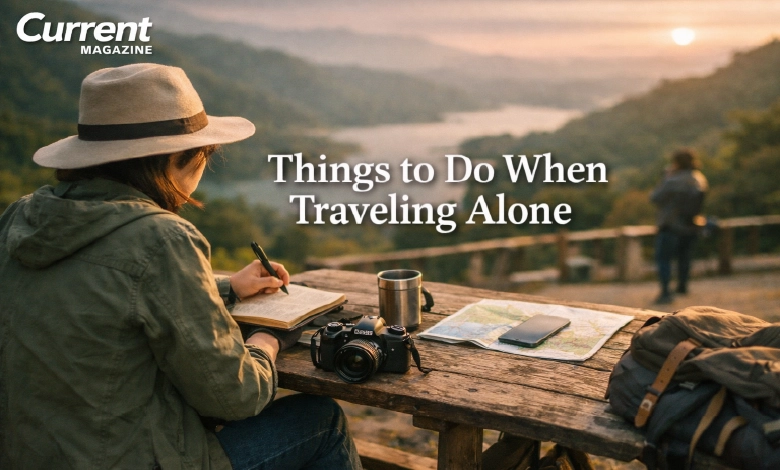
If you’ve been searching for things to do when traveling alone, you’re already braver than most people. Solo travel is one of the most rewarding experiences a person can have. Whether you’re heading out for the first time by yourself or you’re a seasoned solo traveler looking for fresh ideas, this guide is packed with practical tips, fun activities, and honest advice to help you make the most of every trip you take on your own.
Traveling alone gives you total freedom. You wake up when you want, eat where you want, stay as long as you like at a museum or leave early if it bores you. Nobody is waiting on you. Nobody is slowing you down. That kind of freedom is rare in everyday life, and when you learn how to use it well, solo travel becomes something you look forward to more than almost anything else.
1. Plan Loosely — Leave Room for Surprise
One of the biggest mistakes solo travelers make is over-planning. When you’re with a group, a tight schedule makes sense. But when you’re alone, a rigid itinerary takes away the best part of solo travel — the ability to follow your curiosity.
Make a rough list of the top three or four things you really want to see or do. Book your first night’s accommodation so you’re not scrambling when you arrive tired. After that, leave your days open. Some of the best experiences in solo travel happen when you wander down a street that looked interesting, say yes to an invitation from someone you just met, or stumble into a local festival that wasn’t in any guidebook.
A loose plan is a happy plan when you’re traveling solo.
2. Stay in Social Accommodations
Where you sleep matters more when you’re alone. Booking a private hotel room for two weeks of solo travel can feel isolating. Instead, consider hostels — even if you’re not in your twenties, they’re a fantastic way to meet fellow travelers, and many now offer private rooms with shared social spaces. Small family-run guesthouses often include shared breakfast areas where conversations flow naturally. Home stays and Couchsurfing give you an insider’s view of a place that no hotel can match. Boutique hotels with social bars or common areas are also great options for travelers who want connection without sharing a dorm room.
The place you sleep becomes your base camp. Choose it with your social life in mind, not just the price or the pillow count.
3. Eat at the Bar or Counter
Food is one of the great joys of travel, but sitting alone at a restaurant table can feel awkward. Here’s the fix: sit at the bar or the counter. Bar and counter seating is made for solo diners. You’re naturally positioned to talk to the bartender, the chef, or the person sitting next to you. Ask the bartender what the locals order. Ask the chef what they’re proud of on the menu. These small conversations often turn into recommendations, invitations, or just a memorable exchange that sticks with you long after the meal is over.
Street food markets are another solo traveler’s paradise. You walk around, point at things, eat standing up, and naturally drift into conversation with vendors and other visitors. No awkward empty chair across from you. Just great food and easy human connection.
4. Take a Free Walking Tour
Free walking tours exist in almost every major city in the world. They’re led by local guides who work for tips, which means they’re genuinely motivated to give you an outstanding experience. These tours are ideal for solo travelers for two big reasons.
First, they give you a strong sense of orientation. After a two-hour walk around the old city center, you’ll know where the main squares are, what the neighborhoods feel like, and where to go back and explore on your own. Second, they’re full of other travelers — many of them solo. It’s one of the easiest places in the world to strike up a conversation. By the end of the tour, you’ll often find yourself heading to a nearby café with two or three people you just met.
5. Visit Local Markets
Markets — food markets, flea markets, night markets, craft markets — are the beating heart of a local community. When you’re traveling alone, they’re ideal because they require no reservation, no companion, and no specific plan. You just show up and let the place wash over you.
At a food market, you taste things you’ve never heard of. At a flea market, you dig through old photographs and second-hand treasures that tell you more about a city than any museum could. At a night market in Southeast Asia, you eat, drink, and watch the world go by until midnight without spending much money at all. Markets are also great for practicing the local language — even a few clumsy words of greeting will earn you genuine smiles from vendors.
6. Join a Group Tour or Day Trip
Solo travel doesn’t mean doing everything alone. Day trips and group tours are a wonderful way to see places that are hard to reach independently, while also spending time with other people. A cooking class in Thailand, a wine tour in Tuscany, a guided hike through Patagonia — these experiences become richer when shared. You’ll often find yourself grouped with other solo travelers who are just as open to connection as you are.
Platforms like Airbnb Experiences, Viator, and GetYourGuide make it easy to find small-group experiences wherever you are. Look for tours with a maximum of ten to twelve people for the most intimate atmosphere.
7. Sit in a Café and Journal or Read
Traveling alone gives you something that’s hard to find at home: quiet, unhurried time to think. Use it. Sit in a beautiful café with a good book or a journal. Watch people come and go. Write down what you’ve seen and felt over the last few days before the details start to blur.
Solo travelers who journal tend to remember their trips more vividly for years afterward. You don’t need to be a writer — just jot down what you ate, who you talked to, what surprised you, and what disappointed you. It becomes a personal record of your life that you’ll treasure. Cafés are also great for slow, unstructured conversations with strangers. A simple “Where are you from?” to someone nearby can be the start of something genuinely interesting.
8. Learn Something New and Local
Solo travel is the perfect setting for learning. With no one else’s schedule to consider, you can spend a full day at a language class, a surf lesson, a pottery workshop, or a meditation retreat without compromise. Many travelers find that learning something local — a dance style, a cooking technique, a traditional craft — connects them more deeply to the place they’re visiting than sightseeing alone ever could. You’re not just observing the culture. You’re participating in it.
Look for short workshops and classes when you arrive. Ask your hostel owner. Check noticeboards in cafés. These informal, locally-run experiences are often the best ones.
9. Be Smart About Safety
Solo travel is generally very safe, but it requires a slightly higher level of awareness than traveling in a group. A few simple habits make a real difference. Share your itinerary with someone back home and check in with them every couple of days. Keep digital copies of your important documents — passport, visa, travel insurance, bank card details — stored somewhere accessible online. Trust your instincts: if a situation feels off, leave it. You don’t owe anyone an explanation.
Be aware of your surroundings in crowded tourist areas where pickpockets tend to work. Use a money belt or keep your phone and wallet in a secure pocket when walking through busy markets or transit hubs. Solo travelers who stay alert and listen to their gut rarely get into serious trouble.
10. Embrace the Loneliness When It Comes
Here’s something most solo travel guides won’t tell you: loneliness is part of the experience, and that’s okay.
There will be a moment — maybe at a beautiful viewpoint, maybe over a meal, maybe watching a sunset — when you wish you had someone to share it with. That feeling is real. Don’t fight it. Acknowledge it, sit with it for a moment, and then let it pass.
That moment of loneliness often gives way to something unexpected: a deep sense of your own independence. You’re here. You got yourself here. You figured out the bus schedule, navigated a foreign city, ate food you couldn’t pronounce, and made it to this beautiful place entirely on your own. That feeling of self-reliance is one of the greatest gifts solo travel gives you, and it stays with you long after you’ve come home.
11. Talk to Locals — Not Just Other Tourists
It’s easy to fall into a bubble of other travelers when you’re staying in hostels and taking group tours. But the most meaningful connections in solo travel often happen with locals. Ask your café owner where they grew up. Talk to the person sitting next to you on the bus. Ask a shopkeeper about the neighborhood. Most people, in most parts of the world, are genuinely happy to talk to a curious, respectful traveler who shows an interest in their life.
These conversations rarely lead to Instagram-worthy adventures. But they give you a texture and depth of understanding of a place that no tour guide can replicate.
12. Document Your Trip Your Own Way
When you travel with others, photography is a compromise. Solo travel lets you document exactly what matters to you — whether that’s portraits of strangers, architecture, food, or the quality of light at 6 AM before the tourists arrive. You don’t need expensive equipment. A smartphone camera is more than enough. What matters is developing your own eye and capturing the world without rushing.
Consider starting a private travel blog, a photo journal, or a short video diary. Looking back on these records months or years later is one of the greatest pleasures of being a committed solo traveler.
Final Thoughts
Traveling alone is one of the most personally transformative things you can do. It teaches you to trust yourself, to be comfortable in uncertainty, to connect with strangers, and to find joy in your own company. The things to do when traveling alone are really just the things that make a full, curious, engaged human life — exploring, eating, learning, talking, observing, and occasionally sitting still long enough to appreciate where you are.
You don’t need a travel companion to have a great trip. You just need a bag, a plan loose enough to bend, and the willingness to say yes to what shows up.
10 FAQs About Traveling Alone
- Is it safe to travel alone for the first time?
Yes. Solo travel is safe for most destinations when approached with basic common sense. Research your destination, share your itinerary with someone at home, stay in well-reviewed accommodations, and trust your instincts. Most first-time solo travelers find it far less scary than they imagined. - What are the best destinations for solo travel?
Japan, Portugal, Iceland, Thailand, New Zealand, and Colombia are consistently rated among the best for solo travelers due to their safety, ease of navigation, friendly locals, and strong solo traveler communities. - How do I meet people when traveling alone?
Stay in hostels, join free walking tours, take cooking classes or group day trips, eat at bar seating, and spend time in communal spaces like hostel kitchens and café common areas. Connection happens naturally when you put yourself in social environments. - How much money do I need for solo travel?
It depends on your destination and style. Budget travelers in Southeast Asia can manage on $30–$50 a day. Europe and North America tend to run $80–$150 a day. Accommodation and food are your biggest costs, and both can be reduced significantly with planning. - What should I pack for a solo trip?
Pack light. Essentials include a reliable daypack, a universal power adapter, a portable charger, a basic first aid kit, digital copies of your documents, and a good pair of walking shoes. Lay out everything you think you need, then put half of it back. - How do I handle eating alone in restaurants?
Sit at the bar or counter when available. Bring a book or journal. Try street food markets where solo dining is completely normal. In time, eating alone becomes one of the most peaceful parts of solo travel. - What are the mental health benefits of solo travel?
Solo travel builds confidence, reduces anxiety about the unknown, improves problem-solving skills, and increases self-awareness. Many solo travelers feel more grounded, resilient, and clear-headed after a trip than before it. - How do I stay connected with family while traveling alone?
Get a local SIM card or an international data plan. Apps like WhatsApp or FaceTime make regular check-ins easy. Set a simple routine — a short message every evening — so loved ones at home don’t worry. - What should I do if I feel lonely while traveling alone?
Head to a social space like a hostel common area or café. Join a walking tour or group activity. Call a friend back home. Write in your journal. Loneliness in solo travel usually passes quickly and often gives way to a satisfying sense of independence. - Can introverts enjoy solo travel?
Absolutely. Many introverts find solo travel far more enjoyable than group travel because it removes the pressure of constant group dynamics. You can socialize on your own terms, recharge quietly, and structure your days entirely around your own energy levels.