
Dorothy Bowles Ford: The Remarkable Mother Behind Tennessee’s Mayor Harold Ford Jr.

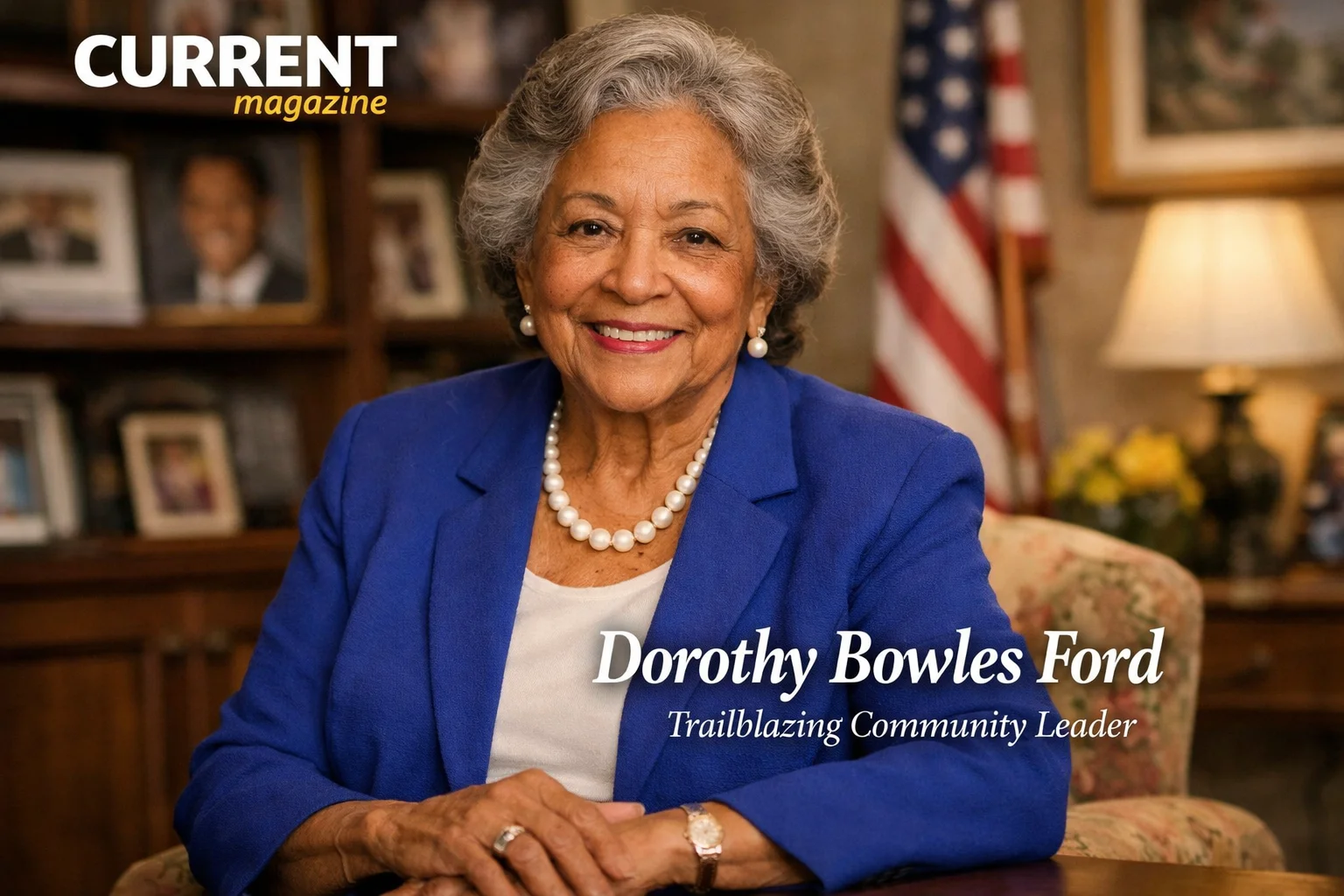
When people search for Dorothy Bowles Ford, they’re looking to learn about the extraordinary woman who raised one of Tennessee’s most prominent political figures. Dorothy Bowles Ford is best known as the mother of Harold Ford Jr., the former U.S. Representative from Tennessee, and the ex-wife of Harold Ford Sr., who also served in Congress. Despite being connected to a powerful political family, Dorothy has maintained a dignified, private life while making significant contributions to her community. In this comprehensive article, we’ll explore Dorothy Bowles Ford’s life, her role in shaping a political dynasty, her career, and the values she instilled in her children.
Who Is Dorothy Bowles Ford?
Dorothy Bowles Ford is an American woman whose name is forever linked to the Ford political family of Tennessee. She was married to Harold Ford Sr., who represented Tennessee’s 9th congressional district for 22 years (1975-1997), making him one of the longest-serving African American congressmen from the South during his era.
While her former husband and son both achieved national recognition in politics, Dorothy carved out her own path as an educated professional and dedicated mother. She represents the backbone of many political families—the person who provides stability, guidance, and support behind the scenes while maintaining their own identity and career.
Dorothy’s story is particularly compelling because she managed to balance being part of a high-profile political family while pursuing her own professional goals and raising children who would go on to achieve great success.
Early Life and Education
Dorothy Bowles was born and raised during a time when opportunities for African American women were limited, yet she pursued education with determination. While specific details about her early childhood remain private, what is known is that Dorothy prioritized education from a young age.
She attended college and earned her degree at a time when higher education was not as accessible to women, particularly African American women. This commitment to education would later become a central value she passed on to her children. Dorothy understood that education was not just about getting a degree—it was about opening doors, creating opportunities, and having the tools to make a difference in the world.
Her educational background prepared her for a professional career, and she became an example to her children that both parents could be accomplished professionals, not just their father who was in the political spotlight.
Marriage to Harold Ford Sr.
Dorothy Bowles married Harold Ford Sr., who would become a significant figure in Tennessee and national politics. Their marriage brought together two ambitious, educated African Americans who were committed to making a difference in their community.
Harold Ford Sr. was first elected to Congress in 1974, representing Memphis and surrounding areas. His election was historic, as he was one of the few African American congressmen from the South at that time. This meant that Dorothy was thrust into the role of a congressman’s wife, which came with its own set of expectations and challenges.
As the wife of a congressman, Dorothy had to navigate the demanding world of politics while maintaining her family life. Congressional spouses often face intense scrutiny, must attend numerous events, and deal with the constant travel and time demands that come with political life. Dorothy handled these responsibilities while also pursuing her own career and ensuring her children had a stable home environment.
The Ford household in Memphis became a place where politics, community service, and family values intersected. Dorothy and Harold Sr. raised their children in an environment where civic engagement, education, and giving back to the community were fundamental values.
Career and Professional Life
Unlike some political spouses who focus exclusively on supporting their partner’s career, Dorothy Bowles Ford maintained her own professional identity. She worked as a professional in her own right, though she kept many details of her career private.
Dorothy’s decision to maintain her career while supporting her husband’s political ambitions and raising their children was progressive for her time. She demonstrated to her children, especially her daughters, that women could have their own professional accomplishments while also being supportive partners and dedicated mothers.
Her work ethic and professional dedication served as a powerful example in the Ford household. She showed that success wasn’t just about political office or public recognition—it was also about doing meaningful work, contributing to society, and maintaining your own sense of purpose and identity.
Motherhood and Raising the Ford Children
Perhaps Dorothy Bowles Ford’s most significant achievement is raising three accomplished children who have all made their mark on the world. Her children are:
Harold Ford Jr. – The most publicly known of Dorothy’s children, Harold Jr. served as a U.S. Representative for Tennessee’s 9th congressional district from 1997 to 2007. He made history as one of the youngest African American congressmen when first elected at age 26. He ran for the U.S. Senate in 2006 in a highly publicized campaign and later became a financial executive and political commentator.
Jake Newton Ford – Dorothy’s second son has maintained a more private life compared to his brother but has been successful in his own right.
Sir Isaac Ford – Dorothy’s youngest son has also chosen to keep a lower profile while pursuing his own professional path.
Dorothy raised her children with strong values that emphasized education, hard work, integrity, and service to others. Despite growing up in a political household with all the privileges and pressures that entailed, the Ford children were taught not to take their opportunities for granted.
Dorothy was known to be a hands-on mother who prioritized her children’s education and character development. She made sure they understood the importance of their family’s legacy but also encouraged them to forge their own paths. She taught them that their last name opened doors, but it was their character and hard work that would determine their success.
The Divorce and Life After
Dorothy Bowles Ford and Harold Ford Sr. eventually divorced, though they kept the details of their separation private. Divorce is never easy, especially when it involves a high-profile family, but Dorothy handled the situation with grace and dignity.
After her divorce, Dorothy continued to focus on her children and her own life. She maintained her privacy and didn’t seek media attention or make public statements about her former husband or their marriage. This discretion is notable in an era where many people connected to famous families seek to profit from their associations through books, interviews, or reality television.
Dorothy’s ability to maintain her dignity and privacy while going through a difficult personal situation taught her children valuable lessons about handling adversity with grace. She showed them that it’s possible to move forward after major life changes without bitterness or public drama.
Dorothy’s Influence on Harold Ford Jr.’s Career
The impact Dorothy Bowles Ford had on her son Harold Jr.’s political career cannot be overstated. As a young congressman, Harold Jr. often spoke about the values his mother instilled in him—values that shaped his approach to public service.
Dorothy taught her son that political power should be used to help others, not for personal gain. She emphasized the importance of education, which was reflected in Harold Jr.’s focus on education policy during his time in Congress. She also taught him to be respectful, articulate, and to always maintain his integrity, qualities that helped him succeed in the often-contentious world of politics.
When Harold Jr. ran for the U.S. Senate in 2006, Dorothy was a source of support and guidance. Though the campaign was ultimately unsuccessful, Harold Jr. conducted himself with the dignity and grace his mother had modeled throughout his life. He didn’t resort to negative campaigning or personal attacks, even when facing tough opposition.
Harold Jr. has publicly credited his mother with much of his success, acknowledging that her support, wisdom, and high expectations pushed him to achieve more than he might have otherwise. He’s spoken about how she balanced being supportive with being demanding, never letting her children settle for less than their best effort.
Values and Legacy
Dorothy Bowles Ford’s legacy extends beyond her children’s accomplishments. She represents a generation of African American women who broke barriers, pursued education, maintained professional careers, and raised families that would go on to achieve great things.
Her core values included:
Education as Liberation – Dorothy believed that education was the key to opportunity and freedom. She made sure all her children understood that their education was not optional but essential.
Integrity Over Everything – In a world where the Ford name could have opened doors to shortcuts or questionable dealings, Dorothy taught her children that their reputation and integrity were their most valuable assets.
Service to Community – Growing up in a household where public service was the family business, Dorothy ensured her children understood that privilege came with responsibility. Those who had opportunities had an obligation to help those who didn’t.
Private Dignity – Dorothy demonstrated that you didn’t need to seek the spotlight to be important or influential. She showed that quiet strength and dignity were powerful in their own right.
Independence and Self-Sufficiency – By maintaining her own career and identity, Dorothy taught her children, especially her daughters-in-law and any daughters, that women should never be completely dependent on others for their identity or security.
The Ford Family Dynasty
To understand Dorothy Bowles Ford’s significance, it’s important to understand the Ford family’s place in Tennessee and American political history. The Ford family became one of the most influential African American political families in the South.
Harold Ford Sr. served 22 years in Congress and was a member of the Congressional Black Caucus. He was known for his work on behalf of his Memphis constituents and his role in advancing civil rights legislation.
Harold Ford Jr. continued the family legacy, serving 10 years in Congress. He was considered a rising star in the Democratic Party and was seen as part of a new generation of African American political leaders. He was more centrist than his father, appealing to both Black and white voters in Tennessee.
The Next Generation – Harold Jr. has children of his own now, and while it’s too early to know if they’ll enter politics, they carry forward the Ford family name and the values Dorothy helped establish.
Dorothy was the thread that connected these generations. She was the wife who supported the first generation’s entry into politics, the mother who raised the second generation, and the grandmother who helps shape the third generation. Her influence on this political dynasty is immeasurable.
Challenges Faced
Being Dorothy Bowles Ford was not without its challenges. She faced:
Racial Barriers – As an African American woman coming of age during the civil rights era, Dorothy faced discrimination and limited opportunities that white women didn’t encounter.
Gender Expectations – Society had specific expectations for women, especially political wives, during much of Dorothy’s adult life. She had to navigate these expectations while maintaining her own identity.
Public Scrutiny – Being married to a congressman meant that Dorothy’s life was more public than most people’s. Every decision, every appearance, and every family matter could potentially become public knowledge.
Balancing Act – Managing her own career while supporting her husband’s political ambitions and raising three children required extraordinary organizational skills and dedication.
Political Pressures – The world of politics is notoriously cutthroat. Dorothy had to protect her children from the negative aspects of political life while still preparing them to potentially enter that world themselves.
Divorce in the Public Eye – Ending a long marriage is difficult under any circumstances, but doing so when your family is well-known adds another layer of complexity.
Despite these challenges, Dorothy persevered and succeeded in raising a family that has made significant contributions to American society.
Dorothy Bowles Ford Today
Today, Dorothy Bowles Ford continues to live a private life, largely out of the public spotlight. While her son Harold Jr. occasionally appears on television as a political commentator and works in the financial sector, Dorothy has chosen to stay away from media attention.
She remains close to her children and grandchildren, continuing to be a source of wisdom and support for her family. Those who know her describe her as a woman of strong character, deep faith, and unwavering commitment to her family.
Dorothy’s decision to maintain her privacy in an age of social media and constant connectivity is a testament to her values. She doesn’t seek recognition or acclaim for her role in raising accomplished children or being part of a political dynasty. Instead, she finds satisfaction in her family’s success and in knowing she did her job as a mother well.
Lessons from Dorothy Bowles Ford’s Life
There are many valuable lessons we can learn from Dorothy Bowles Ford’s life:
1. Education is Non-Negotiable – Dorothy’s emphasis on education for her children shows us that investing in knowledge and learning is one of the most important things a parent can do.
2. Maintain Your Own Identity – Even while supporting a spouse and raising children, Dorothy kept her own career and identity. This is an important lesson for anyone in a relationship about not losing yourself in someone else’s life.
3. Privacy is Valuable – In an age where people share everything online, Dorothy reminds us that privacy and discretion are valuable. Not everything needs to be public.
4. Grace Under Pressure – Whether dealing with the pressures of political life or the challenges of divorce, Dorothy handled difficult situations with grace and dignity.
5. Values Matter More Than Fame – Dorothy focused on instilling values in her children rather than seeking fame for herself. This approach proved more valuable in the long run.
6. Support Doesn’t Mean Sacrifice – Dorothy supported her husband’s career but didn’t completely sacrifice her own ambitions. She found a way to do both.
7. Legacy is About More Than One Generation – By raising her children with strong values, Dorothy ensured that her legacy would extend beyond her own life and even beyond her children’s lives to future generations.
The Impact on the Memphis Community
While much of the focus on the Ford family has been on their national political achievements, Dorothy Bowles Ford’s impact on the Memphis community should not be overlooked. As a resident of Memphis and the matriarch of one of the city’s most prominent families, Dorothy contributed to her community in meaningful ways.
Memphis has a rich African American history and has been home to many influential Black families. The Ford family, with Dorothy at its center, became part of this legacy. They showed young African Americans in Memphis that political leadership was possible, that education could open doors, and that their community could produce national leaders.
Dorothy’s presence in Memphis, her work, and her family’s service to the community helped inspire other families to encourage their children to pursue higher education and consider careers in public service. The Ford family’s success became a source of pride for the African American community in Memphis and throughout Tennessee.
Comparing Dorothy to Other Political Matriarchs
When we look at American political history, we see several influential political matriarchs who, like Dorothy Bowles Ford, played crucial roles in their families’ success:
Rose Kennedy – The mother of President John F. Kennedy and Senators Robert and Ted Kennedy, Rose was known for her strong Catholic faith and emphasis on public service.
Barbara Bush – Wife of one president and mother of another, Barbara Bush was known for her literacy advocacy and no-nonsense personality.
Coretta Scott King – While not from an elected political family, Coretta continued her husband Martin Luther King Jr.’s civil rights work and raised children who carry on that legacy.
Like these women, Dorothy Bowles Ford understood that her role in supporting and raising the next generation of leaders was just as important as holding office herself. She understood that strong families produce strong leaders, and that the work done at home—instilling values, providing support, teaching life lessons—was foundational to any public success.
The Intersection of Race, Gender, and Politics
Dorothy Bowles Ford’s story is also important because of what it reveals about the intersection of race, gender, and politics in America. As an African American woman married to a Black congressman during the 1970s, 80s, and 90s, Dorothy occupied a unique position in American society.
She was part of a pioneering generation of African American political families who broke through barriers that had existed since Reconstruction. The Ford family’s success in Memphis politics came at a time when the South was still grappling with the changes brought about by the civil rights movement.
As a woman in this environment, Dorothy had to navigate expectations from multiple directions. The African American community looked to political families like the Fords as examples of what was possible. The broader society was watching to see if Black political leaders could be effective. And within the political world itself, Dorothy had to establish her place as a congressman’s wife who was also her own person with her own career.
Her success in navigating these complex dynamics while raising accomplished children and maintaining her dignity is remarkable. She did all of this during a time when African American women had fewer opportunities and less recognition than they do today.
Faith and Spirituality
While Dorothy Bowles Ford has kept many aspects of her personal life private, those who know the family have indicated that faith played an important role in the Ford household. The African American church has historically been a cornerstone of Black community life, particularly in the South, and the Ford family’s connection to their faith community was significant.
Faith likely provided Dorothy with strength during difficult times—whether dealing with the pressures of political life, raising children in the public eye, or navigating her divorce. The values taught in church—service to others, integrity, perseverance, forgiveness—align closely with the values Dorothy instilled in her children.
The role of faith in African American political families is often understated but crucial. The church has been a training ground for Black political leaders, providing organizational experience, public speaking practice, and a base of community support. Dorothy’s faith and her family’s connection to their faith community were likely important factors in their success.
Why Dorothy Bowles Ford Matters Today
In today’s world, where social media influencers and reality TV stars often capture more attention than people doing meaningful work behind the scenes, Dorothy Bowles Ford’s story is a powerful reminder of what really matters.
She reminds us that:
- Behind every successful person is often a strong family foundation – The support, values, and guidance provided at home are crucial to success in any field.
- You don’t need the spotlight to be influential – Dorothy’s influence on her children and through them on American politics is significant, even though she never held office or sought fame.
- Character is built over time through consistent values – Dorothy’s emphasis on education, integrity, and service shaped her children’s character over years, not through dramatic moments but through daily example.
- Women’s work in families deserves recognition – While Harold Ford Sr. and Jr. received public recognition for their political work, Dorothy’s work raising them and maintaining the household was equally important to their success.
- Privacy and dignity are virtues – In an era of oversharing, Dorothy’s choice to maintain her privacy while handling both success and challenges with dignity is admirable.
For young people, especially young African American women, Dorothy Bowles Ford’s life offers valuable lessons. She shows that it’s possible to support others while maintaining your own identity, to be part of something larger than yourself while still being your own person, and to make a significant impact without necessarily seeking the spotlight.
The Future of the Ford Legacy
As we look to the future, the question becomes: how will the Ford family legacy continue? Harold Ford Jr. has children of his own now, and while they’re still young, they carry forward the family name and the values Dorothy helped establish.
Will the next generation of Fords enter politics? Will they choose different paths? Whatever they choose, they’ll do so with the foundation Dorothy helped build—a foundation of education, integrity, service, and strong character.
The Ford family’s influence on Tennessee and national politics may evolve, but the core values Dorothy instilled will likely continue to guide family members in whatever they choose to do. And that, perhaps, is Dorothy’s greatest achievement—creating a legacy not just of political success, but of values that transcend any one career or generation.
10 Frequently Asked Questions About Dorothy Bowles Ford
1. Who is Dorothy Bowles Ford? Dorothy Bowles Ford is the ex-wife of former U.S. Representative Harold Ford Sr. and the mother of Harold Ford Jr., who also served in Congress. She is an educated professional who raised three children and maintained her own career while being part of a prominent political family in Tennessee.
2. How many children does Dorothy Bowles Ford have? Dorothy has three children: Harold Ford Jr. (former U.S. Representative), Jake Newton Ford, and Sir Isaac Ford. All three were raised with strong values emphasizing education, integrity, and public service.
3. What is Dorothy Bowles Ford’s educational background? While specific details about her education are private, Dorothy Bowles Ford is a college-educated woman who valued education highly. She earned her degree at a time when higher education was less accessible to African American women, and she passed this emphasis on education to her children.
4. Is Dorothy Bowles Ford still married to Harold Ford Sr.? No, Dorothy and Harold Ford Sr. divorced after many years of marriage. Both have maintained privacy about the details of their separation, handling it with dignity and discretion.
5. What does Dorothy Bowles Ford do for a living? Dorothy maintained her own professional career, though specific details have remained private. She worked as a professional while also supporting her husband’s political career and raising their three children. She has since retired from public professional life.
6. Where does Dorothy Bowles Ford live? Dorothy’s current residence is not publicly disclosed. The Ford family has historically been based in Memphis, Tennessee, but Dorothy has maintained her privacy regarding her current living situation.
7. How did Dorothy influence Harold Ford Jr.’s political career? Dorothy instilled values of education, integrity, and public service in Harold Jr. from a young age. She provided a stable home environment, emphasized the importance of character over fame, and taught him to use political power to help others. Harold Jr. has publicly credited his mother with much of his success.
8. What is Dorothy Bowles Ford’s age? Dorothy’s exact age and birthdate have not been publicly disclosed, as she has maintained significant privacy about her personal information. Based on the timeline of her marriage and her children’s ages, she is estimated to be in her 70s.
9. Is Dorothy Bowles Ford active on social media? No, Dorothy Bowles Ford does not have a public social media presence. She has consistently chosen to maintain her privacy and stay out of the public spotlight, preferring a private life away from media attention.
10. What is Dorothy Bowles Ford’s legacy? Dorothy’s legacy includes raising three successful children, particularly Harold Ford Jr., who served in Congress for a decade. More broadly, her legacy is about demonstrating that strong family values, education, integrity, and quiet dignity can create lasting impact across generations. She represents the often-unrecognized work that political spouses and mothers do to support and shape the next generation of leaders.
Conclusion
Dorothy Bowles Ford may not be a household name like her son Harold Ford Jr. or her ex-husband Harold Ford Sr., but her impact on American politics and on her family is profound. She represents the best of what political families can be—committed to service, grounded in strong values, and focused on making a positive difference rather than seeking personal glory.
Her story is one of quiet strength, consistent values, and lasting influence. She showed that you don’t need to hold office or seek the spotlight to make a significant impact. Sometimes the most important work happens behind the scenes, in the daily choices and values that shape the next generation.
For anyone interested in American politics, African American history, or the role of women in shaping political dynasties, Dorothy Bowles Ford’s story offers valuable insights. She is a reminder that behind every great leader is often a strong family foundation, and that the values instilled at home can shape not just individual lives but the course of communities and even nations.
As the Ford family legacy continues into future generations, Dorothy Bowles Ford’s influence will remain at its core—a testament to the power of a mother’s love, the importance of strong values, and the lasting impact of a life lived with dignity, purpose, and grace.