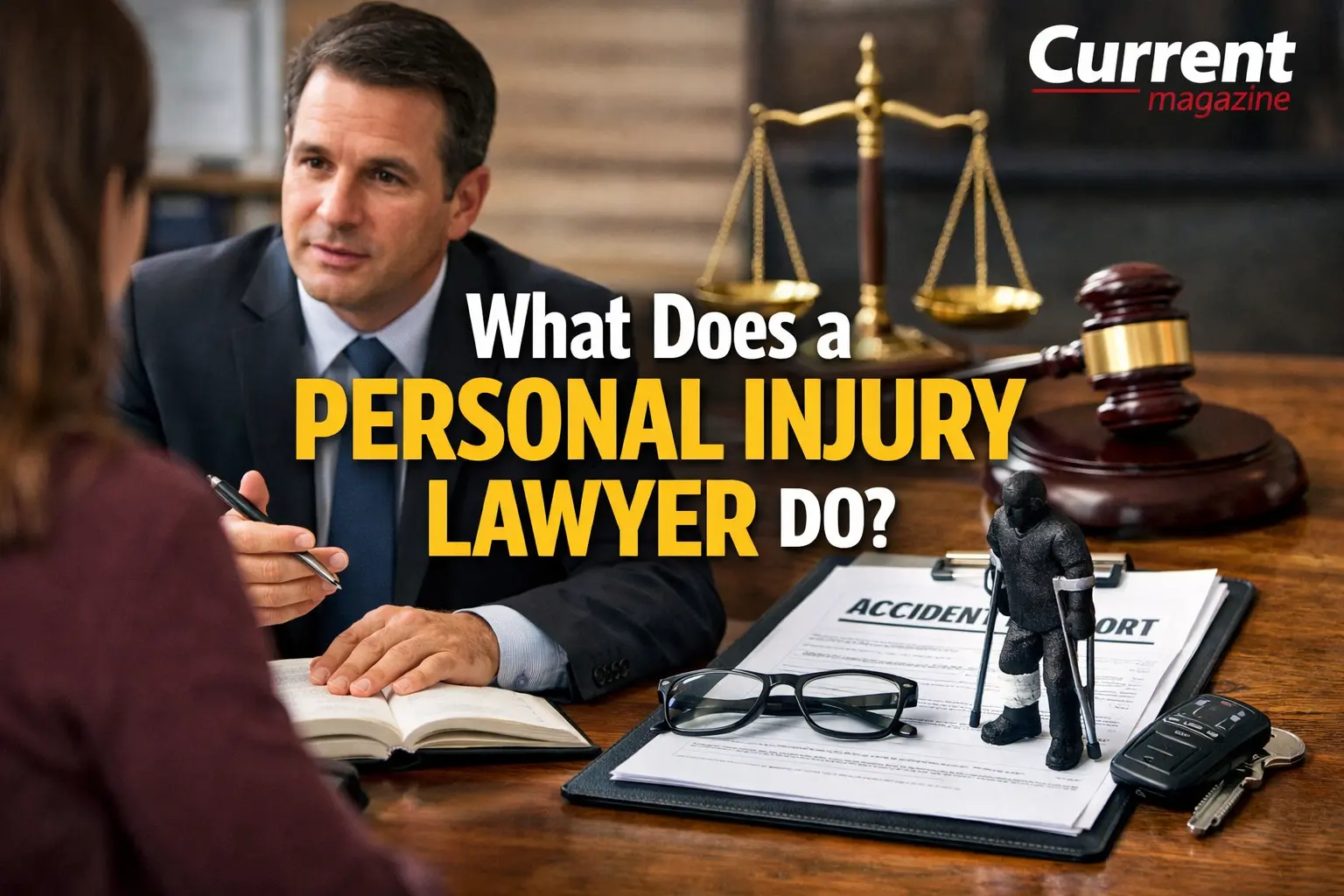
If you’ve been hurt in an accident and are wondering what does a personal injury lawyer do, understanding their role can help you get the compensation you deserve. A personal injury lawyer is a legal professional who represents people who have been injured due to someone else’s negligence or intentional actions. Understanding what a personal injury lawyer does is crucial when you’re facing medical bills, lost wages, and physical pain after an accident. These attorneys handle everything from car accidents to medical malpractice, working to secure financial compensation for your injuries, lost income, and suffering.
Personal injury law covers a wide range of accidents and injuries, and personal injury lawyers specialize in navigating the complex legal system on behalf of injured victims. Let’s explore exactly what these lawyers do and how they can help you during one of life’s most challenging times.
Understanding Personal Injury Law
Before diving into what personal injury lawyers do, it’s helpful to understand what personal injury law actually covers.
What Qualifies as Personal Injury?
Personal injury law deals with cases where someone is harmed due to another person’s or entity’s negligence, recklessness, or intentional misconduct. The injury can be physical, emotional, or both. The key element is that someone else’s actions (or failure to act) caused your harm.
Common types of personal injury cases include car accidents, slip and fall incidents, medical malpractice, product defects, workplace accidents, dog bites, assault, and wrongful death. If you’ve been hurt because someone else failed to exercise reasonable care, you may have a personal injury claim.
The Goal of Personal Injury Law
The primary purpose of personal injury law is to make the injured person “whole” again by providing financial compensation. Since you can’t undo the injury, the law attempts to compensate you monetarily for what you’ve lost and what you’ve suffered.
This compensation can cover medical expenses, lost wages, future medical care, pain and suffering, emotional distress, loss of enjoyment of life, and in severe cases, punitive damages meant to punish particularly egregious behavior.
Core Responsibilities of Personal Injury Lawyers
Personal injury lawyers wear many hats throughout the legal process. Here are their primary responsibilities and how they help clients.
Initial Case Evaluation
The first thing a personal injury lawyer does is evaluate whether you have a viable case. Not every injury creates a legal claim, so lawyers must determine if the law supports your situation.
Free Consultations
Most personal injury lawyers offer free initial consultations. During this meeting, you explain what happened, and the lawyer assesses the strength of your case. They consider factors like who was at fault, the severity of your injuries, available evidence, and whether the responsible party can actually pay damages.
This consultation benefits both sides. You learn whether pursuing a claim makes sense without paying for legal advice, and the lawyer decides if they can help you and whether the case is worth taking on.
Explaining Your Rights
During the initial consultation, personal injury lawyers explain your legal rights and options. Many injured people don’t understand what they’re entitled to or what the legal process involves. Lawyers clarify what compensation you might receive, how long the process typically takes, and what you should expect.
Investigating Liability
Before taking your case, lawyers investigate who’s legally responsible for your injuries. In some situations, liability is clear—like when a drunk driver runs a red light and hits you. In other cases, determining fault requires investigation and legal analysis.
Evidence Gathering and Investigation
Once a personal injury lawyer takes your case, they begin gathering evidence to support your claim. Strong evidence is crucial for securing fair compensation.
Collecting Documentation
Personal injury lawyers collect all relevant documentation, including medical records, police reports, accident reports, witness statements, photographs of the accident scene, photos of your injuries, employment records showing lost wages, and any other evidence supporting your claim.
They know exactly what documentation is needed and how to obtain it legally. Many documents require formal requests or subpoenas that lawyers can issue but ordinary individuals cannot.
Interviewing Witnesses
If witnesses saw your accident, their testimony can be crucial. Personal injury lawyers locate witnesses, interview them, and obtain written or recorded statements. They know how to ask questions that elicit useful information and can evaluate how credible a witness might be in court.
Working with Experts
Complex cases often require expert testimony. Personal injury lawyers work with accident reconstruction specialists, medical experts, economists who calculate future losses, vocational experts who assess how injuries affect your ability to work, and other professionals who provide specialized knowledge supporting your case.
These experts can explain technical matters to judges and juries in ways that strengthen your claim. For example, a biomechanical engineer might testify about how the forces in your car accident caused your specific injuries.
Visiting Accident Scenes
Personal injury lawyers often visit accident sites to understand exactly what happened. They take photographs, measurements, and notes. They look for hazards that contributed to your injury, like poor lighting, missing warning signs, or dangerous conditions.
This firsthand knowledge helps lawyers understand your case better and identify evidence that might otherwise be overlooked.
Legal Research and Strategy Development
Personal injury law is complex, with statutes, regulations, and case precedents that affect each claim. Lawyers spend significant time researching and planning legal strategy.
Understanding Applicable Laws
Every state has different personal injury laws covering issues like statutes of limitations (deadlines for filing lawsuits), comparative negligence rules (how fault is allocated when both parties share some blame), damage caps (limits on certain types of compensation), and specific regulations for different types of cases.
Personal injury lawyers understand these laws and how they apply to your situation. They ensure your case complies with all legal requirements and deadlines.
Developing Case Theory
Your lawyer develops a legal theory explaining why you’re entitled to compensation. This involves identifying the legal duty the defendant owed you, how they breached that duty, how that breach caused your injuries, and what damages you suffered as a result.
This theory guides everything from settlement negotiations to courtroom arguments.
Planning Strategy
Personal injury lawyers create strategic plans for achieving the best outcome. They decide what evidence to prioritize, which experts to hire, what settlement amount to pursue, and whether going to trial or settling makes more sense for your specific situation.
Handling Insurance Companies
Dealing with insurance companies is one of the most important things personal injury lawyers do. Insurance adjusters have one goal: minimizing what their company pays out.
Managing All Communications
Once you hire a personal injury lawyer, they handle all communications with insurance companies. This is crucial because insurance adjusters are trained to get you to say things that hurt your claim. They might ask leading questions, request recorded statements, or try to get you to accept quick, low settlements.
Your lawyer shields you from these tactics and ensures you don’t inadvertently damage your case.
Countering Lowball Offers
Insurance companies often make initial settlement offers far below what your claim is actually worth. They’re hoping you don’t know better or are desperate enough to accept anything.
Personal injury lawyers recognize lowball offers and negotiate for fair compensation. They know what your case is truly worth based on experience with similar cases and can push back against inadequate offers.
Negotiating Settlements
Most personal injury cases settle without going to trial. Your lawyer negotiates with insurance companies or defendants to reach a settlement that fairly compensates you for your injuries and losses.
Skilled negotiation is an art. Personal injury lawyers understand negotiation tactics, know when to compromise and when to stand firm, and can read situations to get the best possible outcome.
Fighting Bad Faith Tactics
Sometimes insurance companies act in “bad faith” by unreasonably denying valid claims, failing to investigate properly, or using deceptive practices. Personal injury lawyers recognize bad faith behavior and can pursue additional legal action against insurance companies engaging in these practices.
Calculating Damages
Determining how much compensation you deserve is more complex than adding up medical bills. Personal injury lawyers ensure all your losses are accounted for.
Economic Damages
Economic damages are calculable financial losses including medical expenses (past and future), lost wages, lost earning capacity if you can’t return to your previous work, property damage, costs of ongoing care or rehabilitation, and out-of-pocket expenses related to your injury.
Personal injury lawyers work with medical professionals, economists, and other experts to accurately calculate these amounts, including future costs that aren’t immediately obvious.
Non-Economic Damages
Non-economic damages compensate for losses that don’t have clear dollar values, such as pain and suffering, emotional distress, loss of enjoyment of life, loss of consortium (impact on relationships), and disfigurement or disability.
Calculating these damages requires experience and understanding of what juries in your area typically award for similar injuries. Personal injury lawyers use their knowledge to value these intangible losses appropriately.
Punitive Damages
In cases involving particularly reckless or malicious behavior, courts sometimes award punitive damages designed to punish the wrongdoer and deter similar conduct. These aren’t available in all cases, but personal injury lawyers recognize situations where pursuing punitive damages makes sense.
Filing Legal Documents
Personal injury cases involve numerous legal documents that must be prepared correctly and filed on time.
Drafting Complaints
If settlement negotiations fail, your lawyer files a lawsuit by drafting a legal complaint. This document outlines your allegations, explains the legal basis for your claim, identifies the defendants, and states what compensation you’re seeking.
Complaints must follow specific legal and procedural rules. Errors can result in your case being dismissed.
Responding to Motions
Throughout the legal process, defendants file various motions asking the court to take certain actions, like dismissing your case or limiting evidence. Personal injury lawyers respond to these motions with legal arguments and supporting documentation.
Discovery Requests
During discovery, both sides exchange information. Personal injury lawyers prepare interrogatories (written questions), requests for documents, and requests for admissions. They also respond to discovery requests from the other side.
Meeting Deadlines
Courts impose strict deadlines for filing documents. Missing a deadline can devastate your case. Personal injury lawyers track all deadlines meticulously and ensure everything is filed timely.
Representing You in Court
If your case goes to trial, your personal injury lawyer represents you throughout the court proceedings.
Jury Selection
Lawyers participate in selecting jurors, asking questions to identify potential biases and using their limited challenges to remove jurors who might be unfavorable to your case.
Opening Statements
Your lawyer delivers an opening statement presenting your case theory and previewing the evidence. This sets the stage for the trial and frames the narrative in your favor.
Examining Witnesses
Personal injury lawyers question your witnesses to elicit helpful testimony and cross-examine the defendant’s witnesses to expose weaknesses, inconsistencies, or biases in their statements.
Effective witness examination requires skill, preparation, and quick thinking.
Presenting Evidence
Your lawyer introduces evidence supporting your claim, including medical records, expert testimony, photographs, and physical evidence. They must follow procedural rules for evidence admission and overcome objections from opposing counsel.
Closing Arguments
At trial’s end, your lawyer delivers a closing argument summarizing the evidence, explaining why you should win, and asking the jury for specific compensation.
Appealing Unfavorable Decisions
If the verdict is unfavorable and legal grounds exist, personal injury lawyers can file appeals challenging the decision in higher courts.
Types of Cases Personal Injury Lawyers Handle
Personal injury lawyers handle a wide variety of cases. Understanding the different types helps you know when to seek their help.
Motor Vehicle Accidents
Car accidents are the most common personal injury cases. Personal injury lawyers handle claims involving cars, trucks, motorcycles, bicycles, pedestrians, and other vehicles.
They investigate how the accident happened, who was at fault, and what compensation you deserve. This includes dealing with multiple insurance companies, obtaining accident reports, and working with accident reconstruction experts when necessary.
Slip and Fall Cases
Property owners have a legal duty to maintain reasonably safe conditions. When they fail and someone gets hurt in a slip and fall or trip and fall accident, personal injury lawyers help victims pursue compensation.
These cases require proving the property owner knew or should have known about the dangerous condition and failed to fix it or warn visitors.
Medical Malpractice
When healthcare providers deliver substandard care that causes injury, medical malpractice lawyers (a type of personal injury lawyer) help victims seek accountability.
These complex cases require medical experts to establish the standard of care, how it was breached, and how that breach caused injury. Medical malpractice lawyers have specialized knowledge of healthcare practices and regulations.
Product Liability
Defective products that cause injury create liability for manufacturers, distributors, and sellers. Personal injury lawyers handle cases involving dangerous pharmaceuticals, defective medical devices, faulty automotive parts, unsafe consumer products, and contaminated food.
Product liability cases often involve multiple defendants and complex evidence about design, manufacturing, and marketing defects.
Workplace Accidents
While many workplace injuries are handled through workers’ compensation, some situations allow for personal injury lawsuits. This includes cases where third parties (not your employer) caused your injury, or when employers engaged in intentional misconduct.
Personal injury lawyers can navigate the intersection of workers’ compensation and personal injury law to maximize your recovery.
Wrongful Death
When negligence causes someone’s death, surviving family members can pursue wrongful death claims. Personal injury lawyers help families seek compensation for funeral expenses, lost financial support, loss of companionship, and other damages.
These emotionally difficult cases require sensitivity combined with aggressive legal advocacy.
Dog Bites and Animal Attacks
Pet owners are typically liable when their animals injure others. Personal injury lawyers help dog bite victims recover compensation for medical treatment, scarring, and trauma.
They understand local leash laws, dangerous dog regulations, and homeowner’s insurance policies that might cover these incidents.
Assault and Battery
While assault and battery are criminal acts, victims can also pursue civil personal injury claims for compensation. Personal injury lawyers handle these cases separately from criminal proceedings.
Premises Liability
Beyond slip and falls, premises liability includes various injuries occurring on someone else’s property due to unsafe conditions, inadequate security, swimming pool accidents, fires, or toxic exposure.
The Personal Injury Case Timeline
Understanding the typical timeline helps set realistic expectations about how long your case might take.
Immediate Aftermath (Days 1-30)
After an injury, focus on medical treatment. Document everything: take photos, get witness contact information, and preserve evidence. Contact a personal injury lawyer as soon as possible—ideally within days of your accident.
Your lawyer begins investigating immediately while evidence is fresh and witnesses’ memories are clear.
Investigation and Treatment (Months 1-6)
During the first several months, you’re likely still receiving medical treatment. Your lawyer is gathering evidence, obtaining records, and building your case. Generally, you shouldn’t settle until you’ve reached “maximum medical improvement”—the point where your condition has stabilized.
Settling too early can leave you without compensation for future medical needs or long-term effects of your injury.
Demand and Negotiation (Months 6-12)
Once you’ve reached maximum medical improvement, your lawyer sends a demand letter to the insurance company or defendant. This detailed document explains your injuries, the defendant’s liability, and your demanded compensation.
Negotiations follow, which can last weeks or months depending on case complexity and the parties’ willingness to compromise.
Litigation (Months 12-24+)
If settlement negotiations fail, your lawyer files a lawsuit. The litigation process includes discovery (exchanging information), depositions (sworn testimony), motions, and potentially mediation or arbitration before trial.
Cases can take one to three years or more to reach trial, depending on court schedules and case complexity.
Trial (Days to Weeks)
Trials can last anywhere from a few days to several weeks. After both sides present evidence, the jury deliberates and reaches a verdict. If you win, the court awards damages.
Post-Trial and Appeals (Months to Years)
After trial, there may be post-trial motions or appeals. Collecting your judgment can take additional time, especially if defendants appeal or claim inability to pay.
How Personal Injury Lawyers Get Paid
Understanding lawyer compensation helps you make informed decisions about hiring representation.
Contingency Fee Arrangements
Most personal injury lawyers work on contingency, meaning they only get paid if you win your case. This arrangement makes legal representation accessible regardless of your financial situation.
How It Works
The lawyer receives a percentage of your settlement or court award, typically ranging from 33% to 40%. If you don’t recover money, you don’t pay attorney fees.
For example, if your lawyer’s contingency fee is 33% and you settle for $100,000, the lawyer receives $33,000 and you receive $67,000 (minus any case expenses).
Sliding Scale Percentages
Some lawyers use sliding scales where the percentage depends on when the case resolves. For instance, 33% if settled before filing a lawsuit, 40% if it goes to trial.
This reflects the increased work required as cases progress through litigation.
Expenses vs. Fees
Contingency fees cover lawyer compensation but not case expenses. Expenses include court filing fees, expert witness fees, copying costs, investigation expenses, and medical record fees.
Some lawyers advance these costs and deduct them from your settlement. Others require you to pay expenses regardless of outcome. Clarify this arrangement before hiring a lawyer.
Why Contingency Fees Benefit Clients
Contingency arrangements align lawyer and client interests—both want to maximize recovery. They also make legal representation accessible to people who couldn’t afford hourly rates, which can range from $200 to $500+ per hour.
Initial Consultation Costs
As mentioned earlier, most personal injury lawyers offer free consultations. You can discuss your case, learn about your options, and decide whether to hire the lawyer without any financial obligation.
What to Look for in a Personal Injury Lawyer
Not all personal injury lawyers are equal. Here’s how to find the right one for your case.
Experience and Track Record
Look for lawyers with substantial experience handling cases similar to yours. A lawyer who primarily handles car accidents might not be the best choice for a complex medical malpractice case.
Ask about their track record: How many cases have they handled? What were the outcomes? While past results don’t guarantee future success, they indicate capability and experience.
Reputation
Check online reviews, ask for client references, and research the lawyer’s standing with state bar associations. Have they faced disciplinary actions? Do former clients speak positively about their experience?
Lawyers with strong reputations among peers and clients are more likely to deliver quality representation.
Resources
Substantial personal injury cases require significant resources for experts, investigation, and litigation costs. Ensure your lawyer has the financial resources to properly pursue your case.
Firms with more resources can often achieve better outcomes because they can hire the best experts and dedicate more time to your case.
Communication Style
You’ll work closely with your lawyer for months or years. Choose someone who communicates clearly, responds to your questions promptly, and makes you feel heard and respected.
During your initial consultation, assess whether the lawyer listens to you, explains things in understandable terms, and seems genuinely interested in your situation.
Trial Experience
While most cases settle, choose a lawyer willing and able to go to trial if necessary. Insurance companies take lawyers with strong trial reputations more seriously during settlement negotiations.
Ask how many cases the lawyer has taken to trial and their success rate.
Fee Structure
Understand exactly how the lawyer charges and what expenses you might be responsible for. Get the fee arrangement in writing before signing anything.
What You Should Do After an Injury
Taking the right steps after an injury protects both your health and your legal rights.
Seek Medical Attention Immediately
Your health comes first. Get medical treatment right away, even if you don’t think you’re seriously hurt. Some injuries don’t show symptoms immediately, and delayed treatment can both harm your health and weaken your legal claim.
Insurance companies argue that delayed treatment means you weren’t really hurt.
Document Everything
Take photos of your injuries, the accident scene, property damage, and anything else relevant. Get contact information from witnesses. Keep all medical records, bills, and receipts related to your injury.
Write down what happened while your memory is fresh, including dates, times, and details.
Don’t Give Recorded Statements to Insurance Companies
Insurance adjusters may contact you asking for recorded statements. Politely decline and refer them to your lawyer. These statements can be used against you later.
Avoid Social Media
Don’t post about your accident or injuries on social media. Insurance companies monitor social media and will use your posts against you. A photo of you smiling at a family gathering might be presented as evidence you’re not really suffering.
Follow Medical Advice
Attend all medical appointments and follow your doctor’s treatment recommendations. Gaps in treatment or failure to follow medical advice gives insurance companies ammunition to argue you’re not seriously injured or that you contributed to worsening your condition.
Contact a Lawyer Quickly
Statutes of limitations impose deadlines for filing lawsuits. These vary by state and case type but can be as short as one year. Additionally, evidence disappears and witnesses’ memories fade over time.
Contact a personal injury lawyer as soon as possible to protect your rights.
Common Myths About Personal Injury Lawyers
Let’s address misconceptions that prevent people from seeking legal help they need.
“Personal Injury Lawyers Are Ambulance Chasers”
This stereotype comes from a small number of unethical lawyers. The vast majority of personal injury lawyers are professional advocates helping injured people navigate complex legal systems and fight against powerful insurance companies.
Reputable personal injury lawyers don’t chase cases—they’re sought out by people who need help.
“Lawsuits Are Frivolous Money Grabs”
While some questionable cases exist, most personal injury lawsuits involve real people with serious injuries seeking fair compensation for genuine losses. Companies and insurance providers promote this myth to make injured people feel guilty about protecting their rights.
If someone’s negligence caused you significant harm, seeking compensation isn’t frivolous—it’s justice.
“I’ll Have to Go to Court”
Most personal injury cases settle without trial. While your lawyer must be prepared to go to court if necessary, the majority of cases resolve through negotiation.
“Any Lawyer Can Handle My Case”
Personal injury law is complex and specialized. A lawyer who primarily handles real estate transactions or criminal defense won’t have the expertise, resources, or experience to maximize your personal injury claim.
Choose a lawyer who specializes in personal injury and, ideally, in your specific type of case.
“I Can’t Afford a Lawyer”
Contingency fee arrangements mean you don’t need money upfront to hire a personal injury lawyer. If you don’t win, you don’t pay attorney fees. This levels the playing field, allowing ordinary people to fight against well-funded defendants.
“Insurance Will Handle Everything Fairly”
Insurance companies are businesses focused on profits. Paying you less means more profit for them. Don’t assume insurance adjusters have your best interests at heart—they work for the insurance company, not for you.
A personal injury lawyer works exclusively for you.
The Value a Personal Injury Lawyer Brings
Beyond specific tasks, personal injury lawyers provide crucial value that significantly impacts case outcomes.
Leveling the Playing Field
After an injury, you’re dealing with insurance companies that have teams of lawyers, adjusters, and investigators working to minimize what they pay. Without your own lawyer, you’re at a severe disadvantage.
A personal injury lawyer gives you an advocate with equal legal knowledge and resources to fight for fair treatment.
Maximizing Compensation
Studies show that injured people who hire lawyers receive substantially higher settlements than those who handle claims themselves, even after legal fees are deducted.
Lawyers know what your case is worth, what tactics insurance companies use to reduce payments, and how to counter those tactics effectively.
Reducing Stress
Dealing with an injury is stressful enough without navigating insurance claims, legal procedures, and document deadlines. Your lawyer handles these burdens, allowing you to focus on recovery.
Protecting Your Rights
Legal deadlines, procedural requirements, and complex regulations can trap unwary injury victims. Lawyers ensure your rights are protected throughout the process and that you don’t inadvertently damage your case.
Peace of Mind
Knowing an experienced professional is fighting for you provides invaluable peace of mind during a difficult time. You can trust your lawyer to pursue the best possible outcome while you concentrate on healing.
When You Might Not Need a Personal Injury Lawyer
While lawyers benefit most injury cases, a few situations might not require legal representation.
Very Minor Injuries
If you suffered extremely minor injuries with medical bills under a few hundred dollars, full recovery within days, and no lost work time, hiring a lawyer might not make economic sense.
However, even seemingly minor injuries can have delayed complications. If you have any doubt, at least consult with a lawyer—initial consultations are typically free.
Clear Liability and Fair Settlement Offers
If liability is completely clear, your injuries are well-documented, and the insurance company makes a genuinely fair settlement offer that covers all your damages, you might handle the claim yourself.
This situation is rare. Insurance companies know most people don’t understand what “fair” actually means and make offers that sound good but fall short of true case value.
Small Claims Court Cases
For very small claims (usually under $5,000 to $10,000 depending on your state), small claims court provides a simplified process where lawyers often aren’t necessary or even allowed.
The Bottom Line on What Personal Injury Lawyers Do
Personal injury lawyers are advocates who fight for people harmed by others’ negligence or wrongdoing. They investigate accidents, gather evidence, negotiate with insurance companies, file lawsuits, and represent clients in court. Their goal is securing maximum compensation for their clients’ injuries, losses, and suffering.
From the initial free consultation through settlement or trial verdict, personal injury lawyers guide clients through complex legal processes while protecting their rights and interests. They work on contingency, meaning you don’t pay unless you win, making professional legal representation accessible regardless of your financial situation.
If you’ve been injured due to someone else’s actions, consulting a personal injury lawyer is one of the most important steps you can take. They’ll evaluate your case, explain your options, and help you pursue the compensation you deserve. Don’t let insurance companies take advantage of you, and don’t let legal deadlines pass while you’re recovering from your injuries.
The right personal injury lawyer can make an enormous difference in both the compensation you receive and the stress you experience during an already difficult time. Their expertise, resources, and commitment to your case can literally change your life.
Frequently Asked Questions
1. How much does it cost to hire a personal injury lawyer? Most personal injury lawyers work on contingency, meaning they only get paid if you win your case. Typical fees range from 33% to 40% of your settlement or award. Initial consultations are usually free, so you can discuss your case without any financial commitment.
2. How long do I have to file a personal injury lawsuit? This depends on your state’s statute of limitations, which varies by state and type of case. Most states allow between one to three years from the injury date, though some situations have shorter or longer deadlines. Contact a lawyer quickly to ensure you don’t miss crucial deadlines.
3. What if I was partially at fault for my accident? Many states allow you to recover damages even if you were partially at fault, though your compensation may be reduced by your percentage of fault. Some states bar recovery if you were more than 50% at fault. A personal injury lawyer can explain how your state’s comparative negligence laws affect your case.
4. How long will my personal injury case take? Simple cases might settle within a few months, while complex cases can take two to three years or longer. Factors affecting timeline include injury severity, treatment duration, willingness of parties to negotiate, court schedules, and whether the case goes to trial.
5. Should I accept the insurance company’s first settlement offer? Usually not. First offers are typically far below what your claim is actually worth. Insurance companies hope you’ll accept quickly before understanding the full extent of your injuries and losses. Consult with a personal injury lawyer before accepting any settlement offer.
6. What happens if the person who injured me doesn’t have insurance? Options include pursuing compensation from your own uninsured/underinsured motorist coverage, suing the at-fault party directly (though collecting can be difficult if they have limited assets), or identifying other potentially liable parties. A lawyer can identify all possible sources of compensation.
7. Can I change lawyers if I’m unhappy with my current attorney? Yes, you have the right to change lawyers at any point. However, you may owe your original lawyer for work already performed. Review your fee agreement and consult with a new lawyer about the process before making changes.
8. What’s the difference between a settlement and a verdict? A settlement is a negotiated agreement between you and the defendant (or their insurance company) where you agree to accept a specific amount in exchange for dropping your claim. A verdict is a court decision after a trial. Settlements are faster and certain but might yield less than trial. Trials take longer and carry risk but could result in higher awards.
9. Will I have to testify in court? If your case goes to trial, you’ll likely need to testify about your injuries and how they’ve affected your life. However, most cases settle before trial, so many personal injury clients never testify in court. Your lawyer will prepare you thoroughly if testimony becomes necessary.
10. What types of compensation can I receive in a personal injury case? Compensation typically includes medical expenses (past and future), lost wages and lost earning capacity, property damage, pain and suffering, emotional distress, loss of enjoyment of life, and in some cases punitive damages. Your personal injury lawyer will calculate all applicable damages to maximize your recovery.