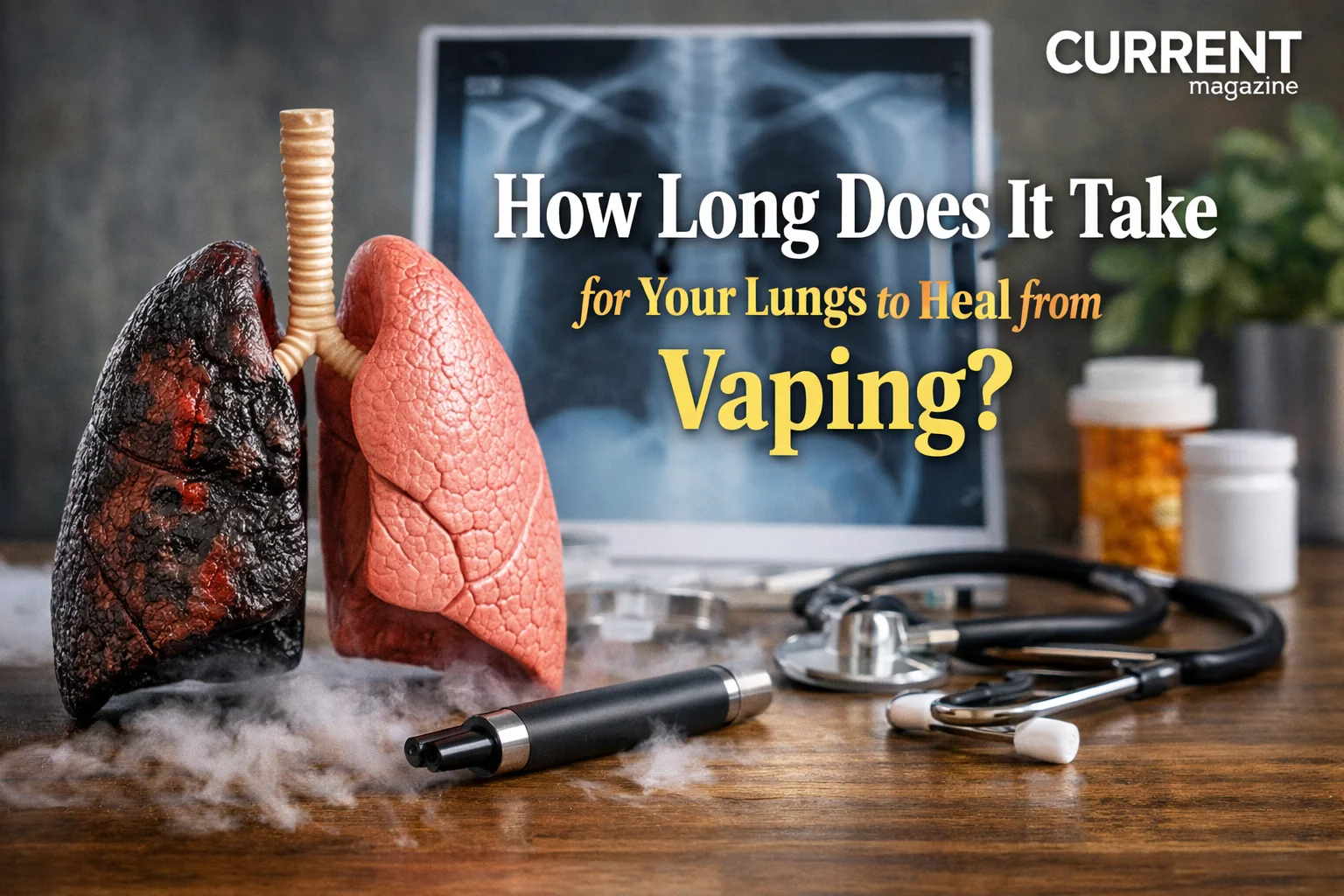
If you’re wondering how long does it take for your lungs to heal from vaping, the answer depends on several factors including how long you vaped, what you vaped, and your overall health—but the good news is that healing begins almost immediately after you quit. Your lungs have remarkable self-repair abilities, and many people notice breathing improvements within just weeks of stopping vaping. While complete recovery timelines vary from person to person, most lung function improvements occur within the first few months to a year after quitting. This comprehensive guide will help you understand the healing process, what to expect during recovery, factors that influence healing speed, and how to support your lungs as they repair themselves.
Understanding Vaping’s Effects on Your Lungs
Before discussing recovery, it’s important to understand how vaping affects your respiratory system.
Vaping involves inhaling aerosolized liquid that typically contains nicotine, flavoring chemicals, propylene glycol, vegetable glycerin, and sometimes other additives. This aerosol deposits various substances in your lungs that can cause inflammation and damage.
Common effects of vaping on lungs include:
Inflammation occurs when your lungs react to foreign substances in vape aerosol. Your airways become irritated and swollen, making breathing harder and triggering coughing.
Ciliary dysfunction affects the tiny hair-like structures (cilia) lining your airways that sweep out mucus and debris. Vaping impairs these cilia, reducing your lungs’ ability to clean themselves and increasing infection risk.
Increased mucus production happens as your lungs try to protect themselves from irritants. This causes the characteristic “vaper’s cough” and excess phlegm.
Oxidative stress from vaping damages cells through chemical reactions, contributing to inflammation and potentially long-term tissue damage.
Lipoid pneumonia can occur from inhaling oils, particularly vitamin E acetate found in some THC vaping products. This causes severe lung inflammation.
EVALI (E-cigarette or Vaping product use-Associated Lung Injury) is a serious condition that caused hospitalizations and deaths, primarily linked to THC products containing vitamin E acetate, though some cases involved nicotine vaping products.
Popcorn lung (bronchiolitis obliterans) is associated with diacetyl, a flavoring chemical found in some vape liquids. This causes permanent damage to small airways, though it’s rare.
The extent of damage depends on how long you vaped, how frequently, what substances you vaped, and individual factors like genetics and overall health.
The Healing Timeline: What to Expect
Recovery happens in phases, with different improvements occurring at different times after quitting.
20 Minutes to 12 Hours After Quitting
Your heart rate begins to normalize. Nicotine is a stimulant that raises heart rate and blood pressure. Within 20 minutes of your last vape, your heart rate starts returning to normal levels. This reduces stress on your cardiovascular system.
Carbon monoxide levels drop. If you vaped regularly, carbon monoxide in your blood begins decreasing within hours. By 12 hours after quitting, carbon monoxide returns to normal levels, allowing your blood to carry oxygen more efficiently.
Initial cravings begin. You might experience nicotine withdrawal symptoms including irritability, anxiety, difficulty concentrating, and strong cravings. These peak within the first few days but are a sign your body is beginning to reset.
24-48 Hours After Quitting
Nerve endings start recovering. Nicotine damages nerve endings responsible for taste and smell. Within a day or two, these begin to regenerate. You might notice food tastes better and scents become more vivid.
Lung cleaning begins. Your cilia (those tiny hair-like structures) start recovering their function. As they regain mobility, they begin sweeping out accumulated mucus and debris. This often causes increased coughing and mucus production—this is actually a positive sign that your lungs are cleaning themselves.
Oxygen delivery improves. With normalized carbon monoxide levels and better blood oxygen capacity, your cells receive oxygen more efficiently. You might notice slightly easier breathing or more energy.
72 Hours to One Week
Bronchial tubes begin relaxing. The airways in your lungs start to relax and open up as inflammation decreases. Breathing becomes noticeably easier for many people during this phase.
Lung capacity starts improving. As airways open and lung function begins recovering, you can take deeper breaths. Activities like climbing stairs or light exercise may feel slightly less challenging.
Coughing may intensify temporarily. As your cilia work harder to clear out accumulated gunk, you might cough more and produce more mucus. This “smoker’s cough” or “vaper’s cough” during recovery is normal and actually indicates healing. The mucus may be discolored (yellow, brown, or gray) as your lungs expel debris.
Nicotine leaves your system. Most nicotine is eliminated from your body within 2-3 days, though metabolites can linger slightly longer. Physical nicotine withdrawal peaks during this time.
2-4 Weeks After Quitting
Circulation continues improving. Blood flow throughout your body becomes more efficient, improving oxygen delivery to tissues and organs.
Coughing begins to decrease. After the initial increase in coughing as lungs clean themselves, coughing episodes start becoming less frequent and less severe. You’re still clearing out accumulated material, but the worst of the productive coughing usually passes.
Energy levels increase. Better oxygen delivery and improved lung function mean your body operates more efficiently. Many people report feeling more energetic and less fatigued during this phase.
Exercise tolerance improves. You’ll likely notice you can exercise or exert yourself longer without becoming as winded. Your lungs are working better and delivering oxygen more effectively during physical activity.
Shortness of breath decreases. Everyday activities that might have left you slightly breathless become easier. Walking, talking, and light activity require less effort.
1-3 Months After Quitting
Significant lung function improvement occurs. Lung capacity can improve by up to 10% during this period as inflammation subsides and airways heal. You can breathe more deeply and efficiently.
Cilia function is largely restored. The hair-like structures lining your airways regain most of their normal function, significantly improving your lungs’ ability to clear mucus and defend against infection.
Coughing should be minimal or gone. Most people find their cough has resolved completely or is very infrequent by this point. Mucus production returns to normal levels.
Cardiovascular health improves. Your heart and circulatory system function better, reducing your risk of heart attack compared to when you were actively vaping.
Infection risk decreases. With cilia working properly and inflammation reduced, your lungs can better defend themselves against bacteria and viruses. You’re less susceptible to respiratory infections.
6-12 Months After Quitting
Inflammation largely resolves. Chronic inflammation in your lungs from vaping significantly decreases or resolves completely, depending on how long and how heavily you vaped.
Lung tissue repair continues. Your lungs continue repairing damaged tissue. The extent of repair depends on how much damage occurred—minor damage often heals completely, while more severe damage may leave some permanent changes.
Breathing feels normal again. For most people, breathing returns to what feels completely normal. You shouldn’t experience shortness of breath during regular activities.
Exercise capacity normalizes. Your athletic performance and endurance should return to what they’d be if you’d never vaped (accounting for your age and fitness level).
Immune function in lungs improves. Your lungs’ local immune responses become more robust, better protecting you from respiratory infections.
1-2 Years and Beyond
Continued cellular repair. Your lungs continue repairing at the cellular level, though most noticeable improvements happen in the first year.
Reduced disease risk. Your risk of respiratory diseases decreases over time, though if you vaped for many years or had severe lung damage, some elevated risk may persist.
Long-term monitoring may be needed. If you experienced EVALI or severe vaping-related lung damage, long-term medical monitoring might be recommended to watch for lasting effects.
Factors That Influence Healing Speed
Individual recovery varies significantly based on multiple factors.
Duration and Intensity of Vaping
Short-term vapers (a few months to a year or two) typically experience faster, more complete recovery than long-term users. Your lungs had less time to sustain damage.
Heavy vapers who used devices frequently throughout the day generally take longer to heal than occasional users. The more exposure your lungs had, the more damage likely occurred.
High-nicotine vaping may affect healing differently than low-nicotine or nicotine-free vaping, as nicotine itself affects blood vessels and healing processes.
What You Vaped
Nicotine-only vaping products from reputable manufacturers typically cause less severe damage than products containing other substances.
THC vaping products, especially black market or contaminated ones containing vitamin E acetate or other additives, can cause severe lung damage that takes longer to heal or may cause permanent damage.
Flavored vaping liquids contain various chemicals (like diacetyl in some butter-flavored products) that may cause additional lung damage beyond base ingredients.
Contaminated or black market products expose lungs to unknown and potentially dangerous substances that can cause severe, lasting damage.
Your Age
Younger people generally heal faster due to more robust cellular repair mechanisms and overall better health. Teens and young adults who quit often see rapid improvement.
Older adults may experience slower healing due to age-related decline in repair processes, though significant improvement still occurs.
Overall Health Status
People with healthy immune systems heal faster than those with compromised immunity.
Pre-existing lung conditions like asthma or COPD may complicate recovery and slow healing.
Other health conditions like diabetes, obesity, or cardiovascular disease can affect healing speed.
Nutritional status impacts healing—well-nourished bodies repair more efficiently than those lacking essential nutrients.
Environmental Factors
Continued exposure to lung irritants like cigarette smoke (including secondhand smoke), air pollution, or occupational chemicals slows healing.
Living in areas with clean air supports faster lung recovery than living in heavily polluted cities.
Indoor air quality matters—exposure to mold, dust, or chemical fumes in your home or workplace impedes healing.
Lifestyle Factors
Exercise significantly accelerates lung healing by improving circulation, expanding lung capacity, and promoting overall health.
Diet quality affects healing speed—nutrient-rich diets support tissue repair.
Stress levels influence healing—chronic stress impairs immune function and slows recovery.
Sleep quality matters tremendously—your body does much of its repair work during sleep.
Staying hydrated helps thin mucus and supports the body’s cleaning processes.
Supporting Your Lungs During Recovery
While time is the primary healer, you can actively support your lungs’ recovery process.
Stay Completely Vape-Free
Complete abstinence is crucial. Any continued vaping, even occasional, prevents full healing and can cause additional damage. There’s no “safe” amount of vaping during recovery.
Avoid all nicotine products if possible, including cigarettes, chewing tobacco, and nicotine pouches. These continue exposing your body to nicotine’s harmful effects.
Avoid secondhand vape and cigarette smoke, which continues exposing your lungs to harmful substances.
Exercise Regularly
Cardiovascular exercise like walking, jogging, cycling, or swimming improves lung capacity and circulation. Start gently if you’ve been sedentary and gradually increase intensity.
Deep breathing exercises help expand your lungs and improve oxygen exchange. Practice taking slow, deep breaths several times daily.
Breathing exercises like pursed-lip breathing (inhaling through your nose, exhaling slowly through pursed lips) can improve lung function and reduce shortness of breath.
Start with gentle activity and listen to your body. Don’t push too hard initially—build up gradually as breathing becomes easier.
Eat a Lung-Healthy Diet
Antioxidant-rich foods combat oxidative stress and support healing. Include berries, dark leafy greens, nuts, and colorful vegetables.
Omega-3 fatty acids reduce inflammation. Find them in fatty fish (salmon, mackerel, sardines), walnuts, and flaxseeds.
Vitamin C-rich foods support immune function and tissue repair. Citrus fruits, bell peppers, strawberries, and broccoli are excellent sources.
Vitamin E protects lung tissue. Good sources include almonds, sunflower seeds, and spinach.
Cruciferous vegetables like broccoli, cauliflower, and Brussels sprouts contain compounds that may support lung health.
Stay hydrated by drinking plenty of water. This helps thin mucus, making it easier to clear from your lungs.
Avoid Additional Lung Irritants
Don’t smoke cigarettes or use any tobacco products, which severely damage lungs and prevent healing.
Minimize exposure to air pollution when possible. Check air quality reports and stay indoors when pollution levels are high.
Avoid chemical fumes from cleaning products, paint, or industrial chemicals. Use natural cleaning products when possible and ensure good ventilation.
Keep your living space clean. Dust regularly, use HEPA filters, and address any mold problems promptly.
Avoid heavy fragrances from perfumes, air fresheners, or scented candles, which can irritate healing lungs.
Stay Hydrated
Drink plenty of water throughout the day—aim for 8-10 glasses. Proper hydration helps thin mucus, making it easier for your lungs to clear debris.
Warm liquids like herbal tea or warm water with lemon can be soothing and help loosen mucus.
Get Quality Sleep
Aim for 7-9 hours of sleep per night. Your body performs significant repair work during sleep.
Elevate your head slightly if you experience nighttime coughing. This can reduce post-nasal drip and make breathing more comfortable.
Establish a consistent sleep schedule to support your body’s natural healing rhythms.
Manage Stress
Chronic stress impairs immune function and slows healing. Practice stress-reduction techniques like meditation, deep breathing, yoga, or activities you enjoy.
Seek support for quitting vaping. Talk to friends, family, or join support groups. The quitting process can be stressful, and support helps.
Consider Supplements (After Consulting Your Doctor)
Some supplements may support lung health, though you should consult a healthcare provider before starting any:
N-acetylcysteine (NAC) is an antioxidant that may help thin mucus and reduce inflammation.
Vitamin D supports immune function, and many people are deficient.
Quercetin is a flavonoid with anti-inflammatory properties.
Never rely solely on supplements—whole foods are always the best source of nutrients.
Steam Inhalation
Breathing steam from a bowl of hot water (or taking hot showers) can help loosen mucus and soothe irritated airways. Add a few drops of eucalyptus oil for additional benefit, though this isn’t necessary.
Be careful not to burn yourself with steam that’s too hot. Warm, not scalding, steam is sufficient.
What to Expect: Symptoms During Recovery
Understanding normal recovery symptoms helps you distinguish healing from problems requiring medical attention.
Normal Recovery Symptoms
Increased coughing initially is common and positive. Your lungs are cleaning themselves. The cough should gradually decrease over weeks.
Mucus production, sometimes increased initially, is your lungs’ way of clearing out debris. Mucus color may range from clear to yellow, brown, or gray as accumulated material is expelled.
Mild shortness of breath during the first days or weeks is normal, especially during activity. This should steadily improve.
Nicotine withdrawal symptoms including irritability, anxiety, difficulty concentrating, mood swings, and cravings are normal for the first weeks and gradually subside.
Fatigue during the first week or two is common as your body adjusts and heals.
Vivid dreams often occur during nicotine withdrawal and typically resolve within a few weeks.
Concerning Symptoms Requiring Medical Attention
Seek medical care if you experience:
Severe or worsening shortness of breath, especially if it’s getting worse instead of better after the first week.
Chest pain that’s sharp, severe, or doesn’t go away.
Coughing up blood (even small amounts).
Fever suggesting infection.
Wheezing that’s new or severe.
Dizziness or fainting.
Rapid heart rate that persists or causes concern.
Symptoms that worsen significantly after initial improvement.
If you previously experienced EVALI or severe vaping-related lung injury, follow up with your healthcare provider as recommended for monitoring.
Long-Term Outlook: Will Your Lungs Fully Recover?
The potential for complete recovery depends on several factors.
For Most Former Vapers
Good news: If you vaped for a relatively short time (months to a few years) and didn’t develop severe lung injury, your lungs will likely recover completely or near-completely within 6-12 months.
Lung function improvements are often dramatic, with many people returning to normal or near-normal lung capacity.
Reduced disease risk occurs over time, with your risk of respiratory problems decreasing as healing progresses.
For Those Who Vaped Heavily or Long-Term
Significant improvement still occurs, though complete recovery to pre-vaping baseline may not happen if severe damage occurred.
Some lasting changes might persist if you developed chronic inflammation or structural lung damage, though symptoms typically improve substantially.
Continued monitoring might be recommended by your healthcare provider.
For EVALI or Severe Lung Injury Survivors
Recovery varies widely. Some people recover completely over months, while others experience lasting effects.
Long-term follow-up with pulmonology specialists is often recommended.
Permanent lung damage is possible in severe cases, though even then, significant improvement usually occurs.
The Bottom Line
The younger you are when you quit, the shorter time you vaped, and the less severe your exposure, the better your chances of complete recovery. But regardless of your situation, quitting vaping provides immediate and long-term health benefits. Your lungs begin healing right away, and substantial improvements occur within the first year.
When to See a Doctor
Medical evaluation and support can aid your recovery process.
Consider seeing a doctor if:
You vaped heavily for extended periods and want to assess your lung health.
You’re experiencing concerning symptoms during recovery.
You’re struggling to quit and need support with nicotine cessation.
You have a history of EVALI or severe vaping-related lung injury.
You have pre-existing lung conditions like asthma or COPD.
You want baseline lung function tests to track improvement over time.
Your doctor can:
Perform spirometry or other lung function tests to assess your respiratory health.
Provide prescription medications to help with nicotine cessation if needed.
Recommend pulmonary rehabilitation if you have significant lung damage.
Monitor for complications and provide appropriate treatment.
Offer reassurance and guidance during the recovery process.
The Psychological Aspect of Quitting
Recovery isn’t just physical—there’s a significant mental and emotional component.
Nicotine addiction is powerful, involving both physical dependence and psychological habits. Quitting often requires addressing both aspects.
Behavioral patterns around vaping—using it to manage stress, social situations involving vaping, or habitual use during certain activities—need new coping strategies.
Mood changes are common during nicotine withdrawal. Irritability, anxiety, and depression can occur temporarily.
Cravings can be intense, especially in the first weeks. They typically peak in the first few days and gradually decrease, though occasional cravings may occur for months.
Support systems significantly improve success rates. Consider counseling, support groups, nicotine replacement therapy (if recommended by your doctor), or quit-smoking apps.
Relapse is common and doesn’t mean failure. Many people make several quit attempts before succeeding long-term. If you relapse, try again—each attempt teaches you something and brings you closer to success.
10 Frequently Asked Questions About Lung Recovery from Vaping
- Will my lungs completely heal if I quit vaping now?
For most people who vaped for a relatively short period (months to a few years) without developing severe lung injury, lungs can recover completely or near-completely within 6-12 months of quitting. Your lungs have remarkable self-repair abilities, and many former vapers return to normal lung function. However, recovery potential depends on several factors: how long you vaped, how heavily, what substances you vaped, your age, and whether you experienced severe complications like EVALI. People who vaped briefly or moderately typically see excellent recovery. Those who vaped very heavily for many years or suffered severe lung damage may experience some lasting effects, though significant improvement still occurs. The younger you are and the sooner you quit, the better your chances of complete recovery.
- How long after quitting vaping will I stop coughing?
The coughing timeline varies, but most people experience a specific pattern. Initially (first 1-2 weeks after quitting), your cough may actually worsen as your lungs begin clearing out accumulated mucus and debris—this is a positive sign of healing. This productive cough gradually decreases over the following weeks. By 2-4 weeks after quitting, most people notice their cough becoming much less frequent and less severe. By 1-3 months, the cough should be minimal or completely gone for most people. If you’re still experiencing significant coughing after three months, or if your cough is worsening instead of improving, see a doctor to rule out complications or other lung conditions. Some people have a lingering occasional cough that resolves by 6-12 months.
- Is vaping worse for your lungs than smoking cigarettes?
This is complex because both are harmful but in different ways. Traditional cigarettes contain thousands of chemicals, many known carcinogens, and cause well-documented lung damage including COPD, emphysema, and lung cancer through decades of research. Vaping is relatively new, so long-term effects aren’t fully known, but evidence shows vaping causes significant lung inflammation, can lead to severe conditions like EVALI (which has caused deaths), and contains harmful chemicals. Some studies suggest vaping may cause certain types of lung damage faster than cigarettes in some cases. The safest choice is using neither product. If you currently smoke, switching to vaping may reduce some risks, but it’s not risk-free. The best option is quitting all tobacco and nicotine products entirely.
- Can exercise help my lungs heal faster from vaping?
Yes, regular exercise significantly supports lung recovery. Cardiovascular exercise like walking, jogging, swimming, or cycling improves circulation, which delivers more oxygen and nutrients to healing lung tissue. Exercise also expands your lung capacity, strengthens respiratory muscles, and helps clear mucus from airways. Deep breathing during exercise promotes better oxygen exchange. Start gently, especially if you’ve been sedentary or experience shortness of breath—even 10-15 minute walks help. Gradually increase intensity as breathing improves. Breathing exercises like pursed-lip breathing and diaphragmatic breathing also specifically strengthen lungs. Most former vapers notice exercise becomes progressively easier as weeks pass, which provides motivation to continue. Combine cardio with breathing exercises for optimal lung recovery support.
- What foods should I eat to help my lungs recover from vaping?
Focus on anti-inflammatory, antioxidant-rich foods that support tissue repair. Excellent choices include: berries (blueberries, strawberries, raspberries) rich in antioxidants that combat oxidative stress; leafy greens (spinach, kale) containing vitamins and minerals supporting healing; fatty fish (salmon, mackerel, sardines) providing omega-3 fatty acids that reduce inflammation; nuts and seeds (especially walnuts, almonds, flaxseeds) offering vitamin E and healthy fats; citrus fruits, bell peppers, and tomatoes high in vitamin C for immune function; cruciferous vegetables (broccoli, cauliflower, Brussels sprouts) containing compounds that may support lung health; turmeric and ginger with anti-inflammatory properties; and garlic with potential immune benefits. Stay well-hydrated with water, which helps thin mucus. Avoid processed foods, excess sugar, and foods that cause inflammation. A balanced, nutrient-dense diet accelerates healing.
- Will I experience withdrawal symptoms when I quit vaping, and how long do they last?
Yes, if you vaped nicotine products, you’ll likely experience withdrawal symptoms. Common symptoms include: strong cravings for nicotine, irritability and mood swings, anxiety, difficulty concentrating, restlessness, increased appetite, sleep disturbances, headaches, and fatigue. These symptoms typically follow a pattern: they begin within hours of your last vape, peak around days 2-3 when they feel most intense, then gradually decrease over the following weeks. Physical nicotine withdrawal symptoms usually subside significantly within 2-4 weeks as nicotine leaves your system. However, psychological cravings and habitual urges can persist for months. Most people find weeks 1-2 are the hardest, with substantial improvement by week 3-4. The intensity varies by individual—heavier, longer-term vapers often experience more severe withdrawal. Strategies like nicotine replacement therapy (consult your doctor), support groups, and healthy coping mechanisms help manage symptoms.
- How do I know if I have permanent lung damage from vaping?
Determining whether you have permanent damage requires medical evaluation. Warning signs that warrant assessment include: persistent shortness of breath during normal activities months after quitting, chronic cough that doesn’t improve after 3-6 months of abstinence, recurrent respiratory infections, ongoing wheezing, chest pain or tightness that persists, or a history of severe vaping-related lung injury like EVALI. Your doctor can perform spirometry (breathing tests measuring lung function), chest X-rays or CT scans to visualize lung tissue, and other assessments to evaluate damage. Most people who vaped moderately for limited periods won’t have permanent damage—lungs heal remarkably well. However, severe injuries, prolonged heavy use, or conditions like bronchiolitis obliterans (“popcorn lung”) can cause lasting effects. If you’re concerned, see a pulmonologist for comprehensive evaluation and peace of mind.
- Does drinking water help your lungs recover from vaping?
Yes, proper hydration significantly supports lung recovery. Water helps in several ways: it thins mucus, making it easier for your lungs to expel accumulated debris and irritants; it keeps the mucous membranes lining your airways moist and healthy; it supports your body’s natural detoxification processes; and it helps maintain overall cellular function needed for tissue repair. Aim for 8-10 glasses of water daily, possibly more if you’re exercising or in dry climates. Warm liquids like herbal tea or warm water with lemon can be especially soothing and may help loosen mucus. Avoid excessive caffeine and alcohol, which can be dehydrating. While water alone won’t heal your lungs, adequate hydration is an important part of the overall recovery process and supports your lungs’ natural cleaning mechanisms.
- Can your lungs heal from vaping if you’re young (teenager or in your 20s)?
Yes, younger people generally have excellent recovery potential. Teens and young adults have more robust cellular repair mechanisms and overall better health, which accelerates healing. If you’re young and quit vaping after relatively brief use (months to a few years), your lungs will likely recover completely within 6-12 months, possibly returning to the same condition as if you’d never vaped. Your youth is a significant advantage in recovery. However, this doesn’t mean vaping is harmless for young people—it still causes real damage and can affect developing lungs. The developing brain is also particularly vulnerable to nicotine’s addictive effects during adolescence. The best course is quitting as soon as possible to maximize recovery potential. Even if you’ve vaped for a while, quitting now gives your lungs the best chance for complete healing while you’re still young and your body’s repair systems are most effective.
- Should I see a doctor after quitting vaping, or can my lungs heal on their own?
For most people who vaped moderately and aren’t experiencing concerning symptoms, lungs can heal without medical intervention—complete abstinence from vaping and healthy lifestyle habits support natural recovery. However, you should see a doctor if: you vaped very heavily or for many years and want baseline lung function assessment; you’re experiencing persistent or worsening symptoms like shortness of breath, chest pain, or chronic cough; you have a history of EVALI or severe vaping-related lung injury; you have pre-existing lung conditions; you’re struggling to quit and need support; or you simply want professional guidance and reassurance during recovery. A doctor can perform lung function tests, provide cessation support, monitor your progress, and identify any complications early. Even if you feel fine, if you vaped heavily, a baseline medical evaluation can be valuable for tracking improvement and ensuring proper healing. Most people don’t require intensive medical intervention, but professional support can be beneficial.