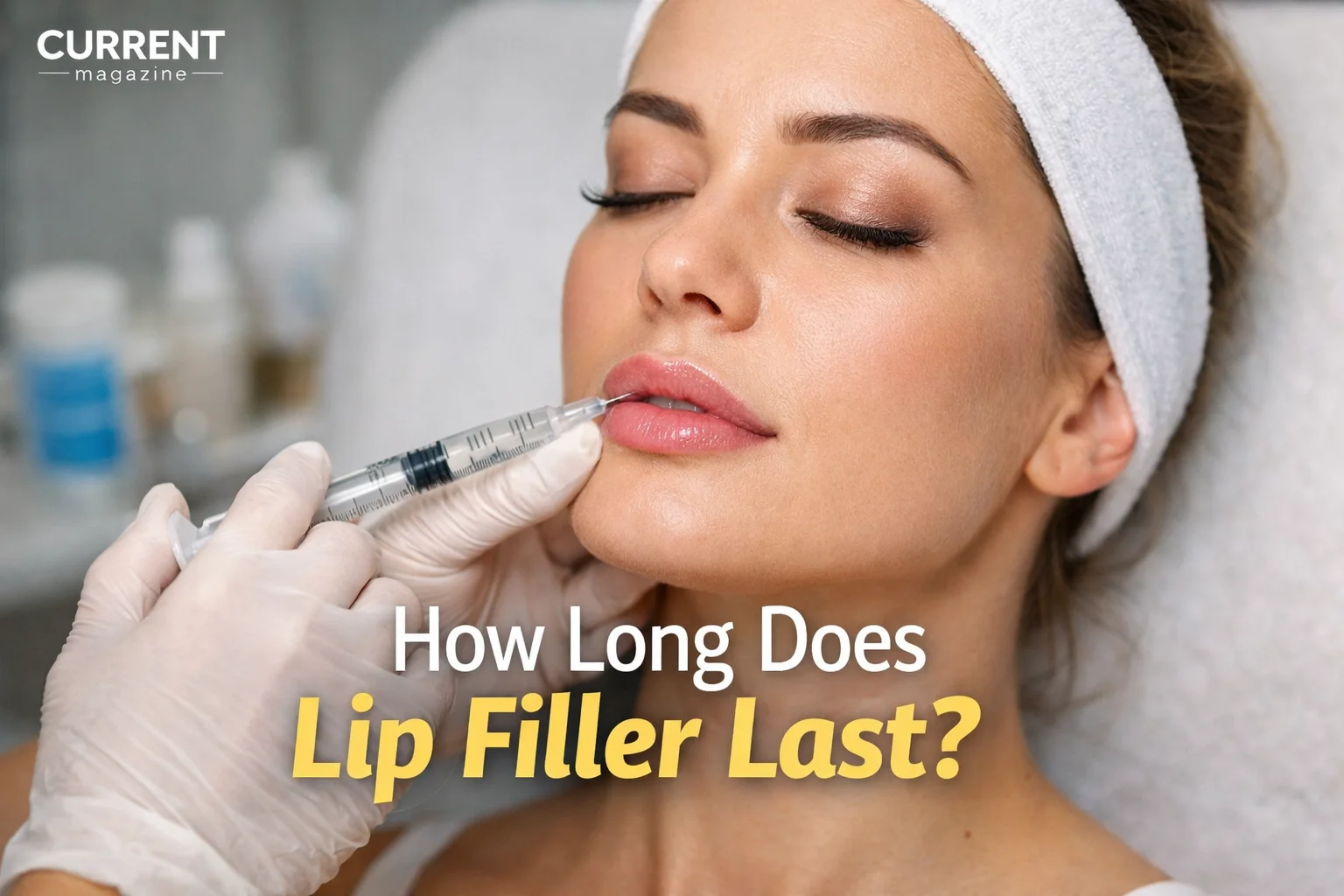
Lip fillers have become one of the most popular cosmetic procedures in recent years. Whether you’re looking for a subtle enhancement or a more dramatic change, understanding how long your results will last is crucial for planning your beauty routine and budget.
If you’re considering lip fillers or have already taken the plunge, you’re probably wondering: “How long will my lip filler actually last?” The answer isn’t as simple as you might think. Multiple factors influence how long your beautiful results will stick around, and this comprehensive guide will walk you through everything you need to know.
The Quick Answer: What’s the Average Lip Filler Lifespan?
On average, most lip fillers last between 6 to 12 months. However, this timeframe varies significantly from person to person. Some people enjoy their results for just four months, while others maintain their enhanced lips for up to 18 months or even longer.
The variation depends on several factors including the type of filler used, your metabolism, lifestyle habits, the injection technique, and how your body naturally breaks down the filler material. We’ll explore all of these factors in detail throughout this article.
Understanding What Lip Fillers Are Made Of
To understand how long lip fillers last, you first need to know what they’re made of. The vast majority of modern lip fillers contain hyaluronic acid (HA), a substance that naturally occurs in your body.
Hyaluronic Acid Fillers
Hyaluronic acid is a sugar molecule that exists naturally in your skin, joints, and connective tissues. It’s responsible for keeping your skin hydrated and plump. As we age, our bodies produce less hyaluronic acid, which contributes to wrinkles and volume loss.
HA fillers work by attracting and holding water molecules, which creates volume and fullness in your lips. This is why your lips look plumper immediately after treatment. The beauty of HA fillers is that they’re biocompatible (your body accepts them easily) and reversible. If you don’t like the results, your doctor can inject an enzyme called hyaluronidase to dissolve the filler.
Popular HA filler brands include:
- Juvederm (including Juvederm Ultra, Ultra Plus, and Volbella)
- Restylane (including Restylane Kysse, Silk, and Defyne)
- Belotero Balance
- RHA Collection (RHA 2, RHA 3, RHA 4)
Other Types of Fillers
While less common for lips, other filler types include:
Collagen fillers were popular in the past but have largely been replaced by HA fillers. They typically lasted three to four months and required allergy testing before use.
Semi-permanent and permanent fillers like Sculptra or silicone exist, but most reputable cosmetic practitioners avoid using these in lips due to higher complication rates and the inability to reverse results if problems occur. Lips are a mobile, delicate area, and permanent fillers can lead to lumps, irregularities, and dissatisfaction over time as facial features naturally change with age.
Detailed Breakdown: How Long Different Lip Fillers Last
Different filler products have different formulations, which affects their longevity. Here’s what you can expect from popular lip filler brands:
Juvederm Ultra and Ultra Plus
These are among the most commonly used lip fillers. Juvederm Ultra typically lasts 6 to 9 months in the lips, while Juvederm Ultra Plus, which has a thicker consistency, can last 9 to 12 months. The Ultra Plus provides more dramatic volume and structure, which is why it tends to last a bit longer.
Juvederm Volbella
Specifically designed for subtle lip enhancement and smoothing lip lines, Volbella has a smoother, softer consistency. Clinical studies show it can last up to 12 months, with some patients reporting results lasting even longer. It’s ideal if you want natural-looking results without obvious augmentation.
Restylane Kysse
This newer filler is specifically formulated for lips. It’s designed to move naturally with your mouth and facial expressions. Restylane Kysse typically lasts 6 to 12 months, with many patients getting touch-ups around the nine-month mark.
Restylane Silk
Restylane Silk is FDA-approved specifically for lip augmentation and smoothing wrinkles around the mouth. It uses smaller, smoother hyaluronic acid particles for a softer result. Expect results to last approximately 6 to 10 months.
Restylane (Classic/Original)
The original Restylane formula lasts about 6 to 9 months in the lips. It provides moderate volume and has been used successfully for many years.
RHA Collection
These newer fillers (RHA stands for Resilient Hyaluronic Acid) are designed to adapt to facial movements. RHA 2 and RHA 3 are sometimes used in lips and can last 12 to 15 months. They’re engineered to maintain their structure while moving naturally with your expressions.
Belotero Balance
This filler integrates smoothly into the tissue and works well for fine lines around the lips. When used in the lips themselves, it typically lasts 6 to 9 months.
Factors That Affect How Long Does Lip Filler Last
Now let’s dive deep into the various factors that influence lip filler longevity. Understanding these can help you maximize your results.
Your Metabolism and Body Chemistry
Your individual metabolism plays a huge role in how quickly your body breaks down hyaluronic acid fillers. People with faster metabolisms tend to metabolize fillers more quickly, meaning their results fade sooner.
If you’re very active, exercise frequently, or have a naturally high metabolic rate, you might find your lip filler doesn’t last as long as it does for someone with a slower metabolism. Young people typically have faster metabolisms than older individuals, which is one reason younger patients sometimes see their fillers fade more quickly.
Your body produces enzymes called hyaluronidases that naturally break down hyaluronic acid. Some people produce more of these enzymes than others, which affects how quickly the filler disappears. Unfortunately, you can’t control your natural enzyme production, but knowing you metabolize fillers quickly can help you plan for more frequent maintenance appointments.
The Amount of Filler Injected
The volume of filler used in your treatment directly impacts longevity. More filler typically means longer-lasting results, simply because there’s more product for your body to break down.
A subtle enhancement using 0.5ml of filler will naturally fade faster than a more dramatic augmentation using 1ml or more. This doesn’t mean you should always get more filler than you want—the goal should be achieving your desired aesthetic. Just understand that more conservative treatments may require more frequent touch-ups.
Some practitioners recommend building up volume gradually over several sessions. This approach can actually help train the tissue and may lead to longer-lasting results overall.
The Injection Technique and Placement
Where and how your injector places the filler matters tremendously. Experienced injectors use specific techniques that can extend the life of your filler.
Filler placed deeper in the tissue tends to last longer than filler placed superficially near the skin’s surface. Deep placement also reduces the risk of lumps and bumps. Skilled injectors strategically place filler in areas that experience less movement and muscle activity, which helps it last longer.
The injection technique itself—whether your practitioner uses a needle or cannula, injects in linear threads or small boluses, and how they massage and sculpt the product—all impact how well the filler integrates and how long it lasts.
This is why choosing an experienced, skilled injector is so important. A board-certified dermatologist or plastic surgeon who specializes in facial aesthetics will have the expertise to maximize your results and their duration.
Lifestyle Factors
Your daily habits and lifestyle significantly affect lip filler longevity:
Exercise: High-intensity workouts and activities that significantly raise your heart rate and metabolism can cause fillers to break down more quickly. The increased blood flow and metabolic activity accelerate the breakdown of hyaluronic acid. This doesn’t mean you should stop exercising, but be aware that very active individuals may need touch-ups more frequently.
Sun Exposure: UV radiation can degrade hyaluronic acid and damage your skin. People who spend lots of time in the sun without protection may notice their lip filler fading faster. Always wear SPF lip balm to protect both your natural lips and your investment in fillers.
Smoking: Smoking has multiple negative effects on lip fillers. The repetitive puckering motion when inhaling can cause filler to migrate or break down faster. Smoking also reduces blood flow to the lips, which can affect healing and how well the filler integrates. Plus, smoking accelerates overall aging of the lips and surrounding skin.
Hydration: Staying well-hydrated helps maintain your results. Since hyaluronic acid attracts and holds water, proper hydration supports the filler’s volumizing effect. Dehydration can make fillers appear less plump.
Alcohol Consumption: Heavy alcohol consumption can lead to dehydration and may affect how long fillers last. Moderate drinking is generally fine, but excessive alcohol intake can impact your results.
Stress: High stress levels can affect your body’s inflammatory response and metabolism, potentially impacting filler longevity.
The Specific Lip Area Treated
Different parts of the lips have different levels of movement and muscle activity, which affects how long filler lasts in each area.
Filler in the vermillion border (the edge that defines your lip line) tends to last longer because this area experiences less movement than the body of the lip. This is why some people maintain crisp lip definition even as the volume in the center of their lips begins to fade.
The body of the lips (the fleshy, central part) experiences constant movement from talking, eating, drinking, and facial expressions. Filler here typically breaks down faster.
The cupid’s bow and lip corners are areas of high muscle activity and movement, so filler in these areas may fade slightly faster than in the border.
Vertical lip lines around the mouth (sometimes called smoker’s lines or lipstick lines) are in an area of high movement and thin skin. Filler used to address these lines typically doesn’t last as long as filler in the lips themselves.
Your Age
Age affects lip filler longevity in several ways. Younger skin has more collagen, elastin, and natural hyaluronic acid, which can help support injected filler. However, younger people also typically have faster metabolisms, which can break down filler more quickly.
Older patients may have slower metabolisms that allow filler to last longer, but their skin may have less structural support. Additionally, older skin often has more volume loss to correct, so the filler may appear to fade faster simply because there’s more deficiency to address.
Repeat Treatments and “Filler Fatigue”
There’s some debate in the aesthetic medicine community about whether repeated filler treatments affect longevity. Some patients report that their fillers seem to last longer after several treatment sessions, possibly because the tissue adapts and the filler stimulates some natural collagen production.
However, others experience what’s sometimes called “filler fatigue,” where subsequent treatments seem to fade more quickly. This might be due to increased enzyme activity as the body becomes more efficient at breaking down the foreign substance.
Product Storage and Handling
While this isn’t something you control, it’s worth noting that how your practitioner stores and handles the filler product can affect its quality and longevity. Reputable practices follow proper storage protocols to ensure the filler performs as expected.
Signs Your Lip Filler Is Wearing Off
As your lip filler begins to fade, you’ll notice gradual changes. Understanding what to look for helps you time your touch-up appointments perfectly.
Loss of Volume
The most obvious sign is that your lips start looking less plump. They won’t suddenly deflate overnight—the process is gradual. You might notice that your lips feel slightly softer and less full when you touch them.
Diminished Definition
The crisp borders and definition that the filler created will start to soften. Your cupid’s bow might become less pronounced, and the overall shape of your lips may appear less sculpted.
Return of Fine Lines
If the filler was used to smooth vertical lip lines, these may start reappearing as the product breaks down. You might notice your lipstick beginning to feather again if this was a previous concern.
Asymmetry
Sometimes one side of the mouth metabolizes filler faster than the other, leading to slight asymmetry as the filler wears off. This is completely normal and can be addressed at your touch-up appointment.
Photos Tell the Story
Taking consistent photos throughout your filler journey is incredibly helpful. When you compare pictures from right after treatment to current photos, you’ll clearly see how much the filler has faded. Many people don’t realize how much volume they’ve lost until they look at earlier photos.
Maximizing Your Lip Filler Results: How to Make Them Last Longer
While you can’t stop the natural breakdown of lip filler entirely, you can take steps to extend your results as long as possible.
Choose an Experienced Injector
This cannot be overstated. The skill and experience of your injector is the single most important factor in achieving beautiful, long-lasting results. Board-certified dermatologists and plastic surgeons who specialize in facial aesthetics have extensive training in facial anatomy and injection techniques.
An expert injector knows exactly where to place the filler for maximum longevity, uses the appropriate amount of product, and employs techniques that help the filler integrate smoothly and last longer. They also use high-quality, FDA-approved products from reputable manufacturers.
Follow Aftercare Instructions Carefully
Proper aftercare in the days and weeks following your treatment can impact how well the filler settles and how long it lasts:
For the first 24-48 hours after treatment:
- Avoid intense exercise or activities that significantly raise your heart rate
- Don’t apply excessive pressure to your lips
- Avoid very hot or very cold foods and drinks
- Sleep with your head slightly elevated
- Don’t massage the area unless instructed to by your injector
- Avoid alcohol as it can increase swelling and bruising
For the first week:
- Skip the sauna, steam room, and hot yoga
- Avoid dental work or aggressive dental cleaning
- Don’t have any other facial treatments like facials, chemical peels, or laser procedures
Maintain a Healthy Lifestyle
General wellness supports longer-lasting results:
Stay hydrated by drinking plenty of water throughout the day. Eat a balanced diet rich in vitamins and antioxidants to support skin health. Manage stress through exercise, meditation, or other relaxation techniques. Get adequate sleep to allow your body to heal and maintain the filler effectively.
Protect Your Lips from the Sun
UV damage accelerates the breakdown of hyaluronic acid and damages lip tissue. Always wear SPF lip balm when you’re outside, reapplying frequently, especially after eating or drinking. SPF 30 or higher is recommended. In addition to daily sun protection, avoid tanning beds and minimize sun exposure during peak UV hours (10 AM to 4 PM).
Keep Your Lips Moisturized
Well-hydrated lips maintain a plumper appearance and create an optimal environment for the filler. Use a good quality lip balm regularly throughout the day. Look for ingredients like shea butter, coconut oil, vitamin E, and ceramides. Avoid licking your lips, which actually dries them out more.
Avoid Smoking
If you smoke, quitting will benefit not only your lip filler longevity but your overall health and appearance. Smoking accelerates facial aging, reduces blood flow, and causes repetitive muscle movements that can affect filler placement and duration.
Consider Strategic Touch-Ups
Rather than waiting until your filler has completely dissolved, scheduling touch-ups when you still have about 30-50% of the original filler remaining can help maintain consistent results. This approach might also help extend overall longevity as you’re building upon existing filler rather than starting from scratch each time.
Use Complementary Skincare
While skincare products can’t stop filler breakdown, maintaining healthy lip tissue can support better-looking results. Consider using:
- Gentle lip exfoliators once or twice a week to remove dead skin
- Hydrating lip masks or treatments
- Products containing peptides or growth factors that support skin health
- Antioxidant-rich balms to protect against environmental damage
Avoid Extreme Temperatures
Very hot or very cold temperatures can affect blood flow and potentially impact filler longevity. While you don’t need to completely avoid hot coffee or ice cream, be mindful of extremes, especially in the days and weeks following treatment.
When to Schedule Touch-Up Appointments
Timing your touch-up appointments correctly ensures you maintain the results you love without letting them fade too much.
The Ideal Touch-Up Window
Most practitioners recommend scheduling your first touch-up when you notice your lips have lost about 40-50% of their enhanced volume. For most people with typical HA fillers, this falls somewhere between 6 and 9 months after the initial treatment.
Waiting until your filler has completely dissolved means you’re starting over from scratch. Coming back while you still have some filler remaining allows your injector to build upon the existing foundation, which can lead to better, longer-lasting results.
Maintenance Schedule Examples
Everyone’s maintenance schedule is different, but here are some common patterns:
Conservative maintenance: Touch-ups every 9-12 months with smaller amounts of filler to maintain subtle enhancement.
Moderate maintenance: Touch-ups every 6-9 months with moderate amounts of filler to maintain noticeable but natural-looking volume.
Intensive maintenance: Touch-ups every 4-6 months for those who metabolize filler quickly or prefer very full lips.
Building phase: Some people start with treatments every 4-6 months for the first year or two to build up the desired volume, then switch to maintenance every 9-12 months once they’ve achieved their goal.
Communicating with Your Injector
Keep your injector informed about how your filler is wearing. Bring photos from previous appointments to show your progression. Discuss any concerns about how quickly or slowly the filler is fading. Be honest about your budget and desired maintenance schedule so your injector can help you create a realistic treatment plan.
The Cost Factor: Budgeting for Lip Filler Maintenance
Understanding the financial commitment of lip fillers helps you make informed decisions and plan appropriately.
Initial Treatment Costs
Lip filler prices vary widely based on location, provider experience, and the amount of product used. In the United States, expect to pay:
- $500 to $800 per syringe on average
- $300 to $500 in less expensive markets or with less experienced injectors
- $800 to $1,500+ with top specialists in major cities
One syringe (1ml) is typical for moderate lip enhancement. Some people start with half a syringe (0.5ml) for subtle results, while others use 1.5 or 2 syringes for more dramatic volume.
Annual Maintenance Costs
If your filler lasts 6 months and you need one syringe each time, you’re looking at approximately $1,000 to $1,600 per year (two treatments annually) at average prices.
If your filler lasts 9-12 months, you might spend $500 to $800 annually with just one or two smaller touch-up treatments.
These estimates vary significantly based on your individual factors and how much filler you need each time.
Ways to Make Lip Fillers More Affordable
Look for loyalty programs at reputable medical spas and practices that offer points or discounts on repeat treatments. Some practices offer package deals if you commit to a certain number of treatments. Join the mailing lists of reputable providers to learn about seasonal promotions or special offers.
Consider Alle (formerly Brilliant Distinctions) or other rewards programs if your injector participates. Treat lip fillers as an investment in your appearance and budget for them accordingly rather than being caught off guard by maintenance costs.
When Lower Prices Are a Red Flag
Be extremely cautious of prices that seem too good to be true. Lip injections are medical procedures that should only be performed by qualified professionals. Rock-bottom prices might indicate:
- Diluted or counterfeit products
- Unqualified injectors
- Unsafe or unsanitary conditions
- High-pressure sales tactics
- Poor-quality results
Your face is not the place to cut corners. Always prioritize safety, qualifications, and quality over price.
What Happens If You Stop Getting Lip Fillers?
Many people wonder what happens if they decide to stop getting lip filler treatments. The good news is that you can absolutely stop whenever you want without negative consequences.
Your Lips Return to Normal
As the filler naturally breaks down and your body metabolizes it, your lips will gradually return to their baseline appearance—how they looked before you ever got filler. This process is gentle and gradual, taking several months.
You won’t wake up one day with suddenly deflated lips. The transition happens slowly enough that you’ll barely notice the day-to-day changes, though comparing photos over several months will show the difference.
No Permanent Damage
Hyaluronic acid fillers are temporary and biocompatible. They don’t cause your lips to sag, stretch out, or look worse than they did before treatment. This is a common myth with no scientific basis.
When the filler is gone, your lips simply return to their natural state. They won’t be damaged or “deflated” compared to before—they’ll just be back to baseline.
You Might Miss the Results
Many people find that once they’re used to enhanced lips, their natural lips seem smaller by comparison. This is purely psychological and related to what you’ve become accustomed to seeing in the mirror, not actual damage or change to your natural lips.
You Can Always Come Back
If you stop and later decide you miss the results, you can always resume treatments. Your lips won’t respond differently or have any issues from having had previous filler.
Lip Filler Alternatives and Complementary Treatments
If maintaining lip filler feels too expensive or time-consuming, or if you’re looking to enhance your results, consider these alternatives and complementary options.
Lip Flip with Botox
A lip flip involves injecting small amounts of Botox into the upper lip muscle, causing it to relax and roll slightly outward. This creates the appearance of a fuller upper lip without adding volume. Results last about 2-3 months and cost significantly less than filler (usually $50-$150). It’s a great option for people who want subtle enhancement or have a gummy smile.
Lip Plumping Glosses and Balms
Over-the-counter lip plumpers containing ingredients like cinnamon, peppermint, or hyaluronic acid can temporarily make lips appear fuller. Results last just a few hours and are very subtle, but these products are affordable and require no injections. They work best as a complement to filler, not a replacement.
Exfoliation and Skincare
Regularly exfoliating your lips and keeping them moisturized can make them appear healthier and slightly fuller. While this won’t create the dramatic results of filler, it’s free or inexpensive and improves overall lip appearance.
Makeup Techniques
Skilled makeup application can make lips appear fuller. Using lip liner just outside your natural lip line, applying lighter shades to the center of lips, and using glossy products can all create the illusion of enhanced volume. This is temporary (lasting only as long as the makeup does) but requires no medical procedure.
Surgical Options
Lip implants and fat grafting are permanent or very long-lasting surgical options. These involve more risk, higher costs, and longer recovery than filler, but they eliminate the need for regular maintenance. They’re typically only recommended for people who have been consistently getting filler for years and want a more permanent solution.
Combination Treatments
Many people combine lip filler with other facial treatments for comprehensive rejuvenation:
- Filler around the mouth (in nasolabial folds or marionette lines) to create balanced facial proportions
- Botox to reduce lip lines and prevent them from deepening
- Skin resurfacing treatments to improve lip texture and surrounding skin
- Chin or cheek filler to balance facial proportions
Addressing Common Concerns and Misconceptions
Let’s clear up some common worries and myths about lip filler duration and maintenance.
“Will my lips sag after the filler wears off?”
No. This is one of the most persistent myths about lip filler. Hyaluronic acid fillers are temporary and don’t stretch your tissue. When they dissolve, your lips return to their natural baseline. They won’t be saggy, deflated, or worse than before treatment.
“Does lip filler migrate?”
When injected properly by an experienced professional, modern lip fillers stay where they’re placed. Migration typically only occurs if too much product is injected, if it’s placed incorrectly, or if the lips are excessively manipulated immediately after treatment. Choosing a qualified injector dramatically reduces this risk.
“Will I become addicted to lip filler?”
You won’t develop a physical addiction, but some people do become psychologically accustomed to how they look with enhanced lips and feel they “need” maintenance. This isn’t addiction in the clinical sense—it’s simply preference and habit, similar to any other beauty routine like hair coloring or manicures.
“Does everyone know I have lip filler?”
When done skillfully and proportionately, lip filler looks natural. Most people won’t be able to tell you have filler unless you tell them or they’re comparing before and after photos. The “obvious” filler you sometimes notice is usually the result of too much product or improper technique, not an inherent problem with filler itself.
“Is there a limit to how many times I can get lip filler?”
No. You can safely maintain lip filler for years or even decades if you wish, as long as you’re seeing a qualified provider who uses appropriate amounts of product and proper technique. Many people have been getting regular filler treatments for 10+ years without issues.
“Can I reverse my lip filler if I don’t like it?”
Yes. One major advantage of hyaluronic acid fillers is that they can be dissolved with an enzyme called hyaluronidase. If you’re unhappy with your results, your injector can inject this enzyme, which breaks down the HA filler within 24-48 hours. This reversibility makes HA fillers much safer than permanent options.
Choosing the Right Lip Filler for Your Goals
With so many filler options available, selecting the right one for your specific needs can feel overwhelming.
For Natural-Looking Subtle Enhancement
If you want lips that look naturally fuller without obvious augmentation, consider:
- Juvederm Volbella (very soft, natural feel)
- Restylane Kysse (designed to move naturally with expressions)
- RHA 2 (adapts to facial movement)
These fillers integrate smoothly, feel soft, and provide subtle results that enhance your natural lip shape.
For Moderate Volume
If you want noticeable but tasteful enhancement:
- Juvederm Ultra (smooth results with moderate volume)
- Restylane Silk (good balance of volume and softness)
- RHA 3 (dynamic movement with moderate fullness)
These options provide visible enhancement while maintaining a natural appearance.
For Maximum Volume and Definition
If you want dramatic results with significant volume:
- Juvederm Ultra Plus (thicker consistency for maximum volume)
- Restylane Defyne (provides structure and definition)
- RHA 4 (for areas needing both volume and flexibility)
These fillers offer the most dramatic transformation and typically last slightly longer due to their thicker consistency.
For Fine Lines Around the Lips
If your primary concern is vertical lip lines (smoker’s lines):
- Juvederm Volbella (specifically formulated for lip lines)
- Belotero Balance (integrates smoothly into superficial lines)
- Restylane Silk (works well for fine lines and subtle volume)
These products have finer particles that smooth wrinkles without creating lumps in the delicate skin around your mouth.
Discussing Options with Your Injector
Your injector will assess your unique facial anatomy, skin quality, lip shape, and aesthetic goals to recommend the best product. Be honest about:
- Your desired look (bring photos for reference)
- Your budget and how often you’re willing to come for maintenance
- Any previous filler experiences
- Your pain tolerance and fear levels
- Medical history and medications
A good injector will create a customized treatment plan that uses the right product(s) to achieve your goals.
Real Patient Experiences: What to Expect
Understanding realistic expectations helps you feel confident about your lip filler journey.
The First Treatment
Most people report that getting lip filler for the first time is less painful than expected. The procedure typically takes 15-30 minutes. Most fillers contain lidocaine (a numbing agent), and many injectors apply topical numbing cream beforehand.
You’ll see immediate results, though your lips will be swollen for several days. The initial swelling can be alarming, but it’s normal and temporary. Your final results become apparent after about two weeks once all swelling subsides.
The First Few Days
Expect swelling, possible bruising, and some tenderness. Your lips might feel tight or firm. Avoid judging your results during this time—you’re looking at swollen lips, not your final outcome. Sleep with your head elevated, use ice packs as recommended, and be patient.
Weeks 2-4
By now, swelling has resolved and you can see your true results. Your lips feel softer and more natural. This is when most people fall in love with their enhanced lips and start planning their maintenance schedule.
Months 3-6
Your lips feel completely natural and integrated. You’re enjoying your results and the confidence that comes with them. Around month 4-6, you might start noticing subtle changes as the filler begins to metabolize.
Months 6-9
Depending on your individual factors, you’re in the window where many people schedule their first touch-up. Your lips haven’t returned to baseline yet, but they’re noticeably less full than right after treatment.
Subsequent Treatments
Most people report that touch-up appointments are easier than the first treatment. You know what to expect, you’re comfortable with your injector, and you’re building on existing results rather than starting from scratch. Some people also experience less swelling with subsequent treatments.
The Science Behind Filler Breakdown
Understanding the biological process of how your body breaks down lip filler can help you appreciate why duration varies so much between individuals.
How Hyaluronic Acid Degrades
Your body naturally produces enzymes called hyaluronidases. These enzymes break down hyaluronic acid as part of normal tissue turnover and maintenance. When you get HA filler injected, these same enzymes gradually break down the injected hyaluronic acid molecules.
The degradation happens through hydrolysis, where water molecules break the bonds holding the HA chains together. As the long-chain HA molecules break into smaller fragments, your body absorbs and eliminates them through normal metabolic processes.
Cross-Linking Technology
Modern fillers don’t use pure hyaluronic acid straight from a lab. They use cross-linked hyaluronic acid, which means the molecules are chemically bonded together to create a gel-like substance that’s more resistant to breakdown.
The degree and type of cross-linking affects how long the filler lasts. More heavily cross-linked fillers tend to last longer but can feel firmer. The newer fillers have advanced cross-linking technology that balances longevity with natural feel and movement.
Individual Enzymatic Activity
People produce different levels of hyaluronidase enzymes. Someone with high enzymatic activity will break down filler faster than someone with lower levels. This is genetically determined and explains why some people metabolize fillers much faster than others, even when receiving the exact same product.
There’s currently no simple test to measure your hyaluronidase levels, so you won’t know how quickly you metabolize filler until you try it. Your response to your first treatment is the best predictor of how long future treatments will last.
The Role of Inflammation
Your body’s inflammatory response to the filler injection affects both initial swelling and long-term duration. Some inflammation is normal and necessary for healing and integration of the filler. However, excessive inflammation can accelerate breakdown.
This is why following aftercare instructions, avoiding certain activities, and managing any complications promptly is so important for maximizing results.
Safety Considerations and When to Seek Help
While lip filler is generally very safe when performed by qualified professionals, it’s important to know what’s normal and what requires immediate attention.
Normal Side Effects
These are expected and resolve on their own:
- Swelling (typically 2-7 days, sometimes up to 2 weeks)
- Bruising (varies from none to significant, resolves in 1-2 weeks)
- Tenderness or soreness (a few days)
- Redness at injection sites (1-2 days)
- Small bumps or firmness (usually resolves within 2 weeks)
- Minor asymmetry initially (often corrects as swelling subsides)
Concerning Symptoms Requiring Medical Attention
Contact your injector immediately if you experience:
- Severe pain that’s not controlled by over-the-counter medication
- Blanching (white or pale patches on your lip or surrounding skin)
- Extreme swelling that’s getting worse instead of better
- Signs of infection (warmth, increasing redness, pus, fever)
- Blistering or skin changes
- Vision changes or eye problems (extremely rare but serious)
- Difficulty breathing or swallowing
- Numbness or tingling that doesn’t resolve
Most of these complications are extremely rare with qualified injectors, but knowing the warning signs helps you respond quickly if needed.
Choosing a Qualified Provider
To minimize risks and maximize results:
- Only see board-certified dermatologists or plastic surgeons, or highly experienced nurse injectors or physician assistants working under physician supervision
- Verify credentials and ask about specific training in facial injections
- Look at before and after photos of their actual patients
- Read reviews from multiple sources
- Ensure they use only FDA-approved, name-brand fillers from authorized distributors
- Visit the office beforehand to assess cleanliness and professionalism
- Ask about their emergency protocols and how they handle complications
- Trust your instincts—if something feels off, go elsewhere
Never get lip filler at a party, in someone’s home, at a non-medical venue, or from anyone who isn’t properly licensed and credentialed.
Conclusion: Making Informed Decisions About Lip Filler
Lip filler can be a wonderful tool for enhancing your appearance and boosting confidence. Understanding how long results last and what factors influence duration helps you make informed decisions about whether lip filler is right for you.
The average duration of 6-12 months means lip filler is a commitment, both in terms of time and money. You’ll need regular maintenance to keep your results, and costs add up over time. However, for many people, the confidence and satisfaction they get from enhanced lips is absolutely worth the investment.
Remember that lip filler is highly individualized. Your experience won’t be exactly like anyone else’s. The key is finding a skilled, experienced injector you trust, communicating clearly about your goals and concerns, following aftercare instructions, and being realistic about maintenance requirements.
Whether you choose subtle enhancement or dramatic transformation, understanding lip filler longevity helps you plan appropriately and enjoy your beautiful results to the fullest. Take your time researching providers, ask lots of questions, start conservatively if you’re unsure, and remember that modern hyaluronic acid fillers are reversible if you’re ever unhappy with results.
Your lips are a central facial feature that you use constantly for speaking, eating, and expressing emotions. Enhancing them thoughtfully with high-quality filler and expert injection technique can provide beautiful, confidence-boosting results that complement your natural beauty.
10 Frequently Asked Questions About Lip Filler Duration
1. Can I make my lip filler last longer by not smiling or talking much?
No, you don’t need to restrict normal facial expressions to preserve your lip filler. While it’s true that areas with more movement break down filler slightly faster, the difference is minimal and not worth limiting your natural expressions. Your lips are meant to move, and modern fillers are designed to flex with your facial movements. Living normally and smiling freely won’t significantly reduce your filler’s lifespan, and the psychological benefits of expressing yourself naturally far outweigh any tiny increase in longevity you might gain from staying poker-faced.
2. If I get lip filler once, do I have to keep getting it forever?
Absolutely not. Lip filler is completely temporary and optional. You can get it once and never again if you choose, or you can maintain it for years and then stop whenever you want. There’s no physical dependency, and your lips will simply return to their natural baseline when the filler dissolves. You’re in complete control of whether and when you continue treatments. Many people try it once to see if they like it before committing to regular maintenance.
3. Does drinking water make lip filler last longer?
Staying hydrated helps maintain the plumping effect of hyaluronic acid fillers since HA naturally attracts and holds water molecules. Well-hydrated lips also look healthier overall. However, drinking water won’t prevent the enzymatic breakdown of the filler or significantly extend how long it lasts in terms of months. Think of hydration as supporting the quality and appearance of your results while they last, rather than preventing them from fading. Good hydration is beneficial for your overall health and skin, so it’s worth doing regardless of any minor impact on filler longevity.
4. Will my second lip filler treatment last longer than my first?
Many people report that subsequent treatments seem to last longer than their first, though scientific evidence on this is mixed. Some theories suggest that repeated treatments may stimulate slight collagen production or that the tissue becomes more receptive to holding filler. However, this isn’t guaranteed and varies significantly between individuals. Your first treatment is usually the best predictor of how long future treatments will last. If your first syringe lasted eight months, expect similar duration with subsequent treatments unless you change products or significantly alter your lifestyle.
5. Can exercise really make my lip filler dissolve faster?
Yes, high-intensity exercise and activities that significantly increase your heart rate and metabolism can accelerate the breakdown of hyaluronic acid fillers. Increased blood flow and metabolic activity help your body break down the filler more quickly. However, this doesn’t mean you should stop exercising—the health benefits far outweigh the slight reduction in filler longevity. If you’re very active (training for marathons, doing intense CrossFit, or exercising vigorously daily), you may just need touch-ups slightly more frequently than someone with a more sedentary lifestyle. Most practitioners recommend avoiding intense exercise for 24-48 hours immediately after injection, but after that, resume normal activity.
6. Is one brand of lip filler significantly longer-lasting than others?
Different filler brands and formulations have slightly different longevity, but the differences are usually measured in weeks or a few months rather than dramatically different lifespans. Juvederm Volbella, for example, is FDA-approved to last up to 12 months, while basic Juvederm Ultra typically lasts 6-9 months. However, individual factors like your metabolism often have a bigger impact than brand choice. Your injector can recommend the best product based on your goals, anatomy, and how long you want results to last, but don’t expect any filler to be a magic solution that lasts dramatically longer than others. The newest RHA fillers show promise for longer duration, but individual response still varies significantly.
7. What happens if I dissolve my lip filler with hyaluronidase—can I get filler again?
Yes, you can absolutely get lip filler again after having previous filler dissolved with hyaluronidase. Most injectors recommend waiting 1-2 weeks after dissolution before getting new filler to allow any swelling to resolve and the tissue to settle. The dissolution process doesn’t damage your lips or prevent future treatments. Many people have filler dissolved to correct undesired results or migration, then get fresh filler placed more appropriately. Some practitioners even use this as a technique to “start fresh” for patients who have had multiple filler treatments from various providers and want to reset their lips to baseline before building new results.
8. Do lip fillers last longer in older or younger patients?
This varies significantly between individuals, and age alone isn’t the primary factor. Younger people often have faster metabolisms, which can break down filler more quickly, but they also typically have more collagen and structural support in their skin. Older patients may have slower metabolisms that allow filler to last longer, but they often have more volume loss to correct, so the filler may appear to fade faster because there’s a bigger deficit. Generally speaking, personal metabolic rate, lifestyle, and injection technique matter much more than age. Whether you’re 25 or 65, the best approach is to try filler and see how long it lasts for you specifically.
9. Can certain medications affect how long my lip filler lasts?
Some medications can potentially influence filler duration, though research on this is limited. Blood thinners like aspirin or warfarin don’t affect longevity but can increase bruising during injection. NSAIDs (ibuprofen, naproxen) similarly increase bruising risk but don’t impact how long filler lasts. Some practitioners believe that certain supplements like vitamin E, fish oil, or ginkgo biloba might slightly affect filler integration, though evidence is anecdotal. Medications that affect your immune system or inflammatory response could theoretically impact filler, but there’s no strong evidence of significant effects. Always disclose all medications and supplements to your injector during consultation so they can advise you appropriately.
10. Is there such a thing as “permanent” lip filler, and should I consider it?
Permanent and semi-permanent lip fillers do exist (like silicone or Bellafill), but most reputable cosmetic practitioners strongly advise against them for lips. While the idea of never needing touch-ups sounds appealing, permanent fillers carry significant risks including lumpiness, migration, granulomas (inflammatory nodules), difficulty with correction, and results that look unnatural as your face changes with age. Because lips are a highly mobile area with complex muscle movements, permanent fillers are particularly prone to complications. Additionally, aesthetic preferences change over time—what looks good to you at 30 might not be what you want at 50, and permanent fillers can’t easily be removed. The temporary nature of hyaluronic acid fillers is actually a major advantage, allowing you to adjust your look over time and discontinue if desired.