Jason Luv Net Worth 2026: Money, Music, Military & Fame Explained
Discover Jason Luv's Journey: From Soldier to Rising Star, and How He Built His Fortune

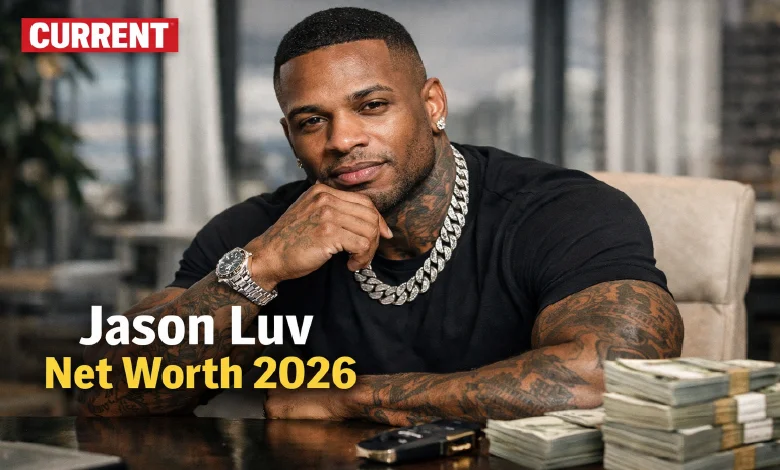
If you’ve been searching for Jason Luv net worth, you’ve landed in the right place. This multi-talented entertainer has built an impressive financial empire that spans music, fitness modeling, adult entertainment, social media, and smart investments. As of 2025, Jason Luv’s net worth is estimated at around $3 million, a figure that continues to grow thanks to his diverse income streams and relentless hustle. In this detailed blog post, we’ll cover everything — his real name, early life, military background, career journey, income sources, relationships, lifestyle, and what the future holds for one of the most talked-about entertainers in the digital world.
Who Is Jason Luv? The Man Behind the Name
Jason Luv’s real name is Jason Thomas. He was born on February 1, 1985, in Lafayette, Louisiana, and grew up in the small city of Ville Platte. From a young age, Jason showed a passion for sports — he played basketball, football, and ran track in high school, maintaining a GPA above 3.0. His childhood wasn’t glamorous, but it was filled with discipline, ambition, and a desire to be something bigger than his surroundings.
His zodiac sign is Aquarius, a sign known for bold thinking, creativity, and an independent spirit — traits that have clearly played out throughout his entire life and career.
Today, Jason Luv is 40 years old as of 2025, and he stands at a commanding 6 feet 5 inches tall, weighing approximately 235 pounds. His muscular physique, black hair, dark eyes, and tattoos make him instantly recognizable across social media platforms.
Jason Luv’s Military Service: The Foundation of His Discipline
Before the music, the modeling, and the millions — there was the military. After finishing high school, Jason Thomas made a major decision that would shape everything about his future: he enlisted in the United States Marine Corps.
Jason served for seven years as a scout sniper, one of the most demanding and elite roles in the entire military. Scout snipers require extraordinary physical fitness, mental toughness, razor-sharp focus, and the ability to operate calmly under extreme pressure. These qualities didn’t leave him when he took off the uniform — they followed him into every career he pursued afterward.
His military background gave him the discipline to maintain a rigorous fitness routine, the mental strength to handle failure, and the leadership skills to build and manage a personal brand that reaches millions of people.
After completing his service, Jason enrolled at Florida International University in Miami, where he continued his education and began the process of transitioning into civilian life. Miami would turn out to be the city where everything changed for him.
The Early Career: From DJ Booths to Personal Training
When Jason arrived in Miami, he didn’t walk straight into fame. Like most success stories, he started from the ground up. He established himself as one of the top personal trainers in Miami-Dade County, using his military-grade fitness knowledge to help clients transform their bodies. While training others, he was always working on his true passion — music.
Jason began performing at local nightclubs as a DJ and hip-hop artist. His energy, charisma, and raw talent quickly made him a fan favorite on the Miami nightlife scene. He wasn’t an overnight superstar, but he was building something real — a loyal fan base that connected with his authentic personality.
His musical style blends rap, hip-hop, EDM, and bounce music, giving him a unique sound that stands out from the crowd. He released several tracks including “Let’s Go Shopping” (2020) and later collaborated on “Auto (feat. Jason Luv)” (2024). He released a full album in the summer of 2021, showing his range as both a performer and a producer.
One of his biggest early breaks came when he performed live on Instagram with Tory Lanez on Quarantine Radio, which attracted over 300,000 listeners. That single appearance introduced him to an entirely new audience and showed the music world that Jason Luv had real star power.
He also landed a contract with Interscope Records, one of the most respected labels in the industry — a milestone that validated his music career and opened more doors.
Jason Luv Net Worth 2025: Breaking Down the $3 Million Fortune
So how exactly did Jason Luv build a net worth of $3 million? The answer lies in his ability to work multiple income streams at the same time, never putting all his eggs in one basket. Here is a look at how his money has grown over the years:
2020: Approximately $500,000 — music, personal training, and early social media growth were his main drivers.
2021: Grew to around $1 million as his album dropped, his OnlyFans account exploded, and his social media following surged.
2022: Reached approximately $1.5 to $2 million as brand deals, modeling contracts, and content income all increased.
2023: Pushed past $2 million, with reports suggesting he was earning around $50,000 per month across all his platforms and ventures.
2024–2025: Solidified at an estimated $3 million, with monthly earnings now reported at around $58,000 — breaking down to approximately $13,000 per week and nearly $2,000 every single day.
His influencer income alone is estimated to range between $175,000 and $240,000 annually. Combined with all his other ventures, Jason’s annual earnings easily exceed $1 million.
How Does Jason Luv Make His Money?
What makes Jason Luv’s financial story so compelling is the sheer number of ways he generates income. Here is a full breakdown of his revenue streams:
Music Sales and Streaming Royalties: His tracks on Spotify, Apple Music, and YouTube bring in consistent royalties. His music catalog continues to earn passively, meaning he makes money even when he’s not actively promoting.
Live Performances and Appearances: Before and after his musical breakthrough, Jason performed at clubs, events, and special appearances. These gigs can bring in thousands of dollars per night.
Fitness Modeling and Brand Endorsements: His muscular physique and disciplined lifestyle made him a natural fit for fitness brands. He has worked with gym-related companies on promotional campaigns, bringing in substantial endorsement fees.
Personal Training: Even as his entertainment career grew, Jason continued offering personal training services, leveraging his Marine Corps fitness expertise to charge premium rates for his time and knowledge.
OnlyFans and Digital Content: This is one of his most significant income drivers. After about two years of working with other production companies, Jason shifted to creating his own content independently. By doing so, he reportedly earned five times more than he was making before. His OnlyFans account has become one of his biggest revenue generators.
Social Media Sponsorships and Partnerships: With nearly a million followers on Instagram, over 3 million on TikTok, and a strong presence on X (formerly Twitter), Jason attracts serious brand partnership deals. Brands pay top dollar to reach his engaged audience.
Real Estate Investments: Jason owns properties in both Miami and Los Angeles. These generate rental income while also building long-term wealth through property value appreciation.
Cryptocurrency and Tech Startup Investments: Always thinking ahead, Jason has ventured into cryptocurrency trading and tech startup investing, adding high-risk but high-reward assets to his financial portfolio.
Jason Luv’s Career Highlights and Awards
Jason’s career has produced some genuinely impressive milestones that most people don’t know about. Here is a look at some of his biggest achievements:
He won the XBIZ Award in 2019, one of the most respected awards in the adult entertainment industry. In 2020, he took home an AVN Award, another major recognition in the field. Most recently, he won the Fan Award for Hottest Boy Creator Collaboration in 2024, which was voted on by his actual fans — proof that his audience is deeply engaged and loyal.
His collaboration with Lena the Plug, particularly the music video “The Plug” released in 2023, drew massive attention and introduced him to an even wider global audience. The video generated millions of views and became one of the most talked-about content releases of that year.
His Tory Lanez Quarantine Radio appearance remains one of his most memorable moments — drawing over 300,000 live listeners to a single Instagram stream at a time when live streaming was at its peak popularity.
Personal Life: Relationships and Family
Jason Luv is a relatively private person when it comes to family. His father, Thomas, is reportedly a businessman, but very little is known about his mother or siblings as Jason rarely discusses his family in public.
In terms of romantic relationships, Jason is not married. He is currently in a relationship with Andrea Abeli, who is an adult film actress and rapper. The two have been seen together frequently and appear to be a strong couple both personally and professionally.
He attended Ville Platte High School in Louisiana and later completed his higher education at Florida International University in Miami, giving him an educational background that sets him apart from many entertainers who never pursued formal education beyond high school.
Social Media Presence: The Engine Behind His Empire
Jason Luv’s social media presence is not just impressive — it is a core part of his business model. Here is where you can find him and how large his following is:
TikTok: Nearly 3 million followers, where he posts fitness content, music clips, and entertaining videos.
Instagram: Close to 1 million followers (approximately 600,000 to 1 million across different reporting periods), where he shares workout routines, modeling photos, and lifestyle content under the handle @iamjasonluv.
X (formerly Twitter): Active presence under @iamjasonluv, engaging with fans and sharing updates.
OnlyFans: One of his top-earning platforms, where he offers exclusive content to paying subscribers.
His TikTok songs include “Dance the Night Away” and “Let’s Go Shopping,” both of which gained traction on the platform. His ability to create content that entertains, inspires, and attracts millions of followers is a major reason why brands keep coming back to partner with him.
Jason Luv’s Lifestyle: How He Spends His Money
With a net worth of $3 million and monthly earnings of around $58,000, Jason Luv lives a comfortable and elevated lifestyle. He owns real estate in two of the most desirable cities in America — Miami and Los Angeles. He is known to invest in luxury experiences, travel, and high-end items that reflect his success.
However, Jason isn’t just a flashy spender. He works closely with financial advisors to manage his wealth intelligently. His investment portfolio includes conservative assets like real estate for steady returns, as well as bolder bets on cryptocurrency and tech startups for higher potential gains. This balanced approach shows a level of financial maturity that goes beyond what most entertainers demonstrate.
He maintains a strict fitness regime that keeps his physique in top shape — not just for appearance, but as a core part of his personal brand. His body is literally one of his most valuable business assets.
What the Future Holds for Jason Luv
Financial experts who follow his career predict that Jason Luv’s net worth could reach $5 million or more within the next three to five years. His plans include new music projects, expanding his digital content platforms, exploring opportunities in acting, and growing his investments in technology and emerging markets.
The rise of subscription-based platforms and creator economies gives Jason a strong advantage. As more fans move toward paying directly for content from their favorite creators, his OnlyFans and Patreon-style revenue is likely to grow significantly.
His story is far from over. At 40 years old, Jason Luv is arguably in his prime — experienced enough to make smart decisions, fit enough to maintain his physical brand, and ambitious enough to keep reaching for bigger goals.
Quick Bio Table
| Detail | Info |
| Real Name | Jason Thomas |
| Stage Name | Jason Luv |
| Date of Birth | February 1, 1985 |
| Age (2025) | 40 years old |
| Birthplace | Lafayette, Louisiana |
| Net Worth (2025) | Approximately $3 million |
| Monthly Earnings | Around $58,000 |
| Height | 6 feet 5 inches (195 cm) |
| Weight | 235 pounds (107 kg) |
| Military Service | US Marine Corps — 7 years (Scout Sniper) |
| Education | Florida International University |
| Partner | Andrea Abeli |
| Social Media | @iamjasonluv |
10 FAQs About Jason Luv Net Worth
- What is Jason Luv’s net worth in 2025?
Jason Luv’s net worth in 2025 is estimated at approximately $3 million. His wealth comes from music, fitness modeling, adult content creation, brand deals, real estate, and social media partnerships. - What is Jason Luv’s real name?
His real name is Jason Thomas. He adopted the stage name Jason Luv when he began his entertainment career in Miami, Florida. - How does Jason Luv make his money?
He earns through music streaming and performances, fitness modeling contracts, brand endorsements, personal training, OnlyFans content, social media sponsorships, real estate investments, and cryptocurrency trading. - How much does Jason Luv earn per month?
Reports suggest Jason Luv earns approximately $58,000 per month across all his income streams. That breaks down to around $13,000 per week and nearly $2,000 per day. - Did Jason Luv serve in the military?
Yes. Jason Luv served in the United States Marine Corps for seven years as a scout sniper, one of the most elite and demanding roles in the military. - How tall is Jason Luv?
Jason Luv stands 6 feet 5 inches tall (195 centimeters) and weighs approximately 235 pounds (107 kilograms). His impressive physique is a major part of his personal brand. - Is Jason Luv married?
No, Jason Luv is not married. He is currently in a relationship with Andrea Abeli, who is an adult film actress and rapper. - What awards has Jason Luv won?
He has won the XBIZ Award (2019), the AVN Award (2020), and the Fan Award for Hottest Boy Creator Collaboration (2024). These are significant recognitions in the entertainment industry. - What is Jason Luv’s most famous collaboration?
His most talked-about collaboration is with Lena the Plug on the music video “The Plug” released in 2023, which went viral and brought him major mainstream attention. He also gained huge exposure from a live performance on Tory Lanez’s Quarantine Radio, which attracted over 300,000 listeners. - Will Jason Luv’s net worth keep growing?
Almost certainly yes. Financial experts predict his net worth could reach $5 million or more within the next three to five years, driven by expanding digital content platforms, new music projects, real estate appreciation, and continued brand partnerships.
Final Thoughts
Jason Luv’s journey from a small town in Louisiana to a $3 million net worth is one of the most inspiring stories in modern entertainment. He didn’t take a traditional path — he served his country, educated himself, trained other people’s bodies while building his own brand, and eventually created a multi-million dollar empire through sheer determination and smart thinking.