
How to Write a Eulogy: A Simple Guide to Honoring Your Loved One
Easy Steps to Craft a Heartfelt Tribute to Celebrate Their Life and Legacy

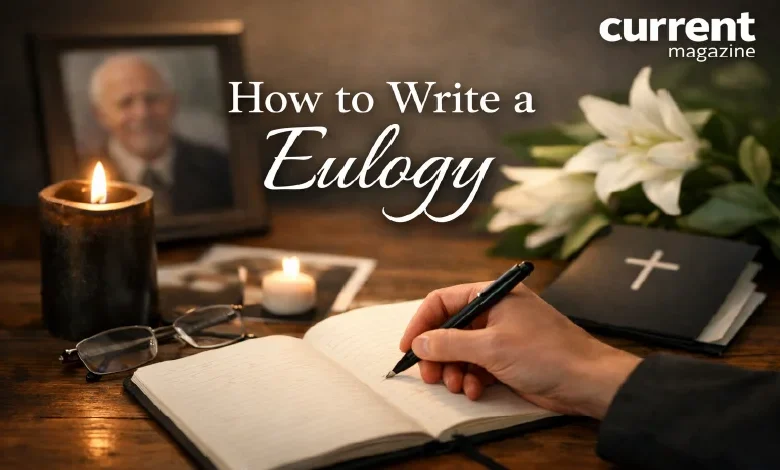
Writing a eulogy can feel overwhelming. Learn how to write a eulogy that honors the person you’ve lost with heartfelt words and meaningful stories. This guide walks you through the process step-by-step, from gathering memories to delivering your speech with confidence.
What Is a Eulogy?
A eulogy is a speech given at a funeral or memorial service. It celebrates the life of someone who has died. The word “eulogy” comes from Greek and means “good words.”
A eulogy isn’t a biography or a detailed life history. Instead, it’s a personal tribute that captures who the person was, what they meant to others, and the impact they had on the world.
Eulogies are usually given by family members, close friends, or spiritual leaders. If you’ve been asked to give one, it’s an honor. This guide will help you create something meaningful.
Why Writing a Eulogy Matters
Writing a eulogy serves several important purposes:
It honors the deceased. A eulogy celebrates their life and acknowledges their importance.
It helps people grieve. Hearing stories and memories helps mourners process their loss and feel connected.
It provides closure. A well-written eulogy helps bring a sense of finality to a life well-lived.
It preserves memory. The words you speak become memories that people carry forward.
It brings people together. A eulogy reminds everyone of shared connections and common values.
When Should You Write Your Eulogy?
Start writing as soon as possible. You don’t need to deliver it immediately, but beginning the writing process helps organize your thoughts.
Allow time for reflection. Don’t rush. Give yourself a few days to gather memories and emotions.
Finish before the service. Have your eulogy complete at least one day before the funeral. This gives you time to practice.
Write when you’re ready. If the loss is fresh and you’re overwhelmed, take a break. Come back when you feel more able to focus.
Most people write their eulogy 3-7 days after the death. This gives enough time to process emotions while memories are still fresh.
Step-by-Step Guide to Writing a Eulogy
Step 1: Gather Your Memories and Stories
Before you write, collect the stories and memories you’ll include.
Think about:
- Funny moments you shared together
- Times they helped or supported you
- Their hobbies and passions
- How they treated people
- Their accomplishments
- Special traditions you shared
- Lessons they taught you
- Times they made you proud
Write down:
- At least 3-5 specific stories or memories
- Key dates (birth, career milestones, family events)
- Quotes or sayings they often used
- How they made a difference in your life
Don’t worry about organizing yet. Just write everything that comes to mind.
Step 2: Choose Your Main Theme
A eulogy works best with one central idea that ties everything together. This is your theme.
Some examples:
- “She was the strongest person I knew”
- “He lived life on his own terms”
- “She taught us what kindness really means”
- “He was always there when we needed him”
- “She saw the best in everyone”
Your theme should be something true about the person that you can support with stories and examples. Choose something that feels authentic to you.
Step 3: Create Your Outline
A good eulogy has three parts: opening, body, and closing.
Opening (1-2 minutes):
- Introduce yourself
- Explain your relationship to the deceased
- State your theme
Body (3-5 minutes):
- Tell 2-3 meaningful stories
- Share specific examples that show who they were
- Include humor if appropriate
- Mention their accomplishments
- Describe their impact on others
Closing (1-2 minutes):
- Summarize your main points
- Offer words of comfort
- Say goodbye
- End with meaning (a favorite quote, poem, or thought)
Total length should be 5-10 minutes. This usually equals 650-1,300 words when written out.
Step 4: Write Your Opening
Your opening sets the tone for everything that follows. Make it personal and sincere.
What to include:
- Your name
- Your relationship (“I was her daughter,” “He was my best friend,” etc.)
- A brief statement about why you’re speaking
Example opening: “My name is Sarah, and I’m so grateful to be here today. For 35 years, Margaret was my mother, my confidant, and my role model. The thing I loved most about Mom was her ability to make everyone feel special. Today, I want to share stories that show you what an incredible woman she was.”
Keep it simple and honest. People connect with genuine emotion, not polished perfection.
Step 5: Write Your Main Stories
Now share the stories you gathered. Tell them in a way that shows who the person was.
For each story:
- Set the scene (when and where it happened)
- Explain why it matters
- Show how it reveals something about the person
- Include specific details (names, places, dialogue)
Good story example: “Dad always said, ‘Life’s too short not to help someone.’ I’ll never forget the winter of 1995. Our neighbor, Mrs. Chen, had a stroke. While she recovered, Dad shoveled her driveway every single morning for six months. He never asked for anything in return. He just said, ‘That’s what neighbors do.’ That generosity defined Dad’s entire life.”
Specific stories are more powerful than general statements. Instead of saying “She was kind,” show kindness through a concrete example.
Step 6: Address Their Impact
Explain how this person changed the lives of those around them.
Consider:
- What did they teach you?
- How did they influence your choices?
- What values did they model?
- What will you miss most?
- How will you carry their memory forward?
Example: “Mom taught me that it’s okay to be different. She was a artist in a family of accountants. She pursued her passion even when nobody understood it. Because of her, I had the courage to become a writer. She showed me that being true to yourself is more important than fitting in.”
This helps people understand the lasting impact of the person’s life.
Step 7: Include Appropriate Humor
If the deceased had a sense of humor, including funny stories honors their personality.
Good humor includes:
- Funny habits or quirks
- Embarrassing moments they could laugh at
- Inside jokes (explained so everyone understands)
- Times they made you laugh
Avoid:
- Mean-spirited jokes
- Anything that embarrasses their family
- Jokes that don’t fit the tone
- Anything inappropriate
Laughter at a funeral can be healing. It reminds us of the joy the person brought to our lives.
Step 8: Write Your Closing
Your closing is your final chance to honor the person and bring comfort to mourners.
Include:
- A final thought or observation
- Words of comfort for the grieving
- A meaningful quote or poem (optional)
- A final goodbye
Example closing: “As we say goodbye to Dad today, I want all of you to know that his legacy lives on in each of us. His kindness, his humor, his unwavering support—these things are now part of who we are. When we face difficult times, we’ll ask ourselves, ‘What would Dad do?’ And that will guide us. Dad, thank you for everything. We love you, and we’ll miss you every day.”
Your closing should feel like a natural wrap-up, not abrupt or rushed.
Tips for Writing a Powerful Eulogy
Be Honest
Write about the real person, not a perfect version of them. People appreciate honesty and authenticity more than artificial perfection.
Use Specific Details
“She loved to garden” is less powerful than “She spent every Saturday morning in her garden, coaxing tomatoes and zucchini from the soil. She’d bring bags of vegetables to our door and tell me exactly how to cook them.”
Avoid Reading from a List
While you should write out your eulogy, practice reading it so you can make eye contact and connect with your audience.
Keep It Personal
This isn’t the time for formal speeches. Speak from your heart in your own words and voice.
Control Your Length
A 5-10 minute eulogy is appropriate. If you go much longer, people’s attention drifts. Practice with a timer.
Consider the Audience
Include details that help people understand who this person was. Don’t assume everyone knows them as well as you did.
Practice Out Loud
Read your eulogy aloud several times before the service. This helps you notice awkward phrasing and prepare emotionally for delivery.
What to Avoid When Writing a Eulogy
Don’t air grievances. A funeral isn’t the place to mention conflicts or disagreements.
Don’t make it about you. While personal stories are fine, keep the focus on the person who died.
Don’t be too casual. Respect the solemnity of the occasion, even if the person was funny.
Don’t read too fast. Speak slowly and clearly so people can hear and understand your words.
Don’t apologize for emotion. If you cry, that’s okay. Let your feelings show.
Don’t make it political or religious. Unless the person’s faith was central to who they were, avoid making the eulogy about religion or politics.
Don’t speak negatively. Focus on the good. This isn’t the time to mention flaws or failures.
How to Deliver Your Eulogy
Practice Multiple Times
Read your eulogy aloud at least 5-10 times before the service. This builds confidence and helps you catch problems.
Print It in Large Type
Use 14-16 point font with wide margins. This makes it easy to read even if your hands shake.
Practice with Emotion
When you practice, let yourself feel the emotions. This prepares you for delivering the real thing.
Know Your Pacing
Speak slowly. Most people rush when nervous. Aim for about 130-150 words per minute.
Make Eye Contact
Look up from your paper occasionally to connect with the audience. You don’t need to make eye contact constantly—just enough to feel present.
Take Pauses
It’s okay to pause, breathe, and collect yourself. Pauses feel longer to you than they do to the audience.
Use a Steady Voice
Speak from your diaphragm, not your throat. This helps your voice stay steady and clear.
Have Tissues Nearby
Place tissues or a water bottle at the podium. It’s okay to use them.
Remember: Your Effort Honors Them
The audience understands that you’re grieving. They’ll appreciate your effort and honesty, even if you stumble or cry.
Common Questions About Eulogies
Who should write the eulogy? Usually a close family member or friend writes it. Sometimes multiple people share different eulogies. There’s no strict rule—choose whoever feels right.
Can more than one person give a eulogy? Yes. Having 2-3 people speak different perspectives can be beautiful. Coordinate timing to keep the total length reasonable.
What if I’m too emotional to write it? Ask someone else to help you. You can provide stories and memories, and they can organize and write. You might still deliver it, or they might read it for you.
How long should a eulogy be? 5-10 minutes is ideal. This equals roughly 650-1,300 written words. Ask the funeral director how much time is available.
Should I use notes or memorize it? Write it out and use notes. Most people can’t memorize a eulogy while grieving. Using notes is completely acceptable and expected.
What if I make a mistake while speaking? Keep going. The audience won’t notice small mistakes. They’re focused on your message, not perfection.
10 FAQs About Writing and Delivering Eulogies
- What’s the difference between a eulogy and an obituary?
An obituary is factual information about someone’s life, published in newspapers. A eulogy is a personal speech given at a funeral that celebrates their life and impact. An obituary is written information; a eulogy is a spoken tribute. - Can I write a eulogy if I wasn’t very close to the person?
Yes. Even if you weren’t close, you can speak about who they were and what you observed about their character. Ask family members for stories to help you. Focus on what you honestly knew about them. - Should I include the person’s struggles or difficulties in life?
You can acknowledge that life was challenging, but keep the focus on how they overcame difficulties or what they learned. A eulogy celebrates resilience, not hardship. - Is it appropriate to mention the cause of death?
Usually, no. Unless it was a public situation or central to their life story, avoid mentioning how they died. Focus on how they lived. - What if the person was controversial or had done things I disagree with?
Speak truthfully about who they were while focusing on positive contributions and relationships. You don’t need to pretend they were perfect. Honesty is more meaningful than false praise. - Can I use humor in a eulogy?
Yes, absolutely. If the person had a sense of humor, including funny stories honors their personality. Just make sure the humor is warm and respectful, not mean-spirited. - Should I write different versions for different audiences?
No, write one version. However, you might adjust wording slightly during delivery based on the audience. This is normal and fine. - What if I cry while delivering the eulogy?
That’s completely normal and okay. Pause, take a breath, drink some water, and continue when you’re ready. Crying shows genuine love and respect. - Can I use a poem or quote in my eulogy?
Yes. Ending with a favorite poem, quote, or verse can be beautiful. Keep it short—just one or two sentences. Make sure it relates to the person and fits the tone. - How do I start if I feel completely overwhelmed?
Start by writing down memories without worrying about organization. Just list stories, quotes, and moments. Then step back, identify a theme, and organize these notes. Breaking the process into smaller steps makes it manageable.
Final Thoughts
Writing a eulogy is one of the most meaningful things you’ll ever do. It’s a gift to the person who died and to everyone who loved them. Your words become part of their legacy.
Don’t aim for perfection. Aim for truth and love. Share the stories that show who this person really was. Speak from your heart. Let your voice reflect your genuine feelings.
The people listening don’t expect a perfect speech. They expect to hear someone who loved this person honor their memory. That’s exactly what you’ll do.