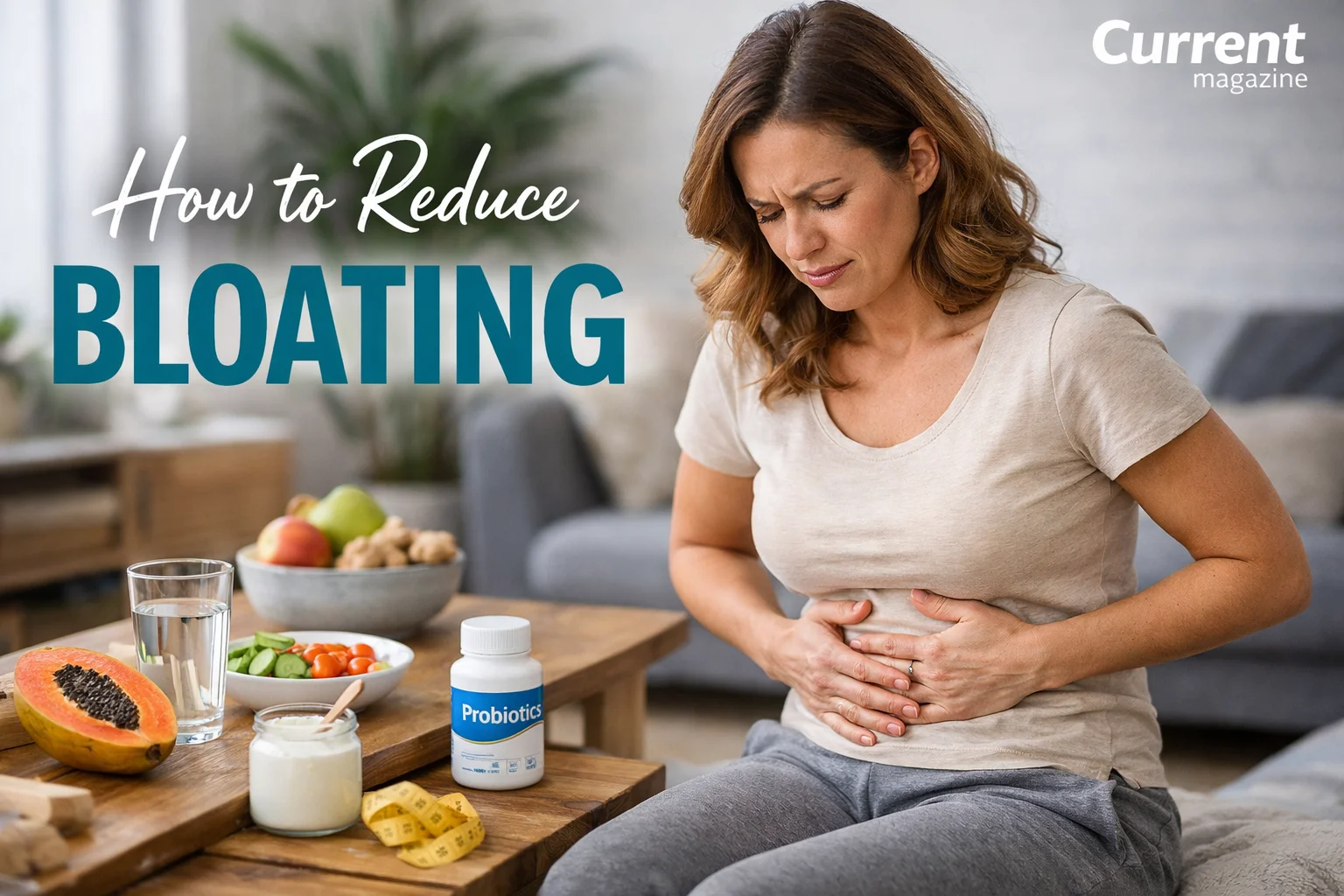
Bloating is an uncomfortable feeling that affects millions of people every day. Whether you feel uncomfortably full, your stomach looks distended, or your pants feel too tight, knowing how to reduce bloating can make a huge difference in how you feel. This complete guide will show you proven methods to reduce bloating quickly, explain what causes it, and teach you how to prevent it from happening. We’ll also answer your most important questions about bloating relief and when you should see a doctor. Let’s explore everything you need to know about how to reduce bloating and feel comfortable again.
Understanding Bloating
Bloating happens when gas or air gets trapped in your digestive system, making your stomach feel uncomfortably full or distended. Your abdomen might look swollen or feel tight. Bloating is different from actual weight gain—it’s usually temporary and goes away once the gas passes. Several things cause bloating including eating too fast, eating certain foods, not drinking enough water, and digestive problems. Some people are more prone to bloating than others. Understanding what causes your bloating helps you find the best way to reduce bloating and prevent it in the future.
Immediate Ways to Reduce Bloating Fast
1. Drink Plenty of Water
Dehydration makes bloating worse by causing your body to retain water. Drink a large glass of water immediately to help reduce bloating. Water helps flush your digestive system and reduces water retention. Continue sipping water throughout the day. While it seems counterintuitive, drinking more water actually helps reduce bloating caused by dehydration. Aim for eight to ten glasses of water daily. Proper hydration is one of the simplest ways to reduce bloating.
2. Take a Short Walk
Physical activity helps move gas through your digestive system and reduces bloating. Take a 10 to 15 minute walk after meals. Light exercise like walking is especially helpful for reducing bloating caused by meals. Avoid strenuous exercise when bloated, as that can be uncomfortable. A gentle walk helps your stomach digest food and move gas along. Many people find that a post-meal walk significantly reduces bloating.
3. Try Ginger Tea
Ginger has natural anti-inflammatory properties that help reduce bloating. Brew fresh ginger tea by steeping sliced ginger in hot water for five to ten minutes. Drink it slowly while warm. Ginger helps your digestive system work better and reduces gas and bloating. You can also take ginger supplements or eat ginger candies. Many people find ginger tea provides relief within 30 minutes. Ginger is safe and natural for reducing bloating.
4. Use Peppermint Oil
Peppermint oil helps relax digestive muscles and reduces bloating. Drink peppermint tea or take peppermint oil capsules as directed. You can also add a drop of peppermint oil to warm water and drink it. Peppermint reduces muscle spasms in your intestines that cause bloating. Studies show peppermint is effective for bloating and digestive discomfort. Peppermint is safe and tastes pleasant. Many people prefer peppermint to medication for bloating relief.
5. Apply Warm Compress to Your Belly
Heat helps relax your abdominal muscles and reduce bloating discomfort. Place a warm heating pad or hot water bottle on your stomach for 15 to 20 minutes. The warmth helps ease cramping and promotes digestion. A warm bath also helps reduce bloating. Avoid very hot temperatures that might burn your skin. Gentle warmth provides soothing relief from bloating. Many people find heat more comfortable than taking medication.
6. Eat Slowly and Chew Thoroughly
Eating too fast causes you to swallow air, which increases bloating. Slow down and chew each bite 20 to 30 times before swallowing. Put your fork down between bites. Eating slowly gives your digestive system time to work properly. Take at least 20 minutes for each meal. Proper chewing and slow eating significantly reduce bloating caused by eating habits. This simple change helps many people reduce bloating dramatically.
7. Avoid Carbonated Beverages
Carbonated drinks like soda and sparkling water contain gas that causes bloating. Avoid these drinks, especially when already bloated. Replace carbonated beverages with water, herbal tea, or other non-carbonated drinks. Gas from carbonated drinks gets trapped in your stomach and intestines. Eliminating carbonated drinks reduces bloating for many people. This simple change makes a big difference for bloating relief.
8. Eat Smaller, More Frequent Meals
Eating large meals makes bloating worse. Instead, eat smaller meals throughout the day. Have five to six small meals rather than three large ones. Smaller portions are easier to digest and cause less bloating. Your stomach doesn’t feel as stretched when you eat smaller amounts. Spreading meals throughout the day helps reduce bloating and keeps your energy level stable.
9. Try Fennel Seeds
Fennel seeds have been used for centuries to reduce bloating and gas. Chew fennel seeds after meals or brew fennel tea. Fennel reduces muscle spasms in your digestive tract. You can purchase fennel seeds at most grocery stores. Chewing just a teaspoon of fennel seeds helps many people reduce bloating. Fennel is natural, safe, and effective for digestive comfort.
10. Massage Your Abdomen
Gentle abdominal massage helps move gas through your digestive system. Use your fingers to massage your belly in circular motions, moving clockwise. Start at your lower right side, move up, across to the left, and down. Spend five to ten minutes massaging gently. This natural technique helps your intestines move waste and gas along. Abdominal massage provides relief without medication and feels soothing.
Foods That Reduce Bloating
Eat Anti-Inflammatory Foods
Foods with anti-inflammatory properties help reduce bloating. Include more leafy greens, berries, fatty fish, and nuts in your diet. These foods reduce inflammation in your digestive system. Turmeric, ginger, and garlic also have anti-inflammatory properties. Anti-inflammatory foods improve digestive health and reduce bloating over time. Focus on whole foods rather than processed options.
Include Probiotic-Rich Foods
Probiotics are beneficial bacteria that improve digestive health and reduce bloating. Eat yogurt, kefir, sauerkraut, kimchi, or miso. These fermented foods contain live beneficial bacteria. Probiotics help your digestive system work better and reduce gas production. You can also take probiotic supplements. Adding probiotics to your diet helps reduce chronic bloating. Many people notice improvement within a few days of eating probiotic foods.
Eat High-Fiber Foods Gradually
Fiber helps your digestive system work better, but too much fiber too quickly causes bloating. Increase your fiber intake gradually over several weeks. Good fiber sources include vegetables, fruits, whole grains, and beans. Gradually increasing fiber prevents the bloating that comes from sudden changes. A high-fiber diet prevents bloating long-term. Make changes slowly to avoid digestive upset.
Eat Fruits and Vegetables With High Water Content
Watery foods like cucumbers, watermelon, celery, and zucchini help reduce bloating. These foods have high water content and are easy to digest. They help flush your system and reduce water retention. Include these foods in your meals and snacks. Water-rich foods satisfy hunger without causing bloating. They’re especially helpful when you feel bloated.
Foods That Cause Bloating to Avoid
Limit Artificial Sweeteners
Artificial sweeteners like sorbitol, xylitol, and aspartame can cause bloating and gas. These sweeteners aren’t fully absorbed by your digestive system, causing fermentation and gas. Avoid diet sodas, sugar-free candy, and foods with artificial sweeteners. Natural sweeteners like honey or maple syrup are better alternatives. Many people find that eliminating artificial sweeteners significantly reduces bloating.
Avoid High-Fat Foods
High-fat foods slow down digestion and can cause bloating. Fried foods, fatty meats, and heavy sauces take longer to digest. Stick to lean proteins and lower-fat cooking methods. Baking, grilling, and steaming are better than frying. Reducing fat intake helps reduce bloating and improves overall digestion. Choose healthier cooking methods and lower-fat options.
Reduce Dairy If You’re Lactose Intolerant
Dairy products cause bloating in people who are lactose intolerant. If you struggle to digest dairy, eliminate it or use lactose-free alternatives. Many people don’t realize they’re lactose intolerant. If bloating happens after eating dairy, try eliminating it for a week. Non-dairy milks, cheeses, and yogurts are good alternatives. Avoiding problematic foods helps reduce bloating significantly.
Limit Cruciferous Vegetables
Vegetables like broccoli, cabbage, cauliflower, and Brussels sprouts can cause bloating because they’re high in complex carbohydrates that produce gas. You don’t need to avoid these healthy vegetables entirely, but eat them in moderation. Cook them well, as cooking breaks down the compounds that cause gas. Start with small portions and increase gradually. These vegetables are very healthy, so don’t eliminate them completely.
Avoid Beans and Legumes Initially
Beans and lentils cause bloating because they’re high in complex carbohydrates. If you’re prone to bloating, temporarily reduce beans and legumes. Once your bloating improves, gradually reintroduce them in small amounts. Soaking beans and cooking them thoroughly reduces gas production. Beans are nutritious, so reintroduce them slowly as your digestion improves.
Lifestyle Changes to Prevent Bloating
Manage Stress Effectively
Stress affects your digestive system and increases bloating. Practice stress-reduction techniques like meditation, deep breathing, yoga, or journaling. Make time for relaxation and activities you enjoy. Chronic stress causes digestive problems and bloating. Managing stress improves your overall health and reduces bloating. Even ten minutes of stress relief daily helps significantly.
Get Regular Exercise
Physical activity improves digestion and reduces bloating. Aim for 30 minutes of moderate exercise most days of the week. Walking, cycling, swimming, and yoga all help. Exercise moves gas through your digestive system naturally. Regular activity improves digestive health long-term. Even light activity like gentle stretching helps reduce bloating.
Eat Meals at Regular Times
Eating at consistent times helps your digestive system work better. Try to eat breakfast, lunch, and dinner at the same times every day. Your body gets into a rhythm, and digestion improves. Irregular eating patterns cause digestive problems and bloating. A consistent schedule prevents many cases of bloating. Your digestive system likes routine.
Stay Hydrated Throughout the Day
Drink water consistently throughout the day, not just when you’re thirsty. Proper hydration prevents constipation and reduces bloating. Drink more water if you exercise or spend time in hot weather. Aim for half your body weight in ounces of water daily. For example, if you weigh 150 pounds, drink about 75 ounces of water. Consistent hydration is one of the best ways to prevent bloating.
Get Enough Sleep
Poor sleep affects your digestive health and increases bloating. Aim for seven to nine hours of quality sleep each night. Keep a consistent sleep schedule, even on weekends. Your digestive system works better when you’re well-rested. Sleep is crucial for overall health. Good sleep reduces bloating and improves how you feel generally.
When to See a Doctor
See a doctor about bloating if:
- Bloating is severe and prevents you from daily activities
- Bloating lasts more than two weeks despite lifestyle changes
- Bloating comes with pain, fever, or vomiting
- You notice blood in your stool
- You have unexplained weight loss
- Bloating is accompanied by changes in bowel movements
- You have difficulty swallowing or frequent heartburn
- Bloating interferes with eating or nutrition
Your doctor can check for conditions like irritable bowel syndrome, food intolerances, or other digestive problems that need treatment.
10 Frequently Asked Questions About Bloating
- How long does bloating usually last?
Most bloating from eating or gas lasts a few hours to a day. Bloating from certain foods might last longer if you continue eating them. With proper treatment like walking, drinking water, and herbal tea, bloating usually improves within a few hours. Chronic bloating that lasts days or weeks needs medical attention. Most temporary bloating resolves quickly with proper care.
- Does drinking water really help reduce bloating?
Yes, drinking water helps reduce bloating caused by dehydration. Your body retains water when dehydrated, causing bloating. Drinking more water paradoxically reduces water retention. Proper hydration helps your digestive system work better and prevents constipation that causes bloating. Most people notice improvement within an hour of drinking water. Water is one of the most effective bloating remedies.
- Are there foods that always cause bloating?
Different foods cause bloating in different people. Common trigger foods include beans, cruciferous vegetables, dairy (if lactose intolerant), carbonated drinks, and artificial sweeteners. However, some people tolerate these foods fine while others struggle. Keep a food diary to identify your personal triggers. Once you know what causes your bloating, you can avoid those foods. Individual triggers vary greatly.
- Can stress really cause bloating?
Yes, stress significantly affects digestion and causes bloating. Stress triggers the “fight or flight” response, which slows digestion. Stress also causes muscle tension in your abdomen. Chronic stress leads to chronic bloating and other digestive problems. Managing stress through meditation, exercise, and relaxation reduces bloating. Your gut is closely connected to your mental health.
- Is bloating the same as weight gain?
No, bloating and weight gain are different. Bloating is temporary swelling from gas or water retention. Weight gain is actual fat or muscle accumulation. Bloating goes away once the gas passes or water is eliminated. Weight gain takes time to develop and requires dietary changes to reverse. You can feel bloated without gaining weight. Most bloating is temporary and not related to actual weight gain.
- Does exercise help reduce bloating immediately?
A short walk within 30 minutes of eating helps reduce bloating significantly. Light exercise helps move gas through your digestive system. However, intense exercise when already bloated can feel uncomfortable. Gentle movement like walking works best for bloating relief. You should feel better within 10 to 15 minutes of walking. Light activity is more effective than no activity for reducing bloating.
- Can you have bloating without gas?
Yes, bloating can happen without obvious gas. Water retention, constipation, or inflammation can cause bloating feelings. Your stomach muscles might be tense, causing discomfort. Certain foods cause swelling in your digestive tract without producing gas. Medical conditions like irritable bowel syndrome cause bloating in various ways. Not all bloating involves gas, but gas is the most common cause.
- How much ginger should you consume to reduce bloating?
One to two grams of ginger daily helps reduce bloating. That’s about one teaspoon of fresh ginger or one cup of ginger tea. You can take ginger as a supplement, tea, or fresh in food. Start with smaller amounts and increase gradually. Ginger is safe for most people, but very high amounts might cause stomach upset. Moderate amounts work best for bloating relief.
- Can probiotics help reduce chronic bloating?
Yes, probiotics can help reduce chronic bloating by improving digestive health. Probiotics balance the bacteria in your gut and improve digestion. Eating probiotic-rich foods or taking supplements helps many people. Results usually take one to two weeks to notice. Probiotics are especially helpful if bloating is caused by digestive imbalances. Most people tolerate probiotics well with no side effects.
- When should you use medication for bloating instead of home remedies?
Try home remedies first—they work for most temporary bloating. If bloating lasts more than a few weeks despite lifestyle changes, ask your doctor about medication. Over-the-counter medications like simethicone help with gas bloating. Prescription medications treat underlying conditions like IBS. See a doctor if home remedies don’t work after two weeks. Medical treatment might be necessary for chronic bloating with an underlying cause.
Final Thoughts
Bloating is uncomfortable but very manageable with the right approach. Start with simple remedies like drinking water, taking a walk, and drinking ginger tea. Most temporary bloating improves within a few hours with these methods. Eat slowly, chew thoroughly, and avoid foods that trigger your bloating. Manage stress, exercise regularly, and maintain a consistent eating schedule to prevent bloating long-term. If bloating persists despite your efforts or comes with other symptoms, see a doctor. Many cases of chronic bloating have underlying causes that need professional treatment. Remember that how to reduce bloating often involves both immediate relief techniques and long-term lifestyle changes. Be patient with yourself as you identify your personal triggers and find what works best for your body. Most people can significantly reduce bloating once they understand what causes it and make appropriate changes. With proper care and attention, you can feel comfortable and enjoy your meals without the discomfort of bloating.