How to Stop Snoring While Sleeping: Easy Tips for Better Sleep
Discover Easy Ways to Stop Snoring and Sleep Soundly!

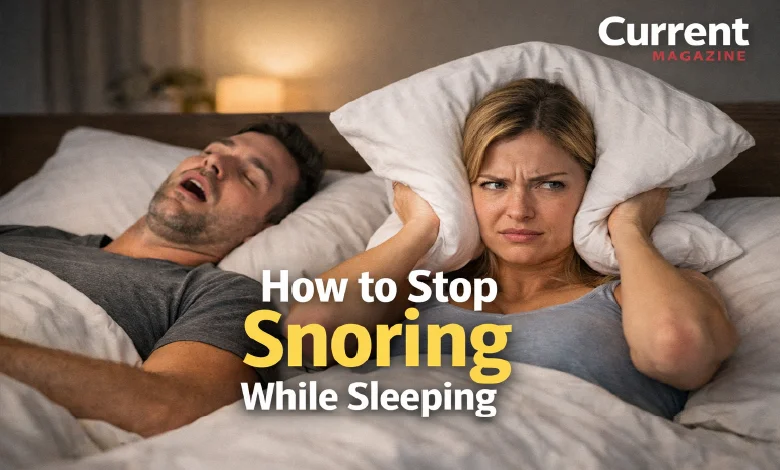
Snoring ruins sleep for you and your partner. Learn how to stop snoring while sleeping with proven methods, lifestyle changes, and when to see a doctor. This guide covers easy remedies, medical treatments, and tips to reduce snoring tonight.
What Is Snoring and Why It Happens
Snoring is a sound you make when air doesn’t flow smoothly through your nose and throat while you sleep. When these airways are partially blocked, the tissues vibrate and create that rough, rattling noise.
Most people snore occasionally. But for some, it’s a nightly problem that affects sleep quality and relationships. Understanding why you snore is the first step to fixing it.
Common Causes of Snoring
Nasal Congestion When your nose is blocked by mucus, allergies, or a deviated septum, air can’t flow freely. This forces you to breathe through your mouth, which increases snoring.
Excess Weight Extra weight, especially around your neck, puts pressure on your airways. This narrows the space where air flows and makes snoring worse.
Sleep Position Sleeping on your back relaxes your throat muscles more than other positions. This allows tissues to collapse inward and vibrate.
Alcohol and Medications Alcohol relaxes throat muscles and increases snoring. Some sleeping pills and sedatives have the same effect.
Age As you get older, throat muscles naturally weaken. This is why snoring becomes more common with age.
Anatomical Issues Some people are born with a deviated septum, large tonsils, or a long soft palate. These physical differences make snoring more likely.
Sleep Apnea In some cases, snoring is a sign of sleep apnea—a serious condition where breathing repeatedly stops during sleep. This requires medical attention.
Simple Lifestyle Changes to Reduce Snoring
1. Change Your Sleep Position
Why it works: When you sleep on your back, gravity pulls your tongue back into your throat. This narrows your airway.
What to do:
- Train yourself to sleep on your side
- Use a body pillow to keep you on your side
- Sew a tennis ball into the back of your pajama shirt (creates discomfort if you roll onto your back)
- Elevate your head with an extra pillow
Many people notice less snoring by simply changing positions. It’s free and works surprisingly well.
2. Maintain a Healthy Weight
Why it works: Extra weight around the neck constricts airways. Losing even 10% of your body weight can reduce snoring.
What to do:
- Exercise regularly (30 minutes most days)
- Eat a balanced diet with vegetables and protein
- Drink more water and less sugary drinks
- Limit fast food and processed foods
Weight loss takes time, but the improvement in snoring can be dramatic.
3. Avoid Alcohol Before Bed
Why it works: Alcohol relaxes muscles in your throat, making snoring worse. Even one drink affects snoring.
What to do:
- Avoid alcohol 3-4 hours before sleep
- Choose non-alcoholic drinks in the evening
- If you enjoy wine, drink it earlier in the day
You might notice less snoring the very first night you skip alcohol.
4. Stay Hydrated
Why it works: When you’re dehydrated, the mucus in your nose and throat becomes thick and sticky. This blocks airflow.
What to do:
- Drink plenty of water throughout the day
- Aim for 8-10 glasses daily
- Avoid caffeine and alcohol, which dehydrate you
- Drink water 2 hours before bed (not right before, or you’ll wake up to use the bathroom)
Good hydration helps keep airways clear and moist.
5. Use a Humidifier
Why it works: Dry air irritates your nose and throat. A humidifier adds moisture to the air you breathe.
What to do:
- Run a humidifier in your bedroom
- Keep humidity between 30-50%
- Clean the humidifier regularly to prevent mold
- Add eucalyptus oil for extra benefit
Moist air helps airways stay open and reduces vibration.
6. Practice Good Sleep Habits
Why it works: Being well-rested helps your throat muscles stay tighter. Tired muscles relax more and vibrate easier.
What to do:
- Go to bed at the same time every night
- Wake up at the same time every morning
- Get 7-9 hours of sleep
- Avoid screens 1 hour before bed
- Create a dark, cool bedroom
Better sleep habits improve snoring and overall health.
7. Clear Your Nasal Passages
Why it works: A clear nose means air flows easily. Blocked nasal passages force you to breathe through your mouth, which causes snoring.
What to do:
- Use saline nasal drops or spray
- Take a warm shower before bed (steam opens airways)
- Use a neti pot to rinse your sinuses
- Consider nasal strips that open your nostrils
Many people see immediate improvement when they clear congestion.
Medical Treatments for Snoring
If lifestyle changes don’t work, medical options are available.
Nasal Strips
These adhesive strips stick to the bridge of your nose and pull your nostrils open. They’re inexpensive, safe, and work well for nasal snoring.
Dental Devices
A dentist can make a custom mouthpiece that moves your lower jaw forward. This keeps your airway open while you sleep. These work best for mild to moderate snoring.
CPAP Machine
This device pushes air through a mask into your airways. CPAP stands for Continuous Positive Airway Pressure. It’s very effective but takes time to get used to. Doctors usually prescribe it for sleep apnea.
Medication
Nasal steroid sprays reduce inflammation and congestion. They work well if allergies cause your snoring. A doctor can prescribe these.
Surgery
In rare cases, surgery removes or reshapes tissue blocking airways. Options include:
- Uvulopalatopharyngoplasty (UPPP)
- Laser-assisted uvulopalatopharyngoplasty (LAUP)
- Radiofrequency ablation
Surgery is usually a last resort after other treatments fail.
Natural Remedies and Home Treatments
Throat Exercises
Some studies show that throat exercises strengthen muscles and reduce snoring. Try these daily:
Singing: Sing songs or hum for 20 minutes. This exercises throat muscles.
Tongue Slides: Press your tongue against the roof of your mouth. Slide it back slowly 20 times. Repeat 3 times daily.
Vowel Sounds: Say “A-E-I-O-U” clearly and loudly 20 times, three times daily.
These exercises take just minutes but may reduce snoring over time.
Essential Oils
Some oils may help reduce snoring:
Eucalyptus Oil: Helps clear congestion. Add a few drops to a diffuser.
Peppermint Oil: Opens airways. Use in a diffuser or add to hot water and breathe the steam.
Thyme Oil: Has anti-inflammatory properties. Add to a humidifier.
Always dilute essential oils properly and never ingest them.
Herbal Supplements
Some people report success with:
- Ginger tea (reduces inflammation)
- Turmeric (anti-inflammatory)
- Honey (soothes throat)
However, research is limited. Always talk to a doctor before starting supplements.
When to See a Doctor
You should see a doctor if:
- Your snoring is very loud and disturbing
- Someone notices you stop breathing during sleep
- You wake up gasping for air
- You’re extremely tired during the day
- You have pauses in breathing followed by loud gasps
- You choke or gasp during sleep
These signs may indicate sleep apnea, which needs medical treatment. Sleep apnea can lead to heart problems if untreated.
Tips to Stop Snoring Tonight
Immediate steps you can take:
- Clear your nose – Use saline spray or take a hot shower
- Change position – Sleep on your side with an extra pillow
- Elevate your head – Use 2-3 pillows to lift your head
- Skip the alcohol – Avoid any drinks this evening
- Use a humidifier – Add moisture to the air
- Apply a nasal strip – Opens your nostrils
- Drink water – Stay hydrated throughout the evening
- Keep your bedroom cool – Cool air helps airways stay open
Some of these might stop your snoring tonight!
What Your Partner Can Do
If snoring affects your partner’s sleep, try:
- Using earplugs designed for sleeping
- Playing white noise or a fan
- Sleeping in separate rooms temporarily (while you try solutions)
- Being supportive as you work on solutions
- Reminding you gently to roll onto your side
A supportive partner makes treating snoring easier.
10 FAQs About Snoring and How to Stop It
- Is snoring always a sign of sleep apnea?
No, not always. Snoring and sleep apnea are different. Snoring is just a sound. Sleep apnea is when you stop breathing repeatedly. However, snoring can be a sign of sleep apnea, so see a doctor if you snore heavily or stop breathing. - Can you snore with your mouth closed?
Yes. You can snore through your nose or throat. If you snore with your mouth closed, nasal congestion or anatomical issues are likely causes. Try clearing your nose and sleeping on your side. - Is it bad to snore every night?
Nightly snoring suggests a chronic problem that needs attention. While occasional snoring is normal, nightly snoring affects your sleep quality and your partner’s rest. Try lifestyle changes or see a doctor. - How long does it take for lifestyle changes to reduce snoring?
Some changes work immediately (like changing position or clearing your nose). Others take longer. Weight loss might take weeks or months but can dramatically reduce snoring. Be patient and consistent. - Are snoring aids like chin straps effective?
Chin straps keep your mouth closed so you breathe through your nose. They work for some people, especially those who snore because they mouth-breathe. Comfort varies—try one to see if it helps you. - Can allergies cause snoring?
Yes. Allergies cause nasal congestion and inflammation. This blocks airways and increases snoring. Treating allergies with antihistamines or nasal sprays often reduces snoring. - Does age affect snoring?
Yes. Snoring becomes more common as you age because throat muscles naturally weaken. This is why many people snore more as they get older. Lifestyle changes and medical treatments help at any age. - Can children snore?
Yes, children can snore. Common causes include enlarged tonsils or adenoids, allergies, or nasal congestion. If your child snores regularly, especially with pauses in breathing, see a pediatrician. - Is there a quick fix for snoring?
There’s no permanent quick fix, but some methods work immediately: nasal strips, changing position, or clearing congestion can reduce snoring tonight. Long-term solutions require lifestyle changes or medical treatment. - Can snoring cause health problems?
Snoring itself usually doesn’t cause problems, but sleep apnea (which often includes snoring) can. Sleep apnea increases the risk of heart disease, stroke, and high blood pressure. If you snore heavily, get tested for sleep apnea.
Final Thoughts
Snoring is treatable. Whether it’s a minor annoyance or a serious issue, options exist to help you sleep better and protect your health. Start with simple lifestyle changes—many people see improvement quickly. If these don’t work, don’t hesitate to see a doctor.
Your sleep quality matters. Your partner’s sleep matters too. Taking steps to stop snoring benefits everyone. Try the methods in this guide, stay consistent, and you’ll likely find relief. Better, quieter sleep is within reach.