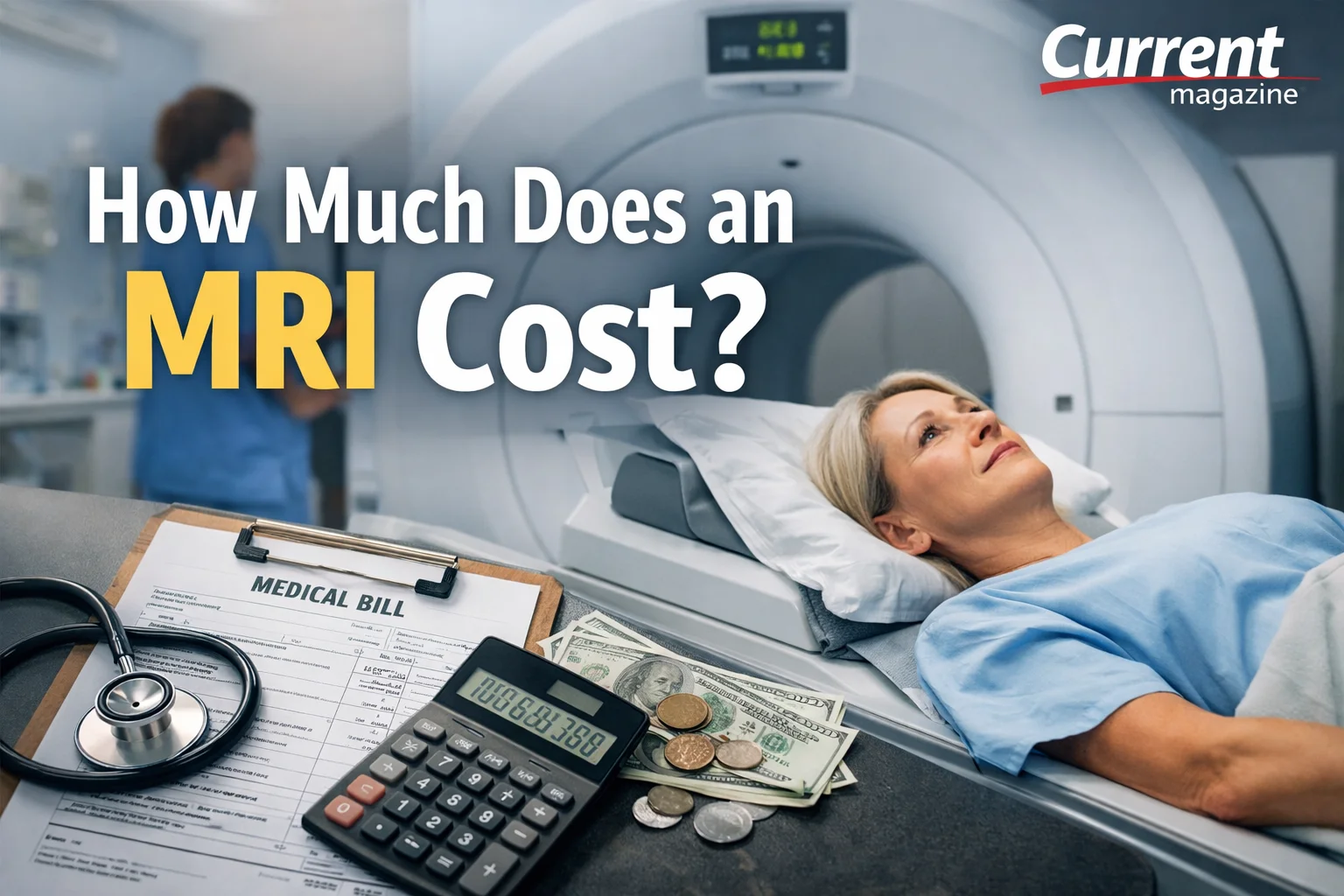
If your doctor has recommended an MRI scan, one of your first questions is probably: “How much does an MRI cost me?” It’s a perfectly reasonable concern. Medical imaging can be expensive, and the pricing for MRI scans varies wildly depending on numerous factors. Understanding MRI costs helps you make informed healthcare decisions, budget appropriately, and potentially save thousands of dollars.
An MRI (Magnetic Resonance Imaging) is a powerful diagnostic tool that uses magnetic fields and radio waves to create detailed images of organs, tissues, bones, and other internal structures. Unlike X-rays or CT scans, MRIs don’t use radiation, making them particularly valuable for repeated imaging or examining soft tissues. They’re commonly used to diagnose conditions affecting the brain, spine, joints, heart, blood vessels, and internal organs.
In this comprehensive guide, we’ll break down everything you need to know about MRI costs in the United States. We’ll explore average prices for different types of MRI scans, explain why costs vary so dramatically, discuss insurance coverage and out-of-pocket expenses, share strategies for reducing your costs, and answer the most common questions people have about paying for MRI scans.
Whether you have insurance or not, whether you’re getting a brain MRI or a knee MRI, and whether you’re going to a hospital or an independent imaging center, this guide will help you understand what to expect and how to get the best value for your healthcare dollars.
The Short Answer: Average MRI Costs
Let’s start with the bottom line. MRI costs in the United States typically range from $400 to $12,000 or more, depending on multiple factors.
Here’s a general breakdown of what you might expect to pay:
Without Insurance (Self-Pay):
- Low-cost imaging centers: $400-$1,000
- Average independent imaging centers: $1,000-$2,500
- Hospital outpatient facilities: $1,500-$4,000
- Hospital emergency/inpatient: $3,000-$12,000+
With Insurance (Your Out-of-Pocket Cost):
- After meeting deductible: $0-$500 (copay/coinsurance)
- Before meeting deductible: $500-$3,000+ (depending on plan)
- With high-deductible plan: Potentially full cost until deductible met
These ranges are extremely broad because MRI pricing is notoriously inconsistent. The same exact scan can cost $500 at one facility and $5,000 at another—even in the same city. This pricing variation is one of the most frustrating aspects of American healthcare.
The key factors affecting your specific cost include: the body part being scanned, whether contrast dye is used, the type of facility, your geographic location, your insurance coverage, and whether you’ve met your deductible.
Understanding What an MRI Is and Why It’s Prescribed
Before diving deeper into costs, it helps to understand what you’re paying for and why your doctor might order an MRI.
How MRI Technology Works
An MRI machine is essentially a giant magnet (often shaped like a tube) that creates a powerful magnetic field around your body. This magnetic field, combined with radio waves, causes hydrogen atoms in your body’s water molecules to temporarily align in a specific pattern. When the radio waves stop, the atoms return to their normal position, releasing energy signals. The MRI machine detects these signals and uses sophisticated computer processing to convert them into detailed cross-sectional images of your internal structures.
The technology is remarkable because it can:
- Visualize soft tissues with exceptional detail
- Show problems that other imaging can’t detect
- Create images from multiple angles without moving you
- Distinguish between different types of tissue
- Detect abnormalities, inflammation, tumors, and injuries
Why Doctors Order MRIs
MRIs are diagnostic tools used to investigate a wide range of conditions:
Brain and nervous system: Stroke, brain tumors, aneurysms, multiple sclerosis, spinal cord injuries, brain injuries, dementia evaluation, unexplained headaches
Musculoskeletal: Torn ligaments or tendons, cartilage damage, joint problems, herniated disks, bone infections, sports injuries, arthritis assessment
Cardiovascular: Heart problems, blood vessel abnormalities, blocked blood vessels, heart attack damage, congenital heart defects
Organs: Liver disease, kidney problems, uterine fibroids, ovarian cysts, prostate issues, pancreatic conditions, gallbladder problems
Cancer: Tumor detection, cancer staging, treatment monitoring, checking if cancer has spread
Other uses: Breast imaging (alternative to mammography in some cases), pregnancy complications (though ultrasound is more common), inflammatory conditions, infection investigation
Your doctor chooses an MRI when they need very detailed images that other imaging methods can’t provide. However, MRIs aren’t always the first choice due to cost, time (scans can take 30-90 minutes), and the need for patients to remain completely still inside the machine.
Detailed Cost Breakdown by Type of MRI Scan
MRI costs vary significantly depending on which body part is being scanned. Let’s examine the typical price ranges for different types of MRI scans.
Brain MRI (Head MRI)
Average cost without insurance: $1,200-$4,000 Average cost with insurance (after deductible): $100-$500
Brain MRIs are among the most common scans, used to diagnose strokes, tumors, aneurysms, injuries, and neurological conditions. The scan typically takes 30-60 minutes and may require contrast dye (which adds to the cost).
Why the variation? Hospital-based brain MRIs often cost $3,000-$4,000, while independent imaging centers might charge $800-$1,500 for the identical scan.
Spine MRI (Cervical, Thoracic, or Lumbar)
Average cost without insurance: $1,000-$5,000 Average cost with insurance (after deductible): $100-$600
Spine MRIs examine the vertebrae, spinal cord, disks, and surrounding tissues. Doctors order them to diagnose herniated disks, spinal stenosis, injuries, tumors, or nerve compression. Each section of the spine (neck/cervical, mid-back/thoracic, lower-back/lumbar) is typically billed separately, so imaging multiple areas significantly increases costs.
Multiple spinal sections: If you need both cervical and lumbar spine imaging, you’re essentially paying for two separate scans, potentially doubling the cost.
Knee MRI
Average cost without insurance: $700-$3,500 Average cost with insurance (after deductible): $100-$400
Knee MRIs are frequently ordered for athletes and active individuals with suspected torn ligaments (ACL, MCL), meniscus tears, cartilage damage, or other joint problems. These scans are generally less expensive than brain or spine MRIs because they’re imaging a smaller area.
Both knees: Scanning both knees doubles the cost. Each knee is billed as a separate scan.
Shoulder MRI
Average cost without insurance: $800-$3,500 Average cost with insurance (after deductible): $100-$400
Shoulder MRIs diagnose rotator cuff tears, labrum injuries, impingement, arthritis, and other joint problems. Like knee MRIs, these are relatively common for sports injuries and age-related degeneration.
Abdomen and Pelvis MRI
Average cost without insurance: $1,200-$5,000 Average cost with insurance (after deductible): $150-$600
These scans examine organs including the liver, kidneys, pancreas, spleen, bladder, uterus, ovaries, and prostate. They’re used to diagnose organ diseases, detect tumors, evaluate chronic conditions, and investigate unexplained abdominal pain.
Separate vs. combined: Abdomen and pelvis are sometimes scanned separately (two charges) or together (one combined charge, usually more cost-effective).
Cardiac MRI (Heart MRI)
Average cost without insurance: $1,500-$6,000 Average cost with insurance (after deductible): $200-$800
Cardiac MRIs are specialized scans that examine heart structure, function, and blood vessels. They’re more complex than standard MRIs, requiring specialized equipment and expertise, which explains the higher cost.
Breast MRI
Average cost without insurance: $1,000-$3,500 Average cost with insurance (after deductible): $150-$500
Breast MRIs are used for high-risk cancer screening, evaluating suspicious findings from mammograms, checking implants, or monitoring known breast cancer. They’re more detailed than mammograms but also more expensive.
Ankle, Wrist, Hip, Elbow, and Other Joint MRIs
Average cost without insurance: $700-$3,000 Average cost with insurance (after deductible): $100-$400
These extremity MRIs diagnose ligament tears, tendon problems, fractures that don’t show well on X-rays, arthritis, and other joint issues. Costs are generally similar to knee MRIs.
Full-Body MRI
Average cost without insurance: $2,500-$10,000+ Average cost with insurance: Often not covered (considered screening, not diagnostic)
Full-body MRIs scan the entire body looking for early signs of disease. They’re controversial, expensive, and rarely covered by insurance because they’re typically not medically necessary according to insurers.
MRI With Contrast vs. Without Contrast: Cost Differences
Many MRI scans include the administration of contrast dye (usually gadolinium-based), which enhances the images and helps doctors see certain structures or abnormalities more clearly.
What Is MRI Contrast?
Contrast dye is injected into your vein (usually in your arm) before or during the scan. It travels through your bloodstream and temporarily changes the magnetic properties of tissues, making blood vessels, tumors, inflammation, or other abnormalities more visible on the images.
Contrast is commonly used for:
- Brain tumors or lesions
- Cancer staging and monitoring
- Blood vessel imaging
- Infection or inflammation detection
- Some spinal conditions
- Certain organ problems
How Much Does Contrast Add to the Cost?
Adding contrast typically increases the MRI cost by:
- $100-$400 at most facilities
- Sometimes as much as $500-$800 at hospitals
The contrast itself costs the facility $50-$150, but you’re charged significantly more due to markup, administration fees, and the additional imaging time required.
Do You Need Contrast?
Your doctor decides whether contrast is necessary based on what they’re looking for. Don’t hesitate to ask why contrast is being ordered and whether the scan would provide adequate information without it. In some cases, the scan is first performed without contrast, and contrast is only added if initial images suggest it’s needed.
Safety Considerations
Contrast is generally safe but carries some risks:
- Allergic reactions (rare but possible)
- Kidney concerns (patients with severe kidney disease need special consideration)
- Gadolinium retention (trace amounts may remain in the body)
- Pregnancy considerations (generally avoided unless absolutely necessary)
These safety concerns are legitimate medical considerations, not just cost-saving measures, so discuss them with your doctor.
Why MRI Costs Vary So Dramatically
The massive variation in MRI pricing—from $500 to $5,000+ for the same scan—is one of the most confusing and frustrating aspects of medical imaging. Let’s examine why costs differ so much.
Type of Facility
Hospital-based imaging (most expensive): Hospitals charge significantly more than independent facilities—often 2-5 times more for the identical scan. Why? Hospitals have higher overhead costs (24/7 staffing, emergency capabilities, broader services), they can charge facility fees on top of the scan itself, they treat more complex patients requiring additional resources, and frankly, they charge more because they can—especially when dealing with insurance companies.
Hospital outpatient centers: Somewhat less expensive than hospital inpatient/emergency imaging but still pricier than independent centers. These are hospital-owned facilities that aren’t part of the main hospital building.
Independent imaging centers (moderate cost): Freestanding radiology facilities not affiliated with hospitals typically charge 30-60% less than hospitals for the same scan. They have lower overhead, focus exclusively on imaging (making them efficient), and compete more directly on price.
Mobile MRI services: Some areas have mobile MRI units that travel to different locations. Costs vary but can sometimes be competitive with imaging centers.
Private radiology practices: Prices vary widely but are often comparable to imaging centers.
Cash-pay discount centers (least expensive): Some facilities specifically market to self-pay patients and offer very competitive prices ($400-$1,000 for many scans) because they avoid insurance billing overhead.
Geographic Location
Where you live dramatically affects MRI costs:
Urban vs. rural: Major cities often have more imaging facilities, creating competition that can lower prices. However, some urban hospitals charge premium prices. Rural areas with limited options may have less price competition but lower overhead costs.
Regional variations: MRI costs vary by region:
- Expensive regions: New York, California, Boston, Alaska often have the highest costs ($2,000-$5,000+ for standard scans)
- Moderate regions: Midwest and Southern states often have lower costs ($1,000-$2,500 for standard scans)
- Variable regions: Some areas have tremendous variation within the same city
Cost of living correlation: Areas with higher costs of living generally have higher medical imaging costs, though not always proportionally.
Competition: Areas with many imaging facilities competing for patients tend to have better pricing, while areas with limited options or hospital monopolies tend to have higher prices.
Your Insurance Coverage
Insurance dramatically affects your out-of-pocket costs:
Insurance negotiated rates: Insurance companies negotiate contracted rates with facilities. These “allowed amounts” are typically much lower than the facility’s standard charges. For example, a facility might charge $4,000 for a scan but accept $1,200 from your insurance company as payment in full.
In-network vs. out-of-network: In-network facilities have contracted rates with your insurance; out-of-network facilities don’t. Using out-of-network providers can cost 2-3 times more in out-of-pocket expenses.
Your deductible: If you haven’t met your annual deductible, you pay the full (negotiated) cost until you reach that threshold. High-deductible plans can mean paying $3,000-$8,000+ before insurance helps.
Coinsurance vs. copay: After meeting your deductible, you typically pay either a fixed copay ($50-$200) or coinsurance (usually 10-30% of the cost). Coinsurance can be expensive for high-cost scans.
Out-of-pocket maximum: Once you reach your plan’s annual out-of-pocket maximum, insurance covers 100%. This provides some protection against catastrophic costs.
MRI Machine Technology
Not all MRI machines are equal, and technology differences affect costs:
Field strength: MRI machines are rated by field strength (measured in Tesla):
- 0.2-0.5 Tesla (low field): Older, less expensive machines that produce lower-quality images. Rarely used now except for specific purposes.
- 1.5 Tesla: Standard machines used for most imaging. Produce good quality images at moderate cost.
- 3.0 Tesla (high field): Newer, more expensive machines that produce extremely detailed images. Often used for complex cases. Facilities with 3T machines often charge more.
- 7.0 Tesla and higher: Research-level machines, rarely used clinically.
Open vs. closed MRI: Traditional “closed” MRI machines are tubes that can cause claustrophobia. “Open” MRI machines are less confining but often use older, lower-field-strength technology. Costs are generally similar, though some facilities charge slightly less for open MRI.
Newer equipment: Facilities with the latest technology may charge premium prices, while those with older (but still functional) equipment may charge less.
Time of Day and Day of Week
Some facilities offer pricing variations based on when you schedule:
Evening and weekend scans: Some centers charge more for after-hours convenience, while others offer discounts to fill otherwise empty appointment slots.
Weekday morning rates: Peak times might cost more at some facilities, though this is less common than other pricing factors.
Urgency of Scan
Routine/scheduled scans: Standard pricing applies when you schedule in advance for a non-urgent diagnostic scan.
Urgent/stat scans: If your doctor orders an urgent MRI that needs to be done quickly, you might be directed to a hospital emergency department or given priority scheduling, potentially at higher cost.
Emergency scans: MRIs performed in emergency situations typically cost significantly more due to hospital emergency department charges and facility fees.
Additional Services
Several add-ons can increase your final bill:
Radiologist interpretation fee: Reading and interpreting your MRI is billed separately from the scan itself ($100-$500). This is the fee for the radiologist’s expertise in analyzing images and writing the report.
Contrast administration: As discussed, adds $100-$800.
Sedation or anesthesia: Patients who can’t stay still (children, claustrophobic adults, people with severe pain) may need sedation, adding $200-$1,000+ to the cost.
Multiple body areas: Each body part scanned is typically billed separately.
3D reconstruction or specialized imaging: Advanced image processing can add to costs.
Insurance Billing Complexity
Billing inefficiencies: Facilities that accept insurance have higher administrative costs (billing departments, claims processing, appeals, collections), which they pass on to all patients.
Uncompensated care: Hospitals that provide charity care and treat uninsured patients often charge higher prices to paying patients and insurers to offset losses.
Profit margins: For-profit facilities may charge more to maximize returns for investors.
Understanding Your Insurance Coverage for MRI
If you have health insurance, understanding your coverage is crucial for estimating your out-of-pocket costs.
Prior Authorization Requirements
Many insurance plans require prior authorization (also called pre-certification or pre-approval) before covering an MRI. This means:
Your doctor’s office must submit a request to your insurance company explaining why the MRI is medically necessary. The insurance company reviews the request and either approves it (meaning they’ll cover it according to your plan), denies it (meaning you’d pay the full cost if you proceed), or requests more information.
Why insurers require authorization: Insurance companies want to ensure MRIs are medically necessary rather than optional or exploratory. They may want to verify that simpler, less expensive tests (like X-rays) were tried first. This process helps control healthcare costs but can delay your scan by days or weeks.
What happens without authorization: If you get an MRI without required prior authorization, your insurance may refuse to pay anything, leaving you with the full bill. Always verify authorization requirements before scheduling.
How to check: Call the customer service number on your insurance card and ask: “Does my plan require prior authorization for MRI scans?” Your doctor’s office should handle this, but it’s wise to confirm.
In-Network vs. Out-of-Network Providers
Using in-network facilities saves you significant money:
In-network facilities have contracts with your insurance company agreeing to:
- Accept negotiated rates (usually 30-60% less than standard charges)
- Follow specific billing procedures
- Accept the insurance payment plus your cost-sharing as payment in full
Your cost in-network: Typically just your copay or coinsurance after meeting your deductible.
Out-of-network facilities don’t have contracts with your insurance, meaning:
- They can charge their full rates
- Your insurance may pay less (often 50-70% coverage instead of 80-90%)
- You may face balance billing (being charged for the difference between what the facility charges and what insurance pays)
- Your out-of-pocket costs can be 2-3 times higher
How to find in-network providers: Check your insurance company’s website provider directory, call the customer service number on your insurance card, or ask your doctor’s office to verify network status before scheduling.
Understanding Your Deductible, Copay, and Coinsurance
These terms determine what you actually pay:
Deductible: The amount you must pay out-of-pocket each year before insurance begins to pay. If you have a $2,000 deductible and haven’t met it yet, you’ll pay the full cost of your MRI (up to the negotiated rate) until reaching $2,000 in total medical expenses for the year.
Copay: A fixed amount you pay for specific services after meeting your deductible. For example, your plan might have a $100 copay for MRIs, meaning once you’ve met your deductible, you pay $100 and insurance covers the rest.
Coinsurance: A percentage you pay after meeting your deductible. For example, if you have 20% coinsurance and the MRI costs $2,000 (negotiated rate), you’d pay $400 and insurance would pay $1,600.
Example scenario: Let’s say you have a $3,000 deductible, 20% coinsurance, and a $6,000 out-of-pocket maximum. You need a brain MRI that has a negotiated rate of $1,500. You’ve already met $1,000 of your deductible this year. Here’s what you’d pay:
- Remaining deductible: $2,000 (you need $2,000 more to meet your $3,000 deductible)
- You pay: $1,500 toward your deductible (the full cost since it’s less than your remaining deductible)
- Insurance pays: $0 (because you haven’t met your deductible yet)
If instead you’d already met your deductible:
- You pay: $300 (20% coinsurance of $1,500)
- Insurance pays: $1,200 (80% of $1,500)
Medical Necessity Requirements
Insurance companies only cover “medically necessary” procedures. For MRIs, this typically means:
Diagnostic necessity: You have symptoms, clinical findings, or history that warrant investigation. Random screening or “I’m just curious” scans aren’t covered.
Appropriate imaging: The MRI is the appropriate test for your condition (not when a cheaper test would suffice).
Step therapy: You’ve tried less expensive testing first when appropriate (like X-rays before MRI for some conditions).
Frequency limits: Some insurers limit how often they’ll cover MRI scans for the same body part (like once per year unless circumstances change).
Coverage Exclusions
Some MRIs may not be covered:
Screening MRIs: Full-body scans or scans without specific symptoms are usually not covered.
Workers’ compensation cases: If your injury is work-related, your health insurance won’t cover it—workers’ comp should pay instead.
Auto accident injuries: Your auto insurance (personal injury protection) may need to pay before health insurance.
Cosmetic purposes: MRIs for elective cosmetic procedures aren’t covered.
Research or experimental uses: Insurance doesn’t cover scans for research purposes.
How to Estimate Your Specific MRI Cost
Getting an accurate cost estimate before your MRI helps you budget and potentially shop around for better prices.
Step 1: Get the Correct CPT Code
Medical procedures are billed using CPT (Current Procedural Terminology) codes. For MRIs, you need the specific code for your scan. Ask your doctor’s office: “What is the CPT code for the MRI that was ordered?”
Common MRI CPT codes include:
- 70553: Brain MRI with and without contrast
- 72148: Lumbar spine MRI without contrast
- 73721: Knee MRI without contrast
- And many others for different body parts and contrast variations
Having the exact code allows facilities and insurers to give you accurate estimates.
Step 2: Contact Your Insurance Company
Call the customer service number on your insurance card and ask:
“I need a [specific type] MRI, CPT code [number]. Can you tell me:
- Is prior authorization required?
- What is the estimated cost at [specific facility name]?
- How much of my deductible have I met this year?
- What will my out-of-pocket cost be?
- Is [facility name] in-network?
- What would my cost be at other in-network facilities?”
Get a reference number for your call in case there are disputes later about what you were told.
Step 3: Contact the Imaging Facility
Call the facility’s billing department and ask:
“I need CPT code [number]. What is your cash price for patients without insurance? What is your contracted rate with [your insurance company]? What will my estimated out-of-pocket cost be given my insurance and deductible status?”
Facilities are required to provide good-faith estimates under federal price transparency rules.
Step 4: Check Multiple Facilities
Don’t assume the most convenient location has the best price. Call 3-5 facilities in your area and compare costs. You might find one that’s $1,500 cheaper for the identical scan.
Step 5: Consider Online Price Comparison Tools
Several services help you compare MRI prices in your area:
Healthcare Bluebook (healthcarebluebook.com): Shows fair prices for procedures in your zip code.
New Choice Health (newchoicehealth.com): Provides price comparisons and allows booking at competitive rates.
MDsave (mdsave.com): Offers bundled pricing for various procedures including MRIs.
Fair Health Consumer (fairhealthconsumer.org): Shows cost estimates based on actual insurance claims data.
Your insurance company’s tools: Many insurers now offer price comparison tools on their member websites.
Step 6: Ask About All Costs
Make sure your estimate includes:
- The scan itself
- Contrast if needed
- Radiologist interpretation fee
- Any facility fees
- Any other potential charges
Sometimes these are billed separately, making your total cost higher than the initial quote.
Strategies to Reduce Your MRI Costs
MRIs are expensive, but several strategies can significantly reduce your out-of-pocket costs.
1. Shop Around Aggressively
This is the single most effective way to save money. As mentioned, the same MRI can cost $500 at one facility and $5,000 at another. Calling multiple facilities and comparing prices can save you thousands.
How to shop effectively:
- Get quotes from at least 3-5 facilities
- Include both independent imaging centers and hospitals
- Don’t be afraid to mention competing quotes (some facilities may price-match)
- Consider driving a bit farther for significant savings
- Ask about cash-pay discounts even if you have insurance
Real example: A patient in Dallas needed a lumbar spine MRI. The hospital quoted $4,200. An imaging center 15 minutes away quoted $800. Identical scan, $3,400 savings.
2. Choose Independent Imaging Centers Over Hospitals
Unless there’s a medical reason you need hospital-based imaging, independent centers almost always cost less—often 50-70% less.
When hospitals are necessary:
- You need immediate/emergency imaging
- You have complex medical conditions requiring hospital resources
- Your specific scan requires specialized equipment only available at hospitals
- Your doctor has privileges only at a specific hospital
Otherwise: Choose imaging centers, which provide the same quality scans at much lower prices.
3. Negotiate Cash-Pay Discounts
If you’re uninsured or have a high deductible you haven’t met, ask about cash-pay or self-pay discounts:
Why facilities offer discounts: They avoid insurance billing overhead, collection problems, and delays. They get immediate payment. Cash-paying patients are actually more profitable than many insured patients despite lower prices.
How to negotiate:
- Ask directly: “What is your cash-pay price?” or “Do you offer a self-pay discount?”
- Mention you can pay in full at time of service
- Ask if they can do better if you’ve received lower quotes elsewhere
- Request 20-40% discounts off standard rates
Real example: A facility’s insurance rate for a shoulder MRI was $1,800. Their cash-pay rate? $650. By paying cash, the patient saved money even though they had insurance.
4. Ask If Using Insurance Actually Saves You Money
This sounds counterintuitive, but sometimes paying cash costs less than using your insurance:
When cash might be cheaper:
- You haven’t met a high deductible (you’d pay full price either way, but cash-pay rates might be lower)
- The facility’s cash-pay price is lower than your deductible + coinsurance
- Using insurance means going in-network to a more expensive facility
Example: You have a $5,000 deductible that isn’t met. Your in-network hospital charges $2,800 for a knee MRI. A cash-pay imaging center charges $700. You’d pay the full amount either way, so cash saves you $2,100.
Important caveat: Payments you make outside your insurance don’t count toward your deductible or out-of-pocket maximum. If you’re close to meeting these thresholds or expect significant medical expenses this year, using insurance might make more sense long-term.
5. Use Health Savings Accounts (HSA) or Flexible Spending Accounts (FSA)
If you have an HSA or FSA, use these pre-tax dollars to pay for your MRI:
Tax savings: You save your marginal tax rate (typically 20-35% depending on your income) by using pre-tax money. A $1,500 MRI effectively costs $975-$1,200 after tax savings.
How to use them: Pay with your HSA/FSA debit card at time of service, or pay out-of-pocket and reimburse yourself from the account.
6. Ask About Payment Plans
If you’re facing a large MRI bill, most facilities offer payment plans:
Interest-free plans: Many facilities offer 6-12 month interest-free payment plans if you can’t pay upfront.
Extended plans: Longer-term plans may be available, sometimes with interest.
Negotiated settlements: If you can’t afford the bill, some facilities will negotiate a reduced total in exchange for immediate payment or a payment plan.
7. Consider Medical Credit Cards
Companies like CareCredit offer healthcare-specific credit cards with promotional financing:
Pros: 6-24 month interest-free periods if you qualify. Can cover costs beyond just the MRI (other medical, dental, vision expenses).
Cons: Very high interest rates (often 26%+) if you don’t pay off the balance during the promotional period. Can hurt your credit if you miss payments.
Use carefully: Only if you’re confident you can pay off the balance during the interest-free period.
8. Check for Financial Assistance Programs
If you’re uninsured or underinsured with limited income:
Hospital charity care: Nonprofit hospitals are required to offer financial assistance to qualifying patients. Ask the billing department about charity care applications.
Sliding scale fees: Some facilities offer reduced rates based on income.
State and local programs: Some areas have programs to help residents access medical care.
Patient advocacy organizations: For specific conditions, disease-specific organizations sometimes offer financial assistance.
9. Appeal Insurance Denials
If your insurance denies coverage for your MRI:
Don’t accept it immediately: Insurers deny claims that should be covered more often than you’d think.
Request a detailed explanation: Understand exactly why they denied coverage.
Gather supporting documentation: Get a letter from your doctor explaining medical necessity.
File a formal appeal: Follow your insurer’s appeals process (details on their website or on denial letter).
Escalate if needed: If the first appeal is denied, you can typically appeal again, and eventually request external review.
Success rates: Appeals succeed in 30-50% of cases, so it’s worth the effort.
10. Ask Your Doctor About Alternatives
Sometimes an MRI isn’t the only option:
Would a less expensive test provide adequate information? Sometimes CT scans, ultrasounds, or X-rays can answer the clinical question at much lower cost.
Can treatment be tried first? For some conditions, your doctor might try conservative treatment before ordering expensive imaging.
Is the MRI truly necessary? This isn’t questioning your doctor’s judgment, but rather having an open conversation about whether imaging will change your treatment plan.
Example: For some back pain cases, MRI findings don’t change treatment (rest, physical therapy, pain management), so imaging may not be immediately necessary unless symptoms worsen or don’t improve with conservative care.
MRI Costs Without Insurance: Your Options
If you’re uninsured, MRI costs can be particularly daunting, but you have several options beyond paying full price.
Cash-Pay Imaging Centers
Some facilities specifically cater to uninsured patients:
Transparent pricing: They advertise clear prices on their websites—often $400-$1,000 for most scans.
No surprise bills: You know exactly what you’ll pay upfront.
Quality equipment: These centers often have modern equipment despite lower prices.
How to find them: Search online for “[your city] cash MRI” or “affordable MRI near me.” Facilities like SimonMed, Radiology Assist, and others specialize in transparent, lower-cost imaging.
Online MRI Booking Services
Services like MDsave, New Choice Health, and others offer pre-negotiated MRI rates:
How they work: You search for the scan you need in your area, compare prices at different facilities, book online, and pay a bundled price that includes the scan and radiologist interpretation.
Typical costs: Often $400-$1,500 depending on scan type and location.
Benefits: Price transparency, convenience, and often significant savings compared to walking into a facility without research.
Free and Charitable Care
For those with very limited financial resources:
Free clinics: Some areas have free or low-cost clinics that provide imaging services or referrals.
Hospital charity care: As mentioned, nonprofit hospitals must provide financial assistance to qualifying low-income patients. You may qualify for 100% free care if your income is below certain thresholds (often 200-400% of federal poverty level).
Clinical trials: If your condition matches a research study, you might receive free or low-cost imaging as part of trial participation.
Teaching hospitals: Academic medical centers sometimes offer reduced rates for imaging services.
Payment Plans Without Interest
When you must pay out-of-pocket:
Negotiate first: Always attempt to negotiate the price down before agreeing to pay.
Request payment plans: Most facilities will work with you, preferring payment over time to no payment at all.
Ask about discounts for upfront payment: Even if you can’t pay the full amount, paying a significant portion upfront might get you a discount on the total.
Discount Programs and Memberships
Some programs offer reduced healthcare costs:
Health sharing ministries: These aren’t insurance, but members share medical costs. Many cover imaging.
Direct primary care: Some DPC practices negotiate discounted imaging rates for their patients.
Employer health clinics: Some large employers offer on-site or affiliated imaging services at reduced costs.
Geographic Cost Variations: Where You Live Matters
MRI costs vary dramatically by location. Understanding these variations helps you know what to expect.
Most Expensive States/Cities
States and cities with highest typical MRI costs:
Alaska: Limited facilities and high overhead mean MRIs can cost $3,000-$8,000+.
New York/New Jersey: Hospital MRIs often $3,000-$6,000, though independent centers are more reasonable ($1,000-$2,000).
California (major cities): Los Angeles, San Francisco, and San Diego hospitals charge $2,500-$5,000+, though competition among imaging centers provides alternatives.
Boston: Academic medical centers and high cost of living drive prices to $2,500-$5,000 range.
Hawaii: Island location and limited competition mean higher costs, typically $2,000-$4,000+.
Most Affordable States/Cities
States and cities with lower typical MRI costs:
Southern states: Texas, Georgia, Tennessee, and other Southern states often have competitive pricing, with independent centers at $600-$1,500.
Midwest: States like Ohio, Indiana, and Michigan often have reasonable costs ($700-$2,000).
Mountain states: Idaho, Montana (despite rurality), and parts of Colorado have competitive pricing.
Competitive markets: Cities with many imaging facilities competing for patients (Dallas, Houston, Atlanta, Phoenix) often have better prices.
Urban vs. Rural Differences
Urban advantages: More facilities mean more competition and often lower prices. More cash-pay options and imaging centers. Better access to price comparison.
Urban disadvantages: Some major city hospitals charge premium prices. High cost of living can drive all healthcare costs up.
Rural advantages: Lower overhead might mean lower costs at some facilities.
Rural disadvantages: Limited competition can mean higher prices. Fewer imaging centers mean less shopping-around opportunity. May need to travel to cities for certain specialized scans.
International Comparisons
MRI costs in the U.S. are significantly higher than in other developed countries:
Japan: $100-$200 for most MRIs France: $150-$300 United Kingdom: Free at point of service (NHS) or £300-£600 ($380-$760) private Canada: Free with health card or $800-$1,200 private Australia: $200-$400 with Medicare gap or $800-$1,500 private
This massive price discrepancy reflects U.S. healthcare system complexity, lack of price regulation, administrative overhead, and market dynamics rather than differences in quality or technology.
Understanding the Billing Process
Knowing how MRI billing works helps you understand your bills and catch errors.
Multiple Bills From One MRI
Many people are surprised to receive multiple bills from one MRI:
Bill 1 – The Technical Fee: This covers the actual scanning—the machine time, technologist, facility costs, and supplies. This comes from the imaging facility.
Bill 2 – The Professional Fee: This is the radiologist’s fee for interpreting your images and writing the report. This might come from a separate radiology group.
Bill 3 – Facility Fee: Some hospital-based imaging includes an additional facility fee for using hospital resources.
Bill 4 – Contrast: Sometimes billed separately from the scan itself.
This is normal: Receiving 2-3 separate bills for one MRI is standard, not a mistake.
How to Read Your MRI Bill
Understanding your bill helps you identify errors:
Procedure codes (CPT codes): Verify the CPT code matches what was actually done. Common billing errors include charging for contrast when it wasn’t used or billing for the wrong body part.
Diagnosis codes (ICD-10 codes): These explain why the scan was needed. Incorrect diagnosis codes can affect insurance coverage.
Charges vs. allowed amount: The facility’s standard charge (often inflated) versus the negotiated amount your insurance will actually pay.
Your responsibility: What you actually owe after insurance.
Check for duplicate charges: Make sure you weren’t billed twice for the same service.
Explanation of Benefits (EOB)
After your MRI, you’ll receive an EOB from your insurance company:
This is NOT a bill: It’s a statement showing what was charged, what insurance paid, and what you owe.
Review carefully: Verify the EOB matches what you expected based on your insurance coverage.
Compare to facility bills: Your facility bill should match what the EOB says you owe.
Report discrepancies: If there are errors, contact both your insurance company and the facility’s billing department.
Billing Errors Are Common
Studies suggest 30-80% of medical bills contain errors:
Common MRI billing errors:
- Charging for contrast that wasn’t administered
- Billing for wrong body part or more expensive scan than performed
- Duplicate charges for the same service
- Incorrect insurance information leading to denial
- Charging out-of-network rates when facility is in-network
- Upcoding (billing for more complex scan than actually performed)
Always review bills carefully and don’t hesitate to question charges that don’t seem right.
Disputing Bills
If you receive a bill you believe is incorrect:
Contact the billing department immediately: Don’t let it go to collections while you’re disputing.
Request an itemized bill: This breaks down every charge so you can identify specific errors.
Provide documentation: If the bill says contrast was used but it wasn’t, documentation from the technologist or your medical records proves your case.
Be persistent: Sometimes billing errors take multiple calls to resolve.
Keep records: Document all communications—dates, times, names of people you spoke with, and what was discussed.
What Affects Image Quality: Is More Expensive Better?
It’s natural to wonder if paying more means getting better images. The answer is nuanced.
Machine Quality Matters
3.0 Tesla vs. 1.5 Tesla: Higher field strength (3.0T) produces more detailed images faster. For complex cases (brain tumors, subtle abnormalities, research purposes), 3.0T is superior. For routine imaging (knee injuries, common spine problems), 1.5T is perfectly adequate.
Modern vs. older equipment: Newer machines have better software, faster scanning, more comfortable patient experience, and often better image quality than machines 15+ years old. However, a well-maintained 5-10 year old machine produces excellent diagnostic images.
The most expensive facility doesn’t necessarily have the best equipment. Hospitals often charge more due to facility fees and overhead, not because they have better scanners.
Radiologist Expertise Matters More
The skill of the radiologist interpreting your images is often more important than minor equipment differences:
Subspecialty training: A musculoskeletal radiologist reading your knee MRI will catch subtle findings that a general radiologist might miss, regardless of whether it was scanned on a 1.5T or 3.0T machine.
Experience: Radiologists who read hundreds of brain MRIs monthly develop expertise that translates to better diagnostic accuracy.
Most imaging centers and hospitals have excellent radiologists. Ask about their qualifications rather than assuming price equals quality.
Accreditation Indicates Quality
Look for facilities accredited by:
American College of Radiology (ACR): ACR accreditation means the facility meets high standards for equipment, personnel qualifications, quality assurance, and safety.
Radiological Society of North America (RSNA): Another mark of quality.
Both expensive hospitals and affordable imaging centers can have these accreditations. Accreditation is a better quality indicator than price.
When Higher Cost Is Justified
You might legitimately need more expensive, specialized imaging for:
Complex cases: Unusual conditions, rare diseases, or challenging diagnostic questions benefit from the absolute best equipment and most specialized expertise.
Research participation: Academic medical centers conducting research may have specialized protocols and equipment.
Pediatric imaging: Children need specialized equipment, expertise, and sometimes sedation capabilities that specialized facilities provide.
Cardiac MRI: This specialized scan requires specific expertise and equipment that not all facilities offer.
Otherwise, focus on convenience, accreditation, and cost rather than assuming expensive equals better.
Special Situations: When MRI Costs Are Different
Certain circumstances create unique cost considerations.
Emergency MRIs
When your doctor orders an urgent or emergency MRI:
Much more expensive: Emergency department MRIs can cost 2-5 times more than scheduled outpatient scans due to facility fees, urgency charges, and hospital overhead.
Often necessary: If you’re having a stroke, severe injury, or other emergency, immediate imaging is critical regardless of cost.
Insurance typically covers: Most plans recognize emergency imaging as medically necessary.
If possible, verify it’s truly emergent: Sometimes “urgent” scans can be scheduled within 24-48 hours at an outpatient facility for much less cost without compromising care.
Pediatric MRIs
Children often need special considerations:
Sedation or anesthesia: Young children can’t stay still for 30-60 minutes, requiring sedation or general anesthesia. This adds $500-$2,000+ to the cost and requires an anesthesiologist or specialized pediatric sedation team.
Specialized facilities: Pediatric imaging centers have child-friendly equipment and staff, which might cost more but provide better experience and results.
Preparation challenges: Children may need extensive preparation and sometimes multiple attempts, affecting costs.
Insurance often covers: Pediatric MRIs are typically covered when medically necessary, including sedation if required.
Claustrophobic Patients
If you’re claustrophobic:
Open MRI: Costs similarly to closed MRI but uses less confining equipment. However, image quality may be slightly lower, and some body parts can’t be imaged in open machines.
Sedation: If you need medication to tolerate the scan, this adds to the cost as mentioned above.
Newer wide-bore machines: Some facilities have wider, shorter tubes that are less confining than traditional machines, often at similar costs.
Coping strategies: Some facilities offer music, aromatherapy, or other comfort measures at no additional cost.
Repeat MRIs for Chronic Conditions
If you need regular MRI monitoring:
Frequency: Some conditions require MRIs every 3-6 months or annually. Costs add up quickly.
Insurance coverage: Insurers may question frequent imaging and require documentation of medical necessity.
Consider annual costs: If you need quarterly brain MRIs at $1,500 each, that’s $6,000 annually—a significant budget item.
Discount negotiations: If you’re a repeat customer, ask if the facility offers package deals or loyalty discounts.
MRIs for Workers’ Compensation
Work-related injuries follow different rules:
Workers’ comp should pay: Your employer’s workers’ compensation insurance, not your health insurance, should cover imaging for work injuries.
Different billing: Workers’ comp has different fee schedules, often lower than standard charges.
Pre-authorization required: Your workers’ comp adjuster must approve the MRI before it’s performed.
Don’t use health insurance: If you use your health insurance for a work injury, you may face denials and billing complications.
Auto Accident Injuries
Injuries from car accidents also follow special rules:
Auto insurance PIP (Personal Injury Protection): In no-fault states, your auto insurance PIP coverage should pay for medical imaging related to accident injuries.
Health insurance as secondary: Your health insurance shouldn’t be primary for auto accident injuries.
Liability claims: If the other driver was at fault, their liability insurance should ultimately cover your costs.
Medical payments coverage: Some auto policies include medical payments coverage that can pay for imaging.
Coordinate benefits carefully: Billing for auto accident injuries is complex—work with both insurers and your healthcare providers to ensure proper coverage.
Future Trends in MRI Pricing
Understanding where MRI costs are headed helps you anticipate future healthcare decisions.
Price Transparency Laws
Recent federal regulations require hospitals to publish prices:
Hospital Price Transparency Rule: Hospitals must publish standard charges, including negotiated rates with insurers. This helps consumers compare costs.
No Surprises Act: Limits surprise billing and requires good-faith estimates for uninsured/self-pay patients.
Impact: These laws should gradually make it easier to shop around and compare prices, potentially reducing costs through market competition.
Technology Advances
New technology may affect costs:
Faster scans: Newer machines can complete scans in 10-15 minutes instead of 45-60 minutes, potentially reducing costs as facilities can see more patients.
Portable MRI: Emerging portable MRI technology could reduce costs by eliminating expensive infrastructure.
AI interpretation: Artificial intelligence assisting radiologists might reduce interpretation costs (though this remains controversial and distant).
Increased Competition
More imaging facilities opening creates competition:
Retail imaging: Companies like SimonMed and others are expanding, offering transparent cash-pay pricing and undercutting traditional providers.
Market pressure: As more people shop around and use price comparison tools, facilities may be forced to lower prices to remain competitive.
Telemedicine Integration
Remote consultations may change imaging patterns:
Targeted imaging: Better pre-imaging assessment via telemedicine might reduce unnecessary scans, affecting overall costs.
Remote radiologist interpretation: Already common, this allows facilities to use subspecialist radiologists globally, potentially improving quality without increasing costs.
Insurance Market Changes
Health insurance evolution affects MRI costs:
High-deductible plans: As more people have high deductibles, they’re paying more attention to imaging costs and shopping around, creating market pressure for lower prices.
Reference pricing: Some insurers now set maximum amounts they’ll pay for MRIs, encouraging patients to use lower-cost facilities.
Bundled payments: Some insurance models pay providers one amount for an entire episode of care, encouraging them to use imaging efficiently and cost-effectively.
Real Patient Stories: Learning From Others’ Experiences
Hearing how others navigated MRI costs provides practical insights.
Story 1: The $8,000 Surprise
Jennifer needed a brain MRI for severe headaches. Her doctor’s office scheduled it at the hospital where he had privileges. She verified her insurance covered it but didn’t ask about cost. Weeks later, she received a bill for $8,200. Her high-deductible plan covered it, but she hadn’t met her $6,000 deductible. She owed the full negotiated amount of $4,800.
What Jennifer learned: She called around afterward and found an imaging center 10 miles away that charged $950 for the same scan. If she’d researched beforehand, she could have saved $3,850. Now she always compares prices before any medical procedure.
Story 2: The Cash-Pay Win
Marcus was uninsured when he injured his knee playing basketball. His doctor ordered an MRI. The hospital quoted $3,400. Panicked, Marcus searched online and found a cash-pay imaging center advertising $595 for knee MRIs. Skeptical but desperate, he called and verified the price included everything—scan and radiologist interpretation. He got the same quality MRI for less than one-sixth the hospital price.
What Marcus learned: Being uninsured forced him to shop around, which actually saved him money compared to many insured patients who don’t question costs.
Story 3: The Insurance Surprise
Tanya had excellent insurance with a $500 deductible she’d already met. Her copay for MRI was supposed to be $100. She got a lumbar spine MRI at her in-network hospital. Weeks later, she received a bill for $1,200. Confused, she called and learned the hospital had outsourced radiology to an out-of-network group, which wasn’t covered by her copay structure.
What Tanya learned: She appealed to her insurance company, arguing she had no way to know the radiologist was out-of-network when using an in-network facility. After three appeals, her insurance paid the claim as in-network. She learned to ask specifically about all providers involved, not just the facility.
Story 4: The Negotiation Success
Robert needed a shoulder MRI and received a $2,800 bill from an imaging center. He didn’t have insurance and couldn’t afford it. He called the billing department and honestly explained his situation. They offered a 40% discount if he could pay $1,680 within 30 days. He negotiated further, offering $1,200 paid immediately. They agreed.
What Robert learned: Medical bills are often negotiable, especially if you’re willing to pay promptly. Facilities prefer guaranteed payment to collection attempts.
Story 5: The Prior Authorization Nightmare
Sarah’s doctor ordered an MRI for her chronic back pain. She scheduled it for the following week. The day before the appointment, the facility called to cancel—her insurance hadn’t authorized it yet. Her doctor’s office had submitted the request but hadn’t followed up. The authorization took three weeks and two appeals. Meanwhile, Sarah’s pain worsened.
What Sarah learned: She now proactively calls her insurance company to track authorization status and doesn’t schedule until she has written confirmation of approval.
Frequently Asked Questions (Summary)
We’ll address additional specific questions in the FAQ section below, but these common concerns deserve mention:
“Why does the same MRI cost so much more at a hospital?”
Hospitals have higher overhead costs, provide 24/7 emergency capabilities, maintain more extensive staffing, treat more complex patients, and often have stronger negotiating power with insurers. They also charge facility fees on top of the scan itself. These factors combine to make hospital MRIs 2-5 times more expensive than imaging centers for the identical scan.
“Can I get an MRI without a doctor’s order?”
Some facilities offer self-referred MRIs, but insurance won’t cover them without a doctor’s order. Additionally, you need medical expertise to determine if an MRI is appropriate and to interpret the results. It’s not recommended to get an MRI without physician involvement.
“How can I tell if my MRI facility is high quality?”
Look for ACR (American College of Radiology) accreditation, check online reviews, ask about the radiologists’ qualifications and subspecialty training, verify they use modern equipment (1.5T or 3.0T machines), and ask about their turnaround time for reports.
Conclusion: Taking Control of MRI Costs
MRI scans are powerful diagnostic tools that can be life-changing—or even life-saving. However, the dramatic cost variations and complexity of medical billing make navigating MRI expenses challenging and stressful.
The key takeaways from this comprehensive guide:
Costs vary enormously. The same MRI can cost anywhere from $400 to $12,000 depending on the facility, your insurance, location, and other factors. This variation is both a challenge and an opportunity.
Shopping around saves thousands. Calling multiple facilities and comparing prices is the single most effective way to reduce your costs. Don’t accept the first quote or just go where your doctor’s office schedules you.
Independent imaging centers are usually cheaper. Unless you need hospital resources, choose imaging centers over hospitals for routine scans.
Cash-pay can be better than insurance. If you have a high deductible, ask about cash-pay rates—they’re sometimes lower than insurance rates.
Know your insurance coverage. Understand your deductible, copay, coinsurance, and whether prior authorization is required before scheduling.
Ask questions. Don’t be afraid to ask about costs, negotiate prices, request payment plans, or question bills that seem wrong.
Quality doesn’t equal price. Higher cost doesn’t mean better quality. Focus on accreditation, radiologist expertise, and patient reviews rather than assuming expensive is better.
Medical bills are negotiable. If you’re facing a large bill you can’t afford, contact the billing department—many facilities will negotiate reduced rates or payment plans.
Be proactive. Take charge of your healthcare costs by researching, comparing, and advocating for yourself.
MRI costs are a symptom of broader American healthcare pricing challenges—lack of transparency, wide price variation, complex insurance systems, and misaligned incentives. While systemic reform is needed, individual patients can still make informed decisions that protect their health and their wallets.
If you need an MRI, use the strategies in this guide to ensure you get the imaging you need at a price you can manage. Your health is priceless, but that doesn’t mean you should pay inflated prices for medical care when affordable alternatives exist.
Remember: Knowledge is power, especially when it comes to healthcare costs. Armed with the information in this guide, you can navigate the MRI pricing landscape with confidence, advocate for yourself effectively, and make choices that serve both your health and your financial well-being.
10 Frequently Asked Questions About MRI Costs
1. Why is there such a huge difference in MRI prices between different facilities?
The enormous price variation (from $500 to $5,000+ for the same scan) exists because healthcare pricing in the U.S. is largely unregulated and highly complex. Hospitals charge significantly more due to higher overhead costs, 24/7 emergency capabilities, facility fees, and because they can—insurance companies negotiate rates but hospitals have strong bargaining positions, especially in areas with limited competition. Independent imaging centers have much lower overhead, no emergency departments to subsidize, and compete more directly on price. Geographic location matters tremendously—major cities and areas with limited competition have higher prices. Additionally, different insurance companies negotiate different contracted rates with the same facility, meaning your neighbor might pay a different amount than you for an identical scan at the same place. There’s also little price transparency historically (though this is changing with recent regulations), allowing facilities to maintain very high “standard charges” that few people actually pay but that anchor negotiations. The lack of a single-payer system or strong price controls means market forces and negotiating power drive prices rather than standardized fee schedules.
2. Does Medicare or Medicaid cover MRI costs, and how much will I pay?
Yes, both Medicare and Medicaid cover medically necessary MRI scans. Medicare coverage: Original Medicare Part B covers outpatient MRIs when ordered by your doctor for diagnostic purposes. You’ll typically pay 20% of the Medicare-approved amount after meeting your Part B deductible ($240 in 2024). Medicare negotiates significantly lower rates than private insurance—an MRI that a hospital charges $4,000 for might have a Medicare-approved amount of $800, meaning you’d pay $160 (20%) after your deductible. If you have a Medicare Advantage plan (Part C), your costs depend on your specific plan but are often similar with possible copays of $50-$200. Prior authorization may be required depending on your plan. Medicaid coverage: Medicaid covers MRIs when medically necessary, and in most states, you’ll pay little to nothing out-of-pocket. Some states have small copays ($3-$10), while many have no cost-sharing for imaging. Coverage policies vary by state, and prior authorization is typically required. Both programs have strict medical necessity requirements, so screening or elective MRIs generally aren’t covered.
3. Can I get an MRI without insurance, and what will it cost me?
Yes, you can absolutely get an MRI without insurance, and in some cases, you might even pay less than insured patients with high deductibles. Typical costs for uninsured patients: Cash-pay imaging centers specifically serving uninsured patients charge $400-$1,000 for most MRIs, with online booking services like MDsave and New Choice Health offering pre-negotiated rates in this range. Traditional imaging centers might charge $1,000-$2,500 for self-pay patients, while hospitals typically charge $2,000-$6,000 or more. How to minimize costs without insurance: Shop around extensively—call at least 5 facilities and compare prices. Specifically ask for “cash-pay” or “self-pay” rates, which are often 50-70% less than standard charges. Use online price comparison tools to find the best deals in your area. Consider traveling to a nearby city if prices are significantly lower there. Negotiate aggressively—facilities prefer guaranteed payment to billing insurance and chasing collections, so they’re often willing to discount heavily for immediate payment. Ask about payment plans if you can’t pay upfront. Look into hospital charity care programs if you meet income requirements—nonprofit hospitals are required to provide financial assistance, and you might qualify for free or heavily discounted care even if you’re not in poverty.
4. What happens if I can’t afford to pay for my MRI? Will they still do the scan?
This depends on the urgency and the facility. Emergency situations: If your MRI is urgent or emergent (stroke symptoms, severe injury, suspected serious condition), emergency departments and hospitals must provide the scan regardless of your ability to pay. You’ll be billed afterward, but they can’t refuse emergency care. Non-emergency scheduled scans: Most facilities require payment or payment arrangements before performing elective scans. However, you have several options if you can’t afford it: Apply for hospital financial assistance/charity care before the scan—many nonprofit hospitals will provide free or discounted care if you meet income guidelines (often up to 200-400% of federal poverty level). Negotiate a payment plan—most facilities will perform the scan if you arrange a payment plan, even if you can’t pay the full amount upfront. Ask your doctor if the scan can be delayed while you save money or explore assistance programs. Look for lower-cost alternatives at cash-pay imaging centers. Apply for Medicaid if you qualify based on income—in expansion states, adults can qualify with incomes up to 138% of poverty level. Consider medical credit cards like CareCredit that offer short-term interest-free financing. What not to do: Don’t simply skip the MRI if your doctor says it’s medically necessary—untreated conditions can worsen. Instead, be proactive about exploring financial assistance options.
5. How much does an MRI cost with insurance if I haven’t met my deductible yet?
If you haven’t met your deductible, you’ll likely pay the full contracted rate your insurance company has negotiated with the facility, up to your remaining deductible amount. Example scenario: Let’s say you have a $3,000 annual deductible and have paid $500 toward it this year (so $2,500 remains). You need a brain MRI that your insurance company has negotiated to cost $1,800 at a particular facility. You would pay the full $1,800, which goes toward your deductible, leaving $700 remaining before your deductible is met. Your insurance pays $0 at this point. Why this matters: The amount you pay (the negotiated rate) is often much lower than the facility’s standard charge. For instance, a hospital might normally charge $5,000 for that brain MRI, but your insurance’s contracted rate is $1,800—so even though you’re paying “out of pocket,” you’re paying the lower negotiated amount, not the full charge. Important consideration: Sometimes the insurance negotiated rate is actually higher than cash-pay rates at imaging centers. Before using insurance, call and ask both for the insurance rate (what you’d pay toward deductible) and the cash-pay rate. If the cash rate is lower and you haven’t met much of your deductible yet, paying cash might save money. However, remember that cash payments don’t count toward your deductible or out-of-pocket maximum, so if you anticipate other medical expenses this year, using insurance might be better long-term despite higher upfront costs.
6. Do I really need an MRI, or is my doctor just ordering it to be safe? Could a cheaper test work instead?
This is a completely reasonable question to ask your doctor, and good physicians appreciate patients who want to understand the reasoning behind tests. When MRIs are truly necessary: Your doctor likely has specific clinical reasons for ordering an MRI rather than cheaper alternatives like X-rays ($100-$300) or CT scans ($500-$1,500). MRIs are uniquely good at showing soft tissues, so they’re genuinely the best test for conditions involving muscles, tendons, ligaments, cartilage, organs, brain tissue, and spinal cord. If your doctor suspects these types of problems, cheaper imaging won’t provide adequate information. When alternatives might work: For some conditions, less expensive tests might provide enough information, at least initially. For example, X-rays can show bone fractures, significant arthritis, and structural problems. Ultrasounds can evaluate many organ, vascular, and pregnancy-related concerns. CT scans can show bone detail, bleeding, and many organ problems. Questions to ask your doctor: “What specific information are you looking for with this MRI?” “Could we try X-rays or CT first to see if that answers the question?” “If we find something on the cheaper test, would I still need an MRI anyway?” “What happens if I delay this MRI—could my condition worsen?” “Will the MRI results change my treatment plan, or would we treat this the same way regardless?” The value of communication: Most doctors order MRIs because they genuinely believe it’s the best diagnostic tool for your situation, but defensive medicine (ordering tests to avoid malpractice concerns) does exist. Having an honest conversation helps you understand whether the MRI is truly essential or if alternatives exist.
7. What’s the difference between getting an MRI at a hospital versus an imaging center, besides the cost?
Beyond the significant price difference (hospitals typically charge 2-5 times more), there are several distinctions between hospital-based MRI and independent imaging centers, though for most routine scans, the quality is equivalent. Equipment quality: Both hospitals and imaging centers typically have modern MRI machines (1.5T or 3.0T). Some academic medical centers have specialized research-grade equipment, but for standard diagnostic imaging, equipment quality is comparable. Accreditation (ACR) ensures quality standards regardless of setting. Radiologist expertise: Hospitals, especially academic medical centers, often have subspecialist radiologists and may handle more complex cases. However, most imaging centers also use highly qualified, often subspecialized radiologists, sometimes the same ones who work at hospitals. When hospitals are necessary: You need emergency or urgent imaging that can’t wait for a scheduled appointment. You have complex medical conditions requiring hospital-level support. You’re inpatient and can’t leave the hospital. Your scan requires specialized equipment only available at certain hospitals. You need procedures combined with imaging (like MRI-guided biopsies). When imaging centers are better: You’re having routine diagnostic imaging. You want to save money without sacrificing quality. You prefer convenient scheduling with more flexible hours. You want faster turnaround times (centers often provide results more quickly). Bottom line: For the vast majority of outpatient diagnostic MRIs—torn meniscus, herniated disk, headache evaluation, joint problems—imaging centers provide identical quality at much lower cost.
8. Can medical bills affect my credit score, and what happens if I can’t pay my MRI bill?
Yes, unpaid medical bills can eventually affect your credit, but there are important protections and steps to take. Current credit reporting rules: As of 2023, paid medical collections no longer appear on credit reports at all. Unpaid medical collections don’t appear on credit reports until they’re at least one year old (previously it was six months), giving you time to resolve billing disputes or pay without credit impact. Medical collections under $500 no longer appear on credit reports. These changes significantly reduce medical debt’s credit impact compared to previous years. What happens if you don’t pay: The facility sends bills and payment reminders for several months (typically 60-120 days). If you don’t respond, they may turn the account over to collections. The collections agency continues attempting to collect. After one year of non-payment, the debt may appear on your credit report, potentially lowering your score by 50-100+ points. In extreme cases (usually debts over $2,500), you could be sued, potentially leading to wage garnishment or liens. How to avoid these consequences: Never ignore medical bills. Contact the billing department immediately if you can’t pay. Request itemized bills and review for errors (very common). Negotiate payment plans—most facilities offer interest-free plans. Apply for charity care or financial assistance if you qualify. Dispute any charges you believe are incorrect. Negotiate a settlement for less than the full amount if the debt goes to collections. Important: Medical providers and collectors generally prefer payment arrangements to reporting to credit bureaus or legal action, so communication is key.
9. Why did I get separate bills for my MRI from different companies?
Receiving multiple bills for a single MRI is normal and confusing for many patients. Here’s what’s typically happening: Bill 1 – Technical Component (the imaging facility): This covers the actual MRI scan—the machine time, technologist who operates it, facility costs, supplies, and equipment. This bill comes from the imaging center or hospital where you had the scan. This is usually the larger charge ($1,000-$4,000+ depending on facility). Bill 2 – Professional Component (the radiologist): This is for the radiologist’s interpretation of your images and the written report sent to your doctor. This often comes from a separate radiology group that the facility contracts with, not the facility itself. This typically costs $100-$500. Bill 3 – Facility Fee (hospitals only): Some hospital-based imaging includes an additional facility fee for using hospital infrastructure and resources. This can add $200-$1,000+. Bill 4 – Contrast or other services: If contrast dye was used, it might be billed separately. Any sedation or additional services might also be separate bills. Why the separation? Medical billing divides services into technical (doing the procedure) and professional (interpreting results) components. Radiologists are often independent contractors or separate physician groups rather than facility employees, leading to separate billing. What to do: When you receive multiple bills, verify they’re for the same MRI (check the date of service). Add them together to understand your total cost. Make sure each bill is legitimate and not a duplicate. Contact your insurance to verify each charge is processed correctly. Pay each separately or contact both billing offices to see if they can combine payments.
10. Is it worth traveling to another city or state to get a cheaper MRI?
Potentially yes, if the savings are substantial enough to justify the time, travel costs, and effort. This is becoming more common as people discover the massive price variations between locations. When it makes sense: You’re paying cash/self-pay and can save $1,500+ by traveling an hour or two. You live near a state border and facilities across the state line are significantly cheaper. You’re in an expensive major city (NYC, LA, Boston) and can access facilities in nearby lower-cost areas. The MRI is routine/non-urgent and you have flexibility in timing. You have friends or family in another area you can visit while getting healthcare. Real examples: Patients in El Paso sometimes cross to Ciudad Juarez, Mexico for MRIs at 1/10 the U.S. price ($200 vs. $2,000+). Someone in Connecticut might drive to Pennsylvania where the same scan costs $600 instead of $2,500. A patient in downtown San Francisco might drive 30 minutes to a facility in Oakland or San Jose for half the price. Considerations before traveling: Calculate total costs including gas, time off work, lodging if needed, and meals. Verify the distant facility is in-network with your insurance if you’re using insurance. Confirm they can send images and reports to your local doctor electronically. Make sure the facility is accredited (ACR) and has good reviews. Consider the convenience factor—is the money saved worth the hassle? Check if follow-up appointments with your doctor might be complicated if they’re not familiar with the distant facility. Medical tourism internationally: Some people travel to other countries for healthcare. MRIs in Mexico, Costa Rica, Thailand, or India can cost $100-$300 vs. $1,500-$4,000 in the U.S. However, this involves passport requirements, international travel costs, potential quality concerns (research facilities thoroughly), and complications coordinating with U.S. physicians.