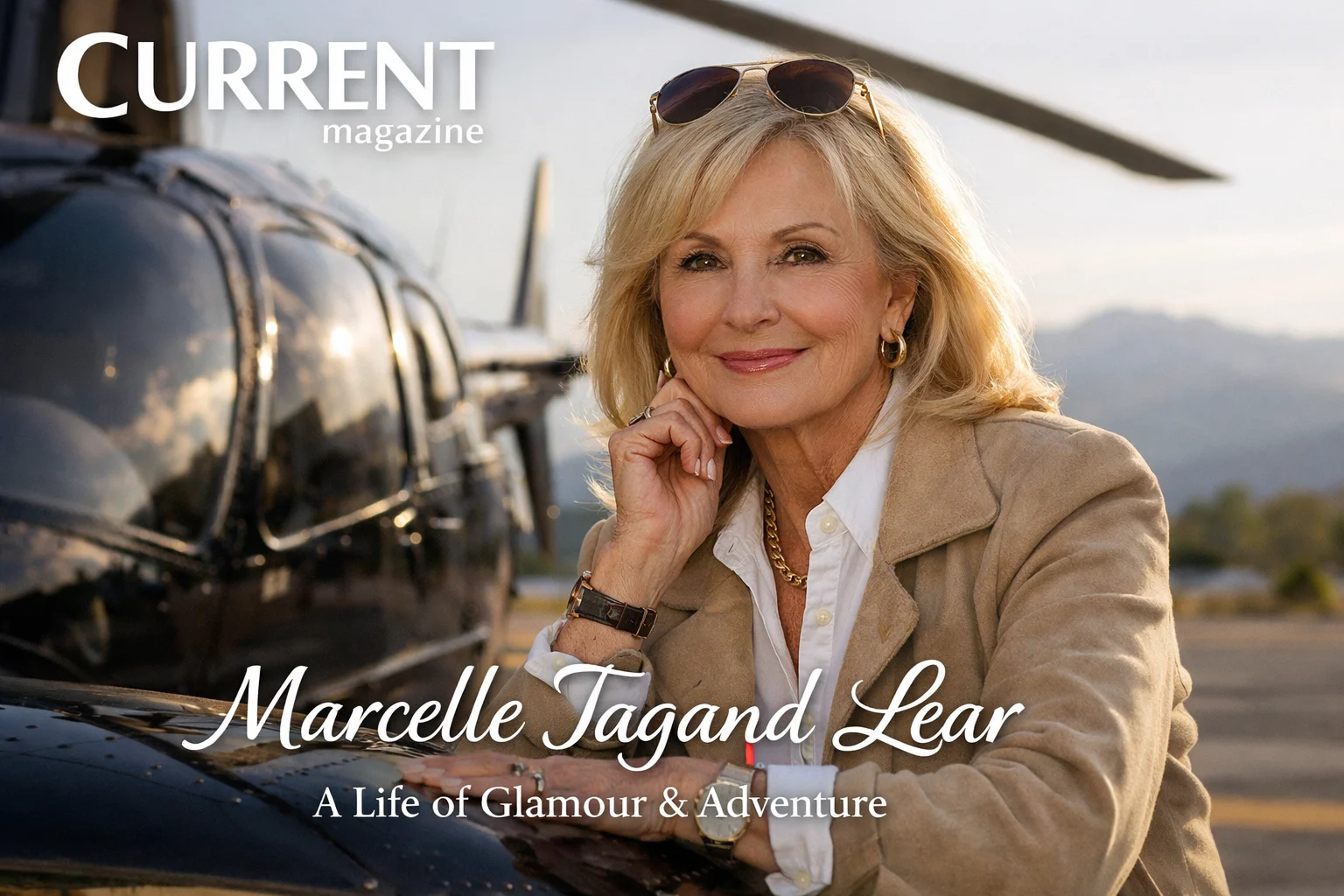
If you’re searching for information about Marcelle Tagand Lear, you’re discovering the story of a remarkable woman who spent decades as the devoted wife and partner of legendary television producer Norman Lear. Marcelle Tagand Lear was a film and music producer in her own right, but she’s perhaps best known as Norman Lear’s third wife and lifelong companion until his death in December 2023 at age 101. Understanding who Marcelle Tagand Lear is reveals not just the woman behind one of television’s most influential creators, but also an accomplished professional, dedicated philanthropist, and passionate advocate for progressive causes who carved her own path while supporting her husband’s extraordinary legacy.
Marcelle’s story intertwines personal devotion with professional achievement, showing how she balanced being married to a Hollywood icon while maintaining her own identity and pursuits. Let’s explore the life, work, and legacy of this fascinating woman who has remained relatively private despite her connection to one of entertainment’s most public figures.
Who Is Marcelle Tagand Lear?
Marcelle Tagand Lear is a producer and businesswoman who became widely known as the wife of Norman Lear, the groundbreaking television writer and producer behind iconic shows like “All in the Family,” “The Jeffersons,” “Good Times,” and “Maude.”
Early Life and Background
Marcelle was born in 1945, making her significantly younger than Norman Lear, who was born in 1922. While specific details about her childhood and early years remain largely private, what’s known is that Marcelle developed interests in film, music, and the arts from a young age.
Her background differs considerably from Norman’s. While Norman grew up in Connecticut and came from a Jewish family during the Depression era, Marcelle’s upbringing was more contemporary, though she has kept many personal details out of the public eye throughout her life.
Meeting Norman Lear
Marcelle met Norman Lear in the 1980s when he was already a well-established television legend. At the time of their meeting, Norman had already revolutionized television with his socially conscious sitcoms that tackled issues like racism, sexism, abortion, and class conflict—topics previously considered too controversial for primetime television.
Their connection was immediate and deep. Despite their 23-year age difference, they formed a bond based on shared values, intellectual compatibility, and mutual respect. Norman has often spoken about how Marcelle brought new energy and perspective to his life.
Marriage and Family Life
Norman and Marcelle married in 1987, beginning what would become a 36-year partnership lasting until Norman’s death. Their marriage represented Norman’s third and final marriage—he was previously married to Charlotte Rosen (1943-1956) and Frances Lear (1956-1986).
Together, Norman and Marcelle had three children—twins born in 1994 and another child. Combined with Norman’s three daughters from his previous marriages (Ellen, Kate, and Maggie), they created a large blended family spanning multiple generations.
Marcelle embraced her role as stepmother to Norman’s older children while raising their own children together. By all accounts, she worked to create a cohesive family unit despite the complexity of blended family dynamics.
Marcelle’s Professional Career
While often identified primarily as Norman Lear’s wife, Marcelle Tagand Lear has her own professional accomplishments and career pursuits.
Work in Film and Music Production
Marcelle has worked as a producer in both film and music industries. While she never achieved the same level of fame as her husband, she pursued her own creative interests and professional projects throughout their marriage.
Her production work has included various projects, though she has generally kept a lower profile than many Hollywood producers. Unlike Norman, who thrived in the spotlight and became a public figure advocating for political and social causes, Marcelle preferred working more behind the scenes.
Business Ventures
Beyond entertainment production, Marcelle has been involved in various business ventures over the years. She brought a business-minded approach to managing aspects of the family’s affairs and investments.
Her business acumen complemented Norman’s creative genius, creating a partnership where both contributed different but valuable skills.
Supporting Norman’s Work
While maintaining her own career, Marcelle also played a significant role in supporting Norman’s continued work into his later years. Norman remained remarkably active well into his 90s and beyond, developing new projects and remaining engaged with the entertainment industry.
Marcelle provided personal support that enabled Norman to continue working productively at an age when most people have long since retired. She helped manage schedules, provided feedback on projects, and ensured he had the energy and support to pursue his passions.
Marcelle’s Role in Philanthropy and Activism
Like Norman, Marcelle has been involved in philanthropic efforts and progressive causes, though typically with less public visibility.
Supporting Progressive Causes
Both Norman and Marcelle shared progressive political values and supported various liberal causes throughout their marriage. While Norman was more publicly outspoken and visible as an activist, Marcelle supported these efforts and contributed to various organizations aligned with their values.
Their shared commitment to social justice, civil rights, environmental protection, and democratic values formed a foundation of their relationship.
The Norman Lear Foundation
Norman established various foundations and charitable initiatives throughout his life, and Marcelle has been involved in supporting and managing these efforts. The organizations focus on issues including freedom of expression, civic engagement, and social justice.
Marcelle’s behind-the-scenes work in these organizations has been significant, even if less publicly recognized than Norman’s more visible advocacy.
Arts and Culture Support
Both Norman and Marcelle have supported arts and culture initiatives, recognizing the power of creative expression to effect social change and enrich lives. They’ve contributed to museums, theaters, educational programs, and other cultural institutions.
The Age Difference: A Notable Aspect of Their Relationship
The 23-year age gap between Marcelle and Norman has been a subject of public interest throughout their marriage, though they’ve navigated this difference successfully for decades.
Challenging Stereotypes
When they married in 1987, Marcelle was in her early 40s while Norman was 65. Their successful long-term marriage challenged stereotypes about significant age gaps in relationships, demonstrating that substantial age differences don’t preclude deep compatibility, mutual respect, and lasting love.
Different Generational Perspectives
The age difference meant Marcelle and Norman came from different generations with different cultural references and life experiences. Born in 1945, Marcelle grew up in the post-war era and came of age during the cultural revolutions of the 1960s. Norman, born in 1922, experienced the Great Depression and World War II.
These different generational perspectives enriched their relationship, with each bringing unique viewpoints and experiences that complemented the other.
Caregiving in Later Years
As Norman aged into his 90s and beyond, the age difference meant Marcelle took on increasing caregiving responsibilities. By all accounts, she devotedly cared for Norman as he aged, ensuring he remained comfortable, engaged, and able to continue the work he loved as long as possible.
Life with Norman Lear: Being Married to a Legend
Being married to one of television’s most influential creators came with unique experiences, challenges, and privileges.
Living with Creative Genius
Norman Lear’s creative mind never stopped working. Even in his late 90s, he was developing new projects, reimagining classic shows for new generations, and engaging with contemporary social issues through entertainment.
Living with someone so creatively driven and intellectually engaged provided stimulation but also required understanding when Norman was absorbed in work or consumed by a creative idea. Marcelle navigated this by respecting his creative process while maintaining boundaries for family time.
The Public-Private Balance
Norman’s fame meant the Lear family lived more publicly than Marcelle might have preferred. There were award ceremonies, industry events, public speeches, and constant recognition of Norman’s legendary status.
Marcelle found a balance, supporting Norman at public events while maintaining privacy for herself and their children. She appeared at significant events but didn’t seek the spotlight for herself.
Maintaining Individual Identity
Despite being married to someone whose name became synonymous with television innovation, Marcelle maintained her own identity, interests, and pursuits. She wasn’t content to simply be “Mrs. Norman Lear”—she was Marcelle Tagand Lear, a person in her own right with her own accomplishments and interests.
This independence and strong sense of self likely contributed to their successful marriage. Marcelle wasn’t defined solely by her relationship with Norman, which kept the relationship dynamic and healthy.
Marcelle as a Mother and Stepmother
Family played a central role in Marcelle’s life, and she embraced both motherhood and stepmotherhood with dedication.
Raising Children with Norman
Having children relatively late in Norman’s life (he was in his early 70s when their twins were born) created unique family dynamics. Marcelle took on the primary parenting responsibilities given Norman’s age, while he provided wisdom, resources, and presence as much as possible.
Raising children with a father old enough to be a great-grandfather presented challenges—other children’s grandparents were often younger than their father—but also provided unique advantages like Norman’s accumulated wisdom and patient perspective that comes with age.
Blended Family Dynamics
Marcelle became stepmother to Norman’s three adult daughters from his previous marriages. Navigating relationships with adult stepchildren while raising young children of her own required sensitivity, patience, and emotional intelligence.
By all accounts, Marcelle worked to build positive relationships with Norman’s older children and create a cohesive extended family despite the complexity of the situation.
Protecting Children’s Privacy
While Norman lived much of his life publicly, Marcelle has been protective of their children’s privacy. Unlike many celebrity families who share extensively on social media or grant interviews about their children, Marcelle and Norman kept their children largely out of the public eye.
This protection allowed their children to develop their own identities away from the shadow of their famous father and the constant public attention that can complicate childhood.
Norman Lear’s Death and Marcelle’s Loss
On December 5, 2023, Norman Lear died peacefully at his home at the age of 101. His death marked the end of an era in television history and a profound personal loss for Marcelle.
The Final Years
In Norman’s final years, Marcelle was his primary caregiver and constant companion. Despite Norman’s remarkable vitality well into his late 90s, age eventually took its toll, and Marcelle ensured he remained comfortable, surrounded by love, and able to enjoy life for as long as possible.
Norman continued working almost until the end of his life, a testament both to his extraordinary drive and to Marcelle’s support that enabled his continued productivity.
Saying Goodbye
When Norman passed, he was surrounded by family, including Marcelle and their children. His death was peaceful, a gentle end to a long and extraordinary life.
The public outpouring of grief and celebration of Norman’s life and legacy was immense. Tributes came from across the entertainment industry, political leaders, and millions of ordinary people whose lives were touched by his work.
Moving Forward
Following Norman’s death, Marcelle has maintained a private profile while presumably processing her grief and determining her path forward. After 36 years of marriage to someone as dynamic and public as Norman Lear, adjusting to widowhood presents significant challenges.
She remains committed to preserving Norman’s legacy, supporting the foundations and initiatives he established, and ensuring his groundbreaking work continues to influence future generations.
Marcelle’s Influence on Norman’s Work
While Norman Lear’s creative genius was his own, Marcelle undoubtedly influenced his work in various ways during their decades together.
A Sounding Board
Creative people need trusted sounding boards, and Marcelle served this role for Norman. He could test ideas with her, get honest feedback, and benefit from her perspective on his projects.
Her input, while private, likely influenced storylines, character development, and thematic choices in Norman’s later work.
Keeping Norman Current
Marcelle, being more than two decades younger, helped keep Norman connected to contemporary culture and younger generations’ perspectives. This connection likely contributed to Norman’s ability to remain relevant and continue creating content that resonated with modern audiences well into his 90s.
Emotional Support for Creative Risks
Creative work involves risk and vulnerability. Marcelle provided emotional support that allowed Norman to continue taking creative risks, developing controversial projects, and pushing boundaries even in his later years when he could have rested on his laurels.
What We Can Learn from Marcelle Tagand Lear
Marcelle’s life offers several valuable lessons worth considering.
Maintaining Identity Within Partnership
Marcelle demonstrated that you can be deeply committed to a partner while maintaining your own identity, interests, and pursuits. She didn’t disappear into Norman’s shadow but remained her own person throughout their marriage.
The Power of Private Strength
Not everyone needs to be publicly visible to have significant influence. Marcelle’s behind-the-scenes support, management, and partnership enabled Norman’s continued public impact. Her private strength was equally important as his public prominence.
Age Is Just a Number
Their successful 36-year marriage despite a 23-year age gap shows that meaningful connection transcends age when partners share values, mutual respect, and genuine love.
Devotion and Caregiving
Marcelle’s devoted care for Norman in his final years exemplifies loving partnership that extends through all of life’s stages, including the challenges of aging and end of life.
The Private Person Behind the Public Name
Despite being married to one of entertainment’s most recognizable names, Marcelle Tagand Lear has maintained considerable privacy throughout her life.
Avoiding the Spotlight
Unlike some celebrity spouses who leverage their partner’s fame for their own careers or public profiles, Marcelle has consistently avoided the spotlight. She attends events when appropriate but doesn’t grant interviews, maintain public social media presence, or seek attention.
This privacy is deliberate and speaks to her values and personality. She’s comfortable with who she is without needing public validation or recognition.
Selective Public Appearances
When Marcelle does appear publicly, it’s typically at events honoring Norman’s work or supporting causes they both care about. These appearances serve purposes beyond personal recognition—they support their shared values and commitments.
Protecting Personal Life
The Lear family’s personal life—their home life, children’s activities, private celebrations, and daily routines—has remained largely shielded from public view. This protection has given their family normalcy despite Norman’s extraordinary public profile.
Marcelle’s Legacy and Future
As Marcelle moves forward after Norman’s death, questions arise about her legacy and future path.
Continuing Norman’s Work
Marcelle likely will remain involved in foundations, initiatives, and organizations that Norman established. Preserving his legacy and ensuring his work continues influencing future generations will likely be important to her.
Her Own Legacy
Beyond her connection to Norman, Marcelle has her own legacy as a producer, businesswoman, philanthropist, and devoted family member. How she chooses to build on this legacy in the years ahead remains to be seen.
Privacy Going Forward
Given her consistent preference for privacy throughout her marriage, Marcelle will likely continue maintaining a low public profile. Don’t expect memoirs, interviews, or public appearances beyond what’s necessary for managing Norman’s legacy and supporting causes she cares about.
The Bottom Line on Marcelle Tagand Lear
Marcelle Tagand Lear is far more than “Norman Lear’s wife,” though that connection introduced her to most people. She’s a producer, businesswoman, philanthropist, devoted mother and wife, and private person who chose to support her extraordinarily public husband while maintaining her own identity and pursuing her own interests.
Her 36-year marriage to Norman Lear demonstrated the power of partnership built on shared values, mutual respect, and genuine love. The significant age difference between them never defined their relationship—their compatibility and commitment did.
As she moves forward following Norman’s death in December 2023, Marcelle carries both the grief of losing a life partner and the responsibility of helping preserve the legacy of one of television’s most influential creators. She does so with the same grace, dignity, and private strength that characterized her approach throughout their decades together.
While the public may never know intimate details of Marcelle Tagand Lear’s life—and that’s exactly as she prefers it—what’s clear is that she represents a particular kind of strength: the strength to maintain yourself while devoted to another, to support publicly while living privately, and to love deeply while keeping appropriate boundaries. In an era of over-sharing and constant public performance, Marcelle’s approach offers a refreshing alternative model of how to live a meaningful life connected to extraordinary circumstances without being consumed by them.
Frequently Asked Questions
1. How old is Marcelle Tagand Lear? Marcelle Tagand Lear was born in 1945, making her 78-79 years old as of 2024. She is 23 years younger than her late husband Norman Lear, who was born in 1922. When they married in 1987, Marcelle was in her early 40s while Norman was 65. Despite the significant age gap, they maintained a successful marriage for 36 years until Norman’s death in December 2023.
2. How many children do Norman and Marcelle Lear have? Norman and Marcelle Lear have three children together—twins born in 1994 and another child. Norman also had three daughters from his previous marriages: Ellen, Kate, and Maggie. This created a large blended family with children spanning multiple decades in age. Marcelle and Norman have been protective of their children’s privacy, keeping them largely out of the public spotlight throughout their lives.
3. What does Marcelle Tagand Lear do for a living? Marcelle Tagand Lear is a film and music producer. She has worked on various production projects throughout her career, though she has maintained a significantly lower public profile than her famous husband. Beyond production work, Marcelle has been involved in business ventures and philanthropic activities, particularly supporting progressive causes and organizations aligned with her and Norman’s shared values.
4. When did Marcelle and Norman Lear get married? Marcelle and Norman Lear married in 1987. This was Norman’s third marriage—he was previously married to Charlotte Rosen (1943-1956) and Frances Lear (1956-1986). Marcelle and Norman’s marriage lasted 36 years until Norman’s death on December 5, 2023, at age 101. Their long, successful marriage was notable both for its duration and for thriving despite their 23-year age difference.
5. What is Marcelle Lear’s background? Specific details about Marcelle Tagand Lear’s early life and background remain largely private, as she has consistently maintained personal privacy throughout her public life. What’s known is that she was born in 1945, developed interests in film and music from a young age, and pursued a career in production. She met Norman Lear in the 1980s when he was already a well-established television legend.
6. Is Marcelle Tagand Lear on social media? No, Marcelle Tagand Lear does not maintain a public social media presence. Unlike many public figures and celebrity spouses, she has chosen to keep her life private and away from platforms like Instagram, Twitter, or Facebook. This privacy extends to her children as well, whom she and Norman largely shielded from public attention throughout their upbringing.
7. What happened to Norman Lear? Norman Lear died peacefully at his home on December 5, 2023, at the age of 101. He passed away surrounded by family, including his wife Marcelle. Norman remained remarkably active and engaged in his work almost until the end of his life, continuing to develop projects and advocate for causes he believed in well into his 90s. His death marked the end of an extraordinary career that transformed American television.
8. Did Marcelle Lear appear on any of Norman Lear’s shows? There’s no public record of Marcelle Tagand Lear appearing in any of Norman Lear’s television productions. While she was involved in the entertainment industry as a producer, she worked on her own projects rather than appearing in front of the camera in Norman’s iconic shows. She maintained her own professional identity separate from Norman’s television empire.
9. How did Marcelle and Norman Lear meet? Marcelle and Norman Lear met in the 1980s, though specific details about their first meeting have remained private. At the time, Norman was already a legendary television producer responsible for groundbreaking shows like “All in the Family” and “The Jeffersons.” Despite their 23-year age difference, they formed an immediate connection based on shared values, intellectual compatibility, and mutual respect that led to their marriage in 1987.
10. What is Marcelle Lear doing now after Norman’s death? Following Norman Lear’s death in December 2023, Marcelle has maintained her characteristic privacy. While she hasn’t made public statements or appearances beyond what was necessary around Norman’s passing, she is presumably involved in preserving Norman’s legacy, managing foundations and initiatives he established, and supporting her family through their grief. Given her consistent preference for privacy throughout her marriage, she will likely continue living away from the public spotlight.