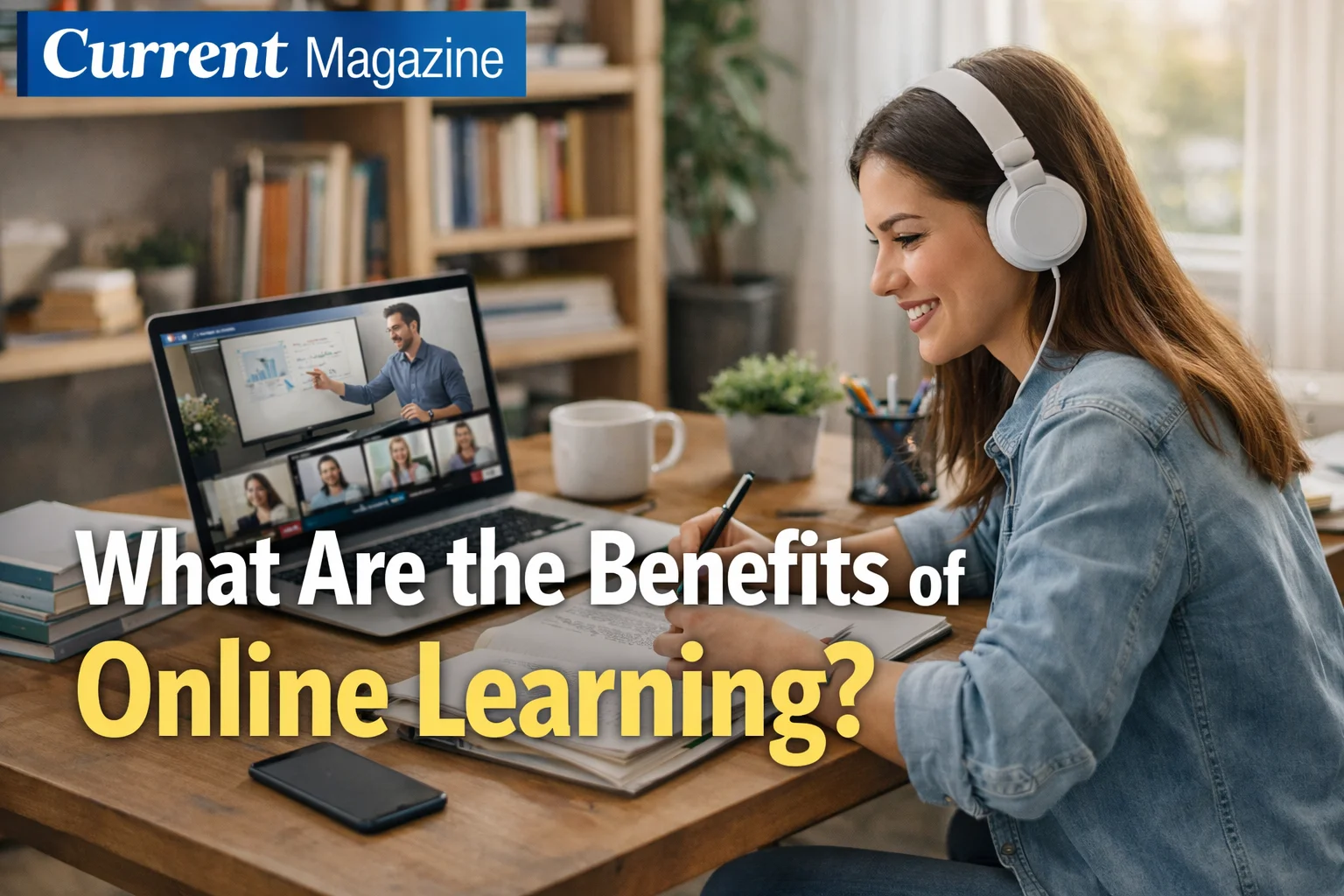
If you’re wondering what are the benefits of online learning, you’re asking a question that millions of students, professionals, and lifelong learners are exploring today. Online learning offers flexibility, affordability, accessibility, and personalized education that traditional classrooms often can’t match. Understanding what the benefits of online learning are can help you decide whether digital education is right for your goals, schedule, and learning style. From earning degrees to developing new skills, online learning has transformed how people access education worldwide.
The shift to online education has accelerated dramatically in recent years, revealing advantages that extend far beyond simple convenience. Whether you’re a working professional seeking career advancement, a parent balancing family responsibilities, or someone living far from educational institutions, online learning opens doors that might otherwise remain closed. Let’s explore the comprehensive benefits of this educational revolution.
Flexibility and Convenience: Learning on Your Schedule
Perhaps the most celebrated benefit of online learning is the flexibility it provides. This advantage alone has made education accessible to millions who couldn’t attend traditional classes.
Study Anytime, Anywhere
Online learning breaks free from the constraints of fixed schedules and physical locations. You can study at 6 AM before work, during your lunch break, late at night after the kids sleep, or on weekends. As long as you have internet access, your classroom is wherever you are.
This flexibility is transformative for people with demanding jobs, family obligations, or unpredictable schedules. A single parent can study after bedtime. A shift worker can learn during off hours. A traveler can maintain coursework from anywhere in the world.
Self-Paced Learning
Many online courses allow you to work at your own pace within broader deadlines. If you grasp concepts quickly, you can move ahead. If you need more time to understand difficult material, you can slow down and review content multiple times.
This self-directed approach contrasts with traditional classrooms where everyone moves at the same speed regardless of individual comprehension. Fast learners aren’t held back, and struggling students aren’t left behind.
No Commute Time
Traditional education requires commuting to campus, which costs time, money, and energy. The average student might spend one to two hours daily just traveling to and from school.
Online learning eliminates this entirely. Those saved hours can be used for studying, working, family time, or rest. Over a semester or year, you reclaim hundreds of hours previously lost to commuting.
Balancing Multiple Responsibilities
Online learning makes education possible for people juggling work, family, and other commitments. You can build your schedule around existing responsibilities rather than rearranging your entire life around class times.
Parents can be present for their children. Employees can maintain full-time careers. Caregivers can tend to family members. Education fits into life rather than demanding life revolve around it.
Cost Savings: More Affordable Education
Online learning typically costs less than traditional education, making quality learning accessible to more people.
Lower Tuition Costs
Many online programs charge less tuition than their on-campus equivalents. Without maintaining physical classrooms, libraries, and campus facilities, institutions can pass savings to students.
Some prestigious universities offer online courses and even full degrees at significantly reduced rates. Platforms like Coursera, edX, and Udemy provide courses ranging from free to a few hundred dollars—a fraction of traditional college costs.
No Housing or Transportation Expenses
Traditional college students often pay thousands for dormitories or off-campus housing near their school. Online students study from home, eliminating these substantial costs.
Similarly, you save on transportation—no gas, parking fees, public transit passes, or vehicle wear and tear from daily commuting. For some students, these savings alone amount to thousands of dollars annually.
Reduced Material Costs
Online courses often use digital textbooks, articles, and resources that cost less than traditional printed materials. Many provide free access to required readings, videos, and supplementary materials.
When you do need to purchase materials, digital versions typically cost 40-60% less than physical textbooks. Some courses use open educational resources that are completely free.
Continue Working While Learning
Because online learning is flexible, many students maintain full-time or part-time employment while studying. This means you’re earning income while gaining education rather than choosing between the two.
The ability to work while learning dramatically reduces the total cost of education by avoiding years of lost income that traditional full-time students experience.
Accessibility: Education for Everyone
Online learning democratizes education by removing barriers that prevent many people from accessing traditional schooling.
Geographic Freedom
You can access world-class education regardless of where you live. A student in a rural area can take courses from Harvard. Someone in a small town can learn from industry experts located across the globe.
This geographic independence is revolutionary. Education is no longer limited by your proximity to quality institutions. Living far from universities or in areas with limited educational options no longer restricts your learning opportunities.
Accommodating Disabilities
Online learning can be more accessible for students with disabilities. Those with mobility challenges don’t need to navigate physical campuses. Students with social anxiety can participate without face-to-face interaction stress.
Many online platforms offer features like closed captioning, screen reader compatibility, adjustable text sizes, and other accessibility tools that make learning easier for students with various disabilities.
Learning in Your Environment
Some students learn better in their own controlled environment rather than bustling classrooms. Online learning lets you create your ideal study space—quiet or with background music, at a desk or curled up on a couch, with natural lighting or evening lamps.
This environmental control can significantly improve focus and comprehension for students who struggle in traditional classroom settings.
No Age Discrimination
Online learning welcomes students of all ages. Older adults seeking new skills or career changes can learn without feeling out of place among younger traditional students.
The digital classroom is ageless. Your classmates might range from teenagers to retirees, creating diverse learning communities where age becomes irrelevant.
Diverse Course Selection: Unlimited Learning Opportunities
Online education offers an unprecedented variety of subjects, skills, and specializations.
Access to Global Instructors
Online platforms connect you with the world’s best teachers and subject matter experts. You can learn photography from an award-winning photographer in Paris, business strategy from a Silicon Valley entrepreneur, or data science from a leading researcher.
This access to elite instruction was previously available only to students who could attend specific prestigious schools or afford private tutoring.
Specialized and Niche Topics
Traditional schools must offer courses that attract enough students to justify the cost. This limits options for specialized or niche interests.
Online learning platforms offer courses on extremely specific topics because they draw from a global student base. Want to learn about medieval manuscript restoration, quantum computing, Icelandic literature, or how to make artisan cheese? You’ll find online courses for all of these and thousands of other specialized subjects.
Industry-Relevant Skills
Online courses, especially those from platforms like LinkedIn Learning, Udemy, and Skillshare, focus heavily on practical, current industry skills. These courses are often created by working professionals and updated regularly to reflect current trends and technologies.
This contrasts with traditional academic programs that sometimes lag behind industry changes due to slower curriculum approval processes.
Multiple Credentials and Micro-Credentials
Beyond traditional degrees, online learning offers certificates, professional development credits, micro-credentials, and digital badges that demonstrate specific skills to employers.
You can build a customized educational portfolio mixing different types of credentials that precisely match your career goals rather than following a one-size-fits-all degree program.
Personalized Learning Experience
Online education allows for customization that traditional classrooms rarely provide.
Learn at Your Own Pace
As mentioned earlier, many online courses allow self-pacing. You can spend extra time on challenging concepts and breeze through material you grasp quickly. This personalization optimizes learning efficiency.
Some platforms use adaptive learning technology that adjusts content difficulty based on your performance, creating a truly personalized learning path.
Choose Your Learning Style
Online courses often present information in multiple formats—videos, readings, interactive simulations, quizzes, and discussions. You can engage with material in ways that match your learning preferences.
Visual learners can focus on videos and infographics. Reading/writing learners can dig into articles and written assignments. Kinesthetic learners can engage with interactive elements and hands-on projects.
Review Material Repeatedly
Unlike live lectures that happen once, online content is typically available throughout the course and sometimes indefinitely. You can watch lectures multiple times, pause to take notes, rewind confusing sections, and review before exams.
This ability to revisit material supports deeper understanding and better retention than single-exposure traditional lectures.
Control Your Environment
You decide when you’re most alert and focused. If you’re a morning person, study then. If you concentrate better late at night, that works too. You control lighting, temperature, noise levels, and other environmental factors that affect learning.
Career Advancement Opportunities
Online learning provides practical pathways to professional growth and career development.
Skill Development While Working
You can acquire new skills and credentials without leaving your current job. This allows you to prepare for career transitions, promotions, or new industries while maintaining income and job security.
Employers increasingly value this initiative and self-directed learning, often viewing online credentials as evidence of motivation and modern skills.
Industry Certifications
Many online courses offer industry-recognized certifications in fields like IT, project management, digital marketing, data analysis, and more. These certifications can significantly boost your resume and earning potential.
Certifications from Google, Microsoft, Amazon Web Services, and other industry leaders are available through online platforms, often at a fraction of what traditional training programs cost.
Career Pivot Opportunities
Online learning makes career changes more feasible. You can explore new fields through low-cost courses before committing to expensive degree programs. If you discover the field isn’t right for you, you’ve invested minimal time and money.
Once you’ve confirmed your interest, you can pursue more comprehensive online training or degrees in your new chosen field while still working in your current career.
Networking Opportunities
Online courses connect you with classmates and instructors worldwide, creating valuable professional networks. Discussion forums, group projects, and social media groups associated with courses facilitate connections with people in your field of interest.
These relationships can lead to job opportunities, collaborations, mentorships, and professional friendships that advance your career.
Technology Skills Development
Simply participating in online learning builds valuable digital literacy and technology skills.
Digital Competency
Navigating online learning platforms, participating in virtual discussions, submitting digital assignments, and troubleshooting technical issues all develop technology skills that are increasingly essential in modern workplaces.
These competencies transfer directly to professional environments where remote collaboration, digital tools, and online communication are standard.
Familiarity with Modern Tools
Online courses often incorporate tools used in professional settings—video conferencing platforms, collaborative documents, project management software, and industry-specific applications.
Experience with these tools through education makes you more valuable to employers who use the same or similar technologies.
Adaptability and Self-Direction
Successfully completing online courses requires self-motivation, time management, and adaptability—soft skills that employers highly value. The discipline needed to succeed in online learning translates directly to professional success.
Environmental Benefits
Online learning contributes to environmental sustainability in ways that traditional education cannot match.
Reduced Carbon Footprint
Eliminating daily commutes by thousands or millions of students significantly reduces carbon emissions. No driving or public transportation to campus means fewer vehicles on roads and lower overall energy consumption.
Less Paper Waste
Digital materials replace printed textbooks, handouts, and assignments. A single online course might save hundreds of pages of paper per student. Multiply this across thousands of courses and millions of students, and the environmental impact is substantial.
Lower Energy Consumption
Universities and schools require enormous amounts of energy to heat, cool, and light large buildings. While online learning still requires electricity for computers and internet infrastructure, the overall energy footprint is considerably smaller than maintaining physical campuses.
Better Work-Life Balance
Online learning helps students maintain healthier balance between education and other life aspects.
Family Time
Without commutes and fixed class schedules, online students spend more time with family. Parents can be present for important moments, family meals, and daily routines while still pursuing education.
Reduced Stress
The flexibility of online learning can reduce stress associated with rushing between work, school, and home. You control your schedule, which often leads to better mental health and overall well-being.
Health and Wellness
Time saved from commuting can be invested in exercise, meal preparation, sleep, or other health-promoting activities. The ability to study from home during illness means you don’t miss content due to minor sickness that wouldn’t warrant a doctor visit but would prevent campus attendance.
Immediate Application of Knowledge
Online learners, especially working professionals, can immediately apply new knowledge to their jobs or personal projects.
Real-Time Implementation
When you learn a new skill on Monday evening, you can implement it at work on Tuesday morning. This immediate application reinforces learning and demonstrates practical value to employers.
Project-Based Learning
Many online courses emphasize hands-on projects using real-world scenarios. You might build actual products, analyze real data, or solve genuine problems as part of your coursework, creating portfolio pieces that showcase your abilities to potential employers.
Iterative Learning
The combination of self-paced study and immediate application creates powerful iterative learning. You learn a concept, apply it, encounter challenges, return to course material for clarification, and apply refined understanding. This cycle deepens comprehension far more than passive learning.
Building Self-Discipline and Independence
Successfully navigating online learning develops personal qualities that benefit all life areas.
Self-Motivation
Without professors monitoring attendance or peers providing social pressure, online students must cultivate internal motivation. This self-direction transfers to professional and personal goal achievement.
Time Management
Balancing course deadlines with other responsibilities requires strong time management skills. Online learners become adept at prioritizing tasks, creating schedules, and meeting deadlines independently.
Responsibility and Accountability
You’re accountable for your own learning progress. This ownership develops maturity and responsibility that serves you throughout life, particularly in professional environments that value autonomous workers.
Diverse Learning Communities
Online education creates unique opportunities for diverse, global learning communities.
Global Perspectives
Your classmates might live on different continents, work in various industries, and bring vastly different cultural perspectives. This diversity enriches discussions and broadens your worldview in ways geographically-limited traditional classrooms cannot.
Inclusive Environments
Online platforms can create more inclusive environments for students who might feel marginalized or uncomfortable in traditional classroom settings. Text-based discussions can reduce biases based on appearance, accent, or other factors.
Asynchronous Discussion Benefits
Online discussion forums allow thoughtful, researched responses rather than immediate reactions required in live classroom discussions. Students who need processing time or who aren’t comfortable speaking in groups can contribute meaningfully.
Challenges and How to Overcome Them
While online learning offers tremendous benefits, acknowledging challenges helps you prepare for success.
Limited Face-to-Face Interaction
Challenge: Less in-person contact with instructors and peers can feel isolating.
Solution: Actively participate in discussion forums, attend virtual office hours, join study groups via video chat, and connect with classmates through social media or messaging platforms associated with your course.
Self-Discipline Required
Challenge: Without external structure, some students struggle to stay motivated and organized.
Solution: Create a dedicated study schedule, set up a specific study space, use productivity tools and timers, break large tasks into smaller manageable pieces, and reward yourself for meeting goals.
Technology Requirements
Challenge: Reliable internet and appropriate devices are necessary.
Solution: Many libraries offer free internet access and computer use. Some educational institutions provide technology assistance or loaner equipment. Employers sometimes support education-related technology needs.
Potential for Distraction
Challenge: Studying from home presents more distractions than quiet libraries or dedicated classrooms.
Solution: Create a dedicated study space separate from leisure areas, use website blockers during study time, communicate boundaries to household members, and schedule study during times when distractions are minimal.
Choosing Quality Online Learning Programs
Not all online education is equal. Here’s how to identify quality programs.
Accreditation and Recognition
For degree programs, ensure the institution is properly accredited. For professional courses, look for industry recognition or partnerships with respected organizations.
Research whether potential employers in your field value the specific credential you’re pursuing.
Instructor Credentials
Investigate instructor qualifications. Do they have relevant education, industry experience, and teaching experience? Quality programs showcase instructor credentials prominently.
Student Reviews and Outcomes
Read reviews from past students. What do they say about course quality, instructor responsiveness, and practical value? Look for outcome data like job placement rates or student satisfaction scores.
Support Services
Quality online programs provide robust support including technical assistance, academic advising, library access, and career services. Ensure help is available when you need it.
Interactive and Engaging Content
Preview course materials if possible. Quality online courses use varied teaching methods—videos, interactive elements, discussions, and practical assignments—rather than just posting text to read.
The Future of Online Learning
Online education continues evolving, with exciting developments on the horizon.
Artificial Intelligence and Personalization
AI is creating increasingly personalized learning experiences that adapt to individual student needs in real-time, identifying knowledge gaps and adjusting content accordingly.
Virtual and Augmented Reality
VR and AR technologies are making online learning more immersive and interactive, particularly for subjects requiring hands-on experience like science labs, medical training, or engineering.
Micro-Credentials and Lifelong Learning
The trend toward stackable credentials, digital badges, and continuous learning throughout careers rather than front-loaded education is accelerating, with online platforms leading the way.
Hybrid Models
Many institutions are adopting hybrid approaches that combine online flexibility with occasional in-person experiences, offering the best of both worlds.
Making the Most of Online Learning
To maximize benefits from online education, implement these strategies.
Set Clear Goals
Define what you want to achieve. Are you seeking a degree, building specific skills, exploring a new interest, or preparing for career change? Clear goals focus your efforts and sustain motivation.
Create a Structured Schedule
Even with flexible learning, structure helps. Designate specific study times, treat them as seriously as you would campus classes, and protect this time from other commitments.
Engage Actively
Don’t just passively consume content. Participate in discussions, ask questions, complete all assignments, and apply what you’re learning. Active engagement dramatically improves retention and understanding.
Build Connections
Make the effort to connect with instructors and classmates. These relationships enrich learning and create valuable networks.
Take Care of Yourself
Balance study with rest, exercise, social connection, and other activities that maintain your physical and mental health. Sustainable learning requires sustainable habits.
The Bottom Line on Online Learning Benefits
Online learning offers flexibility that makes education accessible to people who couldn’t attend traditional schools. It’s often more affordable, provides access to world-class instruction regardless of location, offers unprecedented course variety, and develops valuable technology and self-direction skills.
While online learning requires self-discipline and doesn’t provide the same in-person social experience as traditional education, its benefits have made it the preferred choice for millions of learners worldwide. From high school students taking AP courses to retirees learning new hobbies, from working professionals advancing careers to parents pursuing delayed degrees, online learning serves diverse needs that traditional education cannot address.
Whether online learning is right for you depends on your goals, learning style, and circumstances. However, for many people, the benefits—flexibility, affordability, accessibility, and quality—make online learning not just a viable alternative to traditional education, but often the superior choice.
The future of education is increasingly digital, and those who embrace online learning position themselves to thrive in a world where continuous learning and adaptation are essential for personal and professional success.
Frequently Asked Questions
1. Is online learning as effective as traditional classroom learning? Research shows that online learning can be equally or even more effective than traditional classroom instruction when courses are well-designed and students are engaged. The key factors are course quality, student motivation, and active participation. Many students actually prefer online learning because they can review material multiple times and learn at their own pace.
2. Do employers respect online degrees and certificates? Increasingly, yes. Employers care more about accreditation, the reputation of the institution, and whether you’ve gained relevant skills than whether you learned online or in-person. Many prestigious universities offer online programs indistinguishable from their on-campus versions on transcripts. Industry certifications from recognized providers are valued regardless of how you earned them.
3. What technology do I need for online learning? At minimum, you’ll need a computer or tablet with reliable internet access. Most courses work fine with modest equipment—you don’t need expensive, high-powered devices. Specific courses might require webcams, microphones, or specialized software, but these requirements are typically communicated beforehand. Many libraries offer free computer and internet access if you don’t have home access.
4. How much time does online learning require? This varies widely by program. Full degree programs require similar time commitments to traditional programs, though with more flexibility about when you study. Individual courses might require anywhere from 2-3 hours weekly for simple skills courses to 15-20 hours weekly for intensive academic courses. Most course descriptions estimate weekly time commitments.
5. Can I work full-time while taking online courses? Yes, many online learners work full-time. The flexibility of online learning is specifically designed to accommodate working professionals. You’ll need good time management skills and realistic expectations about how much coursework you can handle alongside full-time work, but millions of people successfully balance both.
6. Are online courses easier than traditional courses? Not necessarily. Quality online courses are equally rigorous as traditional courses. However, online learning might feel easier for some students because of the flexibility, ability to review materials repeatedly, and option to learn at their own pace. Other students find online courses more challenging due to the self-discipline required without external structure.
7. How do online courses handle exams and assignments? This varies by course and institution. Some use proctored exams where you’re monitored via webcam or visit testing centers. Others use alternative assessments like projects, papers, or unproctored quizzes. Assignments are typically submitted digitally through the learning platform. Most online courses clearly outline their assessment methods before you enroll.
8. Can I get financial aid for online courses? Yes, students in accredited online degree programs typically qualify for the same federal financial aid, scholarships, and loans as traditional students. Individual courses on platforms like Coursera or Udemy may not qualify for traditional financial aid, but many offer their own scholarships, payment plans, or free/reduced-cost options for those with financial need.
9. What if I struggle with self-motivation and discipline? Online learning requires more self-direction than traditional classroom learning. If you struggle with this, start with shorter courses to build skills and confidence, create structured schedules, find accountability partners or study groups, set up a dedicated study space, and use productivity tools. Many online learners develop these skills through practice. You might also consider hybrid programs that combine online flexibility with some in-person structure.
10. How do I choose between different online learning platforms and programs? Consider your goals (degree, certificate, skill development, personal interest), your budget, time availability, learning style preferences, and career objectives. Research accreditation for degree programs, read student reviews, investigate instructor credentials, preview course content when possible, and compare costs including hidden fees. Many platforms offer free trial periods or audit options that let you sample courses before fully committing.