
What Are Some Fun Things to Do in Orlando Florida – Best Attractions and Activities Guide

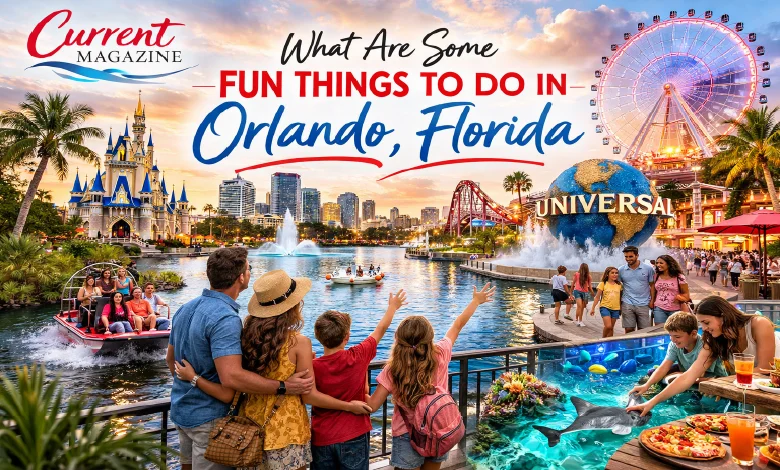
Orlando, Florida is one of the most exciting vacation destinations in the United States. Known worldwide for its theme parks, entertainment options, and attractions, Orlando offers something for everyone. Whether you’re traveling with family, friends, or going solo, there are countless what are some fun things to do in Orlando Florida that will create unforgettable memories. From world-famous theme parks like Disney World and Universal Studios to natural attractions, shopping, dining, and entertainment venues, Orlando has it all. This comprehensive guide covers the best attractions, activities, and experiences that make Orlando a must-visit destination. Keep reading to discover everything you need to plan an amazing Orlando vacation.
Experience World-Class Theme Parks
Orlando is famous for its incredible theme parks, and visiting these parks is essential when in the city. These parks offer thrilling rides, magical experiences, and entertainment for all ages.
Walt Disney World Resort is the most iconic theme park in Orlando. This massive resort includes four separate parks: Magic Kingdom, Epcot, Hollywood Studios, and Animal Kingdom. Each park has unique attractions, shows, and experiences.
Magic Kingdom is the most visited theme park in the world. This park features classic Disney attractions, beloved characters, and magical experiences. Iconic rides like Space Mountain, Cinderella’s Castle, and the Haunted Mansion draw millions of visitors annually. The park is divided into themed lands including Fantasyland, Adventureland, and Tomorrowland.
Epcot combines a futuristic theme park with a world showcase featuring 11 countries. Experience attractions focused on technology and innovation in Future World. Then explore cultural pavilions representing different nations with authentic food, shops, and entertainment.
Hollywood Studios celebrates movies, television, music, and theater. This park features attractions based on popular films and shows. Galaxy’s Edge, the Star Wars-themed land, is a must-see for Star Wars fans. Toy Story Land features family-friendly attractions beloved by all ages.
Animal Kingdom is Disney’s largest theme park by area. This unique park combines attractions with a zoological experience. See animals from around the world while enjoying theme park attractions. Pandora, the land based on Avatar, offers stunning visuals and immersive experiences.
Universal Orlando Resort is another major theme park destination. This resort includes three theme parks, each offering unique experiences.
Universal Studios Florida features attractions based on popular movies, television shows, and characters. The Wizarding World of Harry Potter is extremely popular with fans. Ride the Hogwarts Express, visit Diagon Alley, and experience immersive Harry Potter attractions. Other popular areas include The Simpsons, Minion Land, and Transformers.
Universal’s Islands of Adventure focuses on adventure and fantasy. Marvel Super Hero Island features attractions based on Marvel characters. Jurassic World Velocicoaster is a thrilling dinosaur-themed roller coaster. The Wizarding World of Harry Potter continues here with Hogsmeade and Hogwarts Castle. Skull Island offers adventure with King Kong experiences.
Universal’s Volcano Bay is a water park featuring volcano-themed attractions, water slides, and lazy rivers. This park is perfect for cooling off during hot Orlando days.
SeaWorld Orlando combines a theme park with a marine animal park. This park features shows with marine animals like dolphins and whales. Thrill rides, family attractions, and educational experiences about ocean life appeal to many visitors. Conservation efforts and animal care are emphasized throughout the park.
Explore Water Parks and Aquatic Attractions
Water parks are perfect for beating Orlando’s heat while having fun. Several water parks offer different experiences.
Disney’s Typhoon Lagoon and Disney’s Blizzard Beach are Disney-owned water parks. These parks feature water slides, wave pools, lazy rivers, and splash areas. Typhoon Lagoon has a tropical theme with a shipwreck and island atmosphere. Blizzard Beach has a snowy mountain theme with melting snow creating the water park.
Aquatica by SeaWorld is another excellent water park. This park features water slides, river rides, and beach areas. Animal encounters and shows add educational elements to the fun.
Wet ‘n Wild offers thrilling water slides and attractions. This park has been entertaining visitors for decades with classic water park fun.
Kennedy Space Center has splash pads and water attractions for kids, combined with space exploration education.
Many hotels and resorts also have water slides, splash pads, and pools available to guests.
Visit the Kennedy Space Center
The Kennedy Space Center is located about an hour from Orlando and is absolutely worth the trip. This facility explores space exploration, rockets, and astronauts.
See real spacecraft and rockets, including the Space Shuttle Atlantis. Experience simulators that show what space travel feels like. Learn about the history of space exploration from the Apollo missions to modern space programs.
Meet real astronauts who share their experiences traveling to space. Watch educational shows and presentations about space science. Interactive exhibits allow hands-on learning about space and science.
The facility has programs for all ages. Kids can participate in astronaut training simulations. Planetarium shows transport you to space. The gift shop has space-themed souvenirs.
Discover Natural Attractions and Wildlife
Orlando has beautiful natural areas and wildlife attractions beyond theme parks.
Gatorland is a wildlife preserve dedicated to alligators and crocodiles. See hundreds of gators in natural habitats. Watch feeding shows where alligators demonstrate their power and speed. Learn about wildlife conservation and native Florida ecosystems.
WildFlorida Zoo and Nature Preserve features animals from around the world. See giraffes, zebras, lions, and birds in spacious habitats. Airboat tours take you through natural wetlands to see wildlife in their environment. The zip line course provides adventure through forest canopy.
Orlando Wetlands Park offers walking trails, observation towers, and bird-watching opportunities. This natural area is peaceful and educational. Seeing native Florida wildlife in natural settings is special.
Lake Eustis and other local lakes offer fishing, boating, and water activities. Many lakes are surrounded by nature and relatively undeveloped.
Scrub Jay Preserve protects endangered Florida scrub jays. Walking trails let you explore this unique ecosystem and potentially spot these rare birds.
Enjoy Shopping and Entertainment Districts
Orlando has excellent shopping and entertainment areas beyond theme parks.
The Orlando International Drive stretches for miles with shops, restaurants, attractions, and entertainment. The ICON Park on International Drive features the Wheel (a tall observation wheel), Ripleys Believe It or Not, and other attractions.
The Florida Mall is one of Orlando’s largest shopping centers with hundreds of stores. From luxury brands to affordable retailers, every shopping preference is covered. Restaurants and entertainment options are available throughout the mall.
The Mills at Florida is an outlet mall featuring discounted designer and name-brand stores. Shopping for deals on quality items appeals to bargain hunters.
Pointe Orlando is an entertainment complex with shopping, dining, and attractions. The complex features restaurants ranging from casual to upscale. Entertainment options include TopGolf, dinner shows, and nightclubs.
Downtown Orlando offers a different vibe than theme parks. The area features local shops, restaurants, galleries, and entertainment venues. Lake Eustis Park is a beautiful waterfront area for walking and relaxing. First Friday art walks happen monthly with special events and galleries.
Enjoy Dining and Culinary Experiences
Orlando has excellent restaurants ranging from casual to fine dining. Theme parks have many dining options, but restaurants outside parks offer different experiences.
Fine Dining restaurants like The Eddy and Howl at the Moon offer upscale meals. Chefs create innovative dishes using fresh ingredients. These restaurants are perfect for special occasions.
International Cuisine reflects Orlando’s diversity. You can find authentic restaurants serving cuisine from around the world. Mexican, Italian, Asian, Mediterranean, and Indian restaurants give you global food experiences.
Casual Dining offers good food in relaxed atmospheres. Burger joints, pizza places, sandwich shops, and family restaurants are throughout Orlando. These options are budget-friendly and convenient.
Food Tours let you sample food from multiple restaurants while learning about neighborhoods and culinary traditions. Food tours are social and educational.
Dinner Shows combine entertainment with dining. Pirate’s Dinner Theater and Medieval Times serve meals while providing entertainment. These shows are fun and memorable.
Food Halls gather multiple food vendors in one location. You can taste various cuisines in one place. Food halls are popular for groups with different food preferences.
Visit Museums and Cultural Attractions
Museums offer learning and cultural enrichment beyond theme parks.
The Orlando Science Center features interactive exhibits about science, space, nature, and technology. The planetarium shows are spectacular. Interactive areas engage kids and adults in hands-on learning. Traveling exhibits bring new experiences throughout the year.
The Morse Museum houses the world’s largest collection of Louis Comfort Tiffany glass and art. This museum is smaller and quieter than other attractions but offers beautiful art and history. The ornate jewelry, lamps, and windows are stunning.
The Museum of Illusions features interactive exhibits playing with perception and perspective. Walking through illusory rooms and taking photos with optical illusions is fun and mind-bending.
The Ripley’s Believe It or Not Odditorium showcases strange and unusual artifacts from around the world. Odditoriums are quirky and entertaining. This attraction appeals to people who like the unusual and bizarre.
The Orange County Regional History Center teaches about local history, Native Americans, pioneers, and modern development. This museum helps you understand Orlando’s past and present.
Art galleries in Downtown Orlando display work by local and regional artists. Visiting galleries supports local art communities and exposes you to different artistic styles.
Catch Entertainment and Live Shows
Orlando has various entertainment venues offering shows and performances.
The Dr. Phillips Center for the Performing Arts hosts Broadway shows, concerts, ballet, opera, and theater performances. This world-class venue brings entertainment to Orlando regularly.
Theaters showing Broadway productions like Aladdin, The Lion King, and other major shows perform in Orlando. Broadway shows are spectacular and memorable entertainment.
Live music venues throughout Orlando host local and touring musicians. From small clubs to large venues, live music creates great atmospheres. Genres range from rock and pop to country and jazz.
Comedy clubs feature stand-up comedians. Laughing at comedy shows is fun and entertaining. Comedy clubs are perfect for nights out with friends.
Nightclubs and bars offer dancing, drinks, and socializing. Orlando has vibrant nightlife with venues for different music preferences and party styles.
Dinner theaters like Pirate’s Dinner Theater and Medieval Times combine meals with entertainment. These shows are family-friendly and fun.
Experience Unique and Quirky Attractions
Beyond major attractions, Orlando has unique places worth visiting.
The Wheel at ICON Park is a 400-foot tall observation wheel offering views of Orlando. At the top, you see for miles in all directions. This modern attraction is becoming an Orlando landmark.
iFLY Indoor Skydiving lets you experience skydiving in a safe, controlled environment. Trained instructors help you float in wind tunnels simulating freefall. This thrilling experience is safer than traditional skydiving.
The Museum of Illusions plays with perception and perspective. Walk through illusory rooms, experience optical illusions, and challenge your senses.
Ripleys Believe It or Not showcases strange artifacts and exhibits from around the world. This quirky attraction appeals to people who enjoy the unusual.
The Fun Spot America is a free-to-enter amusement park with roller coasters and rides. Paying per ride lets you control your spending.
Gatorland combines alligator viewing with zip lines and other adventures. This unique Florida attraction is educational and thrilling.
Participate in Sports and Recreation
Orlando has sports teams and recreation opportunities.
The Orlando Magic is the NBA basketball team. Watching professional basketball is exciting. Games are energetic and fun.
Minor league baseball teams play in Orlando. Baseball games are family-friendly and entertaining.
Golf is popular in Orlando with numerous courses. Courses range from championship-level to beginner-friendly. Golf provides relaxation and fun.
TopGolf at Pointe Orlando is a modern golf experience combining golf with entertainment, food, and drinks. You don’t need to be a skilled golfer to enjoy TopGolf.
Airboat tours through Florida wetlands provide adventure and wildlife viewing. Airboats are fast, loud, and exciting.
Kayaking and paddleboarding on local waterways connect you with nature. These activities provide exercise and relaxation.
Zip-lining courses offer thrilling experiences through treetops. Several facilities offer zip-lining adventures.
Explore Nightlife and Social Activities
Orlando has vibrant nightlife and social scenes.
Clubs and bars throughout Orlando offer different atmospheres and music styles. From casual bars to dance clubs, nightlife options suit different preferences.
The Pointe Orlando entertainment complex has restaurants, bars, and clubs. The venue is popular for nights out.
International Drive has countless bars, clubs, and entertainment venues. The area is lively, especially at night.
Downtown Orlando has bars, clubs, and lounges in a more local, less touristy atmosphere. The area is popular with locals and visitors seeking authentic Orlando nightlife.
Dinner and a show combines dining with entertainment. Many restaurants offer special entertainment experiences.
Karaoke bars let you sing along to favorite songs. Karaoke is fun, silly, and social.
Wine bars and breweries offer craft beverages in social atmospheres. Tastings and tours teach about beer and wine production.
Relax at Spas and Wellness Centers
Taking time to relax is important during vacations.
Spa treatments like massages, facials, and body treatments pamper you. Spas provide relaxation and rejuvenation. Day spas and resort spas offer various services.
Yoga and wellness classes at studios and resorts help you relax and recharge. Even short sessions improve your mood and energy.
Swimming pools and lazy rivers at resorts provide relaxation. Many resorts have beautiful pool areas with lounging spaces.
Hot springs and natural pools in the area offer warm water relaxation. Some natural springs maintain comfortable temperatures year-round.
Plan Day Trips from Orlando
Orlando’s location allows easy day trips to other attractions.
Daytona Beach is about an hour away. This famous beach offers swimming, walking, and beach town atmosphere.
Tampa and Busch Gardens is about an hour away. Busch Gardens is another theme park with animals and rides.
The Kennedy Space Center is about an hour away. This space facility is educational and inspiring.
The Villages is a large retirement community with golf courses and attractions. Even non-residents can visit and enjoy restaurants and shopping.
Natural springs throughout Florida offer swimming in crystal-clear water. Springs maintain consistent, comfortable temperatures year-round.
10 FAQs About Fun Things to Do in Orlando Florida
- What is the best time of year to visit Orlando Florida?
October through April offers the best weather and least crowding. October and November have comfortable temperatures without summer heat and humidity. December through February are cooler but still pleasant compared to northern climates. Spring (March-May) has warm weather and moderate crowds. Summer (June-August) is hot, humid, and crowded with peak prices. September has fewer crowds but still warm and humid weather. Hurricane season runs June through November, though direct hits are uncommon. Consider your weather preference, budget, and crowd tolerance when choosing travel dates. Visiting in shoulder seasons (April-May and September-October) offers balance between weather and crowds.
- How many days do I need to visit Orlando theme parks?
The number of days depends on which parks you want to visit. Visiting all four Disney parks requires 4-5 days minimum. Universal’s three parks require 3-4 days. Visiting just one Disney park takes 1-2 days depending on how thoroughly you want to explore. Most visitors spend 5-7 days experiencing multiple parks and attractions. Some visitors spend 10+ days doing everything. A typical vacation of 5-7 days allows visiting two major parks thoroughly. Plan for longer visits if you want to experience everything without rushing.
- What is the most affordable way to visit Orlando attractions?
Visit during off-season for lower prices on tickets and hotels. Book tickets in advance—online prices are cheaper than gate prices. Look for discount ticket websites, though verify legitimacy before purchasing. Many hotels offer package deals including park tickets. Bring your own food and snacks to reduce dining costs. Eat lunch outside parks—restaurants outside are cheaper than inside. Stay at off-property hotels—rooms are cheaper than Disney or Universal resorts. Visit free or low-cost attractions like downtown, parks, and outdoor areas. Consider which parks are must-do and skip optional attractions. Budget-conscious travel requires planning but is possible.
- Can you visit multiple theme parks in one day?
Visiting multiple parks in one day is possible but exhausting. Park hopper tickets allow visiting multiple Disney parks in one day. Universal’s two theme parks are adjacent and connected by Hogwarts Express—visiting both in one day is doable. However, visiting more than two parks in one day means constant rushing with little time enjoying attractions. Most visitors spend at least a full day per park. If parks are adjacent like Universal’s parks, you could visit both, but this limits what you experience. Thrill-seekers with packed itineraries might accomplish more than families wanting relaxed experiences.
- Where should I stay when visiting Orlando?
On-property resorts at Disney and Universal are convenient but expensive. These resorts offer transportation, early park access, and immersive theming. Off-property hotels near parks offer good value with convenient location. Vacation rentals (houses or apartments) provide more space and kitchen access for larger groups. Downtown Orlando has boutique hotels and local flavor. International Drive corridor has many hotel options ranging from budget to luxury. Choosing location depends on your priorities. On-property resorts suit those wanting full immersion. Off-property hotels suit budget-conscious visitors. Vacation rentals work well for families and groups.
- Do I need a car to get around Orlando?
You don’t necessarily need a car if staying on or near International Drive. Disney and Universal provide shuttles and monorail systems. Ride-sharing services like Uber and Lyft are readily available. Public transportation exists but is limited compared to other cities. Renting a car is useful if visiting natural attractions, Kennedy Space Center, or multiple distant areas. Most tourist areas are walkable or easily accessible by shuttle. Many visitors do fine without cars if staying in central areas. If visiting many attractions far apart, a car provides flexibility and independence.
- What attractions are best for families with young children?
Disney parks offer attractions and experiences perfect for young children. Character meetings, gentle rides, and interactive areas appeal to small kids. Magic Kingdom is the most family-friendly Disney park. Universal’s Minion Land and Curious George areas appeal to young children. SeaWorld and Gatorland interest kids who like animals. Water parks with splash pads suit young children. Science Center and museums offer age-appropriate experiences. Many attractions have height or age requirements—check before visiting. Choosing family-friendly attractions makes vacations more enjoyable for everyone.
- What attractions are best for teenagers and thrill-seekers?
Universal offers exciting thrill rides like Velocicoaster and Harry Potter attractions. Disney’s Animal Kingdom and Hollywood Studios have thrill rides. Water parks offer thrilling water slides. iFLY skydiving provides extreme thrills. Zip-lining offers adventure. Airboat tours provide fast-paced excitement. Fun Spot America has roller coasters with no admission charge. Nightlife and entertainment appeal to older teens. Choosing thrill-oriented attractions keeps adventure-seekers engaged.
- Are there budget-friendly things to do in Orlando?
Free activities include exploring Downtown Orlando, visiting parks, and walking around neighborhoods. Free or low-cost attractions include some museums, galleries, and natural springs. Dining outside theme parks is affordable. Visiting nature preserves and parks costs little or nothing. Many hotels have free entertainment. Discount outlets and shops offer savings. Happy hours at restaurants and bars provide cheap drinks and food. Free festivals and community events happen throughout the year. Beach visits and lake activities are affordable or free. Careful planning allows enjoying Orlando on a budget.
- What time of day should I visit theme parks to minimize wait times?
Arriving early when parks open minimizes waits. The first 1-2 hours after opening have shortest waits. Visiting popular attractions first before crowds arrive maximizes riding. Afternoons (1-4 PM) often have longer waits. Visiting at end of day before closing has moderate waits. Lightning Lane/Express passes skip regular lines but cost extra. Weather impacts crowds—visiting during rain reduces waits. Weekdays have shorter waits than weekends. Avoiding holidays and school break weeks reduces crowds. Checking wait time apps throughout the day helps you choose when to visit attractions.
Conclusion: Orlando Awaits Your Adventure
Orlando, Florida truly has something for everyone. Whether you’re seeking theme park thrills, natural attractions, cultural experiences, relaxation, or entertainment, Orlando delivers. The city offers world-class attractions, excellent dining, outstanding shopping, and countless activities. From the magical castles of Disney World to the immersive worlds of Universal, from wildlife encounters to natural springs, Orlando provides unforgettable experiences.
Planning your Orlando vacation involves considering your interests, budget, and available time. Theme parks are major attractions, but there’s so much beyond parks to explore. Discovering the diverse experiences available makes Orlando a destination worth visiting multiple times.