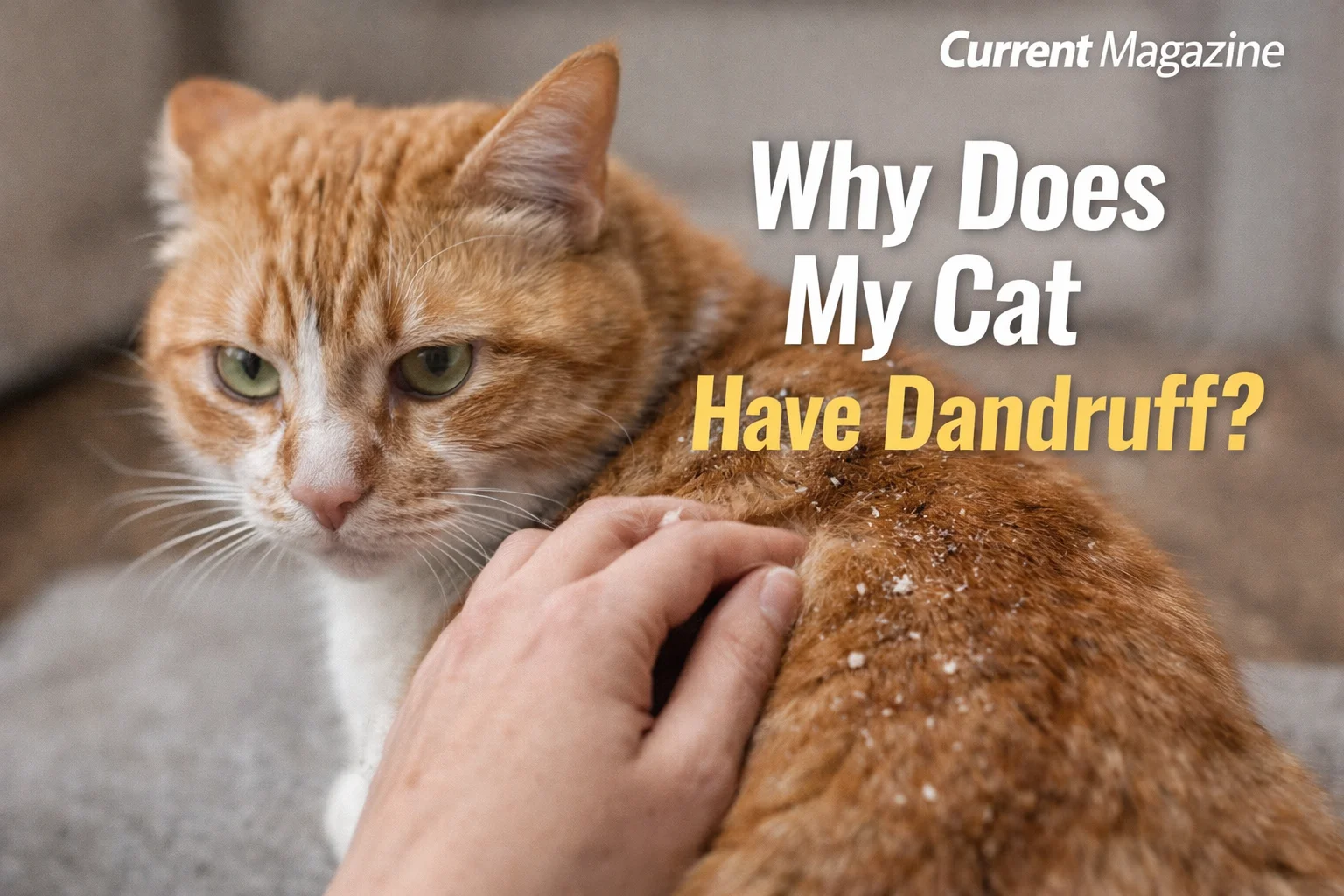
If you’ve noticed white flakes on your cat’s fur or skin, you’re dealing with cat dandruff. This common condition, also known as feline dandruff or seborrhea, affects many cats and can have several underlying causes. Understanding why does my cat have dandruff and how to treat it will help you keep your feline friend comfortable and healthy.
What Is Cat Dandruff?
Cat dandruff appears as small, white or gray flakes on your cat’s coat, similar to human dandruff. These flakes are actually dead skin cells that have shed from the skin’s surface. While a small amount of skin shedding is normal, excessive flaking indicates that something is affecting your cat’s skin health.
You’ll typically notice dandruff along your cat’s back, near the tail, or around the base of the neck. The flakes may be accompanied by dry, itchy skin, and your cat might scratch or groom more than usual.
Common Causes of Cat Dandruff
Dry Air and Low Humidity
During winter months or in homes with central heating, the air becomes very dry. This environmental dryness pulls moisture from your cat’s skin, leading to flaking and irritation. Cats in arid climates or air-conditioned homes year-round are especially prone to this issue.
Poor Grooming Habits
Cats are naturally meticulous groomers, but several factors can interfere with this behavior. Overweight cats may struggle to reach certain areas of their body, particularly their back and hindquarters. Senior cats with arthritis often find grooming painful and may avoid it altogether. When cats can’t groom properly, dead skin cells accumulate and create visible dandruff.
Nutritional Deficiencies
Your cat’s diet plays a huge role in skin health. Cats need specific nutrients, especially omega-3 and omega-6 fatty acids, to maintain healthy skin and a shiny coat. Low-quality cat food or a diet lacking in essential nutrients can lead to dry, flaky skin. Dehydration also affects skin moisture from the inside out.
Parasites
Fleas, mites, and lice can all cause skin irritation that looks like dandruff. Cheyletiella mites, nicknamed “walking dandruff,” create flakes that actually appear to move as the mites crawl beneath them. These parasites cause intense itching and discomfort along with the flaking.
Allergies
Cats can develop allergies to food ingredients, environmental triggers like pollen or dust, or contact allergens such as certain fabrics or cleaning products. Allergic reactions often manifest as itchy, inflamed skin that produces excess dandruff.
Skin Infections
Bacterial or fungal infections, including ringworm, can cause scaly, flaky patches on your cat’s skin. These infections typically require veterinary treatment with medications to clear up completely.
Underlying Health Conditions
Conditions like diabetes, hyperthyroidism, and kidney disease can all affect your cat’s skin health and grooming ability. Cats with these illnesses may develop dandruff as a secondary symptom.
How to Treat Cat Dandruff at Home
Improve Your Cat’s Diet
Switch to a high-quality cat food that contains adequate protein and essential fatty acids. Look for foods with omega-3 sources like fish oil or flaxseed. You can also add fatty acid supplements specifically designed for cats to their daily routine. Always ensure your cat has access to fresh, clean water to stay hydrated.
Increase Home Humidity
Use a humidifier in rooms where your cat spends most of their time, especially during dry seasons. Aim for indoor humidity levels between 30-50%. This simple change can make a significant difference in your cat’s skin moisture.
Help With Grooming
Brush your cat regularly with a soft-bristled brush or grooming glove. This removes dead skin cells, distributes natural oils throughout the coat, and helps cats who struggle to groom themselves. For overweight cats, work with your vet on a safe weight loss plan. For arthritic senior cats, consider giving them easier access to favorite resting spots and discuss pain management options with your vet.
Use Cat-Specific Moisturizing Products
Special moisturizing sprays or wipes made for cats can help hydrate the skin. Never use human lotions, shampoos, or moisturizers on your cat, as these can be toxic. If you need to bathe your cat, use a gentle, moisturizing cat shampoo formulated for dry skin.
Treat Parasites
If you suspect parasites, talk to your vet about appropriate treatments. Many effective flea and mite treatments are available, but you need the right product for the specific parasite affecting your cat.
When to See a Veterinarian
While mild dandruff often responds to home care, you should consult your veterinarian if:
- The dandruff persists for more than two weeks despite home treatment
- Your cat is scratching intensely or has developed bald patches
- You notice red, inflamed, or crusty patches of skin
- The skin has an unusual odor
- Your cat seems lethargic or has lost their appetite
- You see actual parasites or “moving” dandruff
- Your cat is excessively grooming or showing signs of pain
Your vet will perform a thorough examination and may run tests to identify the underlying cause. Treatment will depend on the diagnosis but might include prescription diets, medications for infections or parasites, or management of underlying diseases.
Preventing Cat Dandruff
Prevention is always easier than treatment. Maintain your cat’s skin health by feeding a nutritious, balanced diet rich in omega fatty acids. Brush your cat several times per week to remove dead skin and distribute natural oils. Keep your home at a comfortable humidity level year-round. Schedule regular veterinary checkups to catch health issues early. Keep your cat at a healthy weight so they can groom all areas of their body.
For senior cats or those with mobility issues, consider gentle brushing daily and provide low-sided litter boxes and easy access to food, water, and favorite sleeping spots.
The Bottom Line
Cat dandruff is usually not a serious problem, but it does signal that something needs attention. Whether it’s environmental dryness, dietary needs, or a health issue, identifying and addressing the cause will help your cat feel better and look healthier. With proper care, most cases of cat dandruff clear up quickly, leaving your feline friend with a soft, flake-free coat.
FAQs About Cat Dandruff
1. Can I use human dandruff shampoo on my cat? No, never use human products on cats. Human shampoos, even anti-dandruff formulas, can be toxic to cats because they contain ingredients that are unsafe for feline skin and can be absorbed or ingested during grooming. Always use products specifically formulated for cats.
2. Is cat dandruff contagious to humans or other pets? Regular dandruff itself isn’t contagious, but if it’s caused by parasites like Cheyletiella mites or ringworm, these can spread to other pets and sometimes humans. If you suspect parasites or fungal infections, see your vet promptly for proper diagnosis and treatment.
3. How often should I bathe my cat if they have dandruff? Most cats don’t need frequent bathing and over-bathing can actually worsen dandruff by stripping natural oils. If bathing is necessary, once every few months with a moisturizing cat shampoo is usually sufficient, unless your vet recommends otherwise for specific skin conditions.
4. Can stress cause dandruff in cats? Yes, stress can affect your cat’s grooming habits and overall health, potentially leading to dandruff. Stressed cats may groom excessively or stop grooming altogether, both of which can contribute to skin problems. Identifying and reducing stressors helps improve overall health.
5. What’s the difference between dandruff and dander? Dandruff refers to visible flakes of dead skin on your cat’s coat, while dander consists of microscopic skin particles that all cats shed naturally. Dander is what typically causes allergies in humans, whereas dandruff is a visible sign of a skin condition.
6. Are certain cat breeds more prone to dandruff? Long-haired breeds like Persians and Maine Coons may show dandruff more visibly due to their thick coats, and they may struggle with grooming hard-to-reach areas. However, any breed can develop dandruff depending on environmental factors, health status, and care.
7. Can diet alone cure my cat’s dandruff? If nutritional deficiency is the sole cause, improving diet can completely resolve dandruff within a few weeks. However, dandruff often has multiple contributing factors, so diet improvement should be combined with proper grooming, humidity control, and veterinary care if needed.
8. How long does it take for cat dandruff to clear up? Mild cases caused by environmental dryness or minor dietary issues may improve within two to four weeks with proper care. Cases involving infections, parasites, or underlying health conditions may take longer and require veterinary treatment to fully resolve.
9. Can indoor cats get dandruff? Absolutely. Indoor cats are actually more susceptible to dandruff from dry indoor air, especially with heating or air conditioning. They can also develop dandruff from poor diet, obesity affecting grooming, allergies to indoor allergens, or underlying health issues.
10. Should I be worried if my kitten has dandruff? Mild dandruff in kittens can be normal as their skin adjusts, especially after weaning. However, persistent or severe dandruff warrants a vet visit to rule out parasites, ringworm, or nutritional issues. Ensure your kitten is on appropriate food and receiving proper care.